Acupuncture and Acupoints for Managing Pediatric Cerebral Palsy: A Meta-Analysis of Randomized Controlled Trials
Cheng et al. · Healthcare · 2024
Evidence Level
MODERATEOBJECTIVE
Investigate the efficacy of acupuncture in the management of pediatric cerebral palsy and identify core acupoints
WHO
1,797 children with cerebral palsy (63.2% boys), age ranging from 1.6 to 12.4 years
DURATION
Treatments of 8 to 27 weeks, with sessions 1 to 7 times per week
POINTS
95 acupoints identified, with 3 main clusters: cranial (EX-HN1, GV-24, GB-13), temporal (GB-6, GB-8, GB-9), and body (ST-36, LR-3, SP-6)
🔬 Study Design
Acupuncture + Rehabilitation Group
n=898
Body/scalp acupuncture combined with standard physical therapy
Control Group
n=899
Standard physical therapy and occupational therapy alone
📊 Results in numbers
Improvement in gross motor function (GMFM)
Greater likelihood of significant improvement
Improvement in spasticity (MAS)
Improvement in balance (BBS)
Percentage highlights
📊 Outcome Comparison
Effectiveness rate
Motor function (GMFM)
This study showed that acupuncture, when combined with traditional physical therapy, can significantly help children with cerebral palsy. Improvements were observed in movement, balance, reduction of muscle stiffness, and activities of daily living. The treatment proved safe, with no serious adverse effects reported.
Article summary
Plain-language narrative summary
Acupuncture has drawn growing interest as a therapeutic alternative for several neurologic conditions, including cerebral palsy. This study represents an important contribution to the scientific understanding of the benefits of acupuncture in the treatment of children with cerebral palsy, offering robust evidence of its efficacy and identifying specific acupoints that may be most effective.
Cerebral palsy is a complex neurologic condition that affects motor control and muscle coordination, resulting from brain injuries that occur during early brain development. This condition affects approximately two to three children per thousand live births and manifests in different forms such as spastic diplegia, spastic quadriplegia, and dyskinetic, ataxic, hemiplegic, and mixed types. The most common clinical features include movement disorders and associated impairments, such as balance problems and sensory deficits. Consequently, long-term complications may arise, including pain in 75% of cases, intellectual disability in 50%, inability to walk in 33%, and other conditions such as epilepsy, behavioral disorders, and bladder control problems.
Conventional treatment traditionally includes physical therapy and occupational therapy, although some studies question the efficacy of exercise interventions in improving gross motor function. In traditional Chinese medicine, cerebral palsy is not specifically documented but falls under the categories of "five delays" (五迟), "five softnesses" (五软), and "five hardnesses" (五硬), which describe the symptoms experienced by patients.
This study aimed to investigate and summarize the efficacy of pure acupuncture in the treatment of cerebral palsy and to analyze the acupoints used in clinical trials in order to identify the most effective core acupoints. The investigators conducted a systematic review and meta-analysis of randomized controlled clinical trials, following rigorous scientific research protocols. The search was performed in seven major databases, including PubMed, Cochrane Library, Scopus, EMBASE, ClinicalTrials.gov, PubMed Central, and China National Knowledge Infrastructure, covering studies published from 1994 through June 2023. Randomized controlled clinical trials evaluating body, scalp, or auricular acupuncture for the treatment of cerebral palsy were included, while acupoint injections, electroacupuncture, and laser acupuncture were excluded.
Methodologic quality was assessed using the Cochrane Collaboration risk-of-bias tool, ensuring that only studies of adequate quality were included in the analysis.
After rigorous selection, twenty randomized controlled clinical trials involving 1,797 participants, all conducted in China, were analyzed. The studies ranged in intervention frequency from 8 to 27 weeks, with treatment sessions occurring 1 to 7 times per week. A total of 79 acupoints were used across the studies, ranging from 1 to 29 points per study. Participants' ages ranged from 1.6 to 12.4 years, with a predominance of male participants representing 63.2% of the sample.
Results showed that the acupuncture groups had significantly greater improvements in Gross Motor Function Measure scores, with a mean improvement of 5% compared with the control groups. In addition, there was a 16% higher likelihood of achieving prominent improvement in the overall effectiveness rate. Improvements were also observed in the Modified Ashworth Scale for spastic motor function, the Berg Balance Scale for gait and balance, and Activities of Daily Living. Using network analysis to identify core acupoints, three main clusters were identified: first, EX-HN1 (Sishencong 四神聪), GV-24 (Shenting 神庭), and GB-13 (Benshen 本神); second, GB-6 (Xuanli 悬厘), GB-8 (Shuaigu 率谷), and GB-9 (Tianchong 天冲); and third, ST-36 (Zusanli 足三里), LR-3 (Taichong 太冲), and SP-6 (Sanyinjiao 三阴交).
Subgroup analyses revealed that studies with longer treatment duration and those using these core acupoints had better outcomes.
The clinical implications of this study are significant for patients, family members, and healthcare professionals. For patients with cerebral palsy, the results suggest that acupuncture may be a valuable complementary therapy when combined with conventional rehabilitation treatments. The 5% improvement in gross motor function, although it may seem modest, represents a clinically meaningful advance for children with cerebral palsy, especially considering that improvements in motor function can have substantial impact on quality of life and functional independence. The observed benefits were not limited to motor function but extended to important aspects such as muscle spasticity, balance, and activities of daily living.
For healthcare professionals, this study provides practical guidance on which acupoints may be most effective, offering a scientific basis for clinical decisions. The three core acupoint clusters identified represent traditional combinations frequently used for brain-related disorders in Chinese medicine, and their efficacy demonstrated in this study may guide more standardized treatment protocols. In addition, the safety analysis showed that none of the studies reported serious adverse events, suggesting that acupuncture is a relatively safe intervention when applied by qualified professionals.
It is important to recognize the limitations of this study when interpreting the results. The predominance of Chinese-language articles limits the ethnic diversity of participants, with a focus primarily on Asian populations, raising questions about generalizability to other ethnicities. Most trials had small sample sizes and variable methodologic quality, affecting the overall reliability of the research. The high heterogeneity observed in some statistical aspects may stem from the diverse study designs, although the investigators focused exclusively on pure acupuncture and explored core acupoints to reduce this heterogeneity.
In addition, the extensive use of diverse acupoints suggests the need for larger-scale studies to establish more conclusive evidence. Despite these limitations, the results remained consistent in sensitivity analyses and trial sequential analysis, strengthening the reliability of the conclusions.
In conclusion, this meta-analysis provides robust scientific evidence that acupuncture, particularly when using the specific core acupoints identified in the study, may be effective in treating symptoms in children with cerebral palsy. The three identified core acupoint clusters offer practical guidance for clinicians, potentially representing the first choice for acupuncture interventions in pediatric cerebral palsy. The results suggest that the combination of acupuncture with rehabilitation training constitutes an effective treatment, providing significant improvements in motor function, spastic
Strengths
- 1Largest meta-analysis on pediatric acupuncture in cerebral palsy
- 2Pioneering identification of core acupoints
- 3Trial sequential analysis confirms robustness of results
- 4Comprehensive evaluation of multiple functional outcomes
Limitations
- 1Most studies conducted in China, limiting generalizability
- 2Small samples in most individual studies
- 3Moderate to high heterogeneity in some outcomes
- 4Lack of standardization in sham acupuncture methods
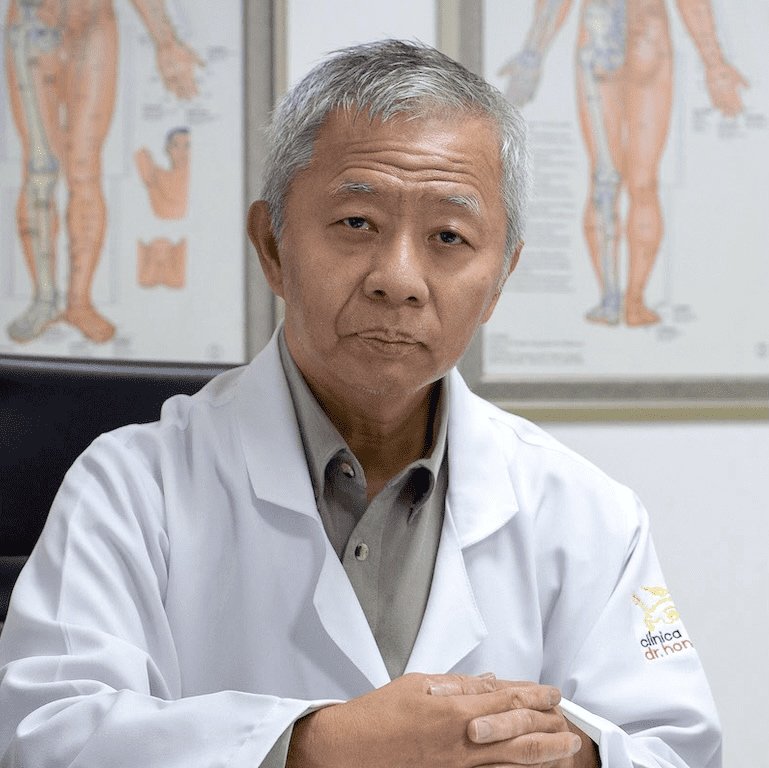
Expert Commentary
Prof. Dr. Hong Jin Pai
PhD in Sciences, University of São Paulo
▸ Clinical Relevance
Cerebral palsy represents one of the greatest challenges in pediatric neurorehabilitation, and any intervention that broadens the available therapeutic arsenal deserves careful attention. This meta-analysis, gathering 1,797 patients across twenty controlled trials, consolidates acupuncture — combined with standard physical and occupational therapy — as an adjunct with consistent evidence for improvement in gross motor function, reduction in spasticity, and gains in balance. The 5% improvement on the GMFM may appear modest in absolute terms, but in children with cerebral palsy this difference often corresponds to functional gains with direct impact on autonomy and quality of life. The identification of three core acupoint clusters — including EX-HN1, GV-24, GB-13, ST-36, LR-3, and SP-6 — offers the clinician a concrete reference for structuring protocols, making the prescription more rational and less dependent on individual empirical variation. The safety profile, with no serious adverse events reported, reinforces the feasibility of incorporating acupuncture into multidisciplinary rehabilitation routines for this population.
▸ Notable Findings
Two findings stand out in this analysis. First, the systematized identification of core acupoints by network analysis represents a qualitative advance compared with previous reviews, which simply cataloged points without hierarchizing them. The three identified clusters — anterior cranial, lateral cranial, and distal lower limb — are consistent with the functional neuroanatomy of classical Chinese medicine and with the scalp-acupuncture principle of treating encephalic disorders through localized cortical activation. Second, subgroup analysis showed that studies with longer treatment duration and use of these core points achieved better results, signaling that both careful point selection and treatment continuity are determinant variables — not merely accessory ones. The robustness of the conclusions, confirmed by trial sequential analysis, lends additional weight to these findings, especially in a field where methodologic heterogeneity is the rule.
▸ From My Experience
In my practice with children with spastic cerebral palsy, I have observed that the response to acupuncture is rarely immediate — we usually perceive the first signs of tone reduction and postural improvement after four to six weeks of regular treatment, which is consistent with the 8- to 27-week protocols described in this meta-analysis. The profile that responds best, in my experience, is the school-age child with spastic diplegia, with preserved capacity for at least minimal cooperation and an active physical therapy program in parallel. We routinely combine scalp acupuncture — with emphasis on gallbladder-meridian points and GV-24 — with electroacupuncture at the distal points ST-36 and SP-6, although this meta-analysis excluded electroacupuncture. At the Pain Center, the maintenance model we adopt provides for biweekly sessions after the intensive phase, avoiding loss of functional gains achieved. I do not usually recommend acupuncture as monotherapy in this condition — it works as a potentiator of a structured rehabilitation program, never as a substitute.
Full original article
Read the full scientific study
Healthcare · 2024
DOI: 10.3390/healthcare12171780
Access original articleThis study underpins the editorial content of the site.
Condition pages and clinical articles that cite this evidence as the basis of their recommendations.
Scientific Review

Marcus Yu Bin Pai, MD, PhD
CRM-SP: 158074 | RQE: 65523 · 65524 · 655241
PhD in Health Sciences, University of São Paulo. Board-certified in Pain Medicine, Physical Medicine and Rehabilitation, and Medical Acupuncture. Scientific review and curation of every entry in this library.
Learn more about the author →Medical disclaimer: This content is for educational purposes only and does not replace consultation, diagnosis, or treatment by a qualified professional. Some information may be assisted by artificial intelligence and is subject to inaccuracies. Always consult a physician.
Content reviewed by the medical team at CEIMEC — Integrated Centre for Chinese Medicine Studies, a reference in Medical Acupuncture for over 30 years.
Related articles
Based on this article’s categories