Potential scalp acupuncture and brain stimulation targets for common neurological disorders: evidence from neuroimaging studies
Wu et al. · Chinese Medicine · 2025
Evidence Level
STRONGOBJECTIVE
To identify specific scalp acupuncture targets for 10 neurological disorders using neuroimaging meta-analysis
WHO
Patients with cognitive decline, dementia, Parkinson's disease, aphasia, dyslexia, chronic pain, and other neurological disorders
DURATION
Analysis of studies through October 2024
POINTS
3-9 specific targets per condition, including the prefrontal, temporal, and parietal cortex
🔬 Study Design
Included studies
n=2060
Neuroimaging of various neurological conditions
Brain coordinates
n=49182
Brain activation points analyzed
📊 Results in numbers
Targets identified for subjective cognitive decline
Targets identified for mild cognitive impairment
Targets identified for Alzheimer's disease
Targets identified for Parkinson's disease
Total brain coordinates analyzed
📊 Outcome Comparison
Number of targets per condition
This groundbreaking study analyzed thousands of brain scans to identify specific scalp points where acupuncture may be most effective for different neurological problems. The researchers found precise locations to treat issues ranging from memory problems to chronic pain and Parkinson's disease, offering a scientific map for more targeted treatments.
Article summary
Plain-language narrative summary
This innovative study represents a significant milestone in the development of evidence-based scalp acupuncture. Using the Neurosynth Compose platform, researchers conducted a comprehensive meta-analysis of neuroimaging studies to identify specific cortical targets for ten prevalent neurological conditions, establishing a crucial bridge between modern neuroscience and traditional Chinese medicine. The methodology involved the systematic analysis of more than 2,000 studies published through October 2024, encompassing 49,182 brain coordinates from patients with subjective cognitive decline, mild cognitive impairment, Alzheimer's disease, Parkinson's disease, multiple system atrophy, primary progressive aphasia, post-stroke aphasia, dyslexia, chronic pain, and disorders of consciousness. Results revealed specific patterns of brain alterations for each condition, allowing the identification of 3 to 9 distinct therapeutic targets per disorder.
For neurodegenerative conditions such as cognitive decline and Alzheimer's disease, the targets identified include the bilateral angular gyrus, dorsolateral prefrontal cortex, and middle temporal gyrus — regions crucial for memory processing and executive function. In movement disorders such as Parkinson's disease, targets were mapped in the primary motor cortex, prefrontal cortex, and supplementary motor areas. Language-related conditions showed consistent targets in the left inferior frontal gyrus, superior temporal gyrus, and Broca's and Wernicke's areas. The study established specific needling protocols for each target, including direction, depth, and stimulation techniques based on traditional Chinese scalp acupuncture patterns but with localization refined by neuroimaging.
The findings are consistent with existing non-invasive brain stimulation protocols, such as transcranial magnetic stimulation and transcranial electrical stimulation, validating the clinical relevance of the identified targets. Previous studies using these neuromodulation techniques on the same brain targets demonstrated significant improvements in cognitive, motor, and pain symptoms, suggesting that targeted scalp acupuncture may offer similar benefits. The clinical implications are substantial, offering practitioners a neuroimaging-based scalp acupuncture system that can improve treatment precision and efficacy. The identified targets complement existing traditional protocols, such as the Jiao Shunfa system and World Health Organization guidelines, providing more specific, scientifically grounded locations.
However, the study has important limitations that should be considered. The meta-analysis-based approach, although robust, depends on the quality and heterogeneity of the included studies. Some identified targets remain theoretical and require clinical validation through randomized controlled trials. In addition, scalp acupuncture cannot directly reach deep brain structures, being limited to the superficial cortex, although it can influence connected functional networks.
Future studies should focus on the clinical validation of these targets, the development of standardized stimulation protocols, and integration with functional connectivity analyses to optimize the selection of therapeutic points.
Strengths
- 1Robust meta-analysis with more than 49,000 brain coordinates
- 2Specific identification of targets for 10 distinct neurological conditions
- 3Innovative integration between modern neuroimaging and traditional scalp acupuncture
- 4Detailed evidence-based needling protocols
Limitations
- 1Some identified targets require clinical validation
- 2Limited to superficial cortical structures
- 3Dependence on the quality of the included neuroimaging studies
- 4Need for specific clinical efficacy studies
Expert Commentary
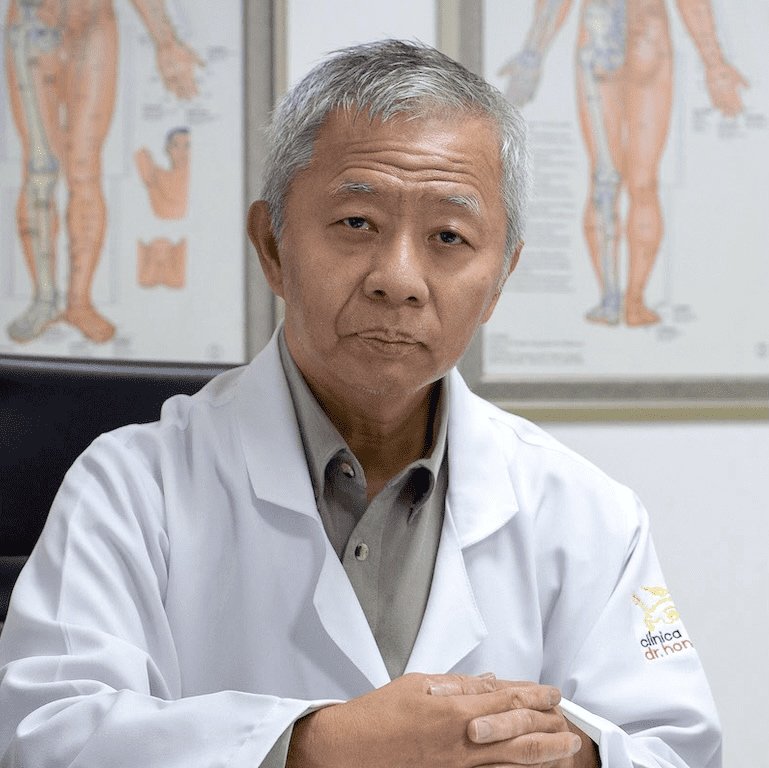
Prof. Dr. Hong Jin Pai
PhD in Sciences, University of São Paulo
▸ Clinical Relevance
Scalp acupuncture occupies a growing space in the management of refractory neurological conditions, and this work provides an unprecedented cartographic basis for guiding point selection. By mapping more than 49,000 brain coordinates distributed across ten distinct diagnoses, the authors offer the medical acupuncturist a reference framework that surpasses the empirical localization inherited from the Jiao Shunfa systems and WHO guidelines. In practice, this translates into more grounded decisions for the patient with mild cognitive impairment who arrives at the office with an MRI in hand, or for the early-stage parkinsonian patient seeking to complement levodopa. The convergence of the identified targets with sites already validated by transcranial magnetic stimulation lends the finding considerable translational robustness: the same dorsolateral prefrontal cortex that responds to TMS in Alzheimer's disease now has a needleable cranial coordinate, integrating scalp acupuncture into the neuromodulation arsenal available in neurological rehabilitation units.
▸ Notable Findings
What stands out immediately is the diagnostic specificity of the targets: the study does not propose a generic protocol for 'cognitive diseases' but distinguishes 6 targets for subjective cognitive decline, 9 for mild cognitive impairment, and 4 for established Alzheimer's disease — a progression that reflects functional cortical reorganization at each stage. For the aphasias, convergence around the left inferior frontal gyrus and Broca's and Wernicke's areas is particularly consistent with the post-stroke plasticity literature, suggesting that the gains observed clinically have a traceable neuroanatomical substrate. In Parkinson's disease, the inclusion of the supplementary motor areas alongside the primary motor cortex is consistent with the role of these regions in movement initiation and with the clinical pattern of akinesia that most troubles patients. Perhaps the most relevant finding is the overlap between the identified targets and the sites responsive to non-invasive stimulation already validated: this convergence transforms scalp acupuncture from a historically empirical practice into a modality with a defensible neurobiological rationale before ethics committees and clinical boards.
▸ From My Experience
In my practice at the HC-FMUSP Pain Center, we have incorporated scalp acupuncture for more than two decades, initially following the Jiao system with empirical adaptations. With parkinsonian patients, I usually observe perceptible motor response — reduction in resting tremor and improvement in bradykinesia — between the third and fifth sessions, which motivates both the patient and the family to maintain adherence. On average, we work with cycles of twelve sessions before reassessing and deciding between discharge with biweekly maintenance or intensification. Combination with neurological physical therapy consistently enhances functional gains. For post-stroke aphasia, I start as early as possible in the subacute phase; the earlier, the wider the window of neuroplasticity. The profile that responds best to scalp acupuncture in my experience is the patient with a focal lesion and well-preserved cognitive reserve. This neuroimaging-based mapping aligns with what we already observed empirically: the sites that generated the most clinical response corresponded, unbeknownst to us, exactly to the coordinates now described by the authors.
Full original article
Read the full scientific study
Chinese Medicine · 2025
DOI: 10.1186/s13020-025-01106-0
Access original articleScientific Review

Marcus Yu Bin Pai, MD, PhD
CRM-SP: 158074 | RQE: 65523 · 65524 · 655241
PhD in Health Sciences, University of São Paulo. Board-certified in Pain Medicine, Physical Medicine and Rehabilitation, and Medical Acupuncture. Scientific review and curation of every entry in this library.
Learn more about the author →Medical disclaimer: This content is for educational purposes only and does not replace consultation, diagnosis, or treatment by a qualified professional. Some information may be assisted by artificial intelligence and is subject to inaccuracies. Always consult a physician.
Content reviewed by the medical team at CEIMEC — Integrated Centre for Chinese Medicine Studies, a reference in Medical Acupuncture for over 30 years.
Related articles
Based on this article’s categories