Effectiveness of scalp acupuncture and comparison with traditional acupuncture for stroke: an overview of systematic reviews and updated evidence
Park et al. · Systematic Reviews · 2025
OBJECTIVE
To evaluate the efficacy of scalp acupuncture versus traditional acupuncture for stroke recovery
WHO
Adults diagnosed with stroke (ischemic or hemorrhagic) confirmed by CT or MRI
DURATION
Studies with treatments lasting 10 to 180 days
POINTS
Specific scalp points to stimulate brain regions, varying across studies
🔬 Study Design
Scalp acupuncture reviews
n=7
scalp acupuncture alone or combined with conventional medicine
Comparison with traditional acupuncture
n=3
Cochrane data for traditional acupuncture
📊 Results in numbers
Improvement in neurological deficits (scalp acupuncture)
Improvement in neurological deficits (traditional acupuncture)
Motor function — overall studies (scalp acupuncture)
Disability — high-quality studies (scalp acupuncture)
📊 Outcome Comparison
Neurological deficits (effect size)
Motor function — high-quality studies
This study shows that scalp acupuncture can be a promising option for stroke recovery, especially for improving neurological problems and disability. Although the overall quality of the evidence is still low, higher-quality studies suggest real benefits of scalp acupuncture as a complementary therapy.
Article summary
Plain-language narrative summary
Stroke is one of the leading causes of death and disability worldwide, placing enormous pressure on health systems globally. Between 1990 and 2019, the number of stroke cases rose dramatically by 70%, with related deaths increasing 43%. Given the limitations of conventional treatments — which include surgery, medications, and physical therapy — interest in complementary therapies, especially acupuncture, has grown. Among the various acupuncture modalities, scalp acupuncture has emerged as a promising approach for post-stroke recovery, based on the stimulation of specific scalp areas to activate brain regions related to movement and cognition.
This study aimed to systematically evaluate the efficacy of scalp acupuncture for stroke recovery, also comparing it with traditional acupuncture. Researchers conducted a broad review of the scientific literature, searching twelve different databases through September 2023, with no language restrictions. Only systematic reviews and meta-analyses analyzing adults with stroke treated with scalp acupuncture were included. The methodological quality of the studies was rigorously assessed using recognized scientific tools, including AMSTAR-2, ROBIS, PRISMA-A, and GRADE, which examine aspects such as transparency, methodological rigor, and reliability of results.
Researchers analyzed important outcomes such as neurological deficits, motor function, disability, and overall efficacy rate.
After careful analysis, seven systematic reviews encompassing studies conducted between 2012 and 2021 were included. The results showed that, although scalp acupuncture demonstrates significant positive effects, especially when combined with conventional medical treatment, the overall certainty of the evidence remains low because of methodological limitations in the original studies. Compared with traditional acupuncture, scalp acupuncture showed a larger effect size in improving neurological deficits in both the overall analysis and in the analysis restricted to high-quality studies. For motor function, scalp acupuncture was superior in the overall analysis, but traditional acupuncture showed better results when only high-quality studies were analyzed.
Regarding disability, traditional acupuncture had a slight advantage in the overall analysis, but scalp acupuncture outperformed it in the analysis of high-quality studies.
For patients and health care professionals, these findings suggest that scalp acupuncture can be a valuable therapeutic option in stroke recovery, particularly for improving neurological deficits and reducing disability. The technique appears to be safe, with few adverse events reported in the analyzed studies, including occasionally mild dizziness and skin redness at the application site. The fact that benefits are particularly apparent when combined with conventional medical treatment suggests that it can be an effective complementary therapy, not a replacement for standard treatment. For practitioners, the results indicate that scalp acupuncture can be integrated into rehabilitation protocols, offering an additional approach to improve patient outcomes.
The main limitations include the lack of standardization in the scalp acupuncture techniques used across different studies, with variations in application points, needle depth, and treatment duration. In addition, many original studies had methodological flaws, such as inadequate randomization and lack of appropriate blinding, which compromises confidence in the results. Heterogeneity across studies, including different stroke types and treatment protocols, also limited the ability to reach definitive conclusions.
In conclusion, although the current evidence has methodological limitations, this study highlights the potential of scalp acupuncture as a promising complementary therapy for stroke recovery. Results from high-quality studies show particular benefits in improving neurological deficits and reducing disability. To establish more solid clinical recommendations, future studies with greater methodological rigor, standardized protocols, and larger samples are needed. Research must also better differentiate between stroke types and establish clear guidelines for technique application, thereby contributing to its evidence-based integration into neurological rehabilitation protocols.
Strengths
- 1Comprehensive analysis using rigorous evaluation tools (AMSTAR-2, ROBIS, GRADE)
- 2Multilingual search across 12 databases
- 3Direct comparison between scalp acupuncture and traditional acupuncture
- 4Focus on high-quality studies to validate results
- 5Pre-registration in PROSPERO for transparency
Limitations
- 1Lack of standardization in scalp acupuncture techniques across studies
- 2High heterogeneity among included studies
- 3Inconsistent reporting of adverse events
- 4Low methodological quality in most reviews
- 5No clear distinction between stroke types (ischemic vs. hemorrhagic)
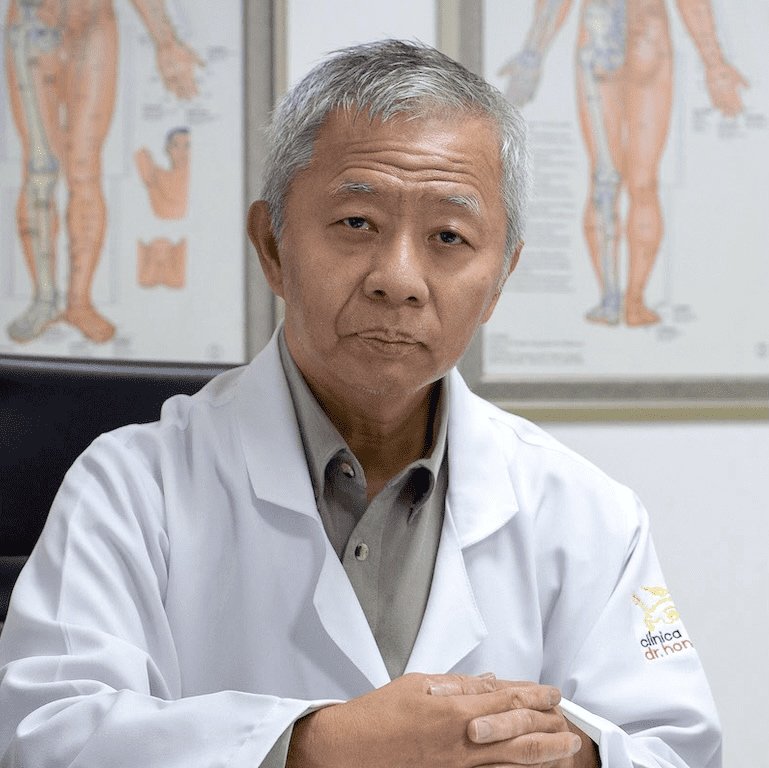
Expert Commentary
Prof. Dr. Hong Jin Pai
PhD in Sciences, University of São Paulo
▸ Clinical Relevance
Stroke remains one of the most devastating causes of functional disability worldwide, and the resources available for neurological rehabilitation are still insufficient given the magnitude of the problem. This overview of reviews, conducted with rigorous tools such as AMSTAR-2, ROBIS, and GRADE, offers the clinician working in post-stroke rehabilitation a systematic view of where scalp acupuncture stands in relation to traditional acupuncture. The most relevant data point for practice is that, in the studies of higher methodological quality, scalp acupuncture outperformed traditional acupuncture in both reducing neurological deficits and decreasing functional disability — two outcomes that directly impact patient autonomy and care costs. Patients in the subacute and chronic phases of stroke, especially those with residual motor deficits and difficulties in functional reintegration, represent the profile that benefits most from integrating scalp acupuncture into the conventional rehabilitation protocol.
▸ Notable Findings
The contrast between the overall analysis and the analysis restricted to high-quality studies is the finding that deserves particular attention. While motor function favors scalp acupuncture in the overall analysis, traditional acupuncture reverses this trend when only methodologically robust studies are filtered — suggesting that part of the motor effect attributed to scalp acupuncture may reflect bias in lower-quality studies. In contrast, for functional disability, scalp acupuncture demonstrates a notable effect of 1.65 precisely in high-quality studies, which lends greater credibility to that specific outcome. The quantitative comparison between the two modalities in neurological deficits — an effect of -0.96 for scalp acupuncture versus -0.53 for traditional acupuncture — indicates that stimulation of cortical zones via the scalp may mobilize neuroplastic mechanisms distinct from and complementary to those activated by classical systemic points.
▸ From My Experience
In my practice at the HC-FMUSP Pain Center, I have incorporated scalp acupuncture into neurological rehabilitation protocols for many years, and what this work confirms resonates with what we routinely observe: the earliest response — around the third or fourth session — tends to appear in distal motor deficits, particularly in the upper limb. I usually combine scalp acupuncture with systemic acupuncture using points such as ST-36, LI-4, and SP-6, in addition to integration with neurological physical therapy, which in our experience enhances functional gains. On average, we work with cycles of twelve to sixteen sessions before reassessing the response plateau. The profile that responds best is the patient in the subacute phase, with up to six months from injury, without severe established spasticity. Patients with very high spasticity or extensive brainstem lesions respond less predictably, and we calibrate expectations from the start.
Full original article
Read the full scientific study
Systematic Reviews · 2025
DOI: 10.1186/s13643-025-02819-x
Access original articleScientific Review

Marcus Yu Bin Pai, MD, PhD
CRM-SP: 158074 | RQE: 65523 · 65524 · 655241
PhD in Health Sciences, University of São Paulo. Board-certified in Pain Medicine, Physical Medicine and Rehabilitation, and Medical Acupuncture. Scientific review and curation of every entry in this library.
Learn more about the author →Medical disclaimer: This content is for educational purposes only and does not replace consultation, diagnosis, or treatment by a qualified professional. Some information may be assisted by artificial intelligence and is subject to inaccuracies. Always consult a physician.
Content reviewed by the medical team at CEIMEC — Integrated Centre for Chinese Medicine Studies, a reference in Medical Acupuncture for over 30 years.
Related articles
Based on this article’s categories