Therapeutic effect of scalp-based acupuncture and moxibustion as an adjunctive treatment on children with cerebral palsy comparing to conventional rehabilitation therapy: a systematic review and meta-analysis of randomized controlled trials
Xue et al. · Translational Pediatrics · 2022
Evidence Level
MODERATEOBJECTIVE
To assess the efficacy of scalp acupuncture as an adjunct to conventional rehabilitation in children with cerebral palsy
WHO
731 children aged 0.5 to 10 years with cerebral palsy
DURATION
3-6 treatment courses
POINTS
Baihui, Sishen, motor area, sensory area, balance and language area
🔬 Study Design
Experimental
n=369
Scalp acupuncture + conventional rehabilitation
Control
n=362
Conventional rehabilitation
📊 Results in numbers
Efficacy rate
Mental development (MDI)
Psychological development (PDI)
Motor function (GMFM-88)
📊 Outcome Comparison
Overall efficacy rate
This meta-analysis shows that scalp acupuncture, when used together with traditional rehabilitation, is more effective than rehabilitation alone for children with cerebral palsy. The treatment significantly improved the children's mental, psychological, and motor development, and was safe, with only occasional minor bleeding at the needling sites.
Article summary
Plain-language narrative summary
Cerebral palsy in children represents one of the most significant challenges in pediatric neurology, characterized as a predominantly congenital condition that affects the development of the central nervous system. This complex condition manifests through a variety of debilitating symptoms, including intellectual deficits, motor dysfunction, behavioral changes, and impairment of essential abilities such as language, vision, and hearing. The causes of this condition are multifactorial, potentially related to prenatal factors such as maternal alcoholism, substance use, diseases such as diabetes and hypertension during pregnancy, complications during delivery such as cerebral hypoxia-ischemia, or postnatal problems such as infections and malnutrition. Conventional treatment traditionally includes neurotrophic medications, muscle relaxants, and physical rehabilitation therapies; however, the complex nature of the condition has motivated the search for more effective complementary therapeutic approaches.
This study conducted a systematic review and meta-analysis to scientifically evaluate the efficacy of scalp acupuncture as a complementary treatment for children with cerebral palsy, comparing its results with conventional rehabilitation therapy. Researchers conducted a comprehensive search of four major medical databases between January 2000 and December 2021, specifically looking for randomized controlled trials investigating the use of scalp acupuncture in children with cerebral palsy. After rigorous methodological selection, 11 high-quality studies were included, totaling 731 child participants — 369 in the experimental group and 362 in the control group. The methodology employed rigorous evaluation criteria, using internationally recognized standardized scales to measure different aspects of child development, including the Mental Development Index, the Psychological Development Index, and the Gross Motor Function Measure.
Study quality was assessed using specific tools to minimize the risk of bias and ensure the reliability of results.
The results consistently and statistically significantly demonstrated that scalp acupuncture provided superior benefits compared with conventional rehabilitation alone. The pooled analysis revealed a notable improvement in the overall treatment efficacy rate, with children who received scalp acupuncture being 3.73 times more likely to experience significant symptomatic improvement. With respect to mental development, children treated with scalp acupuncture demonstrated mean gains 15.58 points higher than those of the control group, indicating substantial advances in cognitive abilities. Similarly impressive was the impact on psychological development, where a mean difference of 13.23 points was observed in favor of the scalp acupuncture group.
Gross motor function — fundamental for the independence and quality of life of these children — also showed significant improvements, with mean differences of 17.45 points on the assessment scale. Particularly relevant was the finding that the technique demonstrated an excellent safety profile, with only isolated reports of mild bleeding at the needling sites, events easily managed and without lasting consequences.
The clinical implications of these findings are deeply encouraging for families and professionals dealing with childhood cerebral palsy. The results suggest that incorporating scalp acupuncture into conventional rehabilitation protocols can significantly enhance therapeutic outcomes, offering children greater possibilities for neurological, cognitive, and motor development. For health care professionals, these data provide robust scientific evidence that can support informed clinical decisions about including this therapeutic modality in treatment plans. The scalp acupuncture technique is based on the stimulation of specific scalp points that correspond to functional brain areas, potentially promoting neuroplasticity, improving cerebral circulation, and stimulating neural repair processes.
For families, these results offer renewed hope and an additional therapeutic option that can be safely integrated into existing care, potentially accelerating their children's developmental progress.
It is important to acknowledge that this study has some limitations that should be considered when interpreting the results. The relatively small number of included studies and the variability in the specific acupuncture techniques employed represent factors that may influence the generalizability of the findings. Additionally, the diversity of symptoms in children with cerebral palsy resulted in distinct therapeutic foci across studies, with some concentrating on motor dysfunction while others prioritized language or cognitive development problems. The methodological quality of the included studies, although adequate, still has room for improvement, with the majority classified as having "some concerns" regarding risk of bias.
These limitations indicate the need for future research with even more rigorous methodological designs, including multicenter studies with larger samples and standardized scalp acupuncture protocols. Notwithstanding these considerations, the results obtained provide valuable scientific evidence supporting the use of scalp acupuncture as a promising and safe complementary therapeutic modality for children with cerebral palsy, representing a significant advance in the therapeutic arsenal available for the management of this complex neurological condition.
Strengths
- 1Large number of analyzed studies (11 RCTs)
- 2Robust sample of 731 children
- 3Consistent results across studies
- 4Assessment of multiple functional outcomes
- 5Treatment demonstrated to be safe
Limitations
- 1Variable methodological quality of included studies
- 2Heterogeneity in the scalp acupuncture techniques used
- 3Lack of large-scale multicenter studies
- 4Different treatment foci across studies
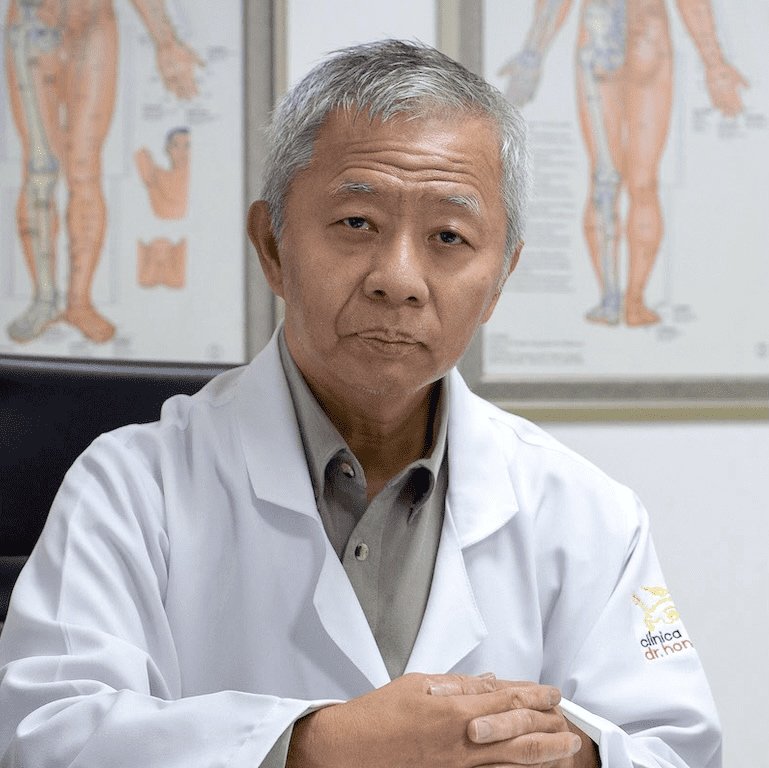
Expert Commentary
Prof. Dr. Hong Jin Pai
PhD in Sciences, University of São Paulo
▸ Clinical Relevance
Cerebral palsy imposes one of the heaviest functional burdens in pediatric neurology, and any intervention that broadens the outcomes of conventional rehabilitation deserves serious clinical attention. This meta-analysis, pooling 731 children across 11 randomized trials, demonstrates that scalp acupuncture added to a standard rehabilitation program produces measurable and clinically meaningful gains in three domains simultaneously — cognitive, psychological, and motor. An odds ratio of 3.73 for overall efficacy and mean differences greater than 13 points on the MDI and PDI are not statistical noise; they translate into gains that families and therapists perceive in everyday life. The safety profile, with only self-limited spot bleeding, makes it feasible for use in children without additional concerns. For the neurologist or physiatrist organizing the multidisciplinary plan, these data support the inclusion of scalp acupuncture as a formal adjunctive component, especially in cases with combined motor and cognitive impairment.
▸ Notable Findings
What stands out most is not just the magnitude of the effects but their simultaneous consistency across outcomes as distinct as gross motor function (GMFM-88, MD = 17.45), mental development (MDI, MD = 15.58), and psychological development (PDI, MD = 13.23). Scalp acupuncture acts on the motor cortex, Broca's area, and sensory regions through stimulation directed at the scalp — and this somatotopic correspondence helps explain why motor and cognitive gains co-occur in the same protocol. The plausible mechanism involves neuroplasticity mediated by regional cortical stimulation, improvement in local cerebral perfusion, and modulation of circuits that, in perinatal injury, often retain some potential for functional reorganization. The fact that children in an active phase of neurological development respond to this stimulation in a way proportional to their cognitive outcomes is, from a neurophysiological standpoint, coherent and worthy of deeper exploration.
▸ From My Experience
In my practice with children with cerebral palsy — both in the outpatient clinic and in joint consultations with pediatric neurology teams — I have observed that scalp acupuncture works best when embedded in a structured program, not as an isolated intervention. I usually start with sessions two to three times per week, and families generally report the first noticeable changes in tone and attention between the fourth and sixth sessions. For more robust motor outcomes, we typically work in cycles of 10 to 15 sessions with functional reassessment at the end of each cycle. I systematically combine it with neurological physical therapy and, when there is a relevant spastic component, with the patient's current medication — scalp acupuncture does not replace baclofen or botulinum toxin; it amplifies the plasticity window they open. The most favorable response profile I have identified over my career is younger children with partial lesions and a reasonable residual motor repertoire — exactly the population in which neuroplasticity still has room to be explored.
Full original article
Read the full scientific study
Translational Pediatrics · 2022
DOI: 10.21037/tp-22-85
Access original articleScientific Review

Marcus Yu Bin Pai, MD, PhD
CRM-SP: 158074 | RQE: 65523 · 65524 · 655241
PhD in Health Sciences, University of São Paulo. Board-certified in Pain Medicine, Physical Medicine and Rehabilitation, and Medical Acupuncture. Scientific review and curation of every entry in this library.
Learn more about the author →Medical disclaimer: This content is for educational purposes only and does not replace consultation, diagnosis, or treatment by a qualified professional. Some information may be assisted by artificial intelligence and is subject to inaccuracies. Always consult a physician.
Content reviewed by the medical team at CEIMEC — Integrated Centre for Chinese Medicine Studies, a reference in Medical Acupuncture for over 30 years.
Related articles
Based on this article’s categories