GYNECOLOGY AND OBSTETRICS · 12 ARTICLES
Gynecology and Obstetrics
Gynecological and obstetric conditions — dysmenorrhea, endometriosis, menopause, PCOS, and infertility. Articles on hormonal regulation, pelvic pain, and treatment options.
CEIMEC REVIEW · ONGOING EDITORIAL CURATION
Featured article · 14 min
Dysmenorrhea: Menstrual Cramps — Causes and Treatment
Understand dysmenorrhea — the menstrual pain affecting millions of women — including its physiologic mechanisms, differential diagnosis, and evidence-based treatment options.
14 MIN · CEIMEC REVIEW

Full archive · Gynecology and Obstetrics
11 articles02


Labor Pain: Symptoms, Assessment, and Management
Understand the neurophysiologic mechanisms of pain during childbirth, the transmission pathways involved, and analgesia options including acupuncture.
15 min
03Chronic Pelvic Pain in Women: Mechanisms and Treatment
Understand chronic pelvic pain — a multifactorial condition that affects up to 15% of women, its mechanisms of central sensitization, and a multimodal therapeutic approach.
14 min
04Endometriosis: Why It Hurts and How to Treat the Pain
Understand endometriosis — a chronic inflammatory estrogen-dependent disease that affects up to 10% of women of reproductive age, its mechanisms, diagnosis, and treatments.
15 min
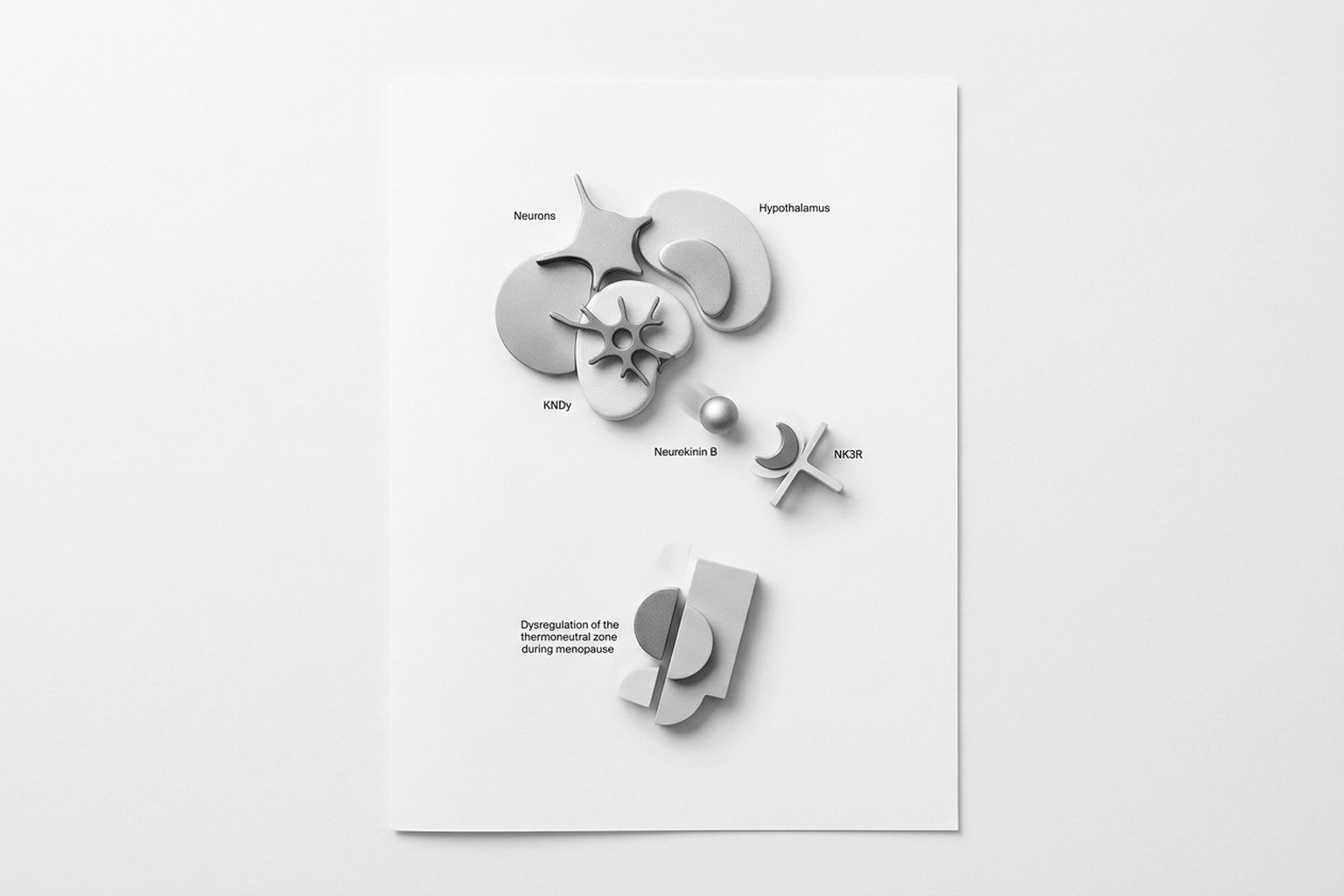
05Menopausal Hot Flashes: Mechanisms and Evidence-Based Treatments
Understand hot flashes — the most common vasomotor symptom of menopause, its neurophysiologic mechanisms, and evidence-based treatment options.
13 min
06Hyperemesis Gravidarum: Symptoms, Evaluation, and Management
Understand hyperemesis gravidarum — the severe form of nausea and vomiting in pregnancy that may cause dehydration, weight loss, and hospitalization.
13 min
07Labor Induction: From Investigation to Treatment
Understand the physiologic mechanisms of labor onset, indications for induction, available methods, and the role of acupuncture as a complementary resource.
15 min
08Anovulatory Infertility: Causes, Diagnosis, and Treatment
Understand infertility from anovulation — the most common and treatable cause of female infertility, its mechanisms, diagnosis, and evidence-based therapeutic options.
13 min
09Fetal Malpresentation: Symptoms, Evaluation, and Management
Understand unfavorable fetal positions, their impacts on labor, and how acupuncture and moxibustion can assist in correction.
15 min
10Polycystic Ovary Syndrome (PCOS): Diagnosis and Treatment
Understand PCOS — the most common endocrine disorder in women of reproductive age, involving hyperandrogenism, ovulatory dysfunction, and metabolic alterations.
15 min
11In Vitro Fertilization Support: Causes, Diagnosis, and Treatment
Understand in vitro fertilization — its stages, indications, emotional and physical challenges, and how complementary therapies can support assisted reproduction.
14 min
12Premenstrual Syndrome (PMS): Symptoms and Clinical Management
Understand premenstrual syndrome — a set of cyclical physical and emotional symptoms that affect quality of life, its mechanisms, and evidence-based therapeutic options.
14 min