MENTAL HEALTH · 15 ARTICLES
Mental Health
Anxiety, depression, insomnia, chronic stress, and burnout. Articles on neuroendocrine mechanisms, emotional regulation, and evidence-based treatment options.
CEIMEC REVIEW · DR. MARCUS YU BIN PAI (CRM-SP 158074)
Featured article · 17 min
Alcohol Withdrawal Support: Symptoms, Causes, and Treatment
Understand alcohol withdrawal syndrome — a potentially severe condition that requires early recognition, its neurobiological mechanisms, and evidence-based treatment.
17 MIN · CEIMEC REVIEW

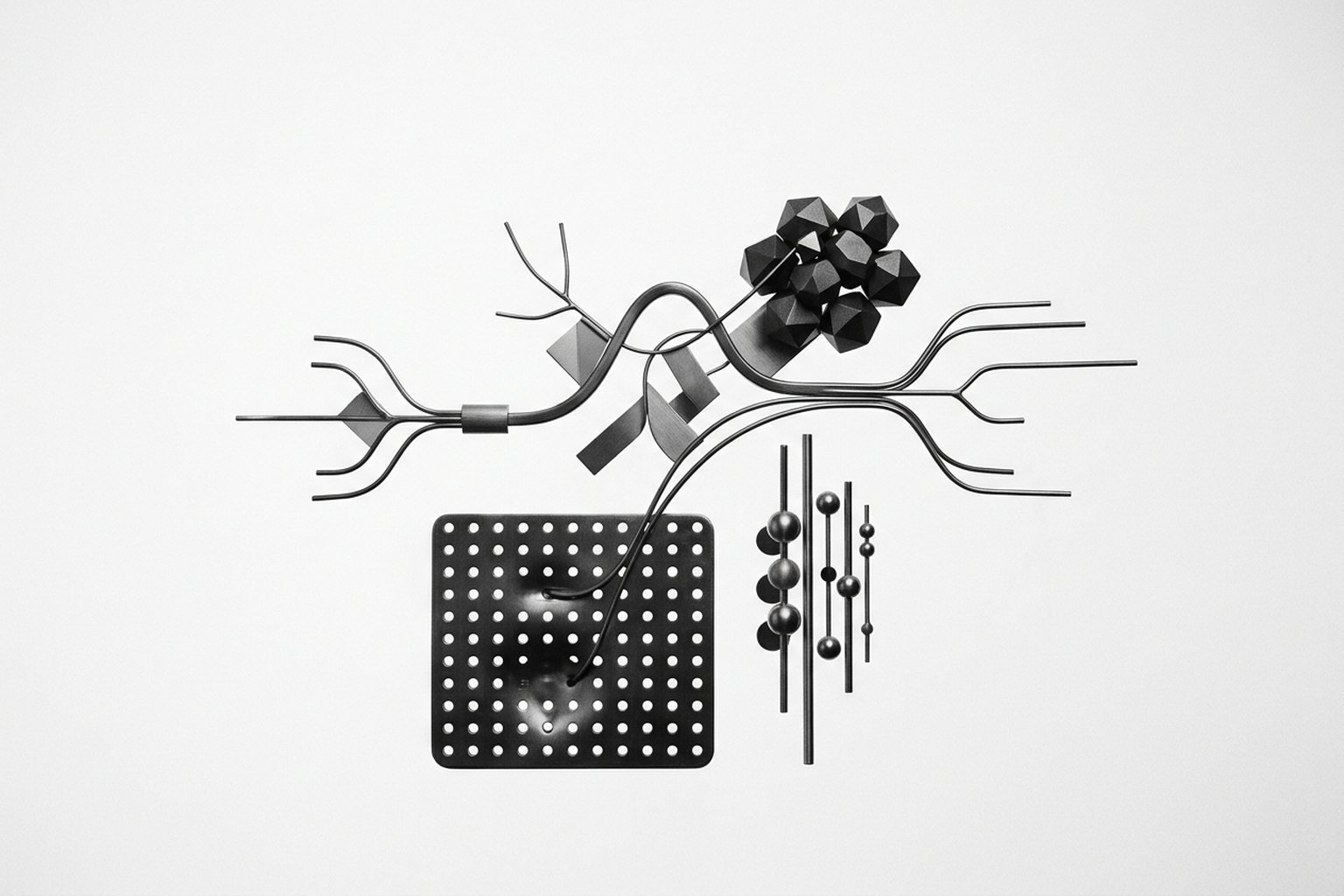
Three neurobiological levels of medical acupuncture: from muscle to central modulation
Mechanical stimulation of myelinated peripheral afferents engages local tissue perfusion, spinal dorsal horn gating, and descending brainstem analgesia across sessions.
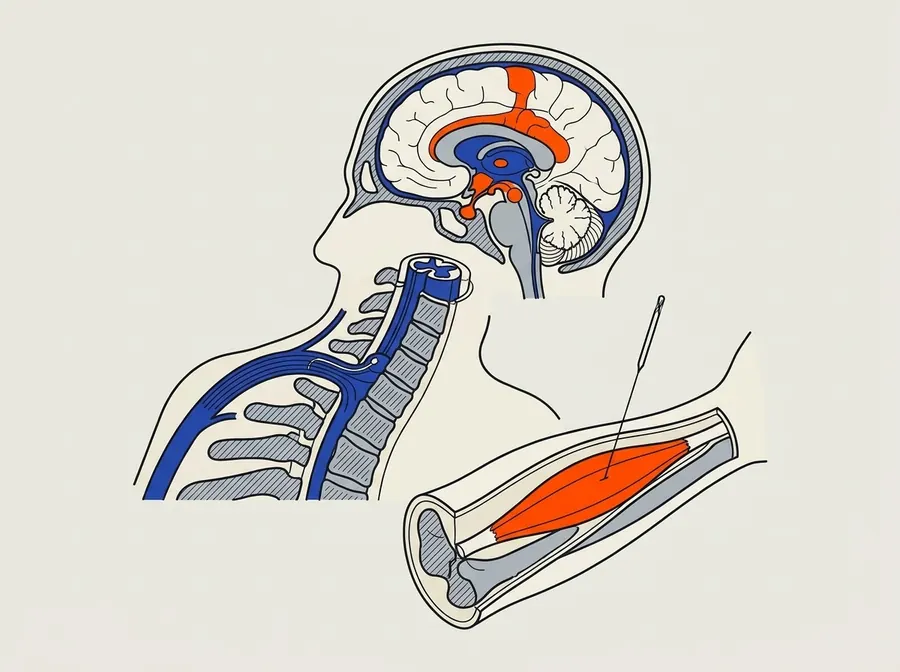
1. Local & myofascial coupling
Recruits Aβ/Aδ mechanoreceptors, releases local adenosine, and restores micro-perfusion in taut muscle bands.
2. Spinal dorsal horn gating
Segmental inhibitory interneurons dampen ascending nociceptive signaling and calm viscerosomatic reflexes.
3. Descending central control
Engages periaqueductal gray and brainstem relays, recruiting endogenous opioids and monoamines.
Full archive · Mental Health
14 articles02
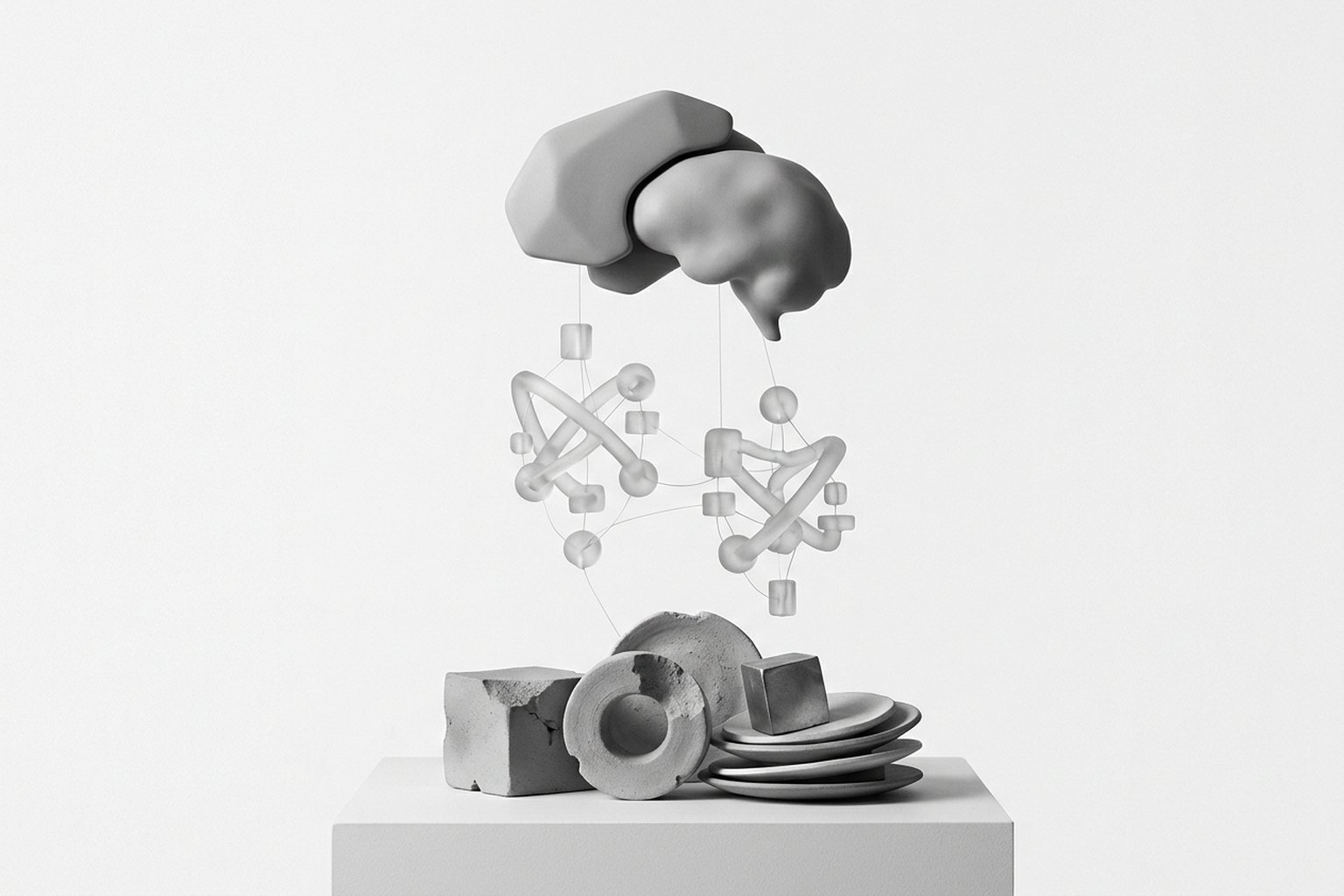









Smoking Cessation: Clinical Assessment and Support
Understand nicotine dependence and the withdrawal syndrome — its neurobiological mechanisms, clinical management, and evidence-based treatments for smoking cessation.
16 min
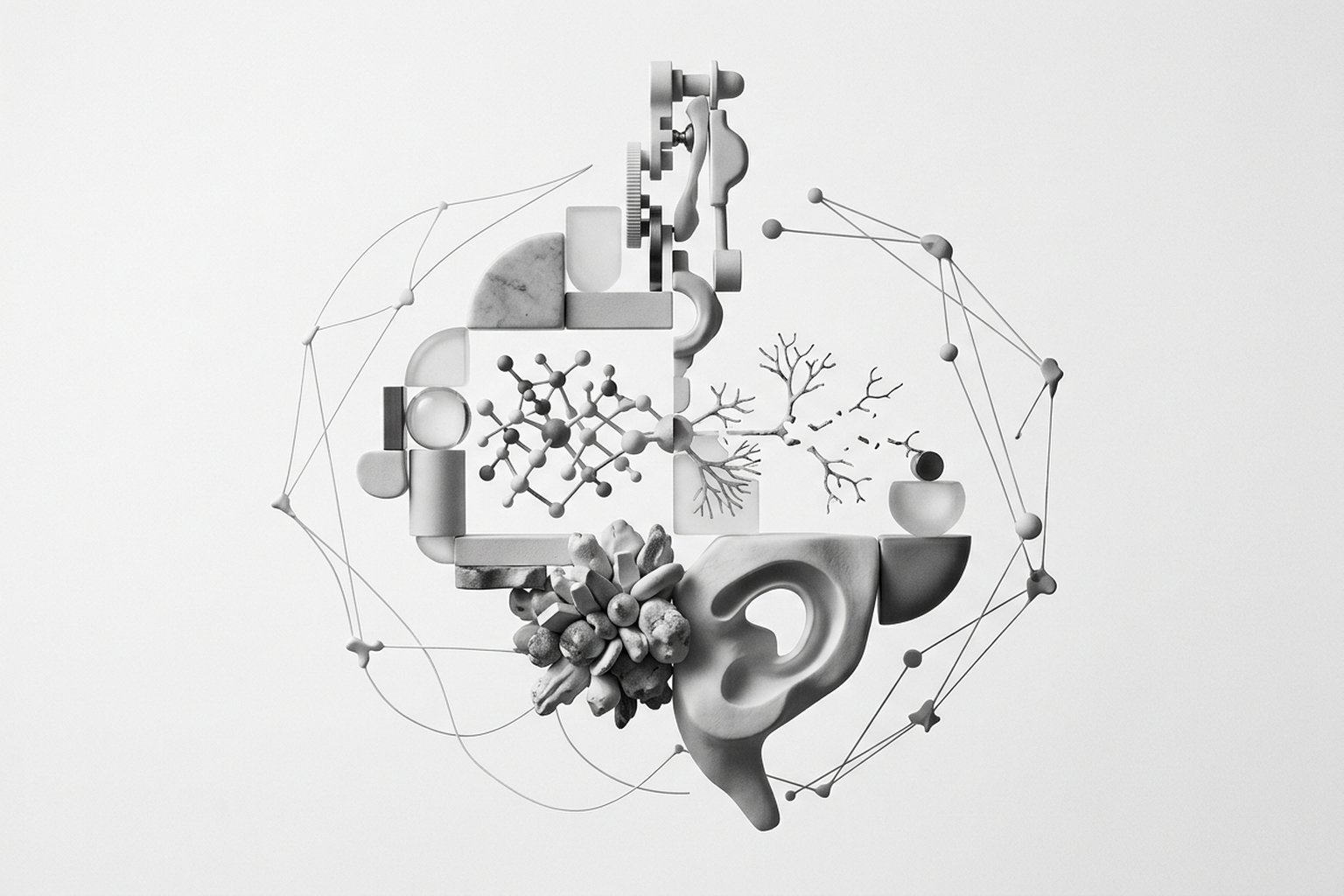
03Agitation in Dementia: Clinical Assessment and Therapeutic Approach
Understand dementia's neuropsychiatric symptoms — why they occur, how to manage agitation compassionately and effectively, and the role of non-pharmacological approaches.
16 min
04Generalized Anxiety: Clinical Signs and Treatment
Understand GAD — one of the most common anxiety disorders, its neurobiological mechanisms, diagnosis, and evidence-based treatment options.
15 min
05Panic Attacks: What Happens in the Body and How to Treat It
Understand panic attacks and panic disorder — intense episodes of fear with overwhelming physical symptoms, their mechanisms, and effective treatments.
14 min read
06Burnout Syndrome: Recognizing Exhaustion and Treating It
Understand occupational burnout syndrome — its organizational causes, physiologic mechanisms, diagnosis, and evidence-based recovery strategies.
15 min
07Binge Eating Disorder: Clinical Evaluation and Therapeutic Approach
Understand BED — the most prevalent eating disorder in the world, its neurobiological mechanisms, diagnosis, and evidence-based treatments.
16 min
08Depression: Symptoms, Mechanisms, and Current Treatment
Understand major depression — one of the most prevalent medical conditions in the world, its neurobiologic mechanisms, diagnosis, and evidence-based treatments.
17 min
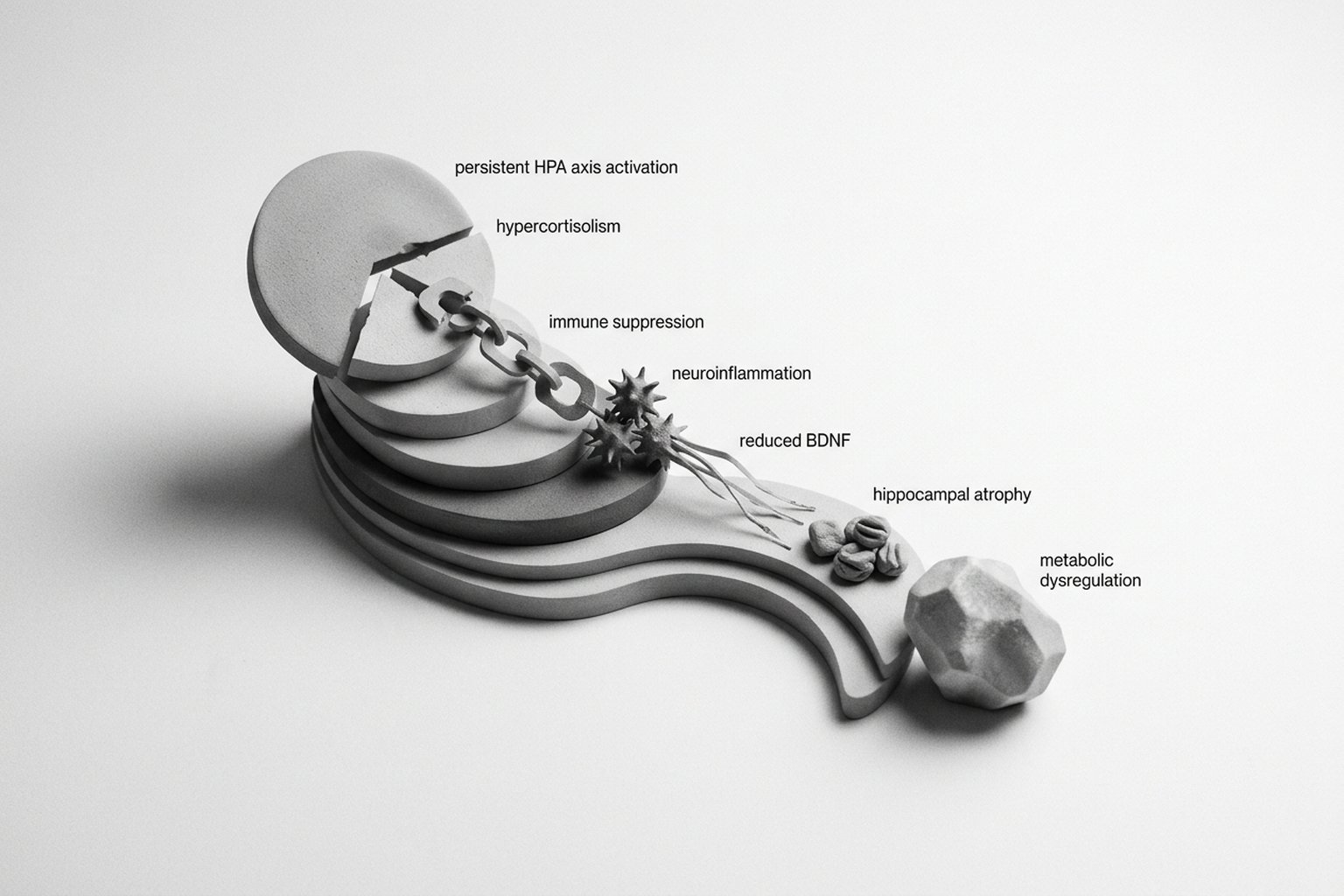
09Chronic Stress: The Real Impact on the Body — and How to Reduce It
How prolonged stress affects body and mind — its physiologic mechanisms, health consequences, and evidence-based management strategies.
14 min
10Chronic Fatigue: Recognize, Diagnose, and Treat
Understand myalgic encephalomyelitis / chronic fatigue syndrome (ME/CFS) — a complex neuroimmunological condition, its mechanisms, diagnosis, and therapeutic approaches.
15 min
11Primary Insomnia: Why You Cannot Sleep — and How to Treat It
Understand chronic insomnia — the most prevalent sleep disorder, its neurobiologic mechanisms, diagnosis, and evidence-based treatments.
14 min
12PTSD: Trauma, Symptoms, and Current Treatment
Understand PTSD — a condition that can develop after exposure to traumatic events, its neurobiological mechanisms, diagnosis, and evidence-based treatments.
16 min
13Tic Disorders: Symptoms, Causes, and Treatment
Understand tic disorders — from transient childhood tics to Tourette syndrome, their neurobiological mechanisms, and evidence-based treatments.
16 min
14Premenstrual Dysphoric Disorder: Diagnosis and Management
Understand PMDD — a serious neuroendocrine condition that goes far beyond PMS, its mechanisms, diagnosis, and evidence-based treatments.
15 min
15Somatic Symptom Disorders: Clinical Assessment and Management
Understand somatic symptom disorders — when emotional suffering manifests in the body, their neurobiological mechanisms, and evidence-based treatments.
16 min