What Is In Vitro Fertilization?
In vitro fertilization (IVF) is the most complex assisted reproduction technique, in which oocytes (eggs) are retrieved from the ovaries after controlled hormonal stimulation and fertilized with sperm in the laboratory. The resulting embryos are cultured for 3 to 5 days and transferred to the uterus.
Since the birth of Louise Brown in 1978, more than 10 million babies have been born through IVF globally. The technique has evolved significantly with advances such as intracytoplasmic sperm injection (ICSI), preimplantation genetic testing (PGT), and embryo vitrification.
Despite technological advances, IVF remains a physically and emotionally demanding process. Success rate per cycle ranges from 25-50% depending on the woman's age, and many couples need multiple cycles. Comprehensive support — physical, emotional, and complementary — can improve the experience and potentially the outcomes.
Complex Process
IVF involves ovarian stimulation, oocyte retrieval, laboratory fertilization, and embryo transfer, with intensive monitoring.
Variable Success Rate
Live birth rate per cycle ranges from 40-50% in women under 35 to 5-10% over age 42.
Emotional Impact
Anxiety, stress, and depression are common during treatment. Psychological support and complementary therapies may help.
Physiology of Assisted Reproduction
In natural reproduction, a single dominant follicle develops each cycle, releasing one oocyte. In IVF, controlled ovarian stimulation with gonadotropins (recombinant or urinary FSH) aims for the development of multiple follicles simultaneously, increasing the number of available oocytes.
IVF success depends on factors such as oocyte quality (determined mainly by age), sperm quality, embryonic competence, and endometrial receptivity — the capacity of the endometrium to accept and nurture the embryo during the implantation window (cycle days 20-24).
Endometrial receptivity involves a complex orchestra of hormones (progesterone, estrogen), cytokines, growth factors, and immunologic changes that create a permissive environment for implantation. Disruptions in this process — such as endometriosis, hydrosalpinx, or chronic endometritis — can compromise implantation despite good-quality embryos.

Dysmenorrhea & pelvic pain: T10–L1 and S2–S4 segmental neuromodulation
Uterine autonomic pathways share spinal segments with tibial and sacral points, helping lower prostaglandin spasm across cycles.

1. Uterine autonomic balance
Quiets thoracolumbar sympathetic (T10–L1) overdrive linked to myometrial vasoconstriction and cramping.
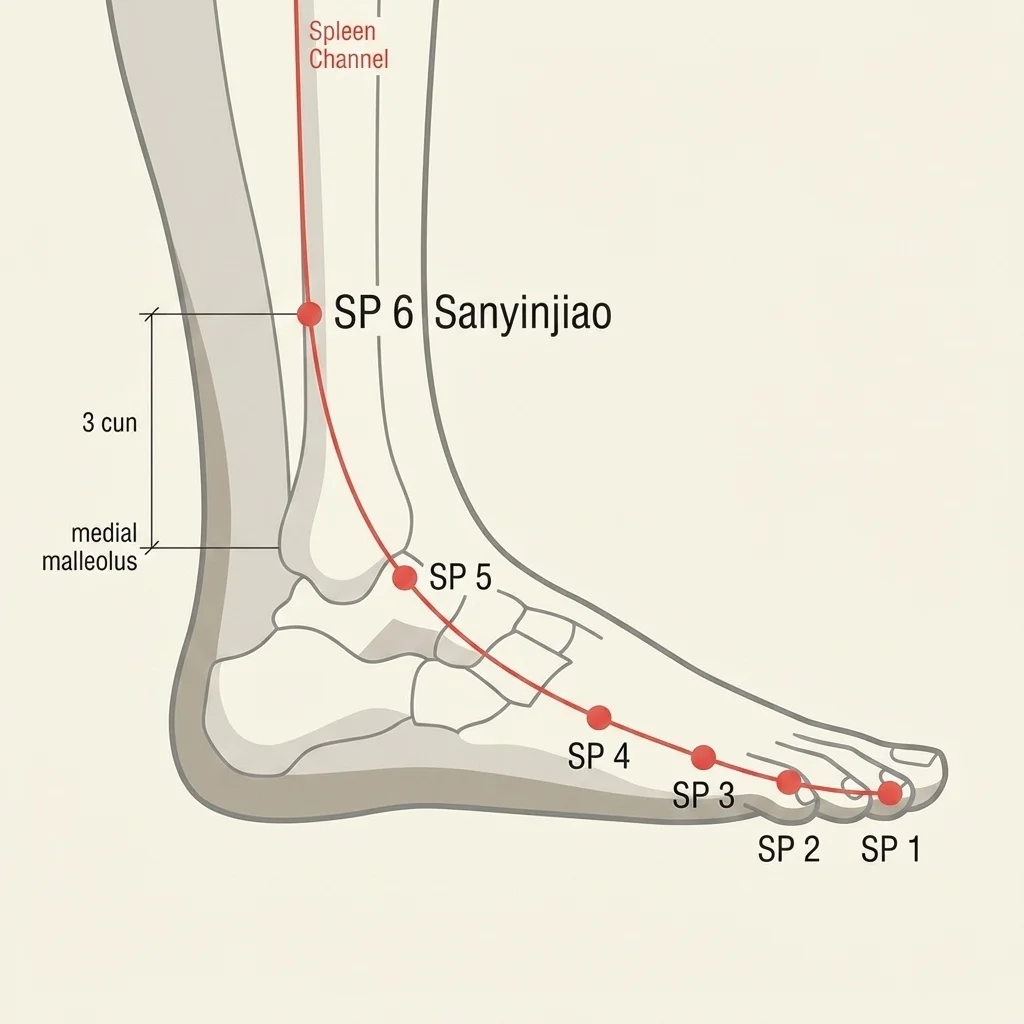
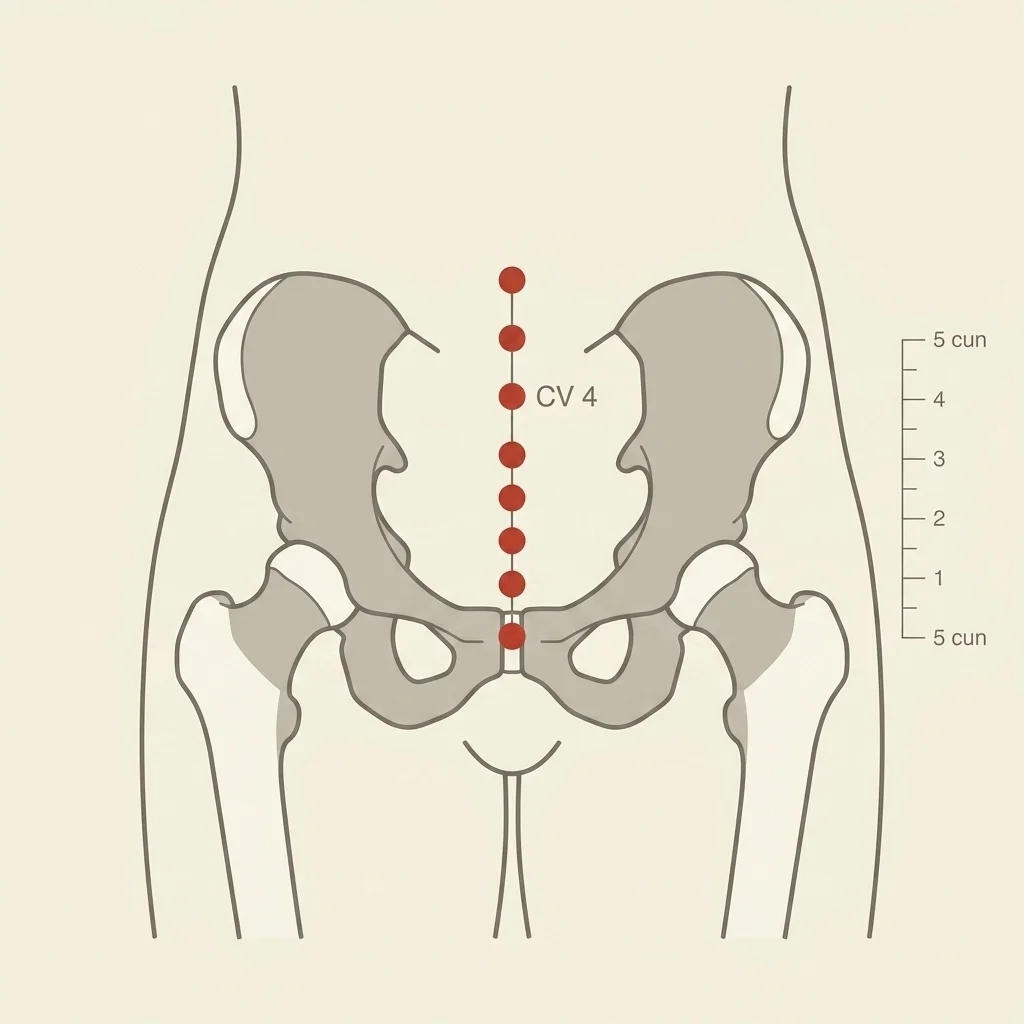
2. SP6, BL32 & CV4 convergence
Sacral (S2–S4) inputs lower local PGF2α and ease deep pelvic pain in dysmenorrhea and endometriosis.
3. Cumulative 3-cycle gain
Timed sessions across consecutive menstrual cycles lower pain scores and rescue NSAID consumption.
Challenges and Side Effects
The IVF process imposes significant physical and emotional demands. Ovarian stimulation causes side effects related to hyperestrogenism and ovarian enlargement, while the emotional burden of treatment can be overwhelming.
Physical and Emotional Challenges of IVF
Abdominal discomfort
Distension and pelvic pain from bilateral ovarian enlargement during stimulation. Can be significant in the final days before retrieval.
Mood changes
Hormonal fluctuations during stimulation cause emotional lability, irritability, and anxiety.
Anxiety and stress
Outcome uncertainty, financial investment, and daily injections drive high chronic stress.
Ovarian hyperstimulation syndrome
Potentially severe complication with excessive ovarian enlargement, ascites, and risk of thrombosis. Mild forms occur in 20-30% of cycles.
Fatigue
Results from hormonal stimulation, emotional stress, and often the logistical burden of treatment.
Grief over unsuccessful cycles
A failed cycle can cause a significant grief reaction, with feelings of loss, frustration, and questioning.
Indications and Evaluation
IVF is indicated when other lower-complexity assisted reproduction techniques have failed or when the cause of infertility directly requires this approach. Pré-IVF evaluation includes a complete analysis of both partners.
Main Indications for IVF
- Tuboperitoneal factor: bilateral tubal obstruction, extensive pelvic adhesions
- Severe male factor: severe oligoasthenoteratozoospermia (ICSI indication)
- Moderate to severe endometriosis after failure of previous treatments
- Unexplained infertility after failure of intrauterine insemination
- Need for preimplantation genetic testing (PGT)
- Fertility preservation (vitrification of oocytes or embryos)
Electroacupuncture frequency: why 2 Hz, 100 Hz, and 2/100 Hz act differently
Pulsed stimulation frequency selects which endogenous opioid peptides are released across spinal and supraspinal pain circuits.
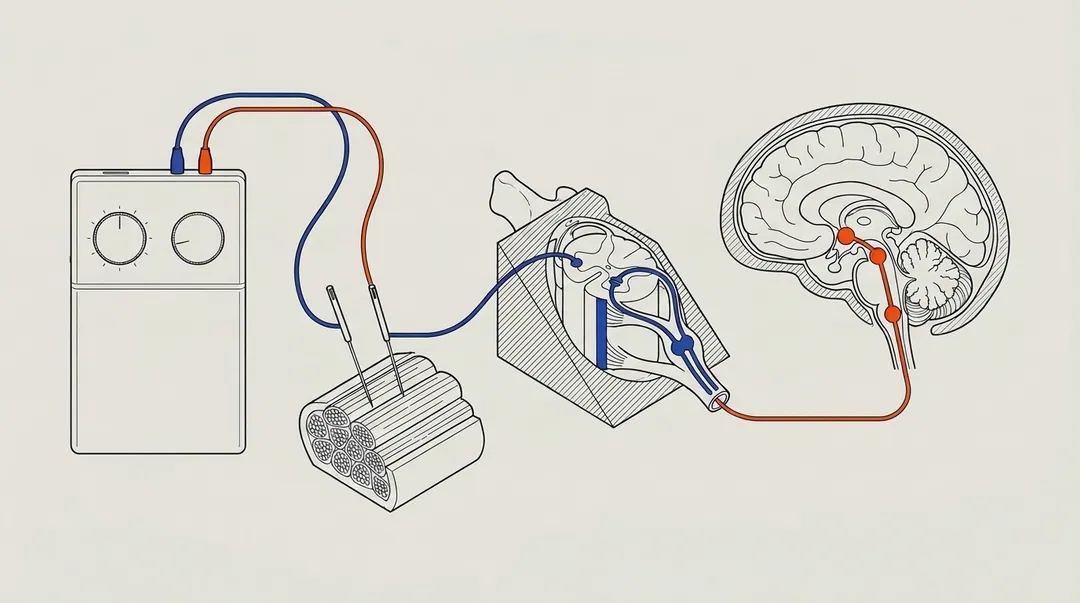
1. Low frequency (2 Hz)
Releases β-endorphin and enkephalin at μ/δ receptors for gradual, sustained carryover relief.
2. High frequency (100 Hz)
Recruits spinal dynorphin at κ receptors for fast segmental braking during acute flares.
3. Dense-disperse (2/100 Hz)
Alternates frequencies every 3 seconds to engage both cascades while minimizing neural adaptation.
Differential Diagnosis
Recurrent Implantation Failure
- Two or more IVF failures with good-quality embryos
- Absence of identified uteroplacental cause
- Negative immunologic and genetic investigation
- Multiple failures — indication for expanded investigation
Possible improvement in endometrial microcirculation as adjuvant, with limited evidence
Luteal Insufficiency
- Insufficient progesterone in the luteal phase
- Early bleeding before 14 days after ovulation
- Implantation failures in stimulated cycles
Possible luteal-phase regulation through neuroendocrine modulation, with limited evidence
Reduced Endometrial Receptivity
- Thin endometrium (under 7mm) or inadequate pattern
- History of curettage or infections
- Absence of synchronized implantation window
Improved subendometrial blood flow and endometrial proliferation through local estrogenic regulation
Immunologic Alterations
- Positive antiphospholipid antibodies
- Antiphospholipid antibody syndrome
- Increased uterine NK cells
- Associated thromboembolism
Possible modulation of the uterine immune response, a hypothesis still based on experimental studies
Embryonic Genetic Factors
- Repeated failures with morphologically normal embryos
- Early recurrent miscarriages
- Couples with increased genetic risk
Does not alter genetic factors; may improve immunologic environment and reduce IVF-cycle stress
Recurrent Implantation Failure
Recurrent implantation failure (RIF) is defined as absence of clinical pregnancy after 2 or more transfers of good-quality embryos. It occurs in 10-15% of IVF cycles and represents one of reproductive medicine's greatest challenges. Causes are multifactorial: embryonic (genetic), uterine (endometrium, fibroids, synechiae), and immunologic.
Acupuncture has been investigated specifically for RIF for its ability to improve endometrial microcirculation, modulate the uterine immune response, and reduce stress — all factors relevant to implantation. Studies suggest that acupuncture sessions on embryo transfer days may increase implantation rates in some patient subgroups.
Reduced Endometrial Receptivity
An adequate endometrium for implantation should show a thickness above 7-8mm with a trilaminar pattern on ultrasound. Thin endometria (under 7mm) or those without a trilaminar pattern are associated with lower implantation rates. Causes include estrogenic insufficiency, intraoperative synechiae, adenomyosis, and reduced subendometrial microcirculation.
Medical acupuncture may help improve endometrial receptivity by increasing subendometrial blood flow (shown by Doppler in clinical studies) and is associated with possible stimulation of endometrial proliferation in experimental studies. It is one of the most studied indications of acupuncture as IVF support.
Immunologic and Embryonic Genetic Factors
Immunologic factors — such as antiphospholipid syndrome, increased uterine NK cells, and Th1/Th2 imbalance — can prevent implantation even with genetically normal embryos. Experimental models and some clinical studies suggest that acupuncture may modulate the uterine immune response, but evidence for reproductive outcomes is limited and does not replace immunologic investigation and treatment when indicated by the reproductive team.
When failures are due to embryonic genetic factors (aneuploidy), preimplantation genetic testing (PGT-A) is the specific intervention. Acupuncture does not alter the embryo's genome. Although hypotheses exist that stress reduction and possible effects on the ovarian environment may influence oocyte quality, these mechanisms are preliminary and should not create expectations of altering genetically determined outcomes.
Treatment Stages
A typical IVF cycle lasts 2-3 weeks from the start of stimulation to embryo transfer. Each stage requires careful monitoring with serial ultrasonography and hormonal measurements.
Ovarian Stimulation (10-14 days)
Daily gonadotropin injections (FSH +/- LH) to develop multiple follicles. Monitoring with serial ultrasound and estradiol. GnRH agonist or antagonist to prevent premature ovulation.
Trigger and Oocyte Retrieval
hCG injection or GnRH agonist when follicles reach 17-18mm. Retrieval 34-36 hours later via ultrasound-guided transvaginal puncture under sedation.
Fertilization and Culture (3-5 days)
Conventional fertilization or ICSI. Embryo culture to blastocyst stage (D5). Possibility of biopsy for PGT. Vitrification of surplus embryos.
Embryo Transfer
Ultrasound-guided catheter transfer of 1-2 embryos into the uterus. Painless outpatient procedure. Current trend: single embryo transfer to reduce risk of multiple gestation.
Acupuncture as IVF Support
Acupuncture as IVF support is one of the most researched topics in complementary reproductive medicine. The pioneering 2002 Paulus et al. study suggested an increase in pregnancy rates with acupuncture on the day of embryo transfer, generating significant scientific and clinical interest.
Proposed mechanisms include: improvement of uterine blood flow by sympathetic modulation (reduction of the pulsatility index of the uterine arteries), reduction of stress and anxiety by release of beta-endorphins, modulation of the hypothalamic-pituitary-ovarian axis, and possible anti-inflammatory effect on the endometrium.
Subsequent meta-analyses show variable results. Some indicate a modest increase in clinical pregnancy rates (OR 1.3-1.6), while others find no significant benefit. Protocol heterogeneity (timing, frequency, points used) makes definitive conclusions difficult. Evidence is more consistent for benefit in stress reduction and improved quality of life during treatment.
Prognosis
The prognosis of IVF depends mainly on the woman's age and the ovarian reserve. Oocyte quality decreases progressively with age and is the main determinant of success. After age 42, many centers recommend considering oocyte donation.
The cumulative live birth rate (including transfers of cryopreserved embryos from the same cycle) can reach 65-70% in young women after 2-3 cycles. Most couples who persist with treatment achieve pregnancy.
The current trend of transferring a single embryo significantly reduced multiple-gestation rates (and their complications) without compromising the cumulative success rate, thanks to the efficiency of embryo vitrification.
Myths and Facts
Myth vs. Fact
IVF always works on the first attempt
Success rate per cycle ranges from 25-50%, depending on age. Many couples need 2-3 cycles. The cumulative rate is much higher than any single cycle.
Absolute rest after transfer improves the result
Studies show that prolonged bed rest does not improve implantation rates. Light, normal activity is safe and recommended. Excessive rest may increase anxiety.
IVF depletes eggs and brings forward menopause
Ovarian stimulation recruits follicles that would naturally be lost in that cycle (atresia). It does not "steal" eggs from future cycles or bring forward menopause.
Stress prevents pregnancy in IVF
Although stress affects quality of life, studies do not consistently demonstrate that common levels of stress reduce IVF success rates. Managing stress is important for well-being, not to "blame" the patient for the outcome.
When to Seek Help
If you are undergoing IVF or considering it, comprehensive support can improve your experience. Seek resources that meet your physical and emotional needs throughout the process.
Frequently Asked Questions
Medical acupuncture may support IVF at multiple points: it possibly improves endometrial microcirculation, may modulate the uterine immune response (possibly favoring embryo tolerance), reduces cycle stress, and may contribute to long-term oocyte quality. The acupuncture physician can align the protocol with the assisted reproduction clinic's schedule.
Evidence is controversial and studies show mixed results. The 2002 Paulus et al. study suggested a significant increase in pregnancy rates with acupuncture on transfer day, but later reviews with more trials showed less consistent results. Acupuncture appears more useful for stress reduction and endometrial improvement than as an intervention to directly raise rates.
The most studied protocol involves sessions on embryo transfer days (before and after transfer). Some specialists recommend starting 1 to 3 months before the cycle to optimize oocyte quality and uterine environment. The acupuncture physician should coordinate the protocol with the reproductive clinic team.
Available literature describes no relevant pharmacologic interactions between acupuncture and IVF protocol medications (gonadotropins, GnRH agonists/antagonists, progesterone). Acupuncture is generally considered safe as a complement to the assisted reproduction pharmacologic protocol, but the acupuncture physician should be informed of all medications in use and coordinate the plan with the reproductive clinic team.
Some small Doppler studies suggest increased subendometrial blood flow with acupuncture, but it has not been established that this improves endometrial thickness or pattern. Thin endometria (under 7mm) are associated with lower implantation rates, and acupuncture is being investigated as a complementary intervention for this specific problem.
This is one of the most interesting indications. Acupuncture may act on endometrial receptivity, immunologic modulation (uterine NK cells, Th1/Th2 balance), and chronic stress associated with multiple failures. Although specific evidence is limited, the safety profile and biological plausibility justify its use as adjuvant in RIF investigation.
This has not been demonstrated. Stress affects quality of life, but studies do not consistently show that common levels of stress reduce IVF success rates. Acupuncture may help reduce anxiety during the cycle, with possible HPA axis effects, but there is no guarantee of benefit for reproductive outcomes.
The minimum protocol studied involves 2 sessions on embryo transfer day. More comprehensive protocols include 8-12 sessions throughout the cycle (before and after ovarian stimulation, on oocyte retrieval day, and on transfer day). Frequency depends on the specific treatment objectives.
Yes, when performed by an acupuncture physician familiar with IVF protocols. Some uterine-stimulating points should be avoided or used with caution during early gestation. Communication between the acupuncture physician and the reproductive clinic team is essential to coordinate the protocol safely.
Look for an acupuncture physician (CRM) with experience in reproductive medicine. Ideally, the professional should be familiar with IVF protocols and able to coordinate the acupuncture schedule with the assisted reproduction clinic. Inform your reproductive team about acupuncture use.
Related Reading
Deepen your knowledge with related articles
Electroacupuncture frequency neuropeptide selector (2 Hz × 100 Hz × 2/100 Hz)
HAN JI-SHENG · TRENDS NEUROSCI 2003[2 + 3] Simultaneous Triple Opioid Synergy (μ, δ, and κ Receptors)
Prevents neural accommodation while co-releasing β-endorphin, enkephalin, and spinal dynorphin A.
What clinical trials tested for this condition — Fertility & IVF Support
Share among studies for this condition that reported specific acupoints.
- studies analyzed
- 40 studies analyzed
- RCTs
- 9 RCTs
- sham-controlled
- 22 sham-controlled
Co-prescribed pairs
- CV4 + SP614×
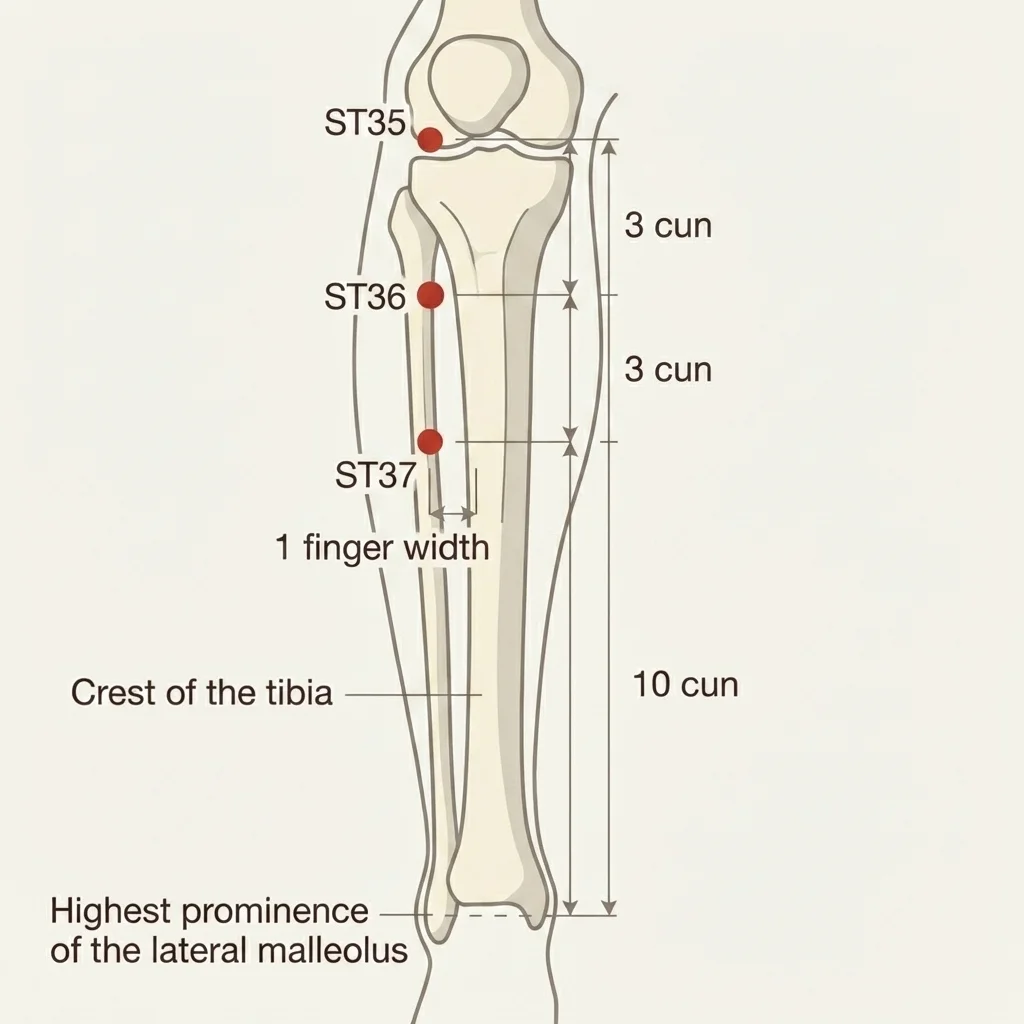
- SP6 + ST3611×
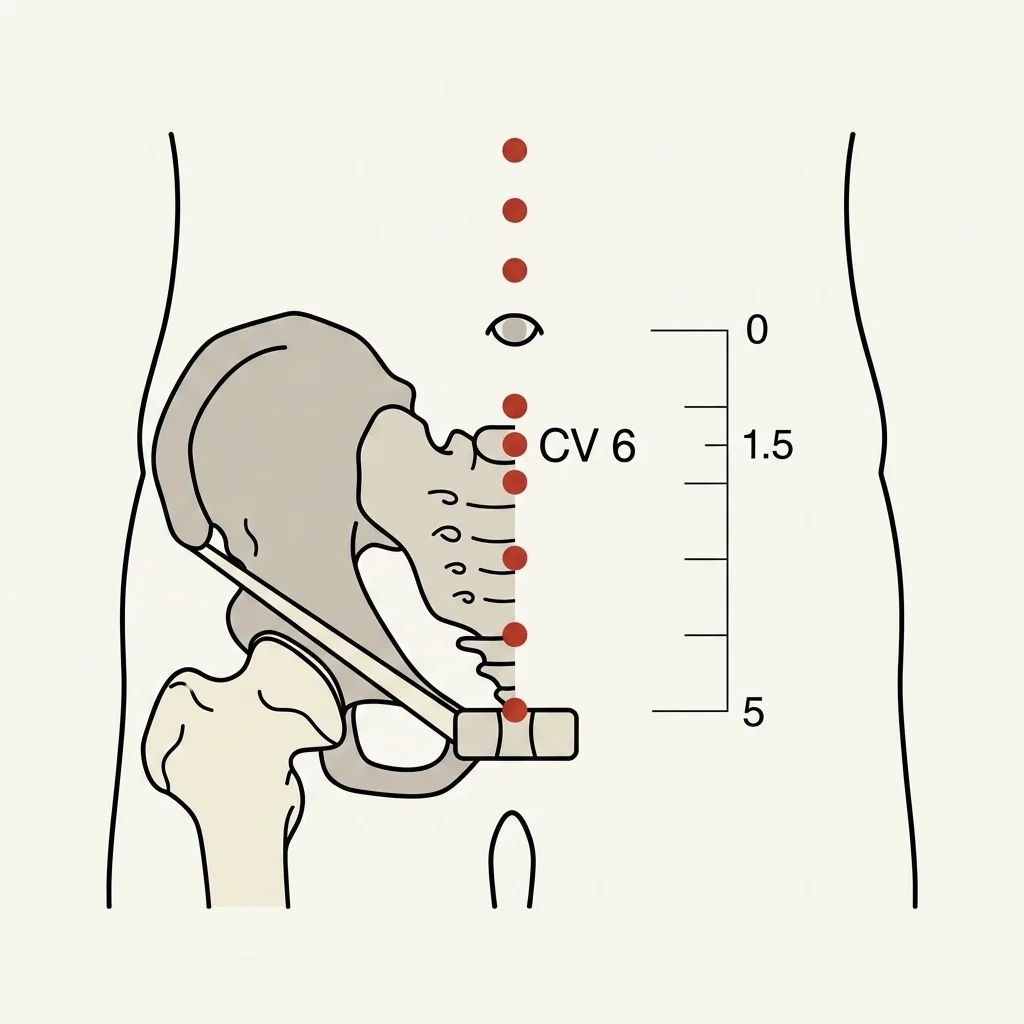
- CV6 + SP68×
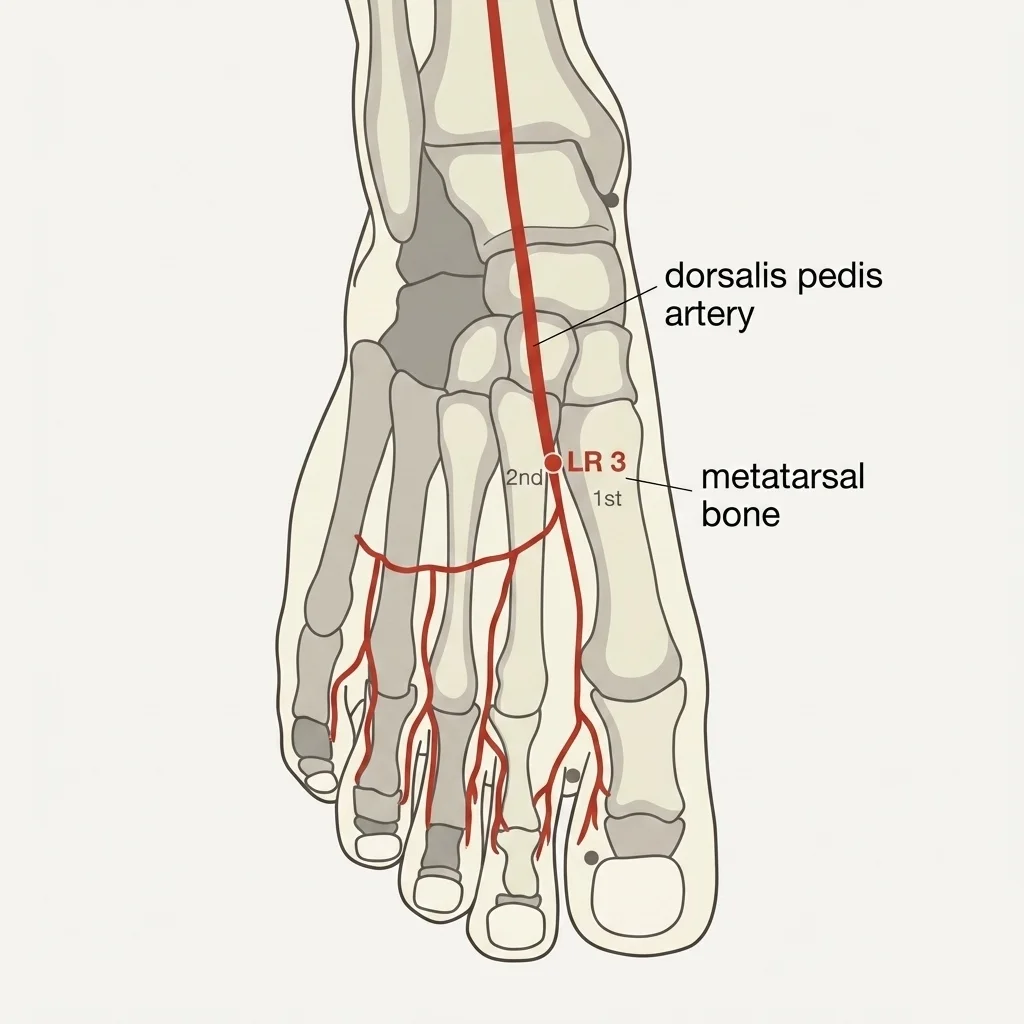
- LR3 + SP68×
Electroacupuncture (Hz)
Typical session window
3–9 sessions
Trial comparators
- vs Sham / Placebo
- 22 trials
- vs Medication
- 20 trials
- vs Rehab / Exercise
- 2 trials
- vs Usual Care
- 6 trials
Sample-size panorama for clinical domain — Fertility & IVF Support
Quantitative synthesis of indexed clinical trials across the Fertility & IVF Support domain (24 studies in our Scientific Library).
Head-to-head trial comparators tested against acupuncture
Select a comparator arm to highlight matching trials in the ledger below.Landmark clinical trials & meta-analyses
8/8- DOI01Randomized RCTJAMA · 2018N=848Effect of Acupuncture vs Sham Acupuncture on Live Births Among Women Undergoing In Vitro…
- DOI02Meta-AnalysisBMJ · 2008N=1,366Effects of acupuncture on rates of pregnancy and live birth among women undergoing in…
- DOI03Randomized RCTHuman Reproduction · 2009N=370A Randomized Double-Blind Comparison of Real and Placebo Acupuncture in IVF Treatment
- DOI04Meta-AnalysisJournal of Integrative Medicine · 2026N=1,506Acupuncture to ensure high-quality embryos in women undergoing in vitro fertilization: A…
- DOI05Network Meta-AnalysisMedicine · 2026N=1,195Acupuncture in patients with the poor ovarian response on IVF-ET: A systematic review and…
- DOI06Meta-AnalysisBMC Complementary and Alternative Medicine · 2019N=6,116The effects of acupuncture on pregnancy outcomes of in vitro fertilization: a systematic…
- DOI07Meta-AnalysisFertility and Sterility · 2013N=5,000Acupuncture help, harm, or placebo?
- DOI08Randomized RCTActa Obstetricia et Gynecologica Scandinavica · 2019N=848The effects of acupuncture on the secondary outcomes of anxiety and quality of life for…
Acupoint co-prescription synergy across published protocols
Arc stroke thickness reflects how many clinical trials co-prescribed each acupoint pair; node radius encodes overall point frequency.