PAIN PATTERNS AND REFERRED PAIN · 8 ARTICLES
Pain Patterns and Referred Pain
Understanding referred-pain patterns is essential for diagnosing and treating myofascial pain. Pain maps, differential diagnosis, and trigger-point localization techniques.
CEIMEC REVIEW · DR. MARCUS YU BIN PAI (CRM-SP 158074)
Featured article · 14 min
Head and Neck Pain: Map of Causes and Treatment
Why you have headache and neck tension — a complete map of muscular, neural, and articular origins
14 MIN · CEIMEC REVIEW
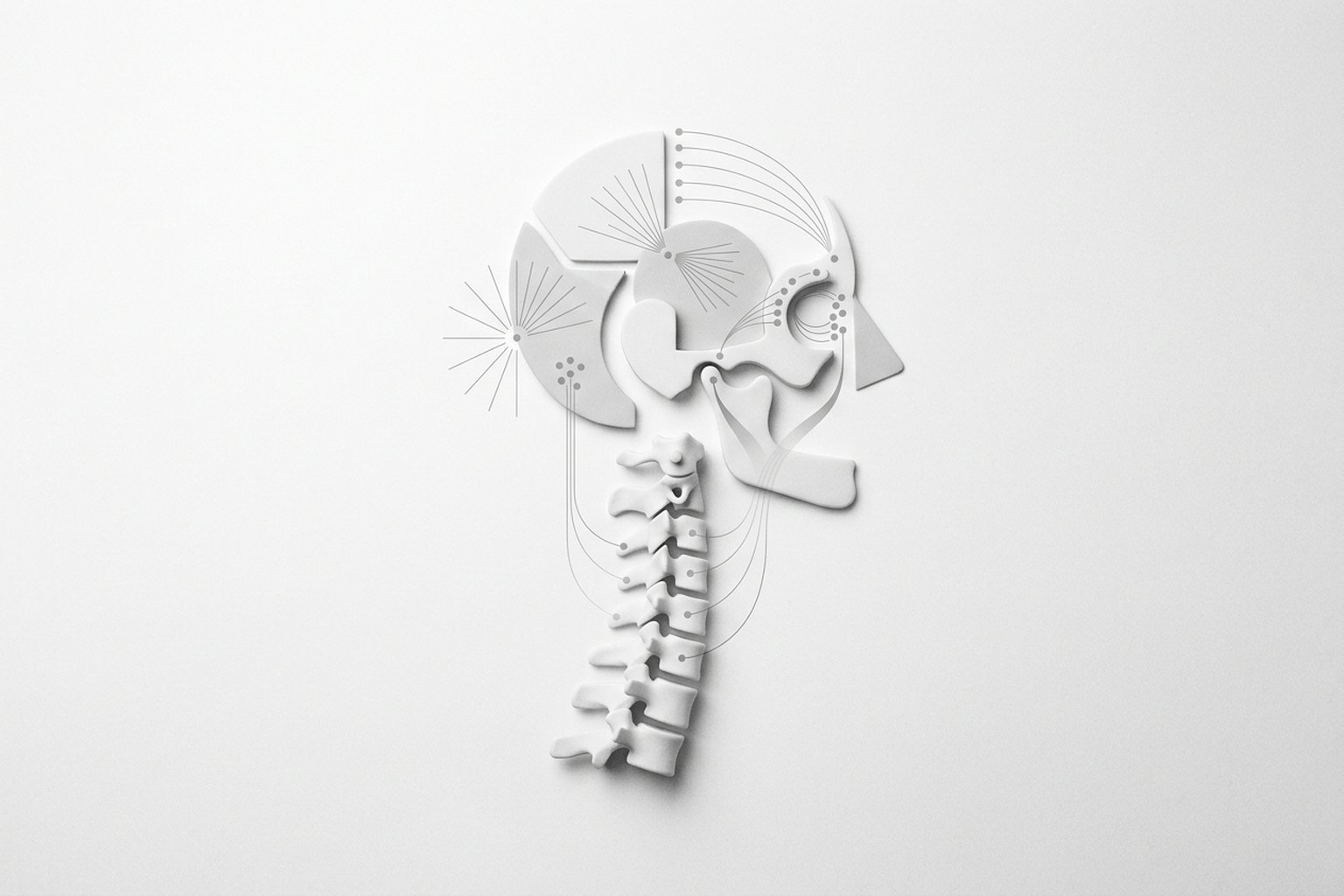
Cervicothoracic myofascial arc: upper trapezius, suboccipitals, and levator scapulae
Sustained low-load contraction creates hypoxic taut bands whose referred pain patterns are reproduced directly during targeted physical palpation.
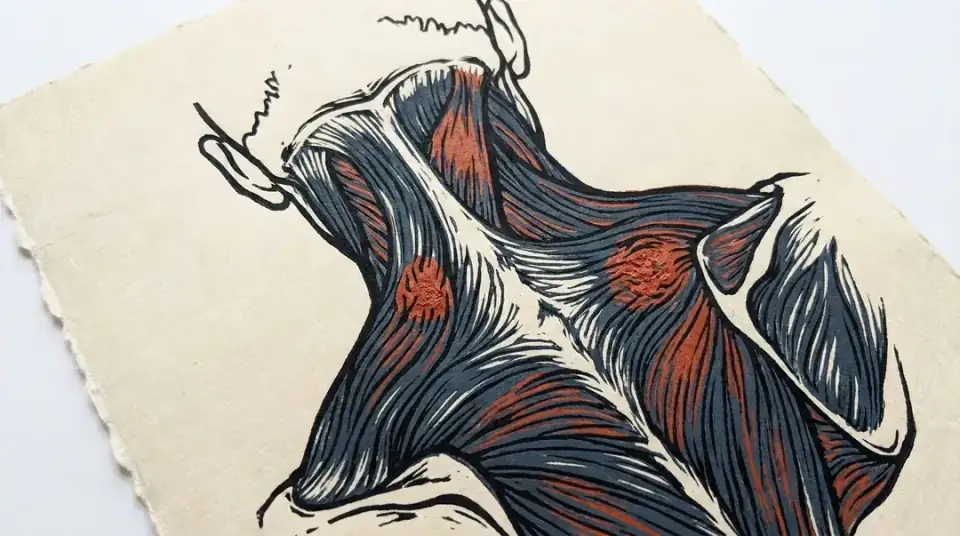
1. Upper trapezius band
Unsupported arms and elevated shoulders sustain fiber contraction and project aching pain into the temple.
2. Suboccipital triangle
Deep short extensors beneath the skull base that stabilize gaze and drive heavy occipital pressure.
3. Scapular angle & rhomboids
Targeted trigger-point needling releases mechanical rotation locks and lowers reliance on oral analgesics.
Full archive · Pain Patterns and Referred Pain
7 articles02
Generalized Chronic Pain: Fibromyalgia and Sensitization
When pain is throughout the body — central mechanisms, fibromyalgia, sensitization syndrome, and a multimodal approach
15 min
03Knee Pain: Causes, Diagnosis, and Treatment
Anterior, medial, lateral, and posterior knee pain: a map of causes and treatment with acupuncture
14 min
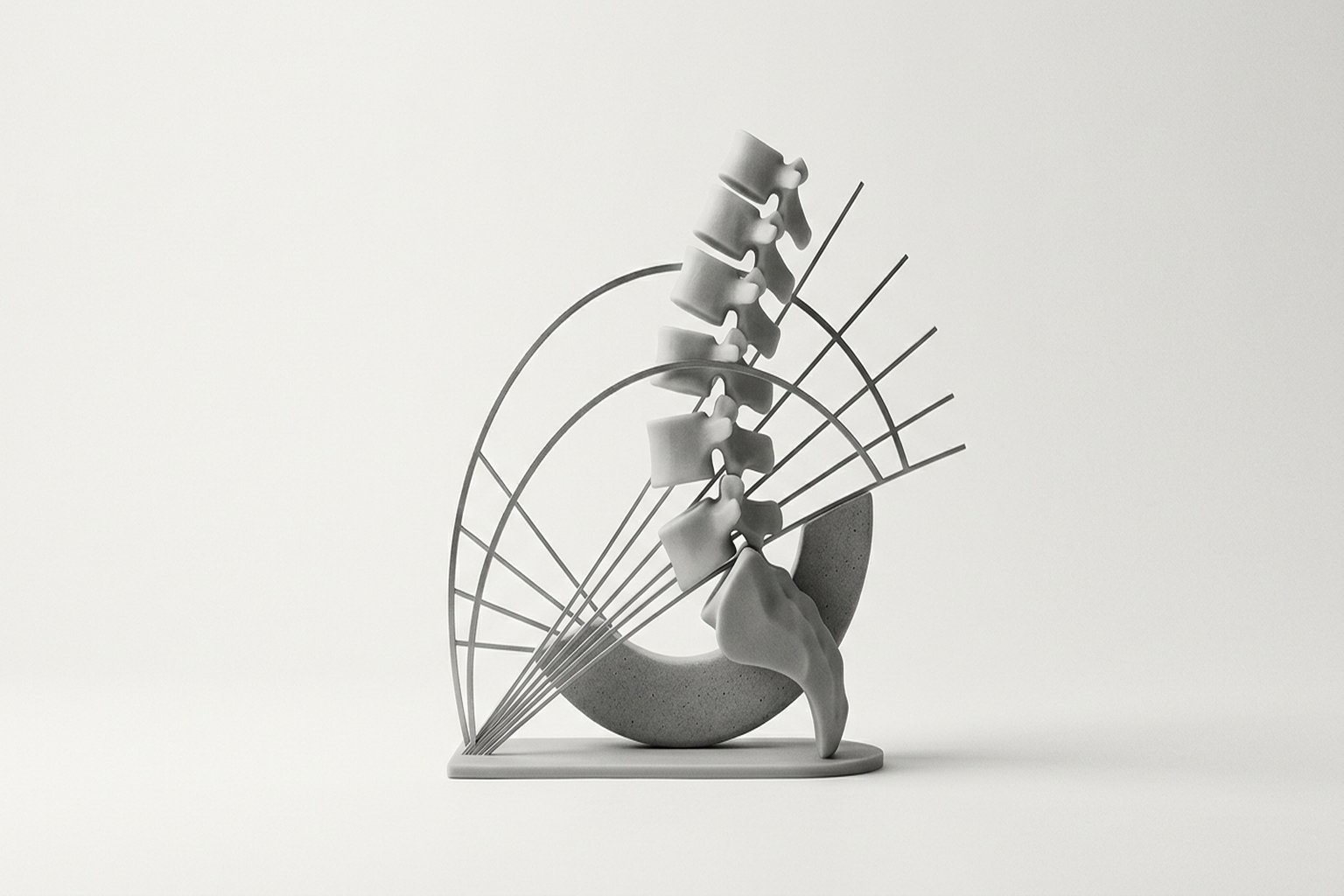
04Lumbar and Gluteal Pain: Complete Map of Causes
Why the lower back and buttocks hurt together — muscular, discal, articular, and neural structures
14 min
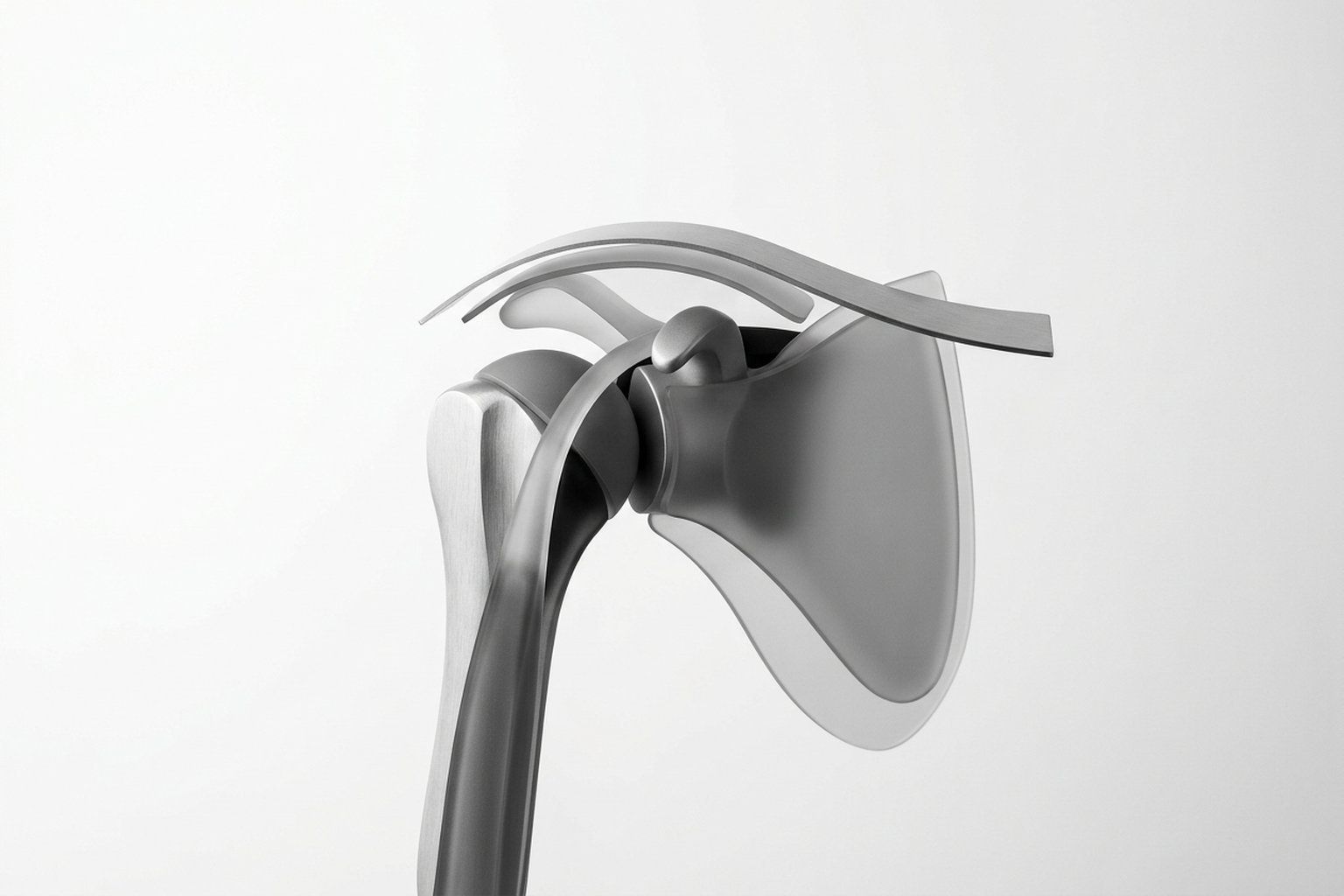
05Shoulder and Arm Pain: Map of Origins and Diagnosis
Shoulder pain that goes down the arm: how to identify the origin — rotator cuff, cervical spine, bursitis, or musculature
13 min
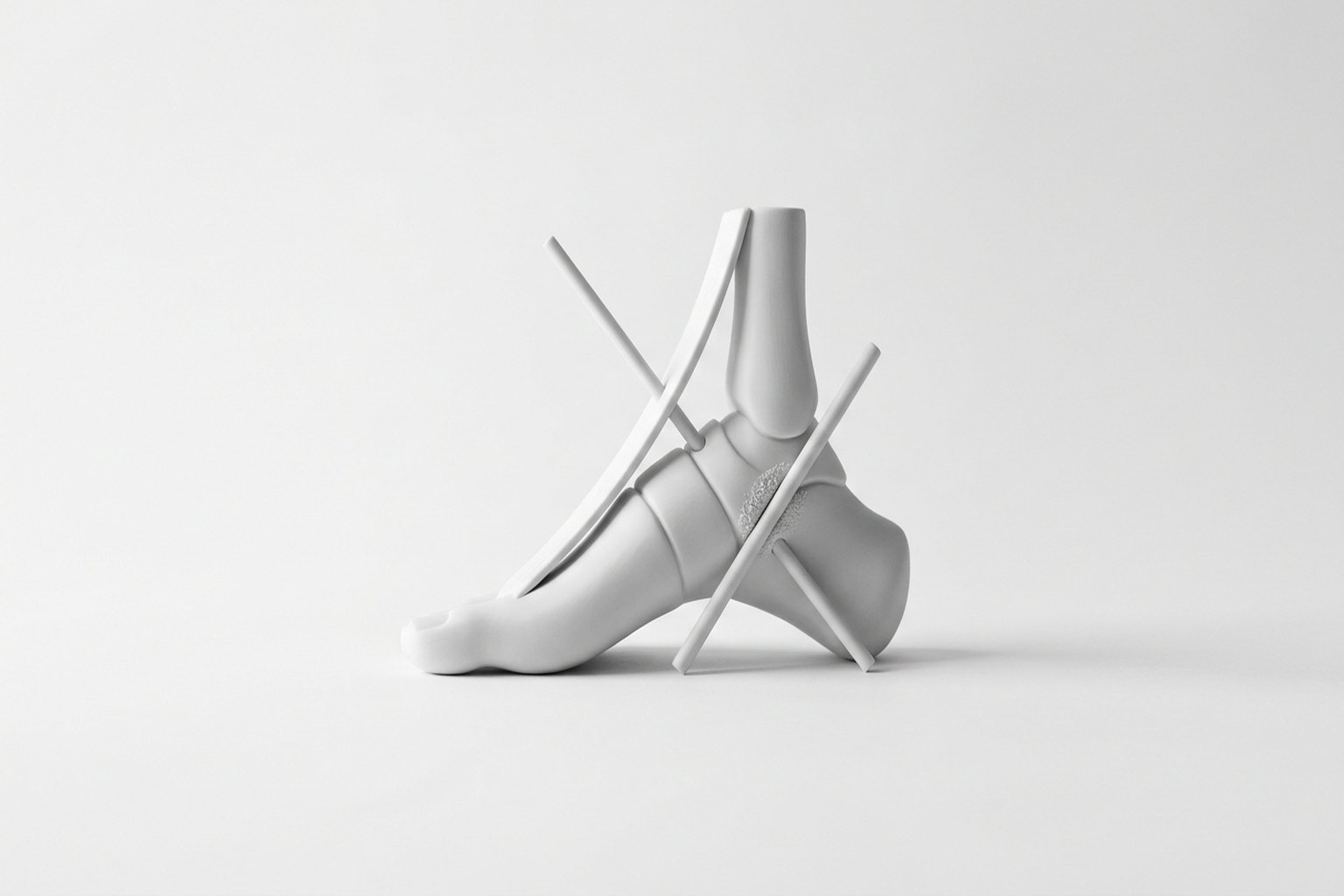
06Foot and Ankle Pain: Diagnostic Guide
Plantar fasciitis, neuropathies, tendinopathies, and sprains — complete map of foot pain causes
12 min
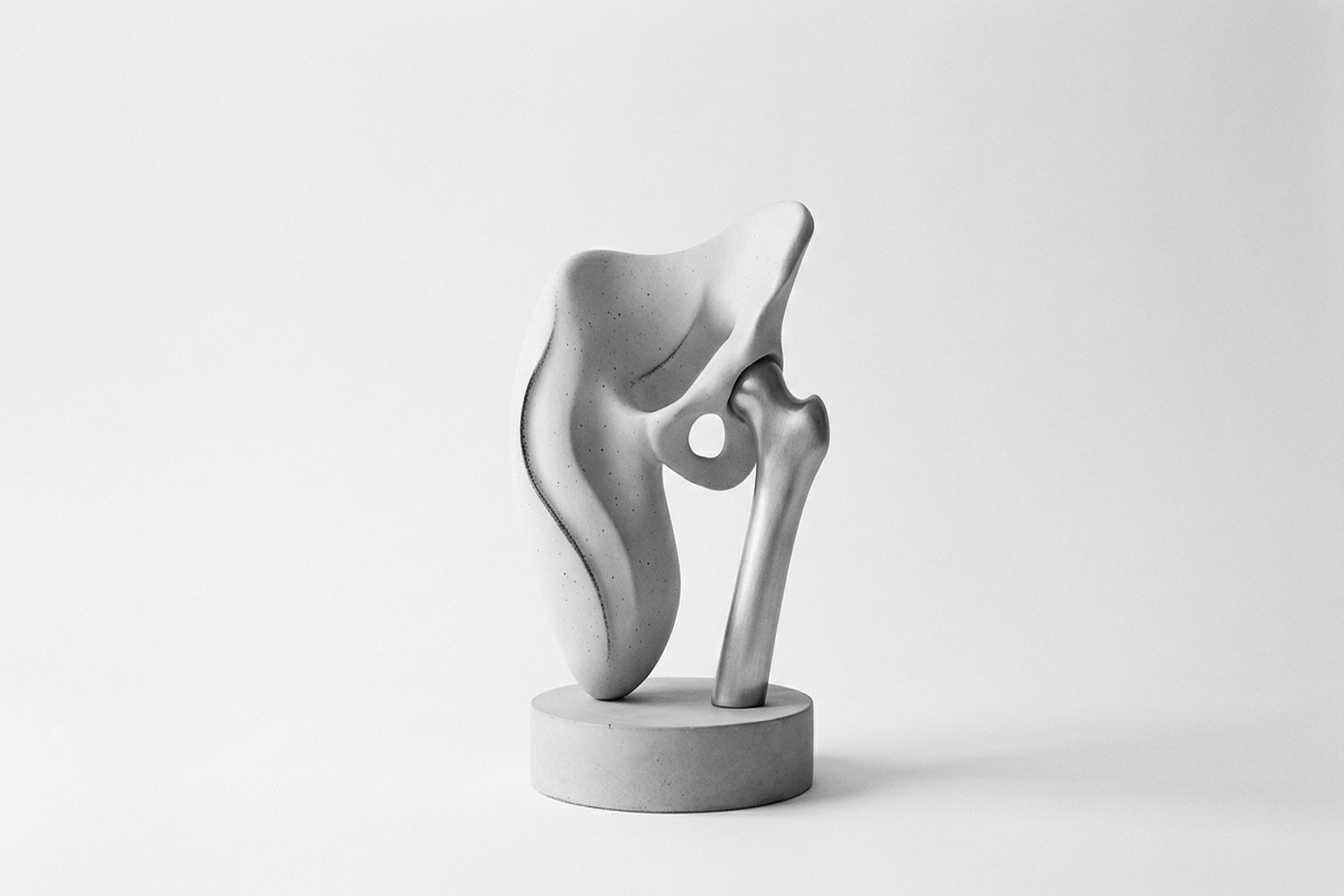
07Hip and Thigh Pain: Diagnosis by Location
Lateral, anterior, posterior, and inguinal hip pain — how each location points to a different structure
12 min
08Chest and Back Pain: From the Spine to the Heart
How to distinguish musculoskeletal pain from cardiac, pleural, and visceral causes — a complete diagnostic guide
13 min