PAIN EDUCATION AND NEUROSCIENCE · 16 ARTICLES
Pain Education and Neuroscience
Understanding how pain works is the first step toward treating it. This section covers pain neuroscience, central sensitization, psychosocial factors, and modulation mechanisms.
CEIMEC REVIEW · ONGOING EDITORIAL CURATION
Featured article · 13 min
Acupuncture in Multimodal Pain Treatment
How medical acupuncture integrates with pharmacology, rehabilitation, and psychology to manage complex pain
13 MIN · CEIMEC REVIEW

Full archive · Pain Education and Neuroscience
15 articles02







Amitriptyline and Duloxetine in Chronic Pain: Synergy with Acupuncture
How antidepressants modulate pain through the descending serotonin-norepinephrine pathway, where they fall short, and why pairing them with electroacupuncture amplifies clinical results.
12 min read
03The Problem of Chronic NSAID Use in Pain
Gastrointestinal, renal, and cardiovascular risks of NSAIDs — and how medical acupuncture offers inflammatory modulation without the side effects of prolonged use.
13 min
04Pain Catastrophizing: Recognize and Overcome
What catastrophizing is, how it amplifies chronic pain, and cognitive strategies to reduce it
11 min
05Acute Pain versus Chronic Pain: Why Are They Different?
Understand the fundamental distinction between protective acute pain and chronic pain as a disease — and why treatments differ
11 min
06Emotions and Pain: How Psychology Modulates Chronic Pain
Anxiety, depression, trauma, and stress: why emotions amplify pain and what to do about it
13 min
07Sleep Ergonomics and Pillow Selection After Acupuncture
How sleep position perpetuates cervical trigger points, the biomechanics of the cervical spine during sleep, and practical guidance to maximize treatment results.
11 min
08Exercise after Dry Needling: Strength and Eccentric Loading
Why stretching and eccentric strengthening after trigger point needling are essential to prevent recurrence — evidence-based protocols.
12 min
09Fascia: Connective Tissue and How the Acupuncture Needle Acts on It
Anatomy of the myofascial fascia, viscoelastic properties, mechanotransduction, and how needling modifies the extracellular matrix — the science behind 'needle grasp.'
13 min
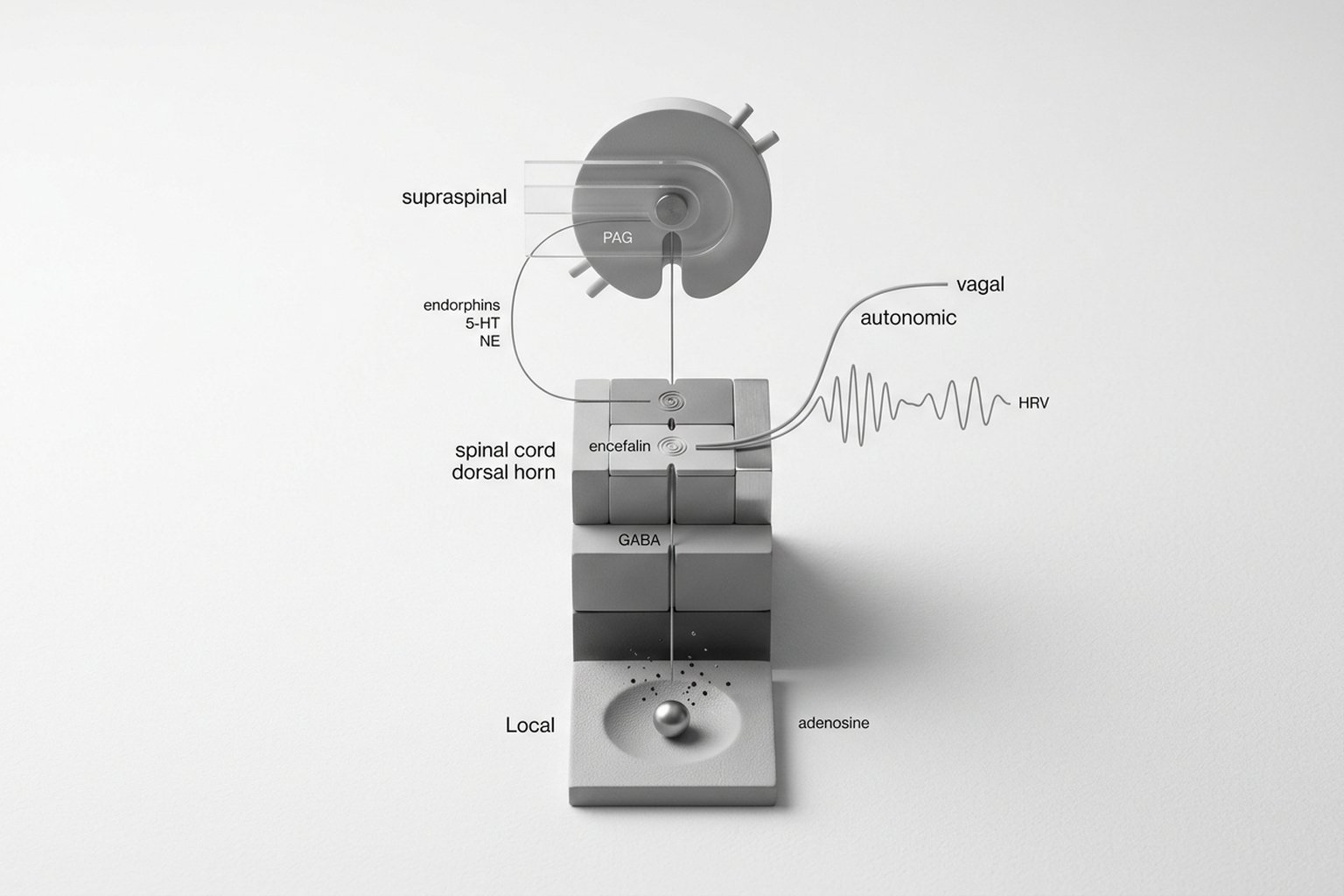
10How Acupuncture Works: Neurophysiologic Mechanisms
The science behind acupuncture: nociceptors, endogenous opioids, DPMS, inflammation, and neuroplasticity
14 min
11Movement and Pain: Why Moving Is Medicine
The science of movement in chronic pain: why avoiding movement worsens pain and how to safely return to activity
12 min
12Placebo and Nocebo Effects in Pain
How expectations, beliefs, and context amplify or relieve pain — the neuroscience of placebo and its clinical implications
11 min
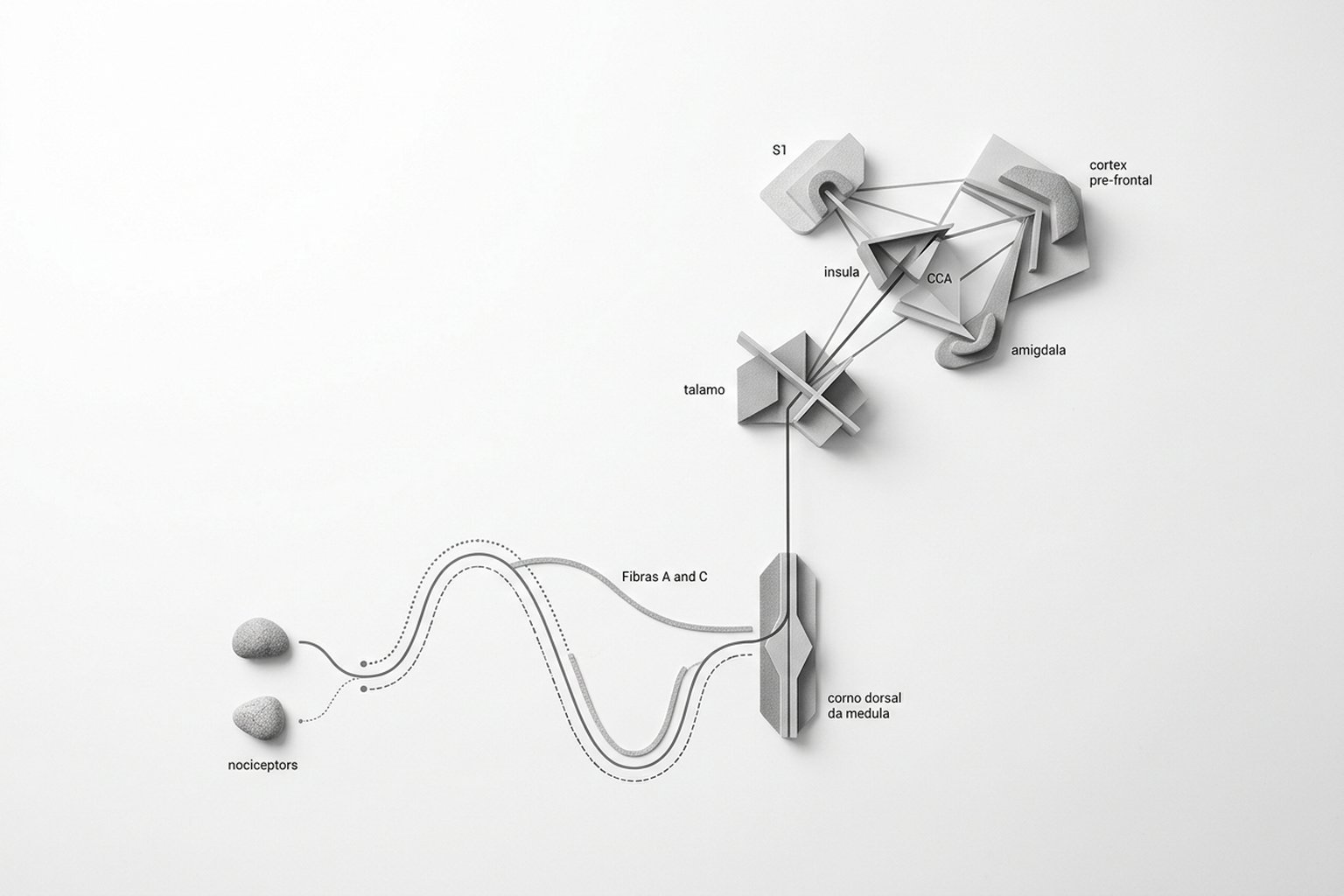
13What Is Pain? Neuroscience for Patients
How the brain processes pain: nociceptors, spinal cord, córtex, and why pain is always 'real'
12 min
14Why Muscle Relaxants Fail in Myofascial Pain
Cyclobenzaprine, tizanidine, and carisoprodol: mechanisms of action, limitations in trigger-point pain, and the role of electroacupuncture as an option without sedation — case-by-case clinical decision.
12 min
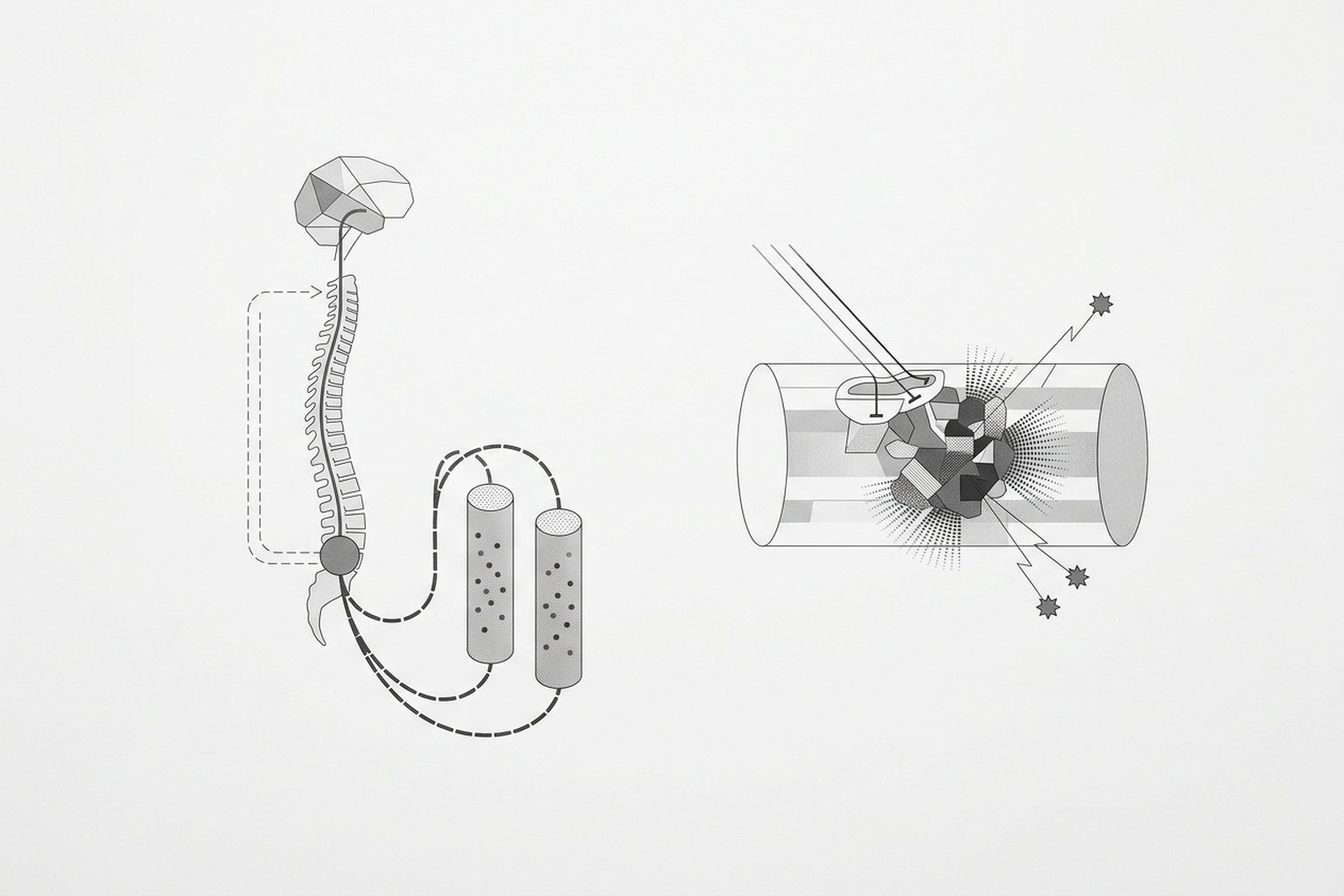
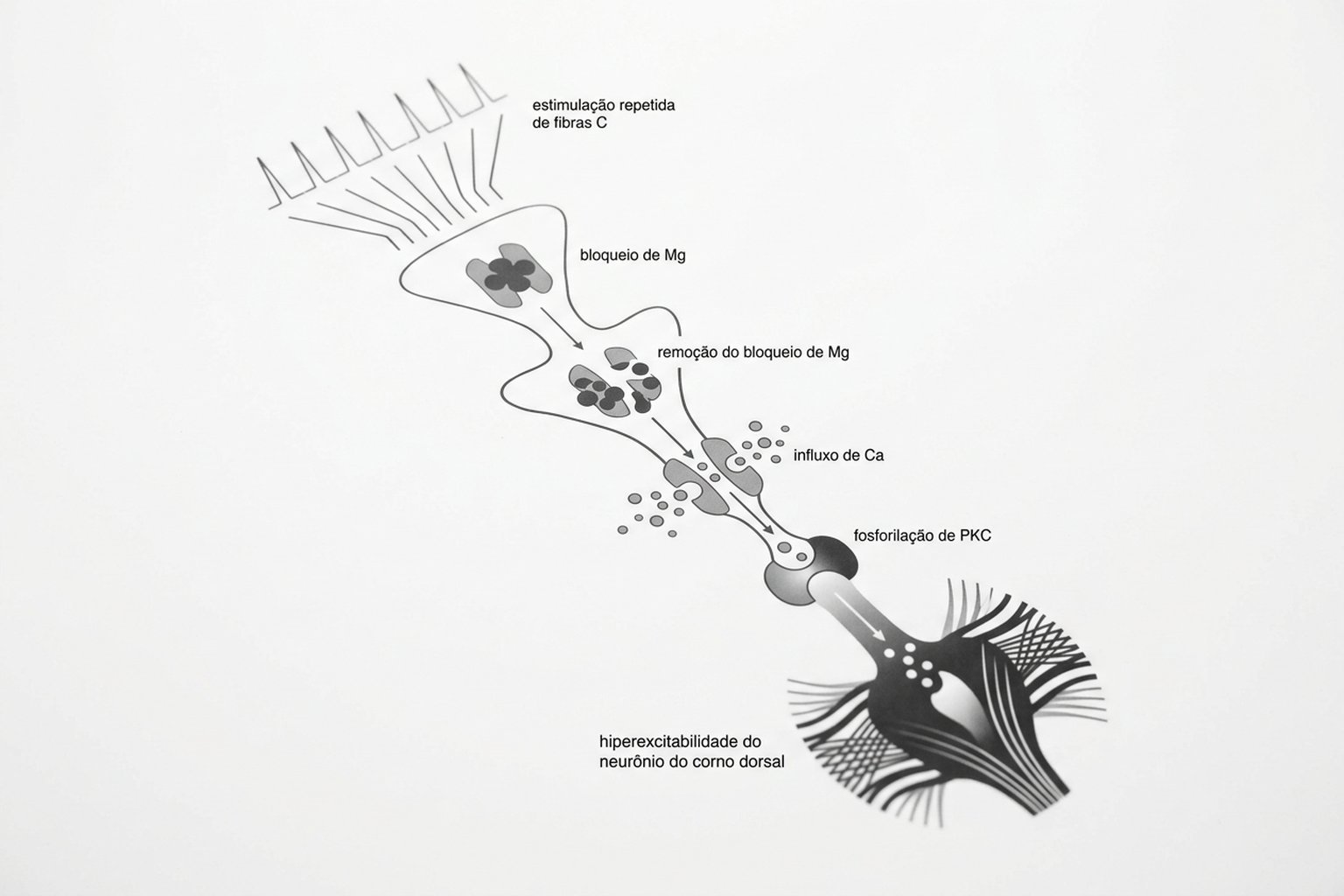
15Central Sensitization: When the Nervous System Amplifies Pain
How the central nervous system 'learns' to feel more pain — wind-up, allodynia, and the role of neuroplasticity
13 min
16Sleep and Pain: A Two-Way Relationship
How poor sleep amplifies pain and pain disrupts sleep — the vicious cycle and evidence-based strategies
12 min