What Is Stress Incontinence?
Stress urinary incontinence (SUI) is the involuntary loss of urine associated with activities that increase intra-abdominal pressure — such as coughing, sneezing, laughing, running, jumping, or lifting weights. It is the most common form of urinary incontinence in women, especially in reproductive age and perimenopause.
SUI occurs when intra-abdominal pressure transmitted to the bladder exceeds the closing capacity of the urethral sphincter mechanism. Main risk factors are vaginal delivery, menopause, obesity, pelvic surgery, and chronic cough. In men, the most common cause is radical prostatectomy.
It affects 10-35% of adult women and up to 50% of high-impact athletes. Despite the high prevalence, many women consider SUI normal and do not seek treatment. Pelvic floor physical therapy is highly effective as first-line treatment.
Support Mechanism
Continence depends on the anatomic support of the pelvic floor (endopelvic fascia and levator muscles) and on urethral mucosal coaptation.
Predictable Loss
Unlike urgency, SUI is predictable — it occurs only during activities that increase abdominal pressure. Volumes are generally small.
Highly Treatable
Pelvic floor physical therapy cures or significantly improves 50-70% of cases. Surgical procedures have success rates > 80%.
Pathophysiology
Urinary continence during effort depends on two mechanisms: urethral support (hammock theory) and intrinsic sphincter function. The pelvic floor — composed of the endopelvic fascia, pubourethral and uterosacral ligaments, and the levator ani muscles — provides a firm base against which the urethra is compressed during pressure increases.
Urethral hypermobility occurs when anatomic support is weakened, allowing the urethra to displace during effort. Without firm support, abdominal pressure is transmitted to the bladder but not to the proximal urethra, creating a gradient that allows leakage.
Intrinsic sphincter deficiency (ISD) involves direct damage to the urethral closure mechanism — sphincter muscle, mucosa, vascular submucosa. It is more severe than isolated hypermobility. Childbirth can cause pudendal neuropathy and direct damage to pelvic muscles. Postmenopausal estrogen deficiency reduces mucosal coaptation and suburethral vascularization.
Mechanisms of Stress Incontinence
| Mechanism | Pathophysiology | Risk Factors | Severity |
|---|---|---|---|
| Urethral hypermobility | Weakening of pelvic support | Vaginal delivery, menopause, obesity | Mild to moderate |
| Intrinsic sphincter deficiency | Damage to sphincter and urethral coaptation | Prior pelvic surgery, radiotherapy, neuropathy | Moderate to severe |
| Mixed | Combination of both | Multiple risk factors | Variable |
Dysmenorrhea & pelvic pain: T10–L1 and S2–S4 segmental neuromodulation
Uterine autonomic pathways share spinal segments with tibial and sacral points, helping lower prostaglandin spasm across cycles.

1. Uterine autonomic balance
Quiets thoracolumbar sympathetic (T10–L1) overdrive linked to myometrial vasoconstriction and cramping.
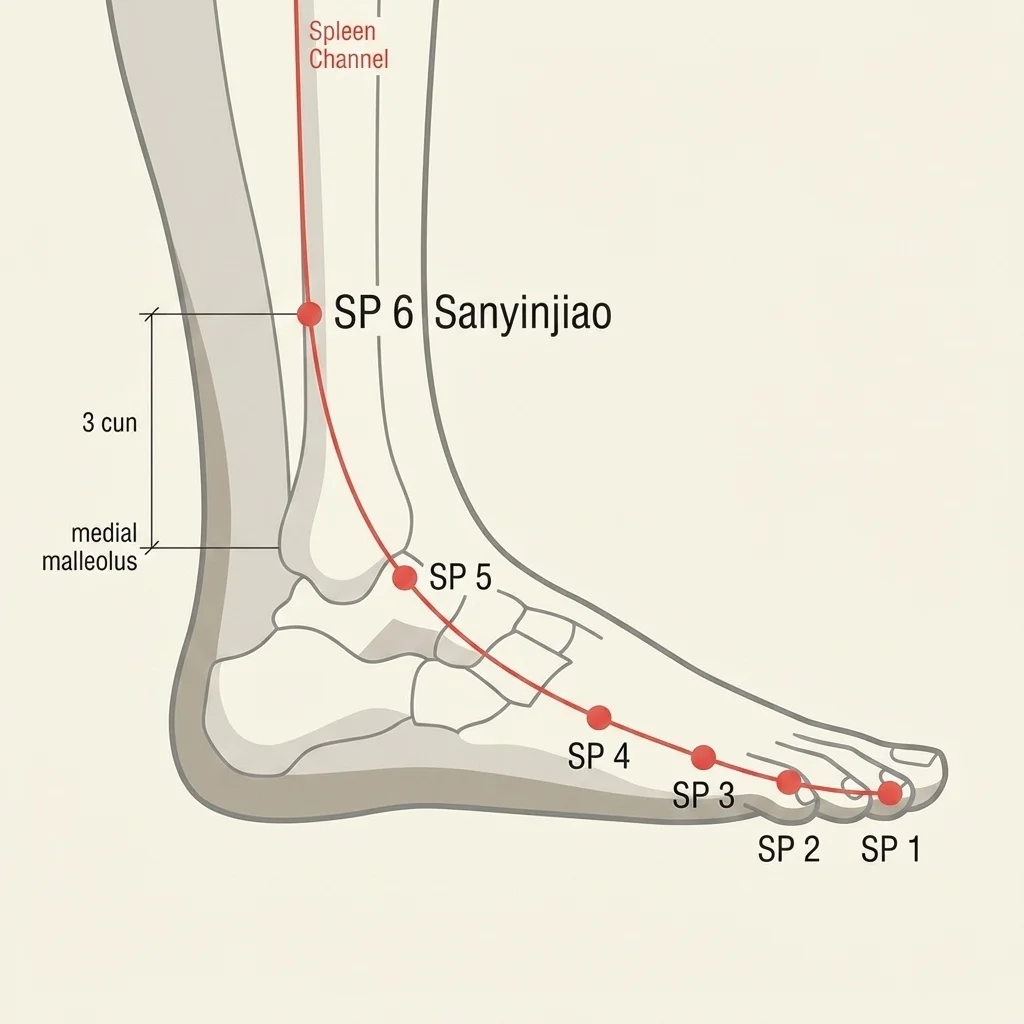
2. SP6, BL32 & CV4 convergence
Sacral (S2–S4) inputs lower local PGF2α and ease deep pelvic pain in dysmenorrhea and endometriosis.
3. Cumulative 3-cycle gain
Timed sessions across consecutive menstrual cycles lower pain scores and rescue NSAID consumption.
Symptoms
SUI is characterized by loss of urine during physical activities. The loss is immediate (without latency), generally of small volume, and proportional to the intensity of effort. There is no urgency preceding the loss.
Manifestations of Stress Incontinence
Loss with coughing, sneezing, or laughing
The most common triggers. Abrupt increases in intra-abdominal pressure overcome urethral resistance. Common during episodes of cold or allergy, when coughing is frequent.
Loss during high-impact exercise
Running, jumping, CrossFit, jump training, functional training. SUI is particularly prevalent in high-impact athletes and may cause patients to abandon physical activity.
Loss when lifting weights or straining
Carrying heavy objects, rising from a chair, squatting. Abdominal muscle contraction increases intravesical pressure beyond urethral closure capacity.
Loss with postural changes
Standing up from a seated position can cause leakage in more severe cases, indicating greater impairment of support or sphincter function.
No urgency or nocturia
Unlike urge incontinence, pure SUI does not present with urinary urgency or nocturia. These symptoms suggest a mixed component.
Avoidance of physical activities
Many women abandon exercise, sports, and social activities for fear of leakage. SUI is a common and underdiagnosed cause of sedentary behavior in women.
Diagnosis
Diagnosis of SUI is based on objective demonstration of leakage during effort maneuvers. The stress test is fundamental to confirm the diagnosis and differentiate it from urge incontinence.
Diagnostic Evaluation
Source: ICS, AUA, and FIGO
Clinical Evaluation
- History: activities that provoke leakage, volume, use of protection, functional impact
- Stress test: ask the patient to cough vigorously with a comfortably full bladder, then observe for leakage
- Pelvic exam: assess prolapse, vaginal trophism, pelvic floor tone
- Q-tip test: assesses urethral hypermobility (rotation > 30 degrees suggests hypermobility)
Functional Evaluation
- Voiding diary: confirms absence of urgency and normal frequency
- One-hour pad test: objectively quantifies leakage (mild < 10 g, moderate 10-50 g, severe > 50 g)
- Pelvic floor strength assessment (Oxford scale 0-5)
- Post-void residual: rule out overflow incontinence
Complementary Tests
- Urodynamic study: indicated before surgery or in complex cases
- Abdominal leak point pressure (ALPP): < 60 cmH2O suggests ISD
- Perineal/transperineal ultrasound: assesses urethral mobility and pelvic floor
- Voiding cystourethrography: assesses vesicourethral anatomy
- 01Mildless than 10 g
- 02Moderate10 to 50 g
- 03Severemore than 50 g
Three-level medical prescription: local, segmental, and distal points
Rather than relying on isolated points, physicians combine three complementary tiers to address local tissue, spinal gating, and central tone.
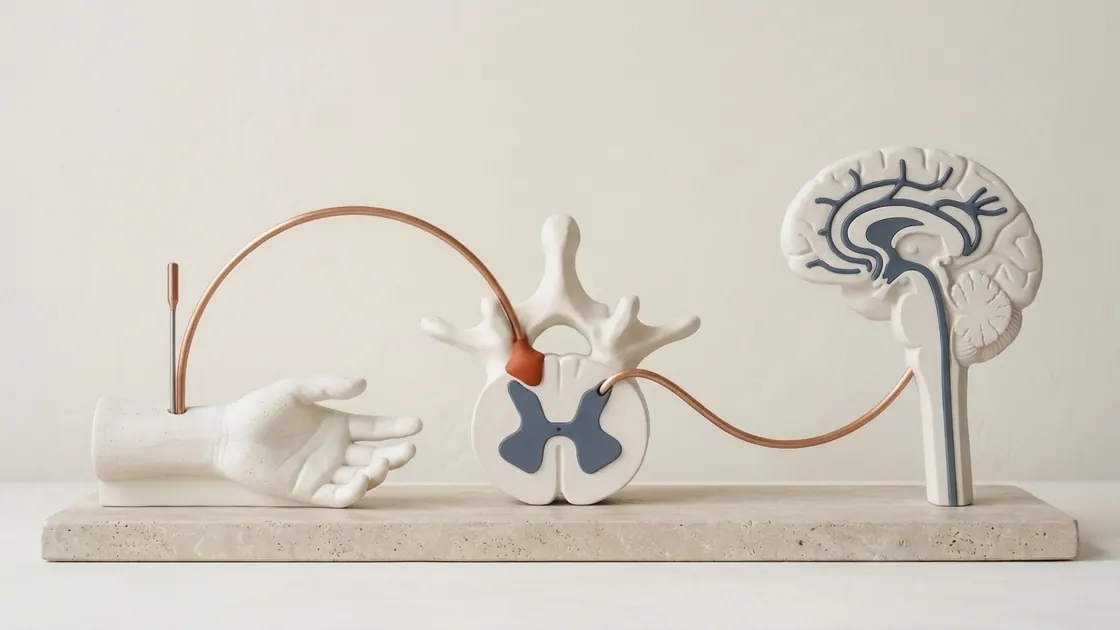
1. Local tier (Ashi / trigger)
Addresses the taut band, fascia, or painful joint directly via adenosine and perfusion.
2. Segmental tier (spinal)
Targets the matching dermatome and myotome to engage dorsal-horn synaptic gating.
3. Distal tier (supraspinal)
Extremity points recruit PAG/RVM descending analgesia, vagal tone, and sleep depth.
Differential Diagnosis
Overactive Bladder
Read more- Urinary urgency with leakage associated with urgency
- Increased urinary frequency
- Frequent nocturia
- Hematuria — requires workup for irritative or neoplastic causes
Medical acupuncture may be considered as an adjunct for both stress incontinence and overactive bladder, with limited evidence
Vesicovaginal Fistula
- Continuous urinary leakage, not effort-related
- History of pelvic surgery or radiotherapy
- Methylene blue passing through the vagina during diagnostic testing
- Continuous urinary leakage after delivery or surgery — urgent diagnostic workup needed
Fistula requires surgical correction; acupuncture can be adjunctive in pré- and postoperative periods to support healing and reduce pain
Cystocele
- Anterior vaginal wall prolapse with visible bulge
- Sensation of vaginal heaviness or pressure
- May coexist with stress incontinence
- Advanced prolapse with urinary retention
Acupuncture does not correct prolapse, but may improve pelvic floor tone and associated symptoms in early stages
Mixed Incontinence
- Loss with both effort and urgency
- Urinary urgency component present
- Partial response to treatment of only one of the forms
- Progressive symptoms not responding to conservative treatment
Medical acupuncture can address both components (effort and urgency) in integrated sessions, benefiting patients with mixed incontinence
Neurogenic Bladder
- History of neurologic disease (MS, stroke, Parkinson, spinal injury)
- Urinary leakage without predictable pattern
- Other neurologic signs present
- New neurologic symptoms associated with incontinence
Medical acupuncture can complement neurogenic bladder treatment, especially in incomplete spinal cord injuries and Parkinson disease
Stress vs. Urge Incontinence: The Distinction That Defines Treatment
The distinction between stress urinary incontinence (SUI) and urge urinary incontinence (UUI) is clinically fundamental because each has a specific treatment. In SUI, leakage occurs during a sudden rise in intra-abdominal pressure — coughing, sneezing, laughing, exercise — without prior urgency. The mechanism is urethral sphincter insufficiency or urethral hypermobility from pelvic floor weakness. In UUI, leakage follows intense urgency, mediated by involuntary detrusor contraction.
Mixed incontinence — with components of both forms — is a diagnostic challenge. Urodynamic study is the reference test for differentiation. Medical acupuncture has the unique advantage of addressing both mechanisms in a single treatment protocol, through points that regulate both the urethral sphincter and the detrusor.
Cystocele and Prolapse: When Anatomy Explains the Symptoms
Pelvic organ prolapse, especially cystocele (bladder prolapse), often coexists with stress incontinence. Both conditions stem from the same underlying cause: pelvic floor weakness. Differential diagnosis matters because advanced prolapses may paradoxically mask stress incontinence — the prolapsed bladder kinks the urethra, creating an obstructive effect that prevents leakage even under increased pressure. After surgical correction of the prolapse, incontinence may become apparent.
Medical acupuncture, by stimulating pelvic floor neuromuscular tone through points such as Huiyin (CV-1), Shenshu (BL-23), and Zhongji (CV-3), may be considered as a complement to physician-prescribed Kegel exercises, with no evidence that it changes the progression of prolapse.
Neurogenic Bladder: Ruling Out a Neurologic Cause Is Essential
Every woman with urinary incontinence that does not fit the typical clinical pattern of stress or urgency should be evaluated for a neurologic cause. Diseases such as multiple sclerosis, Parkinson disease, spinal cord injuries, and strokes can present with bladder dysfunction as an initial symptom. Neurogenic bladder may manifest as detrusor overactivity (most common) or as an acontractile bladder (retention), and often combines elements of both.
Medical acupuncture has been studied in neurogenic bladder dysfunction, especially in incomplete spinal cord injuries, with limited evidence; posterior tibial nerve stimulation is a neuromodulation technique with its own evidence.
Treatment
Treatment of SUI prioritizes pelvic floor rehabilitation as first-line. Surgery is reserved for failure of conservative treatment or severe SUI with intrinsic sphincter deficiency.
Pelvic Floor Physical Therapy
Supervised Kegel exercises with biofeedback and electrostimulation. Coordination training (pré-effort contraction, "the knack"). Protocol: 8-12 sustained contractions (6-8 seconds) + rapid contractions, 3 sets/day.
Complementary Measures
Weight loss (in a clinical trial in overweight women, it reduced incontinence episodes by about 47%). Treatment of chronic cough and constipation. Topical vaginal estrogen in postmenopausal women. Vaginal support pessaries as a non-surgical option.
Surgery — Urethral Sling
Mid-urethral sling (TVT, TOT): polypropylene tape under the mid-urethra. Cure rate > 80%. Minimally invasive outpatient procedure. Autologous sling or artificial sphincter for severe sphincter deficiency.
Periurethral Injection
Injection of bulking agents (hyaluronic acid, collagen) into the urethral submucosa. Outpatient procedure under local anesthesia. Less invasive than a sling but with lower efficacy (40-60%). May require repeat treatment.
Acupuncture as Treatment
Acupuncture may aid in SUI treatment through proposed mechanisms of pelvic floor neuromodulation. Electroacupuncture at the sacral points BL-33 (Zhongliao) and BL-35 (Huiyang) appears to activate sacral nerve pathways S2-S4, with a possible effect on sphincter tone and pelvic musculature — data still under investigation.
A multicenter randomized clinical trial published in 2017 (Liu Z et al., JAMA 2017) with 504 women suggested that 6 weeks of electroacupuncture at sacral points may reduce stress urinary leakage episodes compared with control. The results support acupuncture as an adjunct, but evidence still requires broader replication.
Acupuncture can be combined with pelvic floor physical therapy to enhance results. Sacral electroacupuncture acts as a form of neuromuscular electrostimulation, complementing Kegel exercises and biofeedback.
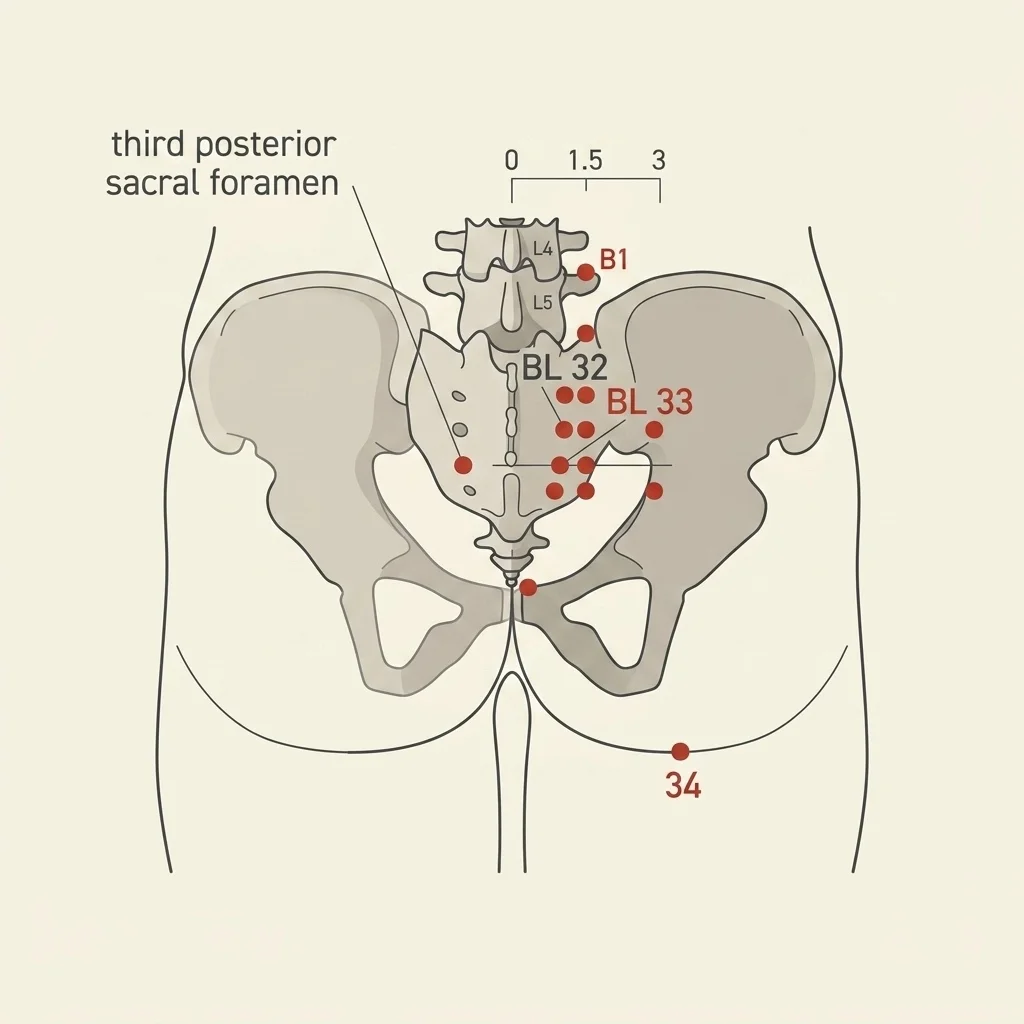
- Location
- On the sacrum, in the third posterior sacral foramen.
Prognosis
SUI prognosis is good with appropriate treatment. Pelvic floor physical therapy cures or improves 50-70% of cases. Urethral sling surgery has a cure rate > 80% at 5 years. Combined approaches offer the best results.
Long-term maintenance of Kegel exercises is essential to preserve results. Sustained weight loss significantly improves SUI. Recurrence may occur with aging, but retreatment is usually effective.
Do
- Maintain Kegel exercises long term, which is essential to preserve results
- Sustain weight loss, which significantly improves SUI
- Treat chronic cough and constipation
Avoid
- Assume it is normal to leak urine when coughing or sneezing, which prevents women from seeking effective treatment
- Rely on acupuncture to replace surgery when surgery is formally indicated
Myths and Facts
Myth vs. Fact
Losing urine when coughing or sneezing is normal for women.
SUI is common but NEVER normal. It is a treatable medical condition. Normalizing incontinence prevents women from seeking effective treatment that can completely restore continence and quality of life.
Myth vs. Fact
The only solution is surgery.
Pelvic floor physical therapy is first-line and cures 50-70% of cases. Weight loss, Kegel exercises, and pessaries are effective options; acupuncture may be considered as an adjunct, with limited evidence. Surgery is reserved for severe SUI or when conservative treatment fails.
Myth vs. Fact
Young women do not have incontinence.
SUI affects a substantial share of young nulliparous women in high-impact sports. It can also appear after the first vaginal delivery. Pelvic floor evaluation should be routine postpartum and in athletes.
When to Seek Help
Frequently Asked Questions
Stress urinary incontinence (SUI) is the involuntary loss of urine during activities that increase intra-abdominal pressure — coughing, sneezing, laughing, jumping, or lifting weights — without prior urgency. It is the most common type of urinary incontinence in women, affecting about 30% of adult women at some point in life. The main cause is urethral sphincter weakness or urethral hypermobility from pelvic floor weakening, often related to vaginal deliveries, menopause, obesity, or prior pelvic surgery. Men can develop it after radical prostatectomy.
Proposed mechanisms include possible action on sacral innervation (S2-S4) and pudendal nerve pathways, with a potential effect on urethral sphincter and pelvic floor muscle tone — pathways still under investigation. Electroacupuncture has been the most studied modality. Preliminary trials suggest fewer urinary leakage episodes in patients with mild to moderate SUI, but the evidence still needs further consolidation and does not replace supervised rehabilitation or surgery when indicated.
Yes. Kegel exercises — voluntary, repeated contraction of the pelvic floor muscles — are the conservative intervention with the best scientific evidence for stress urinary incontinence. When performed correctly and consistently (3 sets of 10 contractions, 3 times a day), they produce significant clinical improvement in 60% to 70% of women with mild to moderate SUI. The most common error is contracting the wrong muscles — glutes or abdomen — instead of the pelvic floor. The physician may recommend a specialized technique assessment and, when needed, biofeedback to ensure correct contraction.
Surgery is reserved for moderate to severe SUI that does not respond to conservative treatment after 3 to 6 months. The most common procedure is the suburethral sling (TVT or TOT) — a small mesh strip that supports the mid-urethra, with a cure rate of about 85% to 90%. Before considering surgery, the conservative protocol should be optimized: pelvic floor exercises, weight control, smoking cessation, and medical acupuncture. Surgery does not preclude continuing exercises and acupuncture postoperatively to prevent recurrence.
Yes. The drop in estrogen during menopause reduces the thickness and elasticity of the urothelium and urethral mucosa, decreases urethral closure pressure, and weakens pelvic floor support tissues — which can both initiate and worsen SUI. Topical vaginal hormone therapy (local estrogen as cream or vaginal ring) improves genitourinary atrophy and can reduce SUI in menopausal women. Medical acupuncture, by modulating neuroendocrine axes and improving pelvic circulation, offers complementary benefit to hormone therapy and pelvic floor rehabilitation.
Partially. Vaginal delivery is the main risk factor for SUI — laceration or distension of the pelvic floor muscles and pudendal nerve during delivery can cause permanent dysfunction. Preventive measures include: pelvic floor exercises started during pregnancy and maintained postpartum, control of gestational weight gain, and pelvic floor rehabilitation 6 to 8 weeks after delivery. Postpartum acupuncture may accelerate pelvic neuromuscular recovery. The physician should evaluate exercise technique, since incorrect execution can be ineffective or harmful.
Yes, although it is much less common than in women. In men, the most common cause of SUI is injury to the external sphincter during radical prostatectomy for prostate cancer — occurring in 5% to 25% of cases, more often transiently than permanently. Pelvic radiotherapy and BPH surgery can also cause SUI. Treatment follows the same principles as in women: pelvic floor exercises, medical acupuncture, and, in refractory cases, surgical artificial urinary sphincter or male sling.
Yes. Obesity is the most impactful modifiable risk factor — each unit of BMI above normal increases SUI risk by 10% to 20%. Smoking worsens SUI by causing chronic cough that repeatedly raises intra-abdominal pressure and by reducing tissue circulation in pelvic muscles. Chronic constipation with excessive straining overloads the pelvic floor. Caffeine and alcohol do not directly cause SUI but can worsen concurrent irritative bladder symptoms. High-impact activities without adequate pelvic floor preparation can also aggravate the condition.
Yes. Several options exist for symptomatic management while definitive treatment is underway. Dedicated incontinence pads (different from menstrual pads) offer greater protection and odor neutralization. Intravaginal devices such as the ring pessary can support the urethra and reduce leakage. Disposable urethral support devices are an option for specific physical activities. These resources are auxiliary — they do not replace exercises, medical acupuncture, and, when indicated, surgical intervention.
Seek medical evaluation if urinary leakage occurs regularly during everyday activities, interferes with work, physical activities, social or sexual life, or causes embarrassment and emotional distress. Also seek consultation for urinary leakage with intense urgency (which may indicate mixed incontinence), blood in the urine, painful urination, or symptoms that appear or worsen after delivery or pelvic surgery. SUI is highly treatable — most patients see significant improvement with an appropriate conservative approach, especially when started early.
Related Reading
Deepen your knowledge with related articles
What clinical trials tested for this condition — Stress Urinary Incontinence
Share among studies for this condition that reported specific acupoints.
- studies analyzed
- 9 studies analyzed
- RCTs
- 1 RCTs
- sham-controlled
- 4 sham-controlled
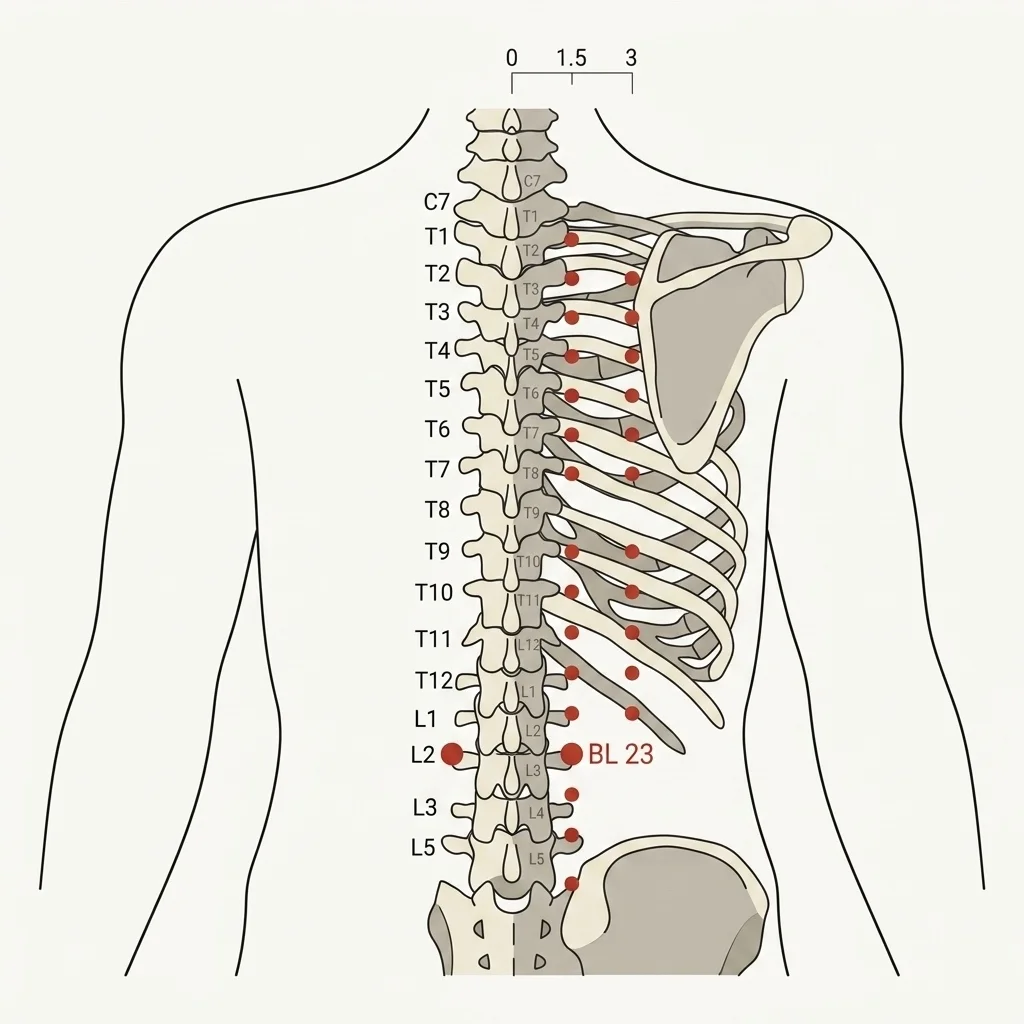
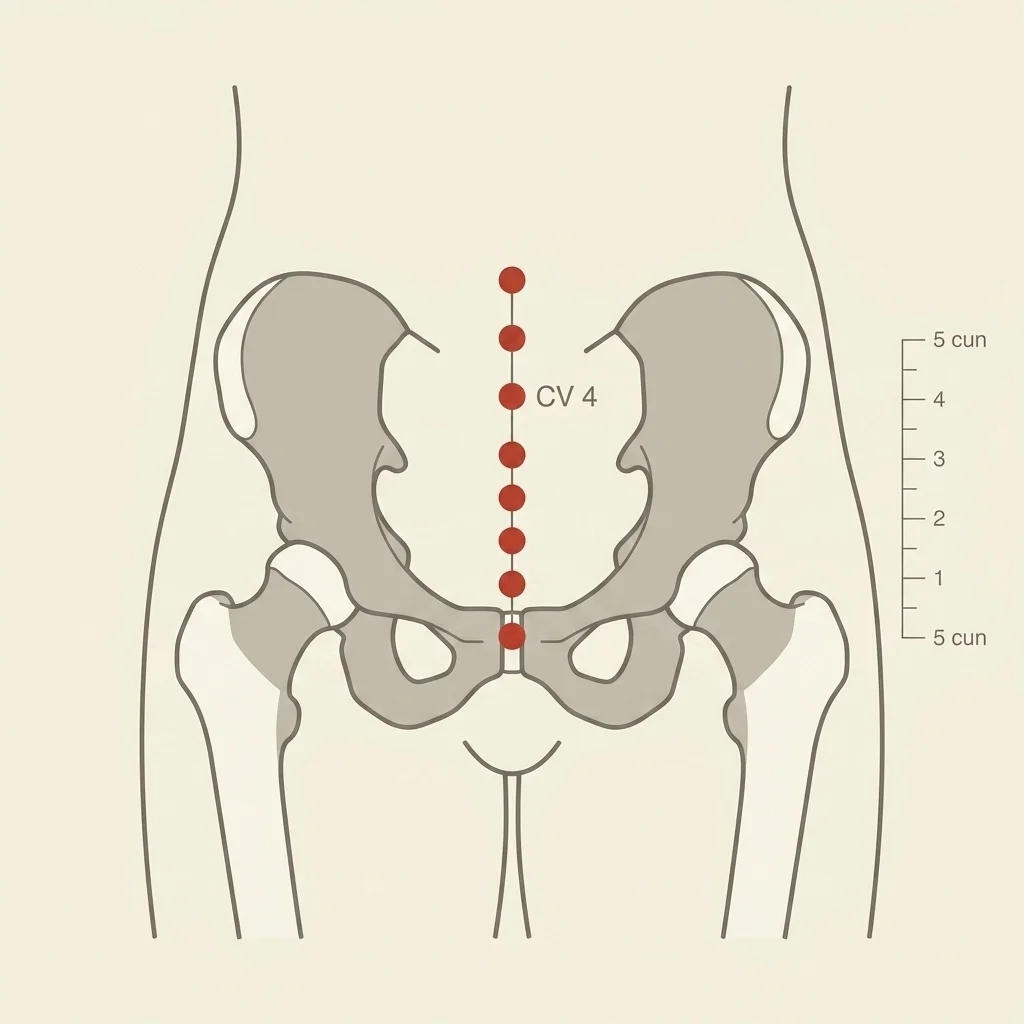
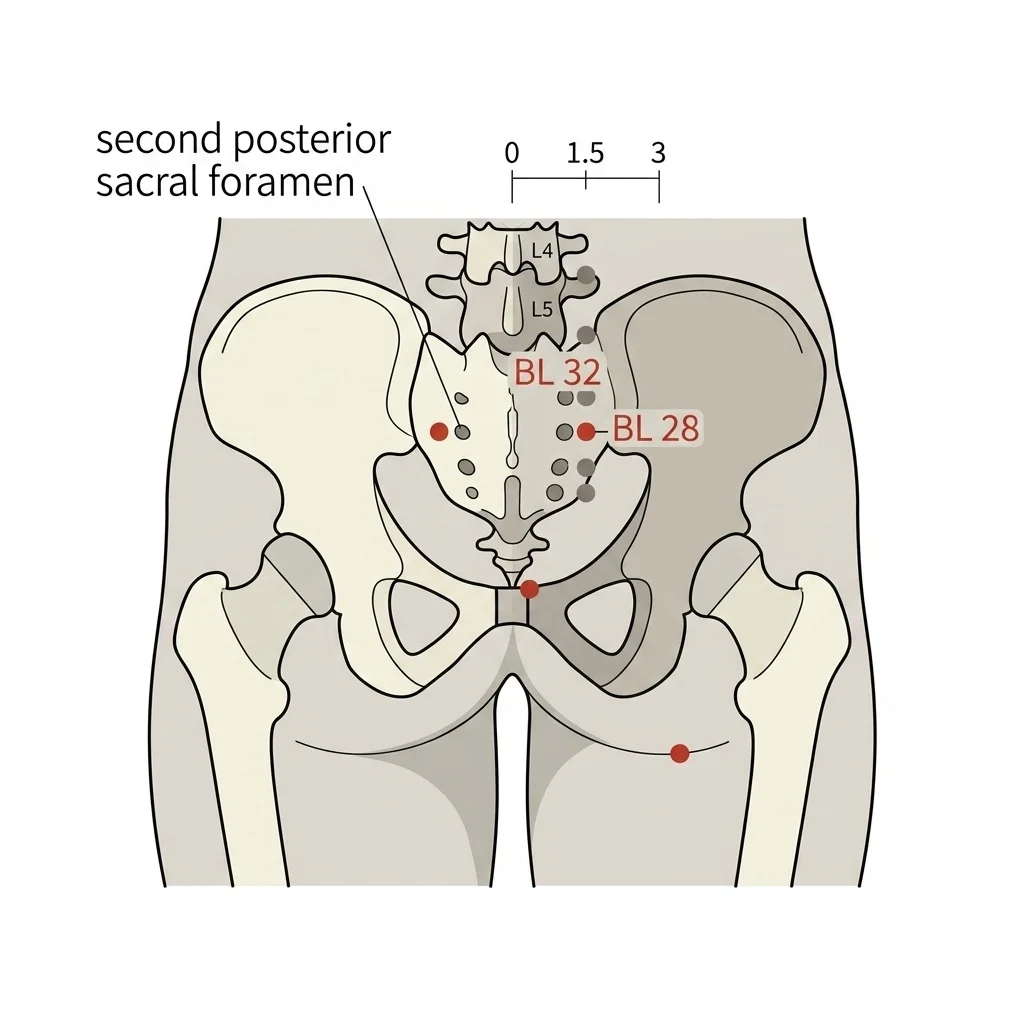
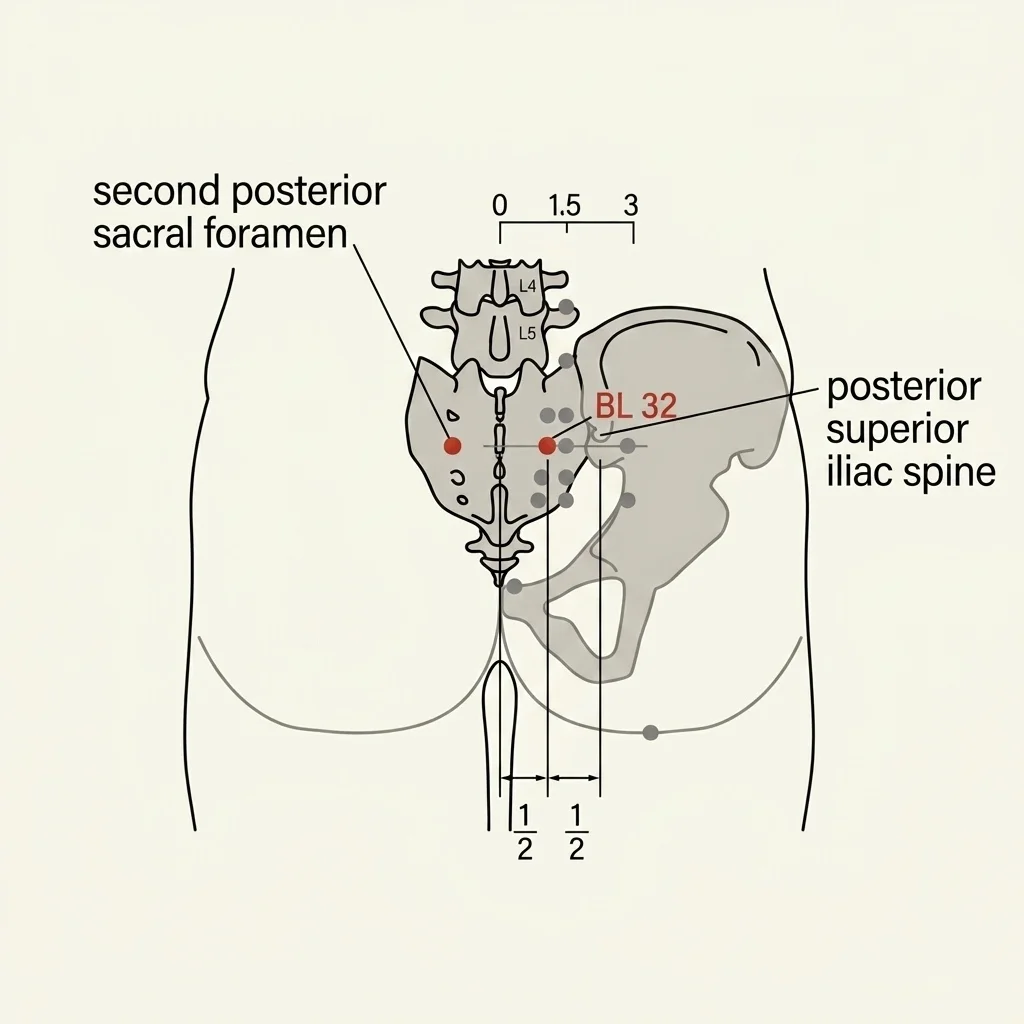
Co-prescribed pairs
- BL23 + SP63×
- CV4 + SP63×
- BL23 + BL322×
- BL23 + CV42×
Electroacupuncture (Hz)
Typical session window
6–12 sessions
Trial comparators
- vs Sham / Placebo
- 4 trials
- vs Medication
- 7 trials
- vs Rehab / Exercise
- 6 trials
- vs Usual Care
- 2 trials
Sample-size panorama for clinical domain — Stress Urinary Incontinence
Quantitative synthesis of indexed clinical trials across the Stress Urinary Incontinence domain (1 studies in our Scientific Library).
Head-to-head trial comparators tested against acupuncture
Select a comparator arm to highlight matching trials in the ledger below.Acupoint co-prescription synergy across published protocols
Arc stroke thickness reflects how many clinical trials co-prescribed each acupoint pair; node radius encodes overall point frequency.
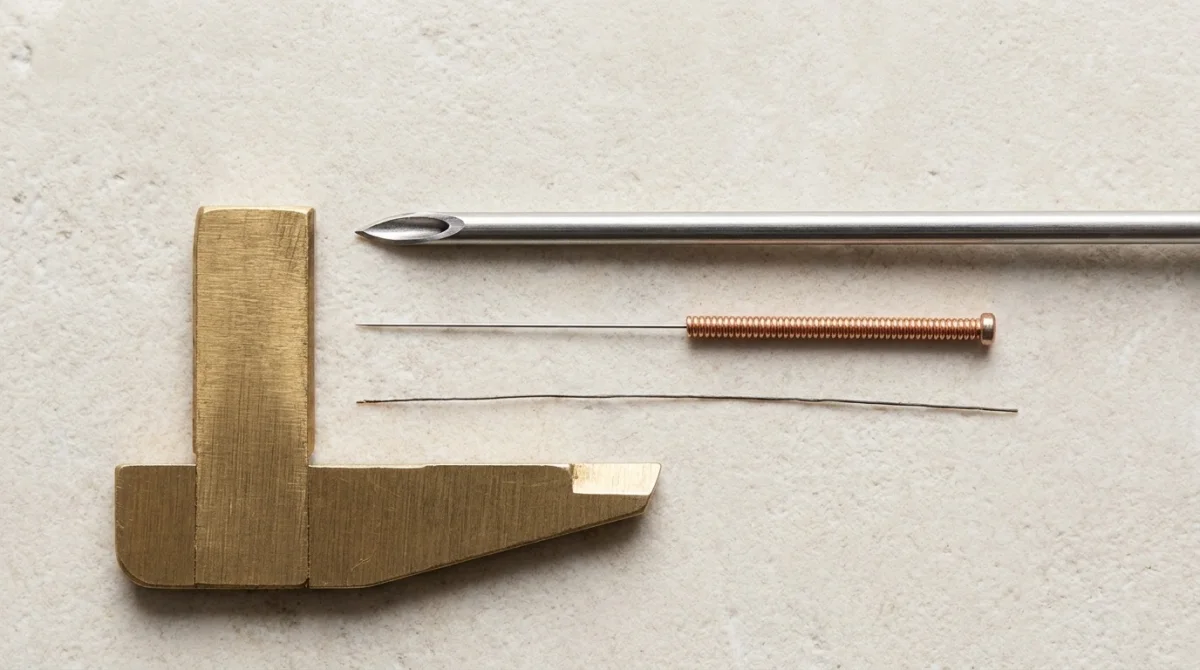
Comparative safety · Log₁₀ scale (serious adverse events / 10,000)
Real-world risk profile: 0.25 mm filiform needle vs. pharmacologic therapies
Because serious risk spans more than two orders of magnitude between medical acupuncture and chronic analgesics, this chart uses a true logarithmic ruler (0.1 → 1 → 10 → 100 → 1,000 per 10,000 treatments).
When NOT to start acupuncture and seek immediate medical care
Medical acupuncture should only follow an appropriate clinical diagnosis. Seek urgent or emergency medical evaluation if any of the following are present:
- Sudden, severe abdominal or pelvic pain, especially with fever, persistent vomiting, or bleeding.
- Abnormal postmenopausal bleeding or suspected pregnancy with acute pelvic pain.
- Acute inability to urinate (complete retention) or visible blood in the urine.
- Unexplained weight loss, new anemia, or pain consistently waking you at night.
Prior medical clearance is mandatory for patients taking anticoagulants, during pregnancy, with immunosuppression, or with pacemakers/implanted devices (for electroacupuncture).