Heel-to-toe walking
Heel-to-toe walking challenges dynamic balance and proprioception by drastically reducing the base of support during the gait cycle. This forces the sensorimotor system to rapidly activate stabilizing ankle musculature, improving neuromuscular control, which may help reduce episodes of giving way in chronic ankle instability.
Muscles worked
Illustration demonstrating the position of the Heel-to-toe walking exercise.
Biomechanical Execution Sequence
04 phases- Starting position
Stand up straight and fix your gaze on a stationary point ahead of you to assist with balance.
- Phase 2
Step forward, placing the heel of your stepping foot directly in front of and touching the toes of your back foot.
- Phase 3
Shift your weight forward and repeat the motion with the opposite foot, continuing to walk in a straight line.
- Return
Engage your core and maintain a steady, controlled pace to ensure the ankle stabilizers perform the work.
Prescribed in Clinical Guides
Medical disclaimer. These exercises are presented for informational purposes only. Always consult your physician before starting any exercise program, especially in case of acute pain, recent injury, or underlying clinical condition.
Related Exercises
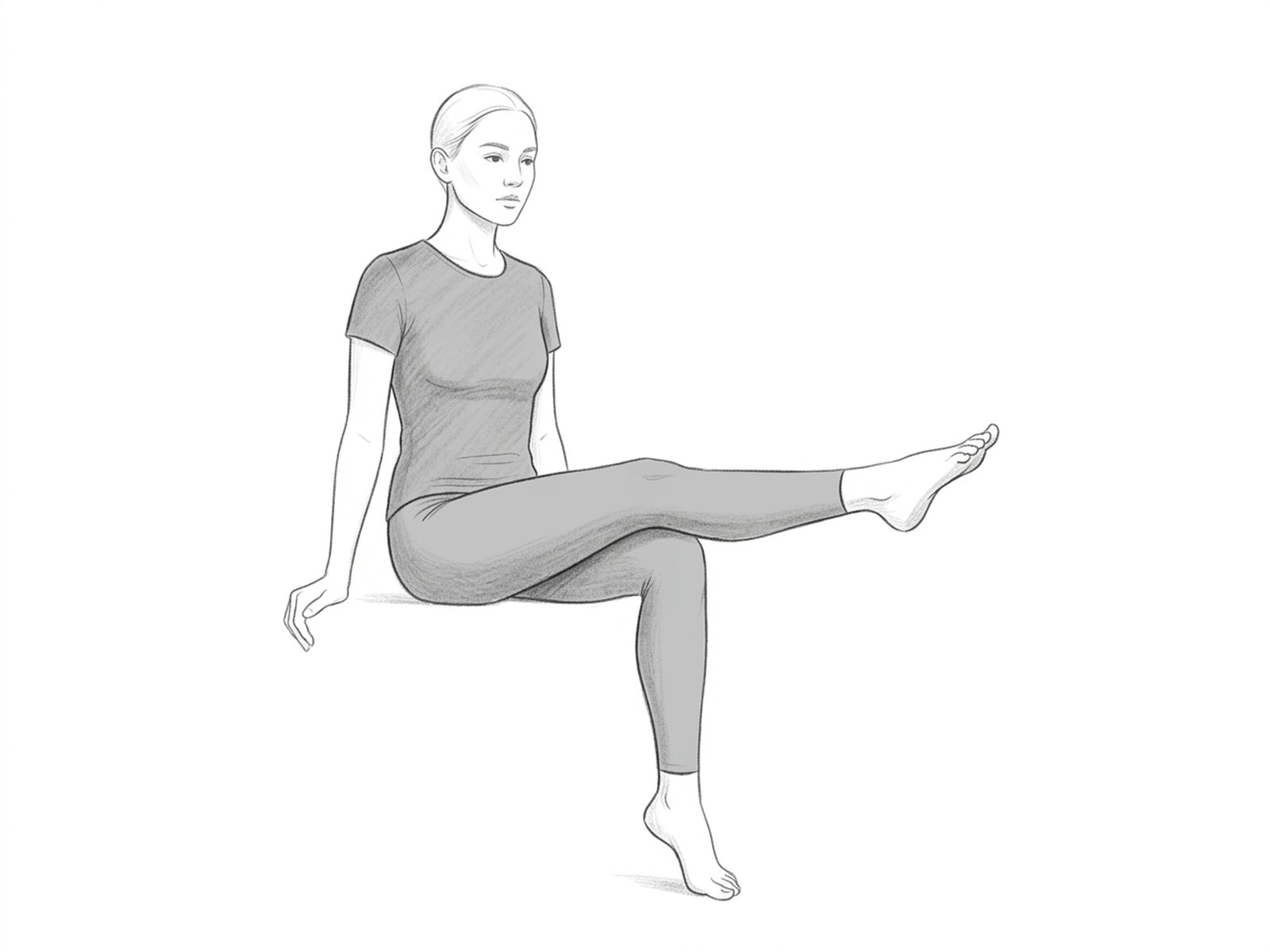
Ankle Alphabet
Multi-directional active ankle mobilization by tracing letters in the air with the foot. Restores full range of motion after a sprain in an engaging, comprehensive way — each letter requires a different combination of joint motions.
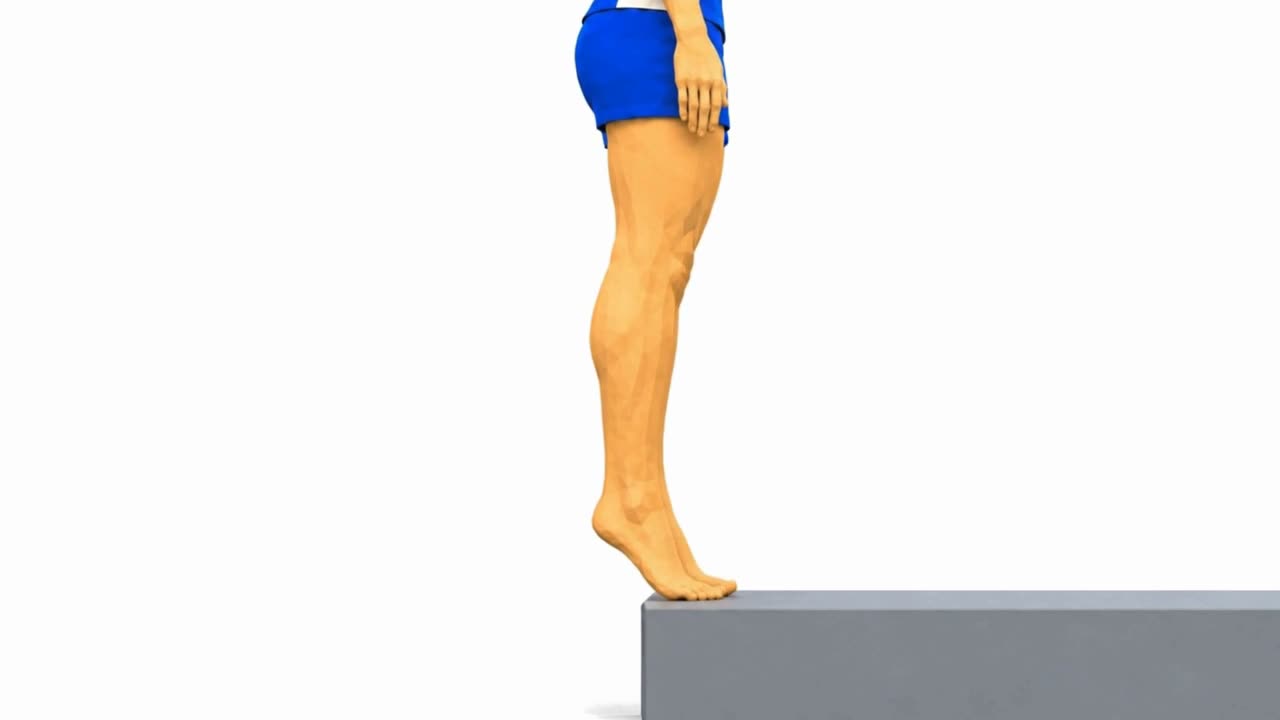
Eccentric calf raises
Eccentric calf raises selectively load the gastroc-soleus complex and deep posterior compartment while the muscles are lengthening to improve tissue capacity. This may help Medial Tibial Stress Syndrome by enhancing the ability of the plantar flexors to absorb ground reaction forces and reducing traction stress along the posteromedial border of the tibia.
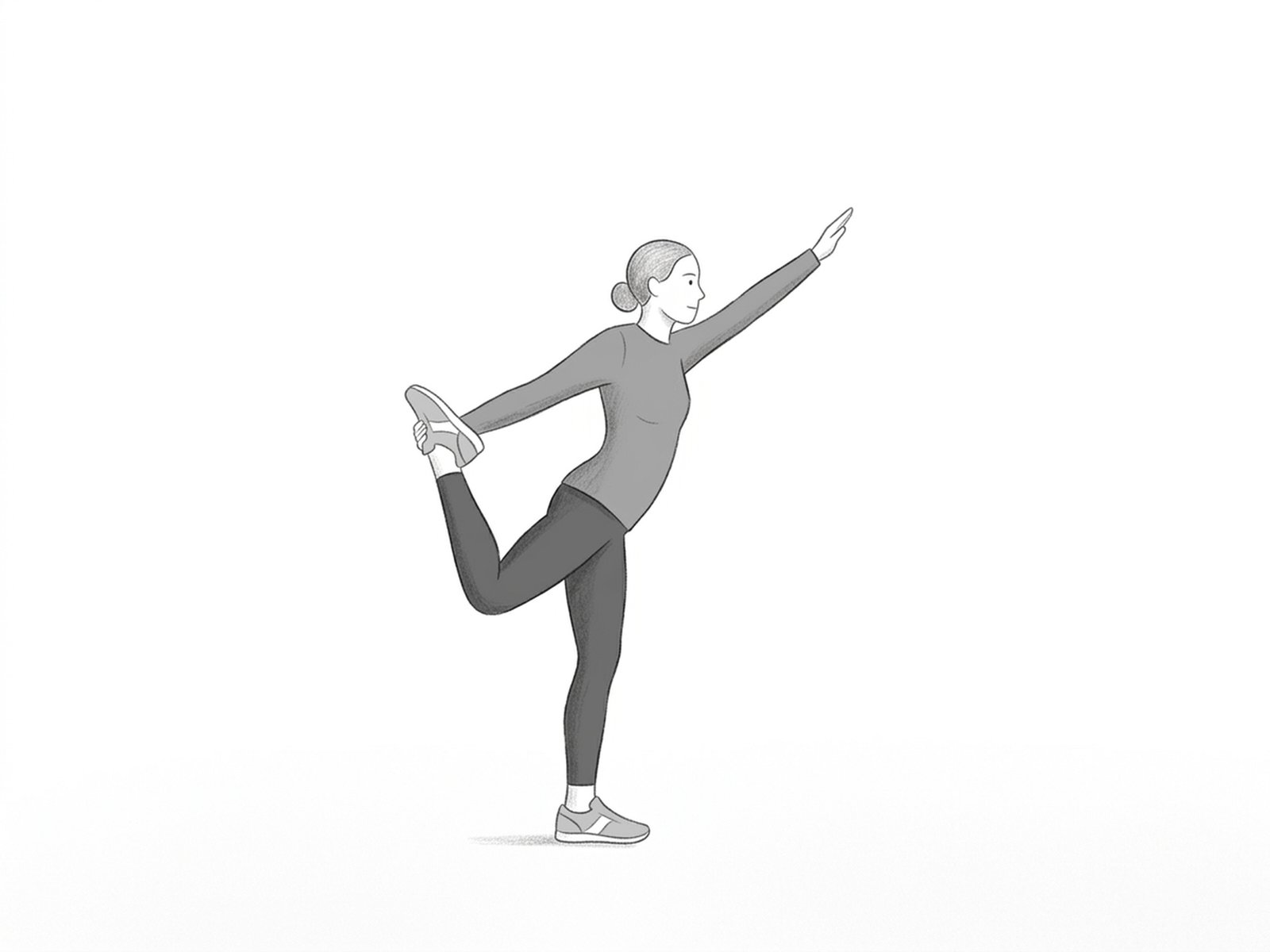
Single-Leg Balance
Essential proprioceptive training after an ankle sprain. Restores postural control and reduces recurrence risk by up to 50% (Hupperets et al. studies).