Therapeutic exercise
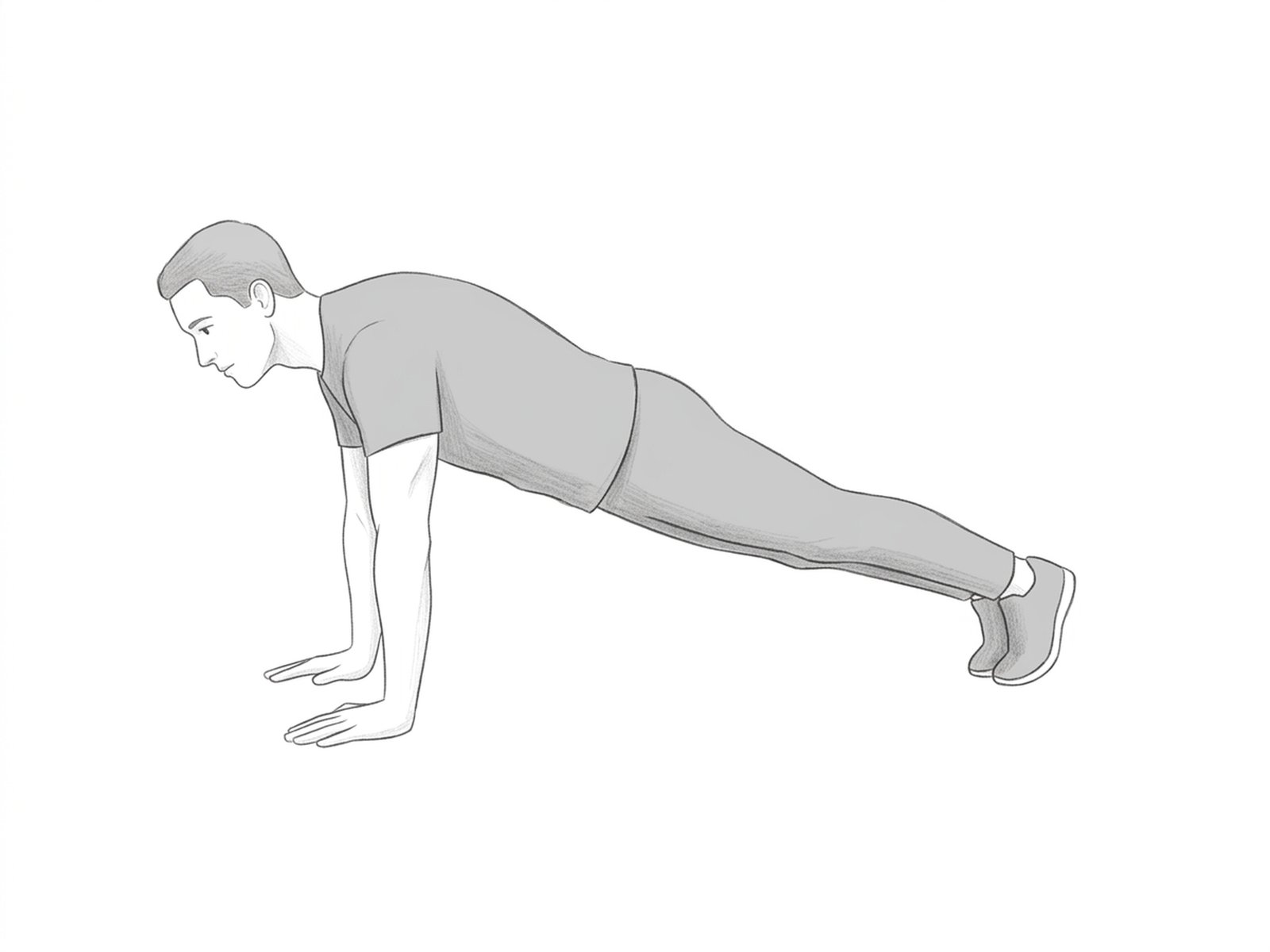
Push-Up Plus
Variant of the push-up with emphasis on maximum scapular protraction at the top of the movement. The 'plus' phase intensely recruits the serratus anterior — a key muscle in scapular stabilization and in inhibiting the levator scapulae.
How to perform
- Starting position. Position yourself in a push-up plank (or in quadruped on the knees, as a regression), with hands aligned beneath the shoulders.
- Step 2. Perform a push-up with moderate range, lowering until the chest is about 10 cm from the floor.
- Step 3. On the rise, fully extend the elbows and, at the top, continue pushing the trunk upward — the scapulae should move away from the spine (scapular protraction) for 1–2 seconds.
- Step 4. Lower with control, allowing the natural scapular retraction during the descent.
- Return. For regression, perform in quadruped or against the wall; for progression, add weight on the back.
When not to perform
- Acute rotator-cuff pain
- Acute wrist or elbow injury
- Shoulder instability
- Symptomatic cervical disc herniation
- Uncontrolled arterial hypertension
- Recent upper-limb surgery
Medical disclaimer. These exercises are presented for informational purposes only. Always consult your physician before starting any exercise program, especially in case of acute pain, recent injury, or underlying clinical condition.
Related Exercises
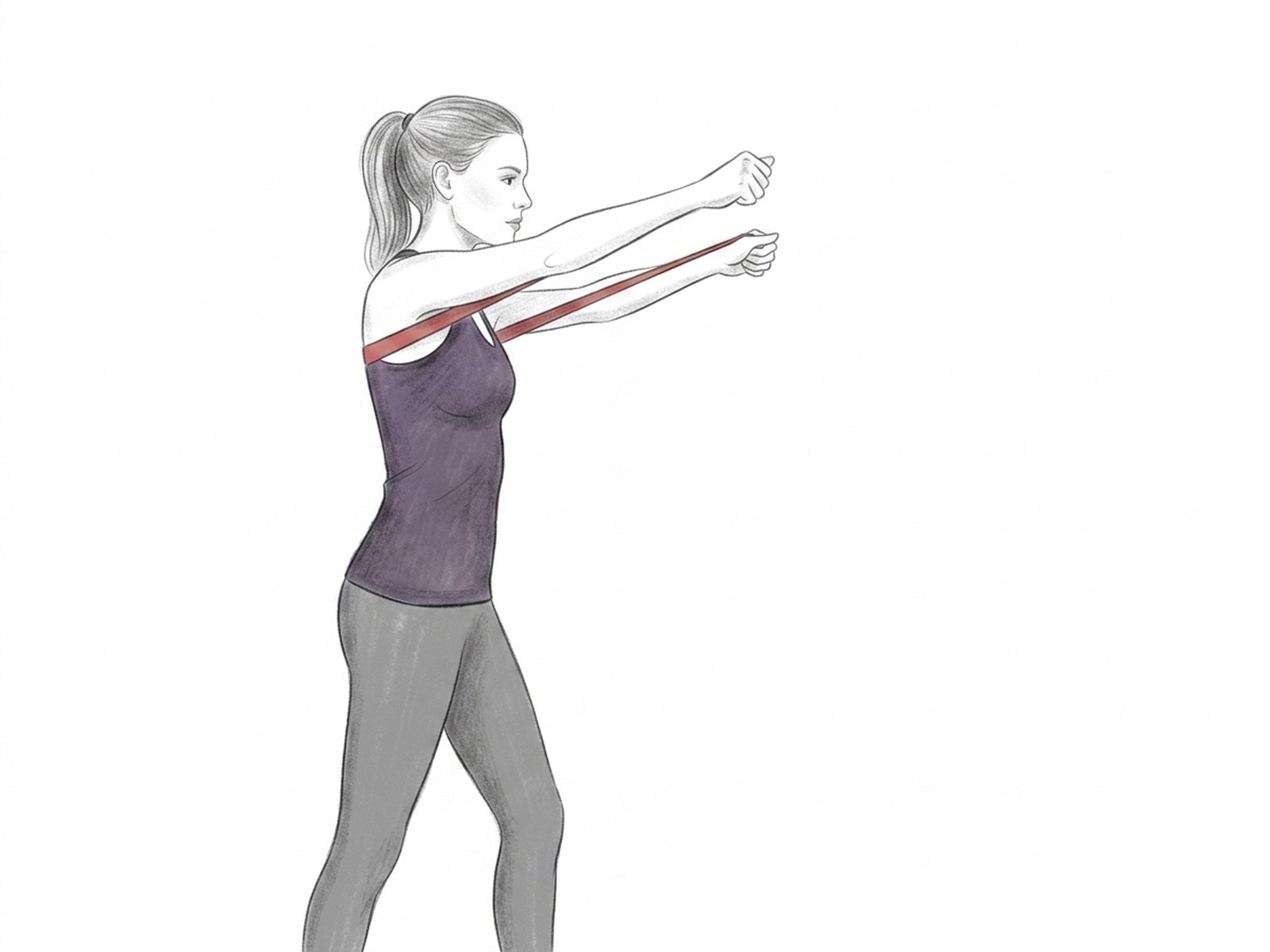
Banded Dynamic Hug
Resisted scapular protraction with a resistance band, mimicking the motion of giving a hug. Isolates the serratus anterior in a functional pushing pattern — complements the supine serratus punch in the progression of scapular-dyskinesia rehabilitation.
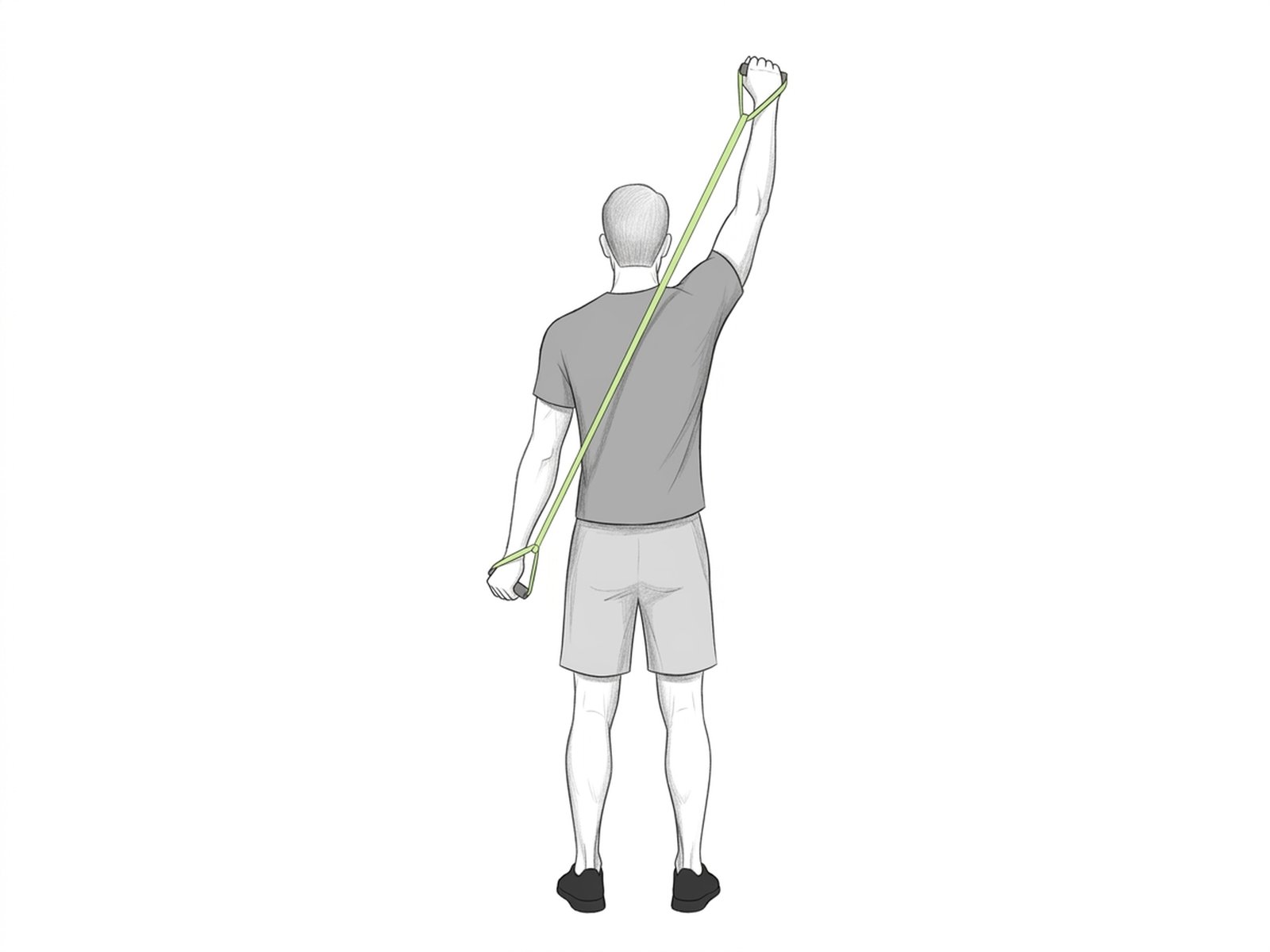
Wall Slide with Scapular Lift-Off
Advanced progression of the classic wall slide. At the top of the movement, the patient lifts the arms off the wall, creating additional isotonic demand on the lower trapezius and serratus anterior — the exercise of choice in advanced scapular dyskinesia rehabilitation.
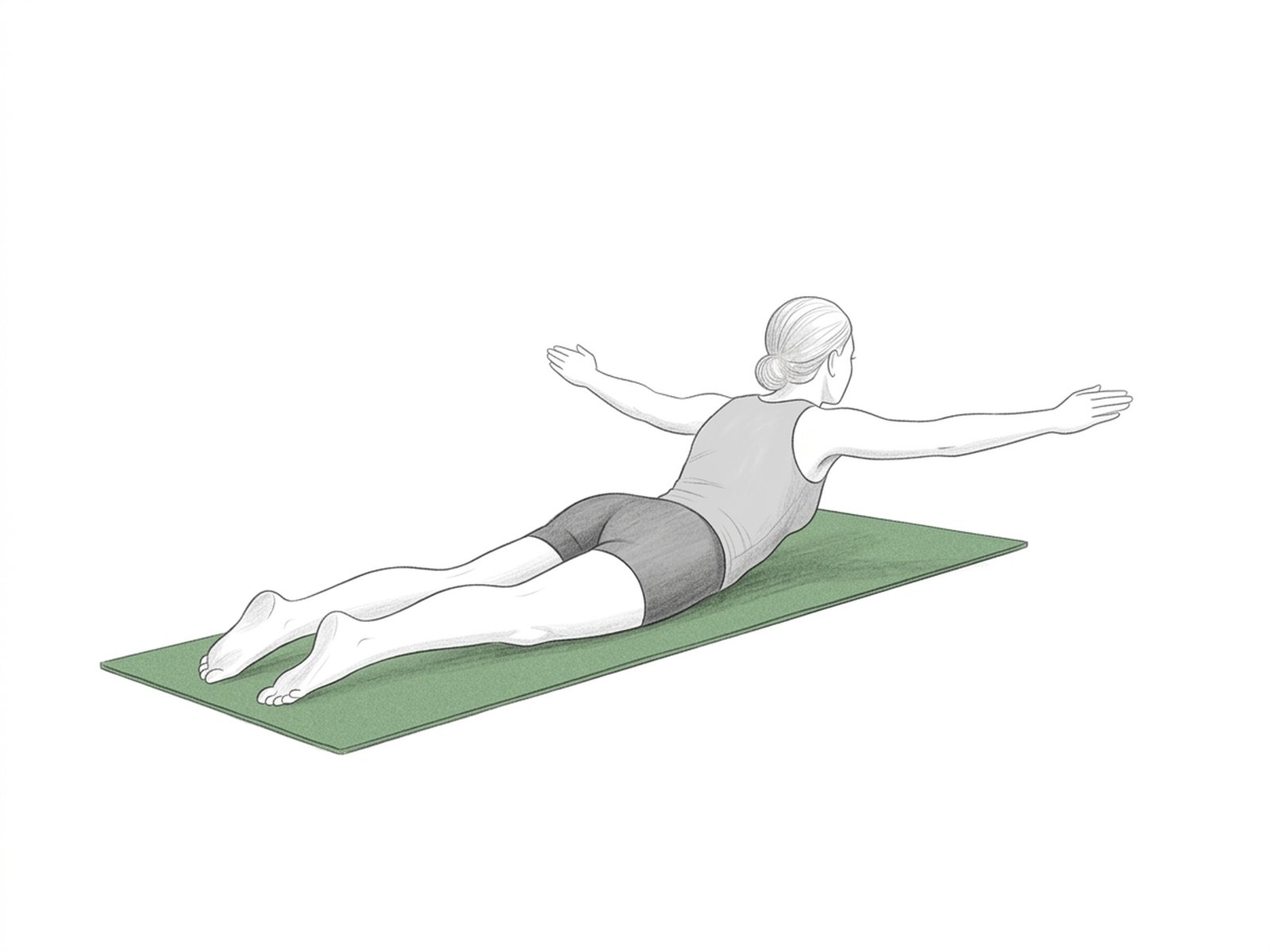
Prone T-Raise
Isolation of the middle trapezius and posterior deltoid in a prone position. Component of the Prone I/T/Y/W series — essential for re-balancing the shoulder girdle in patients with upper-crossed syndrome and scapular dyskinesia.