The medical perspective of cupping therapy: Effects and mechanisms of action
Al-Bedah et al. · Journal of Traditional and Complementary Medicine · 2019
Evidence Level
MODERATEOBJECTIVE
Identify possible mechanisms of action of cupping therapy based on modern medicine
WHO
Review of medical literature on cupping therapy
DURATION
Analysis of studies through 2017
POINTS
Various skin points and reflex areas used in cupping therapy
🔬 Study Design
Included studies
n=64
Review of theories and mechanisms of cupping therapy
Excluded studies
n=159
Non-relevant or duplicate articles
📊 Results in numbers
Main theories identified
Studies included in the analysis
Articles initially identified
Proposed neurological mechanisms
📊 Outcome Comparison
Mechanism Theories
This study explains how cupping therapy may work in the human body through six different theories. Researchers found that this ancient technique can relieve pain, improve blood circulation, strengthen the immune system, and help eliminate toxins, but each effect occurs through different mechanisms in the body.
Article summary
Plain-language narrative summary
Cupping therapy, an ancient technique, has been gaining increasing attention in modern medicine. This therapy uses specialized cups applied to the skin to create negative pressure, promoting several therapeutic effects in the body. Despite its long history of use and growing popularity, the mechanisms through which cupping produces its beneficial effects were not yet completely understood by the scientific community.
Al-Bedah and colleagues conducted a comprehensive review of the scientific literature with the aim of identifying and explaining the possible mechanisms of action of cupping therapy from the perspective of modern medicine. The study was conducted through a systematic search of major scientific databases, including PubMed, Cochrane Library, and Google Scholar. Researchers used specific keywords related to cupping and its mechanisms of action, initially identifying 223 articles. After rigorous selection and analysis by two independent reviewers, 64 relevant studies were included in the final review.
This methodology ensured that only quality research directly related to the topic was considered.
The results revealed that cupping produces a wide range of effects on the human body. Among the main benefits identified are pain reduction, improved blood circulation, muscle relaxation, modulation of the immune system, and removal of toxins from the body. The therapy demonstrated efficacy in treating various medical conditions, including muscular pain, skin conditions such as acne and herpes zoster, arterial hypertension, fibromyalgia, headaches and migraines, as well as respiratory conditions. Researchers identified six main theories that explain how cupping works: the Gate Control Theory of Pain, Diffuse Noxious Inhibitory Controls, the Reflex Zone Theory, the Nitric Oxide Theory, Immune System Activation, and the Blood Detoxification Theory.
Each of these theories explains different aspects of the observed therapeutic effects.
For patients and healthcare providers, these findings represent a significant advance in the scientific understanding of cupping. The identification of these mechanisms provides a rational basis for the use of the therapy, helping to demystify a practice that was often viewed merely as traditional or placebo. For patients, this means greater confidence in treatment, knowing that there is a scientific foundation for the observed benefits. Healthcare providers can now integrate cupping into their practice with a better understanding of how and when to use it, making more precise indications based on the specific mechanisms required for each condition.
The research also suggests that cupping may be particularly useful as a complementary therapy, working in conjunction with conventional treatments to enhance therapeutic outcomes.
However, it is important to acknowledge the limitations of this study. The researchers emphasized that no single theory can completely explain all the effects of cupping, suggesting that multiple mechanisms work in an interconnected manner. In addition, determining which specific aspect of the cupping procedure is responsible for each observed effect still represents a challenge. The complexity of the biological mechanisms involved makes a fully detailed description of how each process works difficult.
The authors also noted that, although they focused on theories from modern medicine, there are other traditional perspectives that warrant future investigation. It is essential that new randomized controlled clinical trials be conducted to validate these theories and develop standardized treatment protocols. The research represents an important step toward establishing cupping as an evidence-based therapy, but much work remains to fully understand all aspects of this ancient healing practice and optimize its use in contemporary medicine.
Strengths
- 1Comprehensive analysis of 64 scientific studies
- 2Identification of 6 distinct theories of mechanisms
- 3Connection between traditional and modern medicine
- 4Solid theoretical basis for future research
Limitations
- 1Narrative review without quantitative meta-analysis
- 2Need for more controlled clinical trials
- 3Mechanisms still not completely understood
- 4Focus only on Western medicine theories
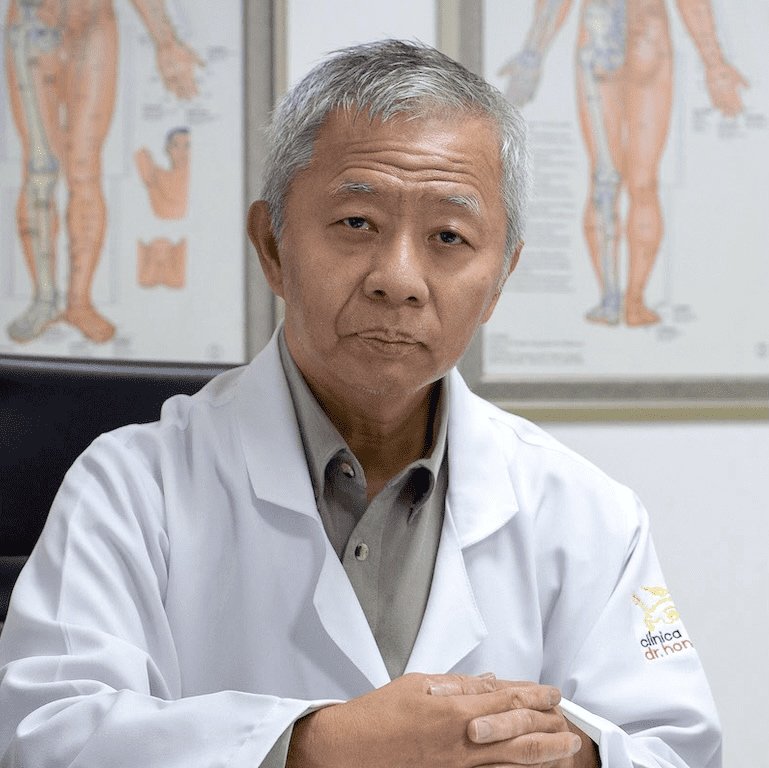
Expert Commentary
Prof. Dr. Hong Jin Pai
PhD in Sciences, University of São Paulo
▸ Clinical Relevance
Cupping therapy occupies a growing space in integrative medical practice, and this review by Al-Bedah et al. offers a valuable conceptual framework for physicians who wish to incorporate it rationally into the therapeutic arsenal. By mapping six mechanistic theories — including the Gate Control Theory of Pain, Diffuse Noxious Inhibitory Controls, and the Nitric Oxide Theory — the work allows the clinician to select the technique based on the predominant mechanism of each clinical picture. In patients with fibromyalgia, chronic myofascial pain, or refractory migraine, where the central sensitization component is predominant, the rationale of the proposed neurological mechanisms justifies the indication. Likewise, conditions such as mild to moderate hypertension and dermatologic disorders such as herpes zoster find support in the immune and circulatory modulation identified. The review strengthens the position of cupping therapy as a structured complementary therapy, not as an isolated empirical resource.
▸ Notable Findings
The most relevant finding of this review is the demonstration that no single theory explains the totality of cupping's effects — the mechanisms act in a complementary and overlapping manner. The Nitric Oxide Theory deserves special attention: the negative pressure generated by the cups would induce local release of NO, simultaneously mediating vasodilation, analgesia, and inflammatory modulation, which gives the technique a profile of systemic action from local stimulus. Equally notable is the articulation between Diffuse Noxious Inhibitory Controls and the mechanism of action in diffuse pain, bringing cupping therapy closer to the neurophysiological repertoire already established in body acupuncture. The identification of effects on the immune system — with activation documented in 64 selected studies — opens the perspective for adjuvant use in conditions of immune dysregulation, expanding the indication beyond traditional pain control.
▸ From My Experience
In my practice at the Pain Center of HC-FMUSP (Hospital das Clínicas, Faculty of Medicine, University of São Paulo), I have used cupping therapy predominantly as an adjuvant resource to systemic acupuncture, especially in cases of extensive myofascial pain where trigger points are multiple and the component of tissue stiffness is pronounced. I typically observe an analgesic response within the first two or three sessions, particularly in patients with chronic low back pain and cervical myofascial syndrome. For maintenance, a cycle of eight to ten biweekly sessions has proven sufficient in most cases, with subsequent reassessment. The combination with supervised stretching exercise enhances the tissue relaxation effects described in this review. I prefer not to indicate cupping therapy alone in anticoagulated patients, those with marked capillary fragility, or those on prolonged systemic corticosteroid therapy. The profile that responds best, in my experience, is the patient with chronic musculoskeletal pain, elevated tone, and an associated anxious component — exactly the scenario where multiple mechanisms identified in this review converge favorably.
Full original article
Read the full scientific study
Journal of Traditional and Complementary Medicine · 2019
DOI: 10.1016/j.jtcme.2018.03.003
Access original articleScientific Review

Marcus Yu Bin Pai, MD, PhD
CRM-SP: 158074 | RQE: 65523 · 65524 · 655241
PhD in Health Sciences, University of São Paulo. Board-certified in Pain Medicine, Physical Medicine and Rehabilitation, and Medical Acupuncture. Scientific review and curation of every entry in this library.
Learn more about the author →Medical disclaimer: This content is for educational purposes only and does not replace consultation, diagnosis, or treatment by a qualified professional. Some information may be assisted by artificial intelligence and is subject to inaccuracies. Always consult a physician.
Content reviewed by the medical team at CEIMEC — Integrated Centre for Chinese Medicine Studies, a reference in Medical Acupuncture for over 30 years.
Related articles
Based on this article’s categories