The Mechanism of Moxibustion: Ancient Theory and Modern Research
Deng & Shen · Evidence-Based Complementary and Alternative Medicine · 2013
Evidence Level
MODERATEOBJECTIVE
Analyze traditional Chinese theory and modern research on the mechanisms of moxibustion
WHO
Literature review of TCM theory and experimental studies
DURATION
Historical analysis of 2,500 years of clinical use
POINTS
Meridian system and acupoints as receivers of moxibustion stimuli
🔬 Study Design
TCM theory
n=0
Analysis of millennia-old theoretical foundations
Modern research
n=0
Studies on thermal, radiative, and pharmacological effects
📊 Results in numbers
Moxa combustion temperature
Infrared radiation spectrum
Near-infrared radiation peak
Components identified in leaves
📊 Outcome Comparison
Infrared radiation spectrum
This study reveals that moxibustion works through three main mechanisms: therapeutic heat, specific infrared radiation, and active compounds from the artemisia plant. The research confirms a unique correspondence between the radiation spectrum of traditional moxibustion and the acupoints of the human body, scientifically explaining why this ancient technique is effective.
Article summary
Plain-language narrative summary
Moxibustion is an ancestral therapy that has been part of the traditional Chinese medicine system for over 2,500 years. Based on burning moxa, a substance derived from the Artemisia argyi plant, over specific points on the body, this technique is drawing increasing scientific interest today. The procedure consists of applying heat to so-called acupuncture points and can be performed directly, with direct contact of burning moxa on the skin, or indirectly, keeping distance through insulating materials such as ginger, garlic, or other elements. According to traditional Chinese medicine, moxibustion has the ability to "drain meridians and regulate qi-blood" and is used both for prevention and treatment of a wide variety of health conditions.
This study aimed to conduct a comprehensive review of the mechanisms by which moxibustion produces its therapeutic effects, integrating both traditional theories and the discoveries of modern scientific research. The researchers conducted an extensive analysis of the available scientific literature, examining three main aspects of moxibustion mechanisms: the thermal effects produced by burning moxa, the effects of the infrared radiation emitted during the process, and the pharmacological actions of the chemical substances present in moxa and its combustion products. The methodology involved a systematic review of experimental studies that investigated each of these mechanisms, including research that measured temperatures during treatment, analyzed radiation spectra, and identified active chemical components.
The results revealed fascinating findings about how moxibustion works in the human body. From a thermal perspective, burning moxa can reach temperatures of up to 890 °C in the flame, raising skin temperature to approximately 130 °C on the surface and 56 °C in deeper layers. This thermal stimulation affects both superficial and deep tissues of the skin, activating specialized receptors responsible for heat perception and promoting changes in local blood circulation. Regarding radiation, the researchers discovered that burning moxa emits infrared radiation in a specific range of 0.8 to 5.6 micrometers, with a peak near 1.5 micrometers.
Even more surprising was the discovery that there is remarkable consistency between the infrared spectra of traditional indirect moxibustion and the spectra of the acupuncture points themselves, both showing radiation peaks near 10 micrometers. In the chemical aspect, more than 60 different components have been identified in the leaves of artemisia and in the smoke produced by burning, including volatile oils, flavonoids, polysaccharides, and other bioactive compounds with antioxidant, anti-inflammatory, and immunomodulatory properties.
For patients and healthcare professionals, these findings have important implications for understanding and clinical application of moxibustion. The findings suggest that the therapeutic benefits do not result from a single mechanism but rather from a synergistic combination of thermal, radiative, and pharmacological effects. This explains why moxibustion has shown efficacy in conditions as diverse as digestive problems, joint pain, menstrual disorders, asthma, and aging-related issues. The research also demonstrates that different methods of moxibustion application produce distinct thermal profiles, which can guide professionals in choosing the most appropriate technique for each clinical situation.
The discovery of spectral correspondence between moxibustion radiation and acupuncture points offers a scientific basis for the specificity of points used in traditional Chinese medicine. For patients, this information provides greater confidence in the scientific basis of treatment, although it is important to emphasize that moxibustion should always be performed by qualified professionals due to the inherent risks of using heat and fire.
Despite significant advances in understanding the mechanisms of moxibustion, the study acknowledges several important limitations. There is still considerable distance between current knowledge and complete understanding of how moxibustion produces its therapeutic effects. Many of the reviewed studies were conducted in animal models, and the results may not translate directly to humans. In addition, the quality and composition of moxa can vary significantly depending on the region of origin and harvest season, which can influence therapeutic outcomes.
The safety of the smoke produced during burning also remains controversial, with some studies suggesting possible adverse effects. The authors emphasize that future research should adopt a more holistic approach, considering not only the local effects of moxibustion but also its interaction with the meridian system as a whole. There is also a need for the development of more advanced technologies to study the biophysical mechanisms involved and the conduct of more controlled clinical trials to definitively validate the therapeutic benefits observed in traditional practice.
Strengths
- 1Integrates millennia-old traditional knowledge with modern scientific research
- 2Analyzes multiple mechanisms of action (thermal, radiative, pharmacological)
- 3Scientifically demonstrates the specificity of artemisia as a therapeutic material
- 4Documents correspondence between moxa radiation and acupoints
Limitations
- 1Narrative review without quantitative meta-analysis
- 2Lack of standardization in measurement methods of reviewed studies
- 3Mechanisms not yet fully understood
- 4Need for more controlled studies on smoke safety
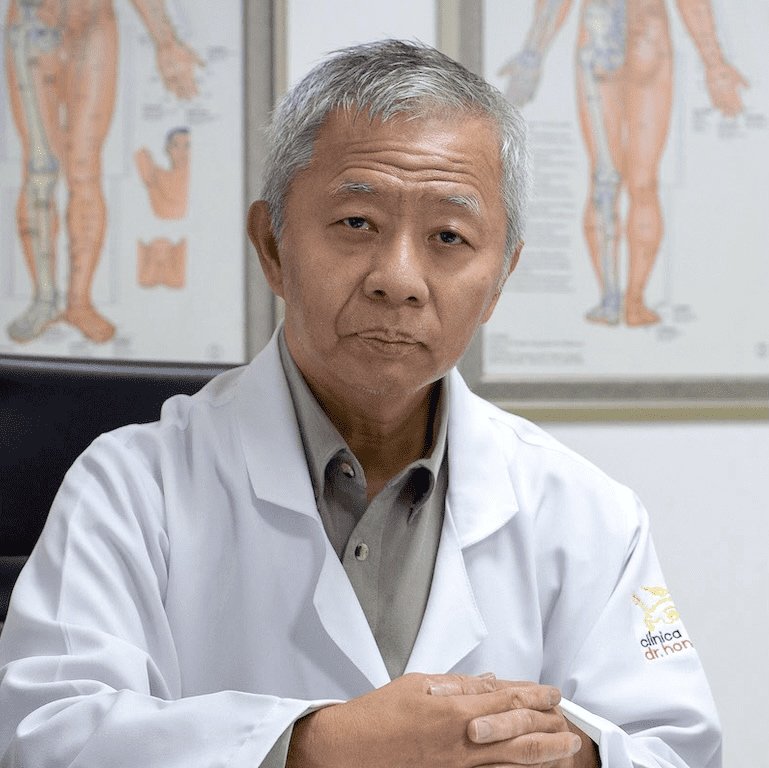
Expert Commentary
Prof. Dr. Hong Jin Pai
PhD in Sciences, University of São Paulo
▸ Clinical Relevance
Moxibustion occupies a specific place in the therapeutic arsenal of Chinese medicine, and this review offers the clinician a rational framework for understanding why it works beyond placebo effect or simple non-specific warming. The identification of three mechanisms operating in synergy — thermal, infrared radiation, and pharmacological — transforms the choice of application technique into a grounded clinical decision. For patients with conditions associated with yang deficiency, such as cold-pattern irritable bowel syndrome, osteoarthritis in the elderly, or primary dysmenorrhea with cold stasis pattern, moxibustion represents an adjuvant intervention with a plausible mechanism of action that is consistent with the pathophysiology according to TCM. The documented spectral correspondence between the radiation emitted by moxa and the acupoints themselves also reinforces the rationality of precise point selection, an aspect frequently questioned by skeptical peers.
▸ Notable Findings
The most attention-worthy datum in this review is the spectral consistency between indirect moxibustion and the acupuncture points themselves, both showing radiation peaks near 10 micrometers — a range that coincides with the so-called "atmospheric window" biologically relevant to human tissues. This finding confers robust biophysical plausibility to point specificity, something that goes beyond purely thermal explanation. Equally notable is the chemical breadth of artemisia: more than 60 components identified, among volatile oils, flavonoids, and polysaccharides with antioxidant, anti-inflammatory, and immunomodulatory actions. This means that smoke and combustion products are not undesired byproducts but potential vectors of local and systemic pharmacological action — which also imposes responsibility on the physician regarding the application environment and adequate ventilation of the office.
▸ From My Experience
In my practice at the HC-FMUSP Pain Center, moxibustion routinely integrates the protocol for selected cases, especially in elderly patients with chronic musculoskeletal pain, a yang deficiency pattern, and low tolerance for intense needling. I have observed that the subjective response of relaxation and pain reduction usually appears in the first two to three sessions, but consolidation of effect — particularly in chronic low back pain and knee pain — generally requires eight to twelve sessions before assessing monthly maintenance. I habitually combine it with electroacupuncture and adapted exercise guidance, since the mechanisms complement each other without interference. I avoid the technique in patients with severe peripheral neuropathy with hypoesthesia, due to the risk of burn from loss of pain perception, and in pregnant women before the third trimester outside of specific indications. The patient profile that responds best, in my experience, is exactly the one that classical theory would describe as a 'cold pattern with qi deficiency' — and this review provides the mechanistic basis that allows presenting this indication to colleagues in contemporary scientific language.
Full original article
Read the full scientific study
Evidence-Based Complementary and Alternative Medicine · 2013
DOI: 10.1155/2013/379291
Access original articleScientific Review

Marcus Yu Bin Pai, MD, PhD
CRM-SP: 158074 | RQE: 65523 · 65524 · 655241
PhD in Health Sciences, University of São Paulo. Board-certified in Pain Medicine, Physical Medicine and Rehabilitation, and Medical Acupuncture. Scientific review and curation of every entry in this library.
Learn more about the author →Medical disclaimer: This content is for educational purposes only and does not replace consultation, diagnosis, or treatment by a qualified professional. Some information may be assisted by artificial intelligence and is subject to inaccuracies. Always consult a physician.
Content reviewed by the medical team at CEIMEC — Integrated Centre for Chinese Medicine Studies, a reference in Medical Acupuncture for over 30 years.
Related articles
Based on this article’s categories