What Is Snoring?
Snoring is the sound produced by the vibration of the soft tissues of the pharynx during airflow through partially obstructed upper airways during sleep. It is an acoustic phenomenon that results from airflow turbulence in an airway with reduced caliber.
An estimated 40% of adult men and 24% of adult women snore habitually. Prevalence increases with age, excess weight, and alcohol consumption. Snoring may be primary (benign) or associated with obstructive sleep apnea syndrome (OSA), a condition with significant cardiovascular and neurocognitive consequences.
The distinction between primary snoring and apnea-related snoring is fundamental for clinical management. Primary snoring does not involve oxygen desaturation or microarousals, whereas OSA snoring is fragmented by respiratory pauses followed by gasping and intermittent desaturation.
Pharyngeal Vibration
Snoring results from vibration of the soft palate, uvula, and pharyngeal walls when airflow meets a narrowed airway during sleep-related muscle relaxation.
Clinical Spectrum
Snoring exists on a spectrum — from benign primary snoring to severe obstructive apnea. Polysomnography is the test that distinguishes these conditions.
Multifactorial
Anatomic factors (retrognathia, tonsillar hypertrophy), functional factors (pharyngeal hypotonia), and behavioral factors (obesity, alcohol) contribute to airway narrowing.
Pathophysiology
During sleep, there is a physiologic reduction in tone of the pharyngeal dilator muscles. In predisposed individuals, this reduction leads to critical narrowing of the airway in the retropalatal and retrolingual regions, generating airflow turbulence and vibration of the soft tissues.
The pharynx is the only segment of the upper airway without rigid cartilaginous or bony support. Its patency depends on the balance between negative inspiratory pressure (which tends to collapse the airway) and activity of the dilator muscles (genioglossus, tensor veli palatini, stylopharyngeus).

Factors That Narrow the Airway
Deposition of periluminal adipose tissue in obesity reduces pharyngeal caliber and increases collapsibility. Hypertrophy of the palatine tonsils and adenoids (especially in children) and retrognathia (recessed mandible) are important anatomic factors.
Alcohol and sedatives reduce pharyngeal muscle tone in a dose-dependent manner. The supine position lets gravity displace the tongue posteriorly, narrowing the retrolingual airway. Nasal congestion forces mouth breathing, which favors pharyngeal collapse.
The vagal gut–brain axis: how PC6 and ST36 regulate nausea and motility
Somatic afferents from the median and deep peroneal nerves reach brainstem nuclei and rebalance parasympathetic gastrointestinal pacing.
1. Somatic afferents (PC6 & ST36)
Needling PC6 (median nerve) and ST36 (deep peroneal nerve) projects directly to the nucleus tractus solitarius.
2. Vagal efferent pacing (CN X)
Parasympathetic vagal fibers steady 3 cpm gastric slow waves and trigger enteric cholinergic anti-inflammation.
3. Digestive indications
Supports medical care for nausea, functional dyspepsia, reflux sensitivity, and IBS visceral pain.
Symptoms
Snoring itself is often perceived by the bed partner, not by the patient. Intensity may exceed 80 decibels (equivalent to a heavy truck), significantly disturbing the partner's sleep.
Manifestations of Snoring and Associated Signs
Loud habitual snoring
Noisy sound, predominantly inspiratory, that may be heard outside the bedroom. Worse in the supine position and after alcohol intake.
Witnessed respiratory pauses
Partner reports moments of silence (apnea) followed by gasping or choking — suggests obstructive sleep apnea.
Excessive daytime sleepiness
When present, indicates sleep fragmentation and possible OSA. Patients may fall asleep in inappropriate situations.
Dry mouth on awakening
Results from nighttime mouth breathing caused by nasal narrowing or obstruction.
Morning headache
Associated with intermittent hypoxia and nocturnal hypercapnia in OSA.
Nocturia
Waking to urinate more than 2 times per night — associated with increased atrial natriuretic peptide due to hypoxia.
Diagnosis
Evaluation of the snorer includes detailed clinical history (including partner's report), physical examination of the upper airways, and polysomnography to differentiate primary snoring from OSA. Validated questionnaires such as Epworth and STOP-BANG assist in screening.
The otolaryngologic examination evaluates nasal anatomy (septal deviation, turbinate hypertrophy), oropharynx (Mallampati classification, tonsil size), retropharynx and hypopharynx (nasofibroscopy). Cephalometry and drug-induced sleep endoscopy (DISE) help pinpoint the site of obstruction.
Diagnostic Evaluation of Snoring
- Clinical history: frequency, intensity, position, report of apneas, daytime sleepiness
- Questionnaires: Epworth Sleepiness Scale, STOP-BANG (OSA risk)
- ENT examination: nasoscopy, oroscopy, Mallampati classification, mandibular evaluation
- Polysomnography: apnea-hypopnea index (AHI), minimum O2 saturation
- Drug-induced sleep endoscopy (DISE): localizes the exact site of obstruction under sedation
Three-level medical prescription: local, segmental, and distal points
Rather than relying on isolated points, physicians combine three complementary tiers to address local tissue, spinal gating, and central tone.
1. Local tier (Ashi / trigger)
Addresses the taut band, fascia, or painful joint directly via adenosine and perfusion.
2. Segmental tier (spinal)
Targets the matching dermatome and myotome to engage dorsal-horn synaptic gating.
3. Distal tier (supraspinal)
Extremity points recruit PAG/RVM descending analgesia, vagal tone, and sleep depth.
Differential Diagnosis
Not all snoring has the same cause or severity. The acupuncture physician evaluates the clinical and polysomnographic picture to identify the underlying condition and the most appropriate treatment.
Differential Diagnosis
OSAHS (Obstructive Sleep Apnea-Hypopnea Syndrome)
- Witnessed respiratory pauses by the partner
- Excessive daytime sleepiness (Epworth > 10)
- AHI > 5 events/hour on polysomnography
- Intermittent oxygen desaturation
- Sleepiness while driving
- Hypertension resistant to treatment
- Cardiac arrhythmias or heart failure
Medical acupuncture may be adjunctive for mild OSA. For moderate to severe OSA, CPAP is indispensable and should not be replaced.
Nasal Obstruction
- Snoring associated with chronic nasal congestion
- Septal deviation, turbinate hypertrophy, nasal polyposis
- Worse during allergic periods or respiratory infection
- Daytime oral breathing
- Recurrent unilateral epistaxis: nasal neoplasm
Acupuncture has evidence for reducing allergic nasal congestion and may reduce snoring associated with functional nasal obstruction.
Macroglossia / Hypothyroidism
- Bulky tongue narrowing the retropharyngeal space
- Hypothyroidism: fatigue, weight gain, dry skin
- Hoarse voice, psychomotor slowing, constipation
- Snoring of late onset in a previously non-snoring adult
- Severe hypothyroidism may cause OSA that resolves completely with levothyroxine
The acupuncture physician investigates hypothyroidism in snorers. Treating hypothyroidism may eliminate snoring without specific airway intervention.
Tonsillar / Adenoid Hypertrophy
- Main cause of snoring in children
- Grade III or IV tonsils obstructing the oropharynx
- Oral breathing, nasal speech, recurrent otitis in children
- Adults: residual hypertrophy or incomplete regression
- Severe OSA in a child: surgical urgency due to risk of cor pulmonale and developmental delay
In children with adenoid/tonsillar obstruction, the primary approach is surgical. Acupuncture may assist pré- and postoperatively to reduce inflammation and improve immune status.
Muscle Relaxation from Alcohol / Sedatives
- Loud snoring only on nights with alcohol or benzodiazepine use
- Absence of snoring on nights without these substances
- May mask or aggravate preexisting OSA
- Excessive morning sleepiness
- Alcohol in a patient with known OSA: increased risk of severe desaturation
Acupuncture may assist in reducing alcohol and benzodiazepine dependence, which indirectly improves snoring in these patients.
Simple Snoring versus OSAHS
Primary (simple) snoring and obstructive sleep apnea-hypopnea syndrome (OSAHS) represent a spectrum of sleep-related breathing disorders with increasing severity. Simple snoring — without apneas, hypopneas, or desaturations — does not impair sleep quality and has no documented cardiovascular impact. OSAHS, by contrast, involves repetitive partial or total airway obstruction during sleep, with an apnea-hypopnea index (AHI) of 5 or more events per hour, associated with oxygen desaturation, microarousals, and excessive daytime sleepiness. Laboratory polysomnography remains the diagnostic gold standard, although type III portable monitors are a validated alternative for patients without significant cardiorespiratory comorbidities.
Clinical distinction between simple snoring and OSAHS is often impossible without objective testing, since snoring intensity does not correlate with apnea severity. The Epworth (sleepiness) questionnaire and STOP-Bang are screening tools, but with limited sensitivity in moderate cases. The acupuncture physician should refer for polysomnography any snoring patient with daytime sleepiness, difficult-to-control hypertension, arrhythmias, or a partner reporting respiratory pauses.
Primary snoring
- It is not accompanied by apneas, hypopneas, or desaturations.
- It does not impair sleep quality.
- It has no documented cardiovascular impact.
- The patient sleeps well and wakes rested.
Obstructive sleep apnea (OSA)
- Snoring is interrupted by respiratory pauses followed by gasping.
- There is oxygen desaturation and microarousals that fragment sleep.
- It causes excessive daytime sleepiness.
- It has significant cardiovascular and neurocognitive consequences.
Nasal Obstruction as a Primary Cause
Chronic nasal obstruction is a frequent and often treatable cause of snoring. When nasal resistance is increased — due to septal deviation, turbinate hypertrophy, nasal polyps, or allergic rhinitis — the patient develops mouth breathing during sleep, which reduces retropharyngeal muscle tone and facilitates upper airway collapse. Internal nasal valve collapse, anterior septal deviation, and inferior turbinate hypertrophy are the most common anatomic findings in this context. Anterior rhinomanometry and nasofibroscopy allow objective evaluation of the degree of obstruction and identification of the site.
Acupuncture has specific evidence for reducing nasal congestion in patients with allergic rhinitis — a mechanism by which it may contribute to reducing snoring associated with nasal obstruction. Points such as LI-20 (Yingxiang), EX-HN3 (Yintang), and LI-4 (Hegu) are most commonly used in protocols for nasal patency. Surgical treatment of nasal obstruction (septoplasty, turbinoplasty) can significantly reduce snoring and AHI when nasal obstruction is the dominant factor.
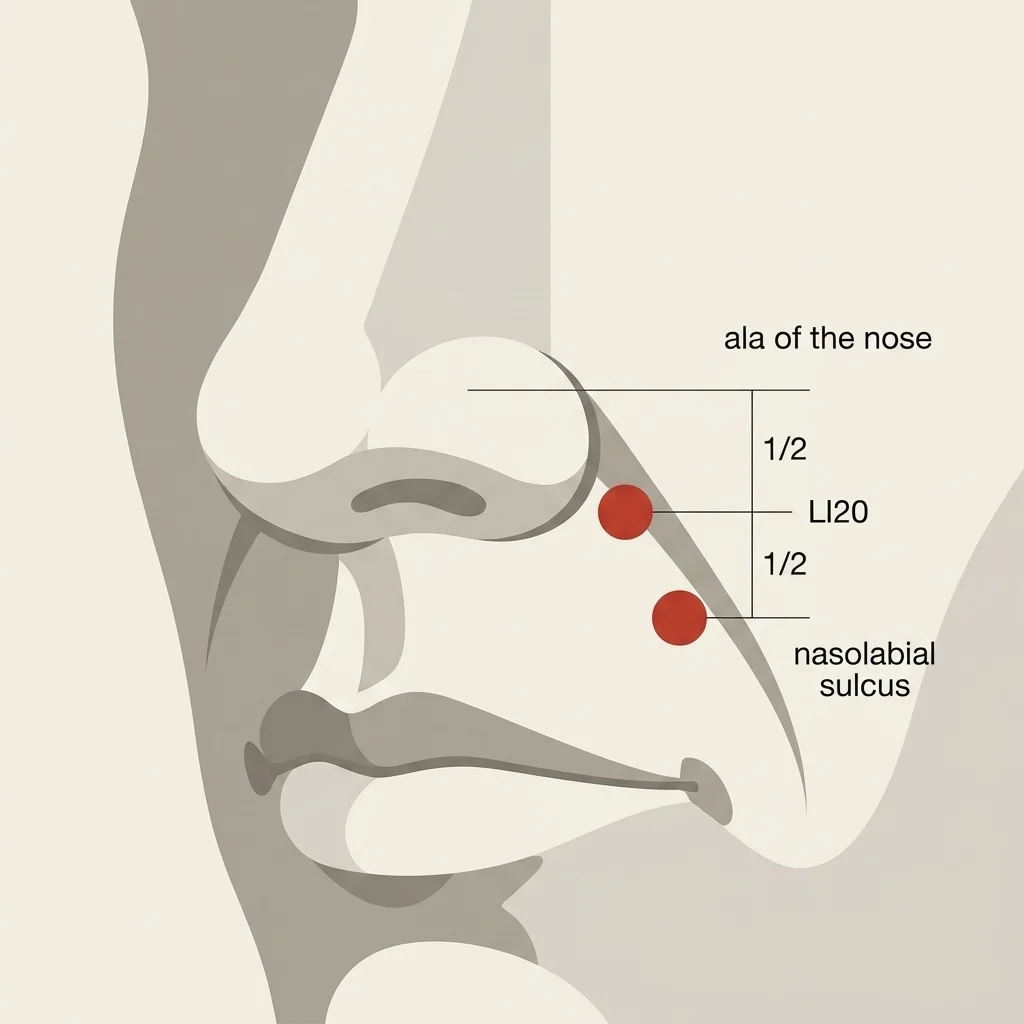
- Location
- On the face, in the nasolabial groove, at the level of the midpoint of the lateral border of the ala of the nose.
Hypothyroidism and Macroglossia
Hypothyroidism is an important and frequently underdiagnosed secondary cause of snoring and OSAHS. Thyroid hormone deficiency causes mucopolysaccharide accumulation in the tongue (macroglossia), pharyngeal mucosa, and vocal folds, reducing upper airway caliber. Additionally, the generalized muscle hypotonia of hypothyroidism reduces pharyngeal dilator muscle tone, favoring collapse. Weight gain — another manifestation of hypothyroidism — further amplifies obstruction. OSAHS due to hypothyroidism is potentially reversible with levothyroxine replacement, which makes TSH a mandatory test when evaluating snorers, especially in middle-aged adults with other signs of thyroid disease.
Macroglossia may also be congenital (Down syndrome, acromegaly, Beckwith-Wiedemann syndrome) or acquired due to amyloidosis or myxedema. The acupuncture physician should include TSH in the initial workup of snoring, especially in patients with associated fatigue, cold intolerance, and unexplained weight gain. Normalizing thyroid function may partially or fully resolve snoring without need for additional airway intervention.
Treatment
Treatment of snoring depends on identification of the site of obstruction and the presence or absence of associated apnea. Options range from behavioral measures to surgery, including oral appliances and positive pressure (CPAP).
Behavioral Measures
Weight loss (a 10% weight reduction can reduce AHI by 26%), avoid alcohol 4 hours before bed, avoid sedatives, sleep hygiene, positional therapy (avoid supine position with specific devices or pillows).
Oral Appliances
Mandibular advancement devices (MAD) are effective for primary snoring and mild to moderate OSA. They advance the mandible 6-10 mm, increasing the retropharyngeal space. They should be made by a sleep dentist with progressive titration.
CPAP/BiPAP
Indicated when moderate to severe OSA is also present. Continuous positive pressure is the gold standard for OSA, eliminating pharyngeal collapse and snoring. Adherence is the main therapeutic challenge.
Surgical Treatment
Uvulopalatopharyngoplasty (UPPP), tonsillectomy, septoplasty, turbinectomy, maxillomandibular advancement. Surgical selection is based on the site of obstruction identified by DISE. Hypoglossal nerve stimulation is a recent option for refractory OSA.
Do
- Avoid alcohol 4 hours before bed
- Quit smoking
- Reassess with polysomnography after significant changes, such as weight loss > 10% or surgery
Avoid
- Use sedatives
- Replace CPAP with acupuncture in moderate to severe OSA
- Discontinue CPAP without reassessment
Acupuncture as Treatment
Acupuncture has been studied as complementary therapy for snoring and mild OSA. Proposed mechanisms include modulation of pharyngeal dilator muscle tone (especially the genioglossus), modulation of central respiratory drive, and reduction of local inflammation of pharyngeal tissues — hypotheses derived from small studies and preclinical models, still without definitive mechanistic validation in humans.
Small clinical trials suggest that acupuncture may reduce the apnea-hypopnea index in patients with mild to moderate OSA, with subjective improvement in sleep quality, but the evidence is limited by protocol heterogeneity and small sample size. No current systematic review recommends acupuncture as first-line therapy.
Acupuncture does not replace CPAP in moderate to severe OSA. It may serve as a complement for primary snoring or mild OSA, especially when behavioral measures alone are insufficient. Typical protocols involve 10-15 sessions, twice a week.
Prognosis
Primary snoring, by definition, does not entail significant cardiovascular or neurocognitive consequences, although it does affect the partner's quality of life. However, snoring may be progressive — with aging and weight gain, it tends to evolve into OSA.
Untreated OSA is associated with a 2-3-fold increased risk of hypertension, cardiac arrhythmias, stroke, and myocardial infarction. Daytime sleepiness increases the risk of motor vehicle accidents 2-7-fold. Adequate treatment (CPAP, oral appliance, surgery) improves sleepiness and quality of life and may reduce part of these risks, although the benefit on cardiovascular events is less clear.
Sustained weight loss may cure mild to moderate OSA. In patients with severe OSA, weight loss improves AHI but rarely fully eliminates the need for CPAP. Bariatric surgery shows OSA cure rates of 60-80% in morbidly obese patients.
Myths and Facts
Myth vs. Fact
Snoring is normal and harmless
Habitual snoring may be a sign of obstructive sleep apnea, a condition associated with higher cardiovascular risk and that causes dangerous daytime sleepiness.
Only obese people snore
Although obesity is the main risk factor, lean people may snore due to anatomic factors such as retrognathia, large tonsils, or septal deviation.
A good night of sleep resolves snoring
Snoring is a structural and functional airway problem. Although sleep deprivation worsens snoring, rest does not resolve the cause — medical evaluation is necessary.
Nasal sprays cure snoring
Decongestant sprays relieve nasal obstruction but do not correct pharyngeal collapse, the main cause of snoring. Chronic use can cause rhinitis medicamentosa.
CPAP is only for extreme cases
CPAP is indicated for moderate to severe OSA. There are now more comfortable and quieter devices, and adherence improves significantly with appropriate follow-up.
When to Seek Help
Snoring should be investigated whenever it is habitual, loud, or accompanied by other symptoms.
Frequently Asked Questions about Snoring
No. Primary snoring occurs without respiratory pauses or oxygen desaturation and has no cardiovascular consequences. However, a significant proportion of habitual snorers have some degree of obstructive sleep apnea — with estimates that vary across studies. Polysomnography is the only test that distinguishes the two conditions accurately.
Polysomnography is a sleep study that monitors brain activity, eye movements, muscle tone, airflow, respiratory effort, oxygen saturation, and heart rate. It is indicated for habitual snoring with daytime sleepiness, witnessed respiratory pauses, resistant hypertension, or high risk on the STOP-BANG questionnaire.
Significantly. Periluminal pharyngeal fat reduces airway caliber. A 10% loss of body weight can reduce the apnea-hypopnea index by 26%. In mild OSA associated with obesity, weight loss can completely eliminate snoring and apnea. It is the most effective long-term intervention for snorers with overweight or obesity.
Yes. Alcohol relaxes the pharyngeal muscles in a dose-dependent manner, worsens airway collapsibility, and suppresses the arousal response, potentially aggravating OSA with greater desaturation. Smoking inflames the airway mucosa, increasing congestion and nasal resistance. Avoiding alcohol 4 hours before bed and quitting smoking are first-line interventions.
Mandibular advancement devices are effective for primary snoring and mild to moderate OSA, reducing AHI in 50-70% of cases. They work by advancing the mandible, which increases the retropharyngeal space and reduces collapsibility. They should be made and titrated by a sleep dentist. They are an alternative to CPAP for patients who do not tolerate the mask.
Habitual snoring in children should always be investigated. The most common cause is adenoid and tonsillar hypertrophy. In children, OSA can cause growth delay, behavioral problems, school difficulties, and, in severe cases, cardiac compromise. Adenotonsillectomy is the first-line treatment for pediatric OSA due to tonsillar hypertrophy and normalizes polysomnography in most cases, but not in all.
Acupuncture is not considered a cure for snoring. For primary snoring and mild OSA, small clinical trials suggest that medical acupuncture may reduce the frequency and intensity of snoring and AHI in some patients, but the evidence is still limited and does not replace first-line treatment. The acupuncture physician may use it as adjunctive, with follow-up polysomnography recommended to evaluate objective response. For moderate to severe OSA, CPAP remains indispensable.
In most cases of moderate to severe OSA, CPAP is a long-term treatment. However, with significant weight loss or effective surgery, the need may diminish or be eliminated. Reassessment with polysomnography after significant changes (weight loss > 10%, surgery) is always recommended. Discontinuation of CPAP without reassessment is risky.
Yes. Lateral decubitus reduces snoring in most people because it prevents posterior displacement of the tongue by gravity. An estimated 56% of people with OSA have the positional form — supine AHI is at least double the lateral AHI. Positional therapy devices (vests, special pillows) are effective options for these patients.
Primary snoring is loud but does not involve respiratory pauses, oxygen desaturation, or sleep fragmentation — the patient sleeps well and wakes rested. In OSA, snoring is interrupted by apneas (pauses > 10 seconds) with desaturation and microarousals that fragment sleep, causing daytime sleepiness, cardiovascular risk, and cognitive impairment. The distinction requires polysomnography.
Related Reading
Deepen your knowledge with related articles
What clinical trials tested for this condition — Sleep Apnea & Snoring
Share among studies for this condition that reported specific acupoints.
- studies analyzed
- 6 studies analyzed
- RCTs
- 3 RCTs
- sham-controlled
- 4 sham-controlled
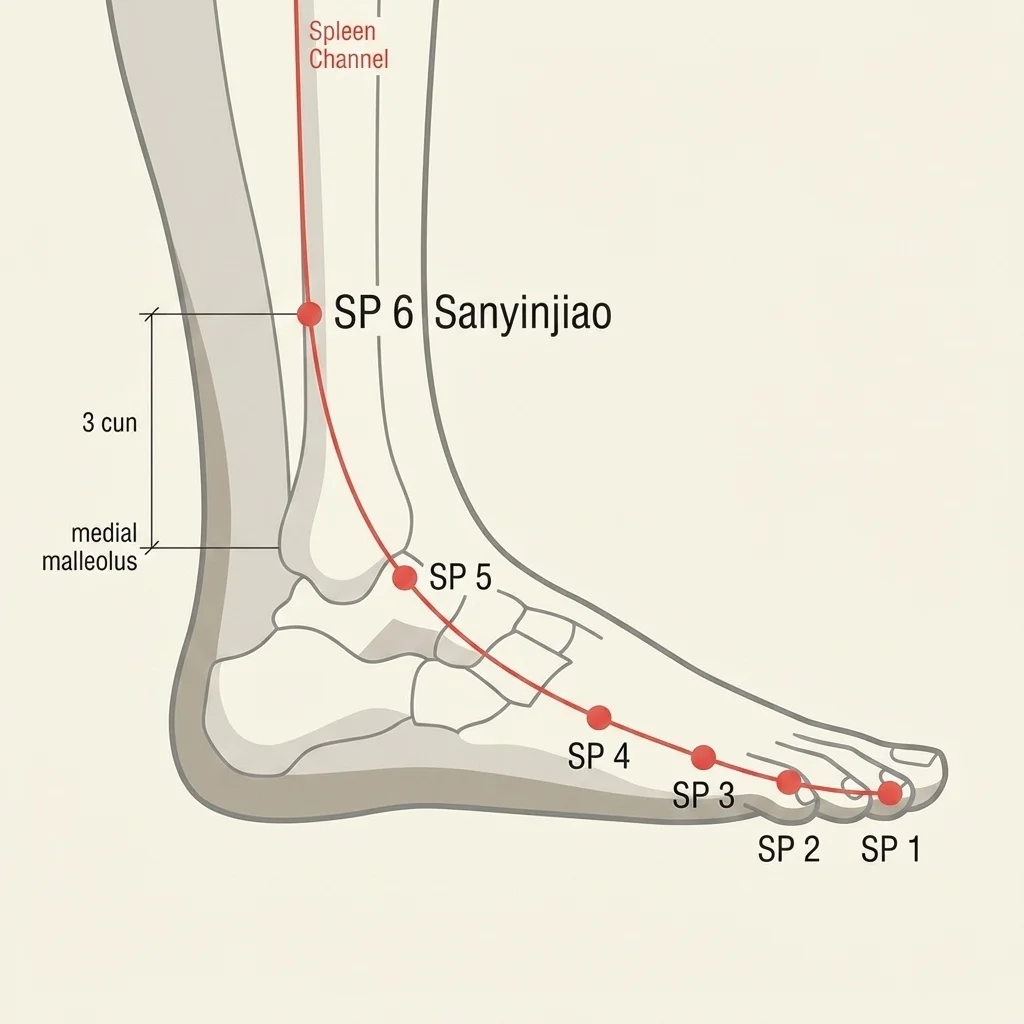
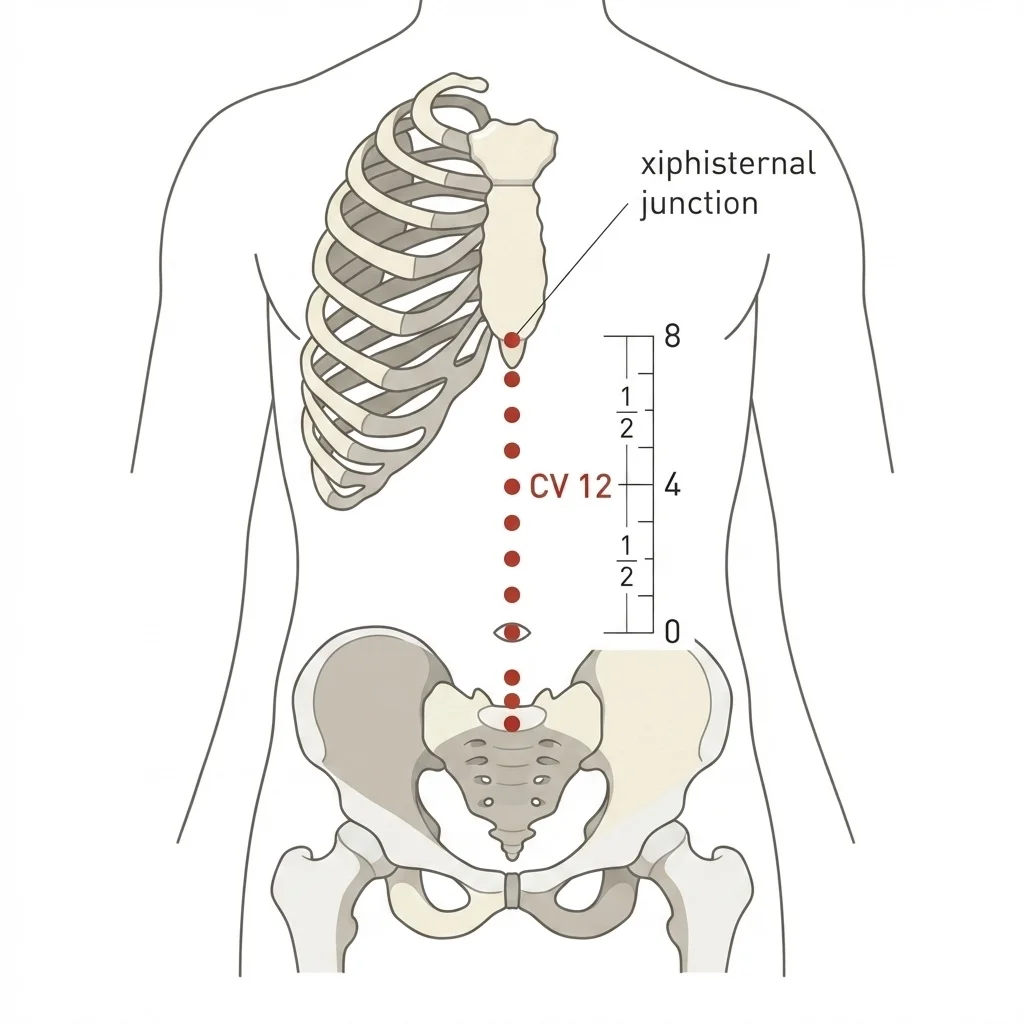
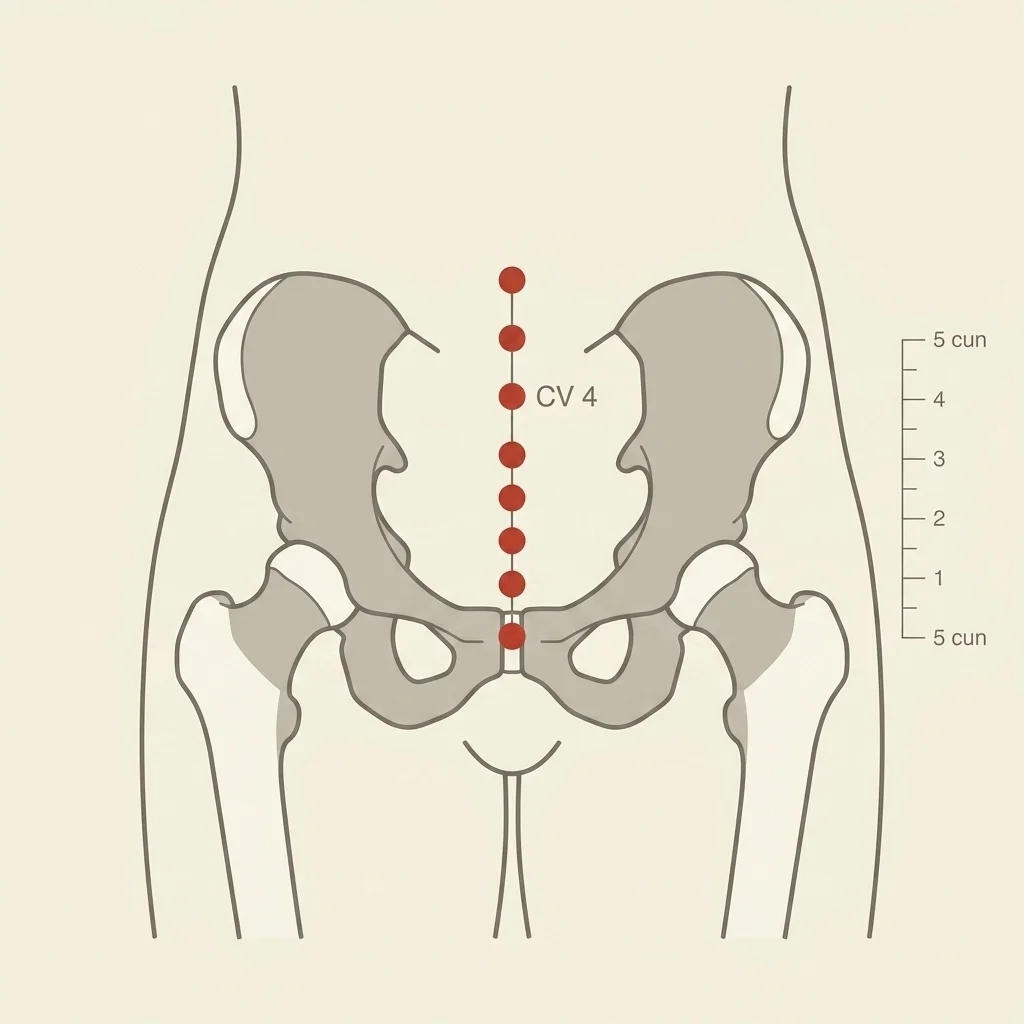
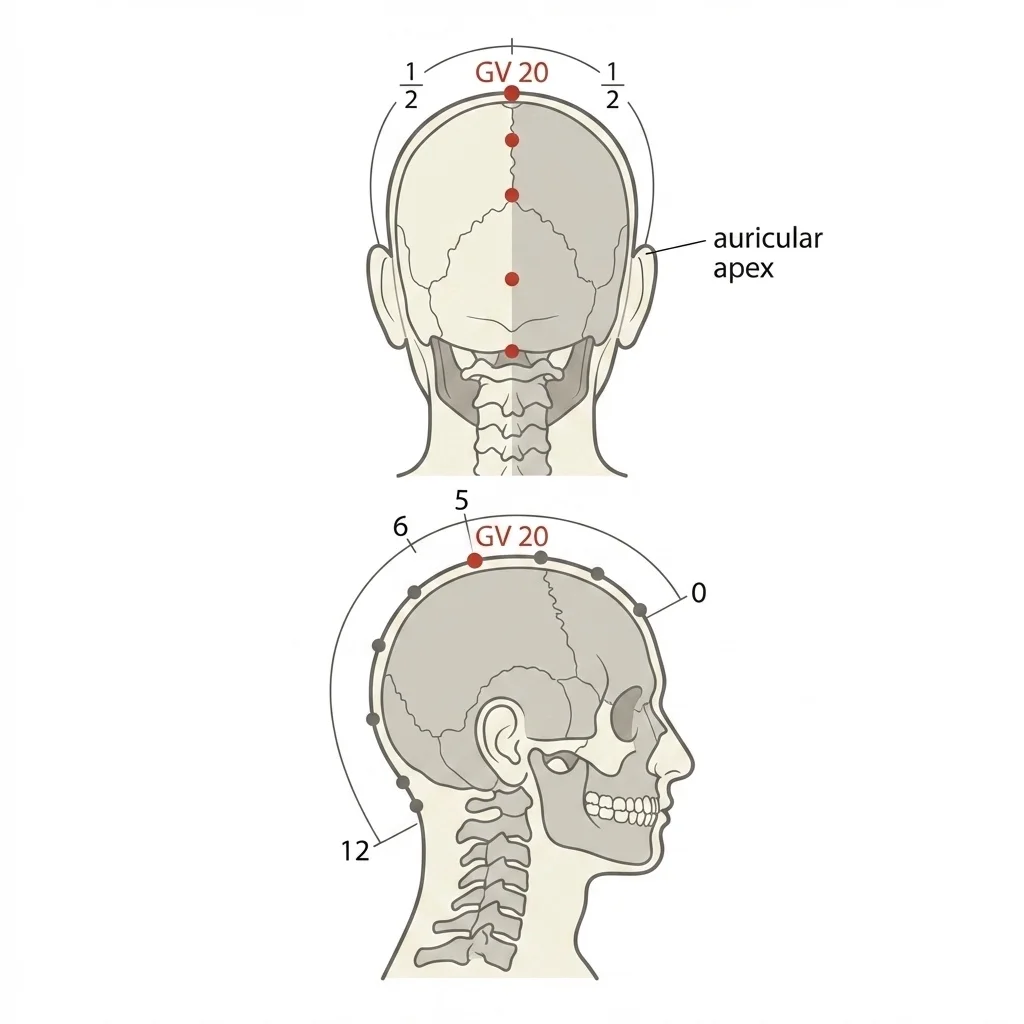
Co-prescribed pairs
- CV12 + SP62×
- CV12 + ST362×
- EX-HN3 + GV242×
- GV20 + HT72×
Typical session window
12–36 sessions
Trial comparators
- vs Sham / Placebo
- 4 trials
- vs Medication
- 6 trials
- vs Rehab / Exercise
- 2 trials
- vs Usual Care
- 2 trials