
What Is PTSD?
Post-Traumatic Stress Disorder (PTSD) is a psychiatric condition that can develop after a person experiences or witnesses a traumatic event — such as violence, a serious accident, a natural disaster, sexual abuse, or combat. The disorder presents clinically with intrusive re-experiencing of the trauma, avoidance of associated stimuli, cognitive and mood alterations, and autonomic hyperactivation.
It's important to understand that not everyone exposed to trauma develops PTSD. Approximately 80% of people exposed to traumatic events recover naturally within the first weeks. PTSD occurs when the brain cannot adequately process and integrate the traumatic memory, keeping the person "trapped" in the event.
PTSD isn't a sign of weakness — it's a neurobiological response to an overwhelming experience. The traumatized brain is trying to protect the person from a danger that, though past, still feels present and imminent.
"Frozen" Traumatic Memory
In PTSD, the trauma memory isn't processed normally. It stays fragmented and is relived as if the event were happening now.
Dysregulated Protective Response
The threat-detection system (amygdala) stays hyperactive, triggering fear responses to trauma reminders even when there's no real danger.
Effective Treatment Exists
Trauma-specific psychotherapies (EMDR, Prolonged Exposure) have remission rates of 50-70%. Recovery is possible and likely with adequate treatment.
Pathophysiology
PTSD involves dysfunction in three interrelated brain circuits: amygdala hyperactivation (threat detection), medial prefrontal córtex hypoactivation (emotional regulation), and hippocampal dysfunction (memory contextualization).

The Fear Circuit
The amygdala functions as the brain's "fire alarm" — it detects threats and activates fear responses. In PTSD, this alarm is permanently hypersensitive. Stimuli that vaguely recall the trauma (a sound, a smell, an image) trigger intense and automatic fear responses, as if the danger were current.
The medial prefrontal córtex, which normally modulates and "switches off" the amygdala when it recognizes that there is no real danger, is hypoactive in PTSD. This means that the fear response, once activated, persists for much longer than it should. The patient knows rationally that they are safe, but their body and emotions react as if they were in danger.
Traumatic Memory
The hippocampus — responsible for organizing memories in time and space — has its functioning impaired during the traumatic event. As a result, the trauma memory is not adequately "filed". Instead of becoming a memory of the past, it remains fragmented, vivid, and intrusive, as if it were happening in the present.
Central sensitization, autonomic arousal, and fragmented sleep: breaking the loop in 3 stages
In persistent systemic syndromes, sympathetic hyperarousal, non-restorative sleep, and central sensory amplification reinforce one another unless addressed together.
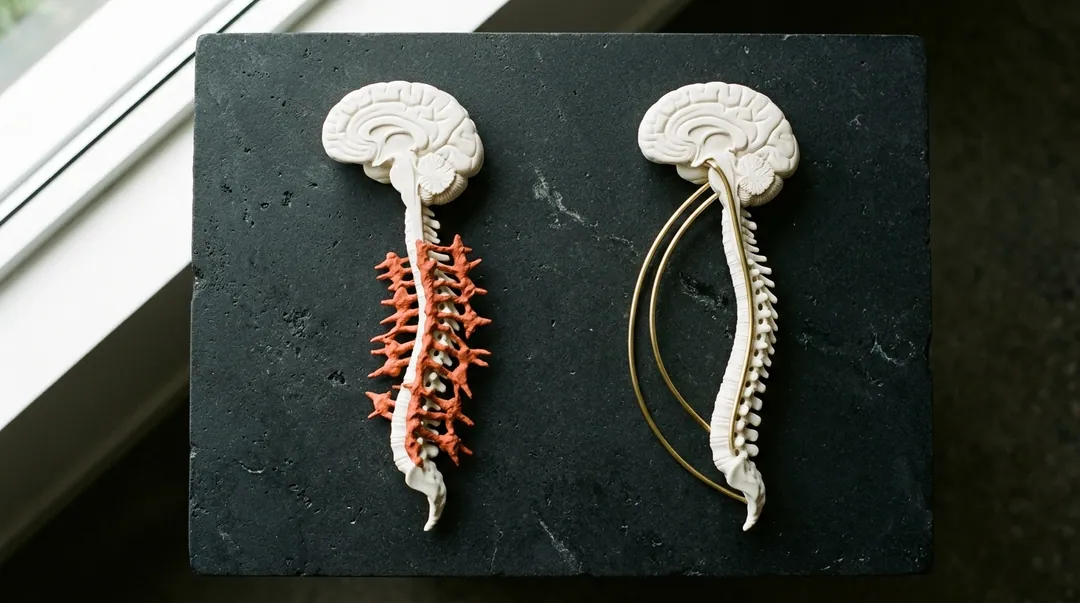
1. Quiet sympathetic hyperarousal
Medical acupuncture shifts autonomic balance toward vagal regulation and dampens central sensory gain.
2. Restore continuous deep sleep
Consolidating nocturnal sleep recovers endogenous descending pain and symptom filtering the following day.
3. Rebuild graded physical reserve
Paced movement matched to daily tolerance restores cardiovascular and muscular capacity without boom-bust flares.
Symptoms
PTSD manifests in four symptom clusters that must be present for at least one month after the traumatic event. Symptoms can emerge immediately or have delayed onset (months or even years later).
PTSD Symptom Clusters
Intrusive re-experiencing
Flashbacks (reliving the event as if it were happening now), recurrent nightmares about the trauma, intense distress when exposed to reminders of the event. Re-experiencing is involuntary and uncontrollable.
Avoidance
Avoiding thoughts, feelings, and conversations about the trauma. Avoiding people, places, activities, and situations that recall the event. Avoidance can become very restrictive — leading to progressive isolation.
Negative alterations in cognition and mood
Inability to remember important aspects of the trauma. Persistent negative beliefs about oneself ("I am to blame"), others ("no one is trustworthy"), or the world ("it is dangerous"). Persistent feelings of distorted guilt, shame, fear, or anger.
Emotional numbing
Sense of detachment from others. Inability to experience positive emotions (love, joy). Loss of interest in activities. Sense of foreshortened future.
Autonomic hyperactivation
Constant alertness (hypervigilance). Exaggerated startle response. Irritability and angry outbursts. Difficulty concentrating. Insomnia and fragmented sleep.
Trauma-related nightmares
Recurrent dreams replaying the traumatic event or evoking themes of threat and helplessness. They cause fear of sleeping and are one of the most distressing complaints.
Dissociation
Sensation of being "outside the body" (depersonalization) or that the world is not real (derealization). Memory gaps. Present in the dissociative subtype of PTSD.
Physical symptoms
Chronic pain (headache, low back pain, fibromyalgia), gastrointestinal problems, palpitations, fatigue. PTSD is associated with a significant increase in somatic complaints.
Diagnosis
PTSD diagnosis is clinical, based on DSM-5 criteria. The PCL-5 (PTSD Checklist for DSM-5) is widely used for screening and monitoring. The assessment should be performed by a professional trained in trauma, in a safe and welcoming environment.
DSM-5 Criteria for PTSD
Source: American Psychiatric Association — DSM-5
Criterion A: Exposure to Traumatic Event
- Direct experience of the traumatic event
- Witnessing in person the event occurring to others
- Learning that a traumatic event happened to a close family member or friend
- Repeated exposure to aversive details of the event (e.g., first responders, police)
Criterion B: Intrusion (≥ 1 symptom)
- Recurrent intrusive memories of the event
- Recurrent distressing dreams related to the event
- Dissociative reactions (flashbacks)
- Intense suffering at cues that recall the trauma
- Physiological reactions to trauma reminders
Criteria C-E
All criteria (A-E) must be met- Criterion C: Persistent avoidance of related stimuli (≥ 1 symptom)
- Criterion D: Negative changes in cognition and mood (≥ 2 symptoms)
- Criterion E: Changes in arousal and reactivity (≥ 2 symptoms)
- Duration longer than 1 month
- Clinically significant distress or functional impairment
Differentiating PTSD from Other Conditions
| Condition | Similarity | Main Difference |
|---|---|---|
| Acute stress disorder | Same symptoms after trauma | Duration of 3 days to 1 month (PTSD: >1 month) |
| Adjustment disorder | Emotional response to a stressor event | Event doesn't meet the trauma criterion; symptoms are less severe |
| GAD | Hypervigilance, insomnia | In PTSD, anxiety is linked to the specific trauma |
| Major depression | Anhedonia, guilt, isolation | PTSD involves intrusive re-experiencing and specific avoidance |
| Borderline personality disorder | Emotional dysregulation, dissociation | BPD has a chronic relational pattern; PTSD is linked to a specific event |
| Complex PTSD | PTSD symptoms + emotional dysregulation | Complex PTSD: prolonged/repeated trauma (childhood abuse) |
Descending inhibitory pathway: from midbrain (PAG/RVM) to the dorsal horn
Medical acupuncture activates brainstem pain-control nuclei that project serotonin and noradrenaline back down to the spinal cord.
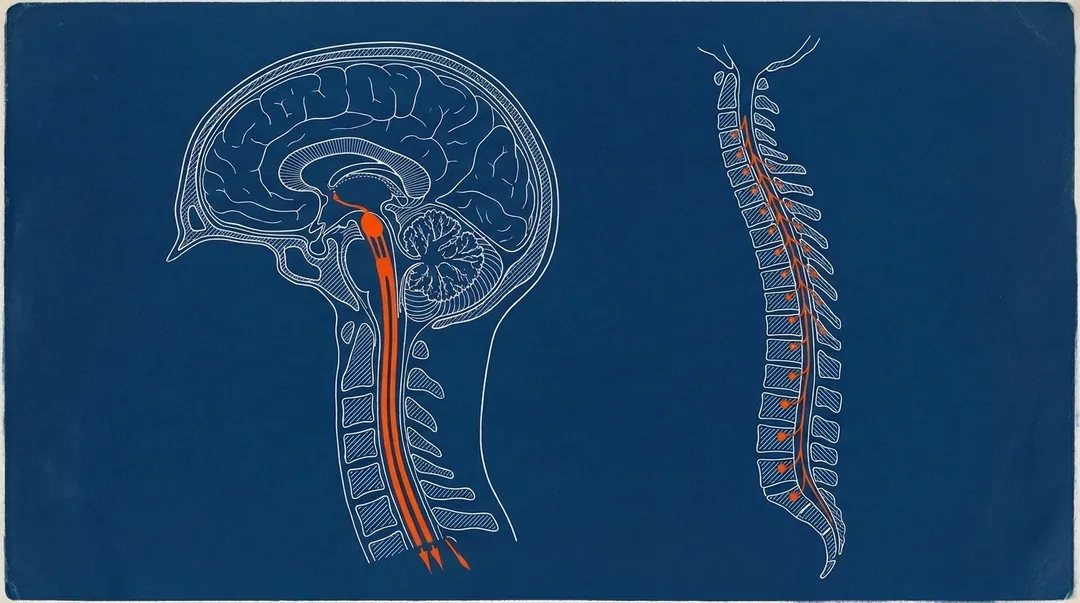
1. Periaqueductal gray (PAG)
Midbrain opioid-sensitive hub that initiates supraspinal analgesic braking.
2. Ventromedial medulla (RVM)
Brainstem relay sending descending serotonergic (5-HT) and noradrenergic (NA) tracts.
3. Dorsal horn gain filter
Suppresses incoming nociceptive amplification before signals ascend to the thalamus.
Differential Diagnosis
Major Depression
Read more- No flashbacks or hypervigilance
- Sadness as the central symptom
- May coexist with PTSD
Adjustment Disorder
- Response to a less intense stressor
- Duration <6 months
- No flashbacks/numbing
OCD
- Obsessions unrelated to a specific trauma
- Compulsions to neutralize
- No avoidance of traumatic stimuli
GAD
Read more- Generalized worry without a central trauma
- No flashbacks
- No emotional numbing
Dissociative Disorder
- Depersonalization, derealization
- Identity fragmentation
- May occur after severe trauma
PTSD and Major Depression
PTSD and major depression coexist in about 50% of cases, making the differential diagnosis complex. The key clinical distinction lies in PTSD phenomena that are absent in pure depression: flashbacks and intrusive trauma memories (re-experiencing), event-related nightmares, hypervigilance and exaggerated startle response, avoidance of trauma-related stimuli, and emotional numbing. In depression without trauma, the depressed mood is diffuse and isn't tied to specific traumatic triggers.
The PCL-5 scale (PTSD Checklist) is a validated PTSD screening tool. Therapeutically, the distinction matters because trauma-focused psychotherapies (EMDR, PE, CPT) are PTSD-specific and differ from CBT for depression. When both coexist, it's often necessary to treat the PTSD first só the trauma-secondary depression can be addressed.
OCD and Dissociative Disorder
OCD can be confused with PTSD when the patient has disturbing intrusive thoughts about a traumatic event. The difference lies in the nature of the intrusions: in PTSD they're memories or flashbacks of the actual event; in OCD they're ego-dystonic obsessions (recognized as irrational by the patient) that may or may not be trauma-related, always accompanied by neutralizing compulsions. The Y-BOCS scale and structured interview help make the distinction.
Dissociative disorders, especially Dissociative Identity Disorder (DID), often originate in severe, repeated trauma. Depersonalization (feeling outside one's own body) and derealization (feeling the world isn't real) can occur in severe PTSD. When significant traumatic amnesia or altered identity states (multiple "selves") are present, dissociation specialty care is needed.
Adjustment Disorder vs. PTSD
Adjustment disorder (AD) can be confused with PTSD when it follows stressor events. The central difference lies in the stressor itself: in PTSD, the trauma must be extreme — threat of death, sexual violence, catastrophe — exceeding normal processing capacity. In AD, the stressor can be relatively common (separation, job loss, illness), and the symptoms, though significant, don't include the dissociative phenomena and re-experiencing characteristic of PTSD.
AD has a better prognosis and generally resolves within 6 months of stressor resolution, with relatively simple intervention (support, brief psychotherapy). PTSD can become chronic without specialized trauma-focused treatment. When in doubt, evaluation by a trauma-specialized psychiatrist or psychologist is recommended.
PTSD
- The trauma must be extreme — threat of death, sexual violence, catastrophe — exceeding normal processing capacity.
- The symptoms include the dissociative phenomena and re-experiencing characteristic of PTSD.
- It can become chronic without specialized trauma-focused treatment.
Adjustment disorder
- The stressor can be relatively common (separation, job loss, illness).
- The symptoms, though significant, do not include the dissociative phenomena and re-experiencing.
- It has a better prognosis and generally resolves within 6 months of stressor resolution.
- The intervention is relatively simple (support, brief psychotherapy).
Treatment
The first-line treatment for PTSD is trauma-focused psychotherapies. Pharmacotherapy is adjunctive, not a substitute. The goal of treatment is to process the traumatic memory só that it is integrated as an experience of the past, not as a present threat.
Trauma-Focused Psychotherapies
First-Line Treatments for PTSD
| Therapy | Mechanism | Evidence | Typical Sessions |
|---|---|---|---|
| Prolonged Exposure (PE) | Gradual exposure to avoided memories and situations until habituation | Strong (level A) | 8-15 sessions |
| EMDR | Processing of traumatic memories with bilateral stimulation | Strong (level A) | 6-12 sessions |
| Trauma-focused CBT | Cognitive restructuring of distorted beliefs + exposure | Strong (level A) | 12-16 sessions |
| Cognitive processing therapy | Focus on beliefs about the trauma (guilt, safety, trust) | Strong (level A) | 12 sessions |
Pharmacotherapy
First-line medications for PTSD are SSRIs (sertraline and paroxetine are FDA-approved) and SNRIs (venlafaxine). They reduce the intensity of intrusion, avoidance, and hyperactivation symptoms, but do not replace trauma-focused psychotherapy.
Prazosin (alpha-1 adrenergic blocker) was traditionally used for traumatic nightmares — one of the most disturbing symptoms of PTSD. The evidence is mixed: early trials showed benefit, but the large PACT trial (Raskind et al., NEJM 2018) in veterans did not confirm superiority over placebo. Guidelines (VA/DoD) maintain prazosin as a conditional, not first-line, option, with the decision to be individualized by the psychiatrist. Benzodiazepines are contraindicated in PTSD because they interfere with fear processing and may worsen prognosis.
Phase 1: Stabilization
Psychoeducation about PTSD. Establishing safety. Emotional regulation and grounding techniques. Pharmacotherapy if indicated (SSRIs).
Phase 2: Processing (8-16 sessions)
Trauma-focused psychotherapy (PE, EMDR, or CBT). Processing and integrating traumatic memories. Cognitive restructuring.
Phase 3: Reintegration
Resuming avoided activities. Rebuilding social connections. Consolidating therapeutic gains.
Follow-up (6-12 months)
Monitoring residual symptoms. Relapse prevention. Treating persistent comorbidities.
Do
- When medication is indicated, the first-line options are SSRIs (sertraline and paroxetine) and SNRIs (venlafaxine).
- Keep up trauma-focused psychotherapy, since medications do not replace it.
- Individualize the decision on prazosin with the psychiatrist.
Avoid
- Use benzodiazepines, which are contraindicated in PTSD.
- Treat prazosin as a first-line option.
Acupuncture as Treatment
Acupuncture has been studied as a complementary PTSD treatment, with preliminary results especially for autonomic hyperactivation symptoms, insomnia, and associated chronic pain. Much of the available evidence comes from studies in veterans (USA), and direct extrapolation to PTSD from other etiologies (urban violence, accidents, abuse) still requires validation.
The proposed mechanisms — still under investigation — include possible modulation of the autonomic nervous system (reducing sympathetic hyperactivation), effects on the HPA axis and noradrenergic system, plus release of endogenous opioids. Auricular acupuncture (NADA protocol) has been studied in trauma contexts, with still limited evidence.
Acupuncture doesn't replace trauma-focused psychotherapies as first-line treatment, but it can be a valuable complementary option — especially for patients not yet ready to begin trauma processing or who present significant somatic symptoms.
Prognosis
With adequate treatment, PTSD has a good prognosis. 50-70% of patients achieve remission with trauma-focused psychotherapy. The first-line therapies (EMDR, Prolonged Exposure) are effective in a relatively short period (8-16 sessions).
Without treatment, PTSD can become chronic and is associated with serious comorbidities: depression (in 50% of cases), substance abuse (in 30-50%), anxiety disorders, chronic pain, and increased cardiovascular risk. Chronicity isn't inevitable — but the earlier treatment begins, the better the prognosis.
Good prognostic factors include: a single traumatic event (vs. repeated trauma), strong social support, no prior comorbidities, early treatment initiation, and access to trauma-focused psychotherapy.
Myths and Facts
Myth vs. Fact
PTSD only affects soldiers and war veterans.
Although PTSD was initially studied in veterans, it can affect anyone exposed to trauma — urban violence, accidents, sexual abuse, natural disasters, traumatic loss. In Brazil, urban violence is one of the main causes.
Myth vs. Fact
If someone didn't develop PTSD soon after the trauma, they won't develop it.
PTSD can have delayed onset — in up to 10-15% of cases, full symptoms emerge months or even years after the event. Later stressors, temporal milestones (trauma anniversaries), or exposure to new traumas can trigger delayed symptoms.
Myth vs. Fact
The best thing to do is forget the trauma and 'move on'.
Avoidance is itself one of the symptoms of PTSD and perpetuates the disorder. Proper processing of the traumatic memory — in a safe environment with a qualified professional — is what enables recovery. The goal isn't to forget but to integrate the memory só it no longer dominates the present.
When to Seek Help
If you've experienced a traumatic event and symptoms have persisted for more than a month or are worsening, seeking professional help is the most important step. You don't have to face this alone.
Frequently Asked Questions about PTSD
PTSD is a psychiatric disorder that can develop after exposure to an extreme traumatic event — threat of death, sexual violence, serious injury, or catastrophe. It's characterized by four symptom clusters: intrusion (flashbacks, nightmares, intrusive memories), avoidance (of thoughts and situations tied to the trauma), negative changes in cognition and mood (emotional numbing, guilt, alienation), and hyperarousal (hypervigilance, exaggerated startle response, disturbed sleep). It isn't weakness — it's a neurobiological response to an event that exceeded the brain's processing capacity.
Correct. Most people exposed to traumatic events don't develop PTSD. Risk factors include: severity and duration of the trauma, interpersonal trauma (especially sexual), childhood trauma, lack of social support after the event, prior traumas, and genetic/biological predisposition (e.g., smaller baseline hippocampal volume). Protective factors include strong social support, learned resilience, and healthy processing of the event in the days and weeks afterward.
EMDR (Eye Movement Desensitization and Reprocessing) is a first-line psychotherapy for PTSD, recommended by the WHO and the American Psychiatric Association. While the patient evokes the traumatic memory, they perform bilateral eye movements (or other bilateral stimulation). This is thought to facilitate adaptive processing of the traumatic memory, integrating it as a past event. Meta-analyses show robust efficacy — many patients respond in 8-12 sessions. It isn't hypnosis or alternative therapy — it's evidence-based.
Pharmacotherapy is adjunctive — it doesn't replace trauma-focused psychotherapy. SSRIs (sertraline and paroxetine) are the only FDA-approved drugs for PTSD. SNRIs such as venlafaxine also have evidence. For trauma-related nightmares, prazosin (an alpha-1 adrenergic antagonist) has been used, but the evidence is mixed (the 2018 PACT trial did not show superiority over placebo) and the decision rests with the psychiatrist. Benzodiazepines should be avoided in PTSD — they may impair trauma processing and increase the risk of problematic use. Antipsychotics are not part of routine PTSD treatment; if considered in selected cases, the decision rests with the psychiatrist.
Preliminary studies suggest acupuncture may reduce symptoms such as hypervigilance, insomnia, and anxiety in PTSD. Comparisons with trauma-focused psychotherapies are scarce and do not allow firm claims of equivalence. The proposed mechanisms — effects on the HPA axis, modulation of neurotransmitters and autonomic tone — remain hypotheses under investigation. Acupuncture doesn't replace trauma-focused psychotherapies (first line); it can be adjunctive, especially for somatic symptoms and patients not yet ready for exposure, always coordinated by the responsible physician or psychologist.
Yes. Without treatment, PTSD becomes chronic in a significant share of cases — estimates range from 30-50% of patients who develop a chronic course. Chronic PTSD carries a high risk of comorbidities: major depression, anxiety disorders, substance abuse, and increased cardiovascular risk. The longer treatment is delayed, the more entrenched avoidance patterns and neurobiological changes become. Early treatment substantially improves the prognosis.
Complex PTSD (ICD-11) develops after repeated, prolonged, or inescapable traumas — especially in childhood (abuse, neglect) or in captivity contexts. Beyond the classic PTSD symptoms, CPTSD includes: severe emotional dysregulation, profound self-image disturbance (shame, a sense of being irreparably damaged), and severe difficulties in interpersonal relationships. It requires a longer, phase-structured therapeutic approach, with emphasis on stabilization before trauma processing.
PTSD profoundly affects relationships: hypervigilance produces controlling or distancing behaviors; emotional numbing makes intimacy difficult; flashbacks can be triggered by stimuli the partner doesn't understand; irritability and exaggerated startle create constant tension. Partners frequently develop compassion fatigue. Trauma-adapted couples therapy can be beneficial. Family psychoeducation — helping loved ones understand that the behaviors aren't intentional — is an important part of treatment.
No. While veterans are a widely studied high-risk group, PTSD can follow any extreme trauma: serious accidents, sexual violence (more prevalent in women), domestic violence, assault, natural disasters, life-threatening medical diagnoses, or witnessing violent events. Women have twice the risk of developing PTSD compared with men after the same type of trauma, possibly due to biological differences in the stress response.
Seek medical evaluation if: symptoms persist for more than 1 month after a traumatic event; flashbacks, nightmares, or hypervigilance interfere with daily life; you avoid situations, places, or people tied to the trauma; you feel emotionally numb or disconnected from loved ones; or you use alcohol or other substances to cope with symptoms. In case of suicidal ideation or self-harm, seek immediate care. PTSD responds well to specialized treatment — you don't have to relive the trauma without support.
Related Reading
Deepen your knowledge with related articles
What clinical trials tested for this condition — PTSD
Share among studies for this condition that reported specific acupoints.
- studies analyzed
- 6 studies analyzed
- RCTs
- 1 RCTs
- sham-controlled
- 2 sham-controlled
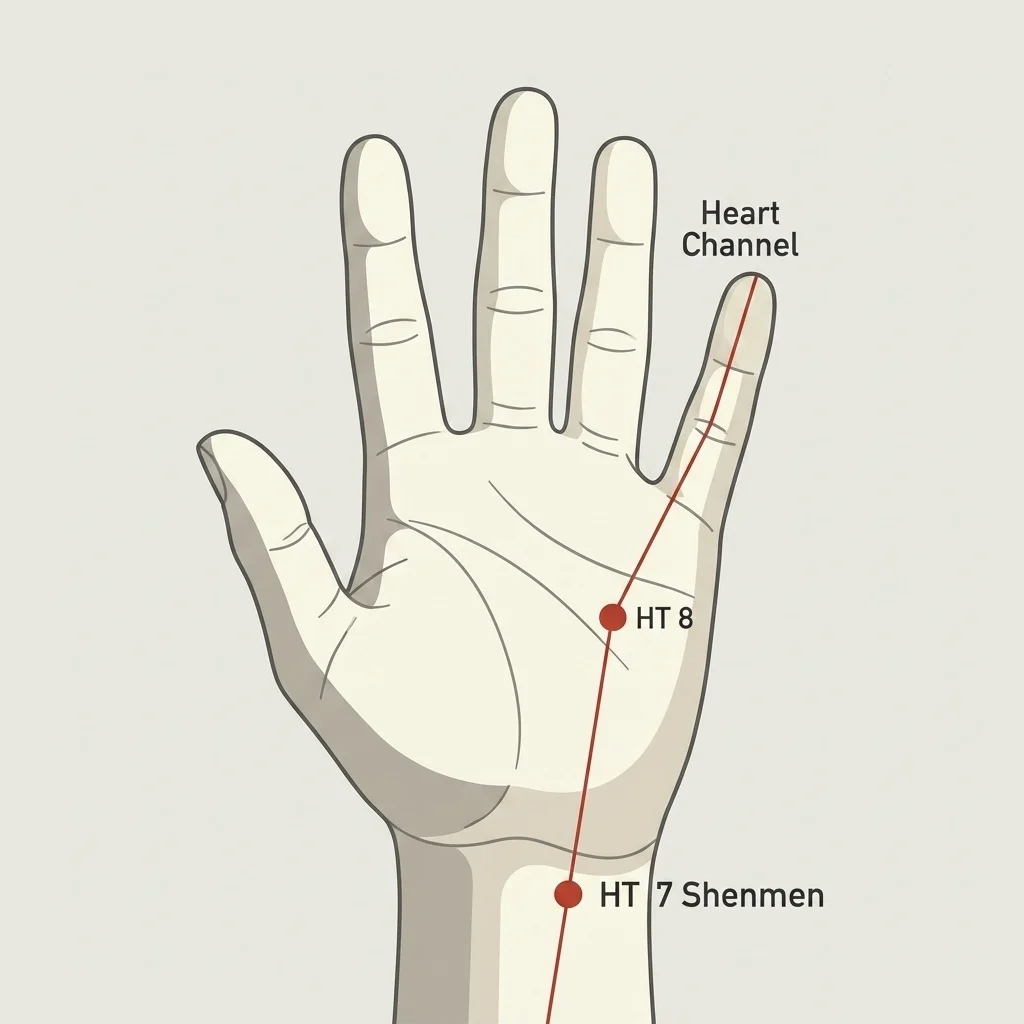
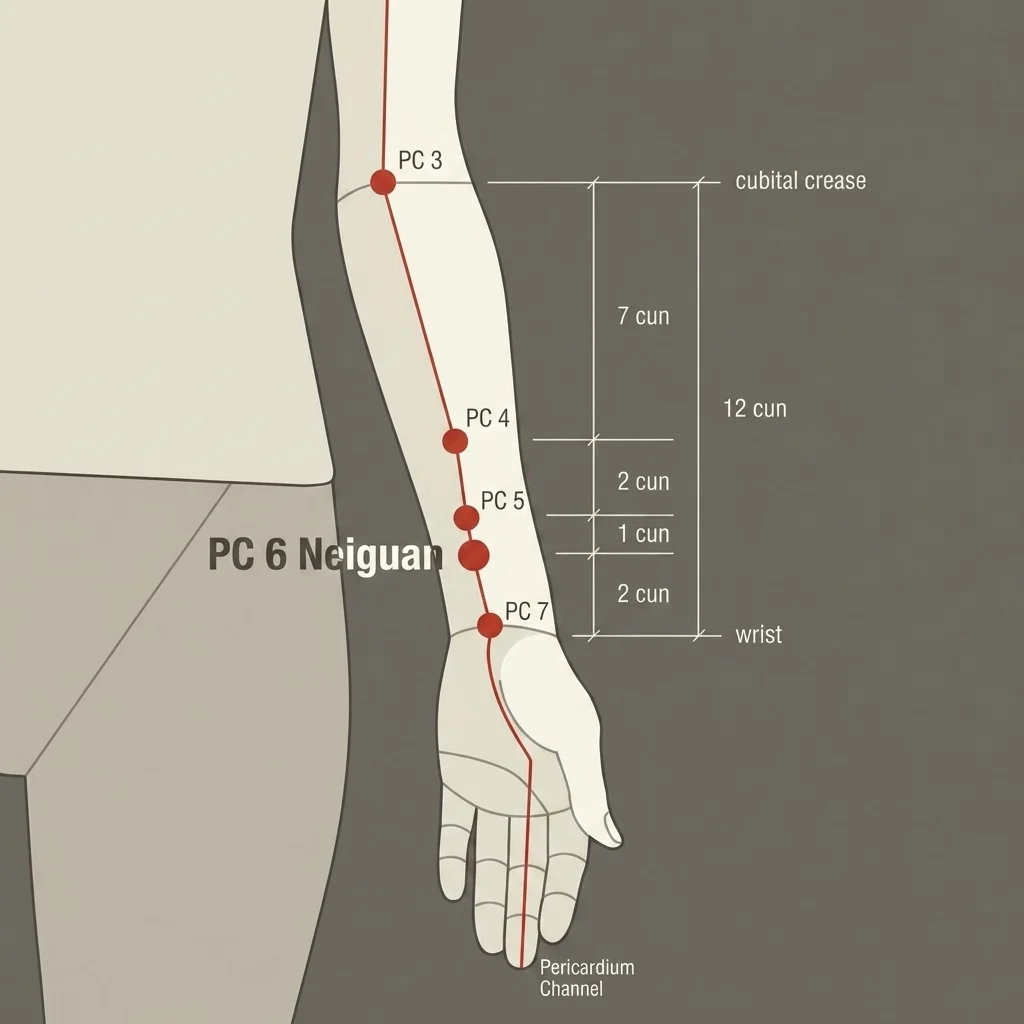
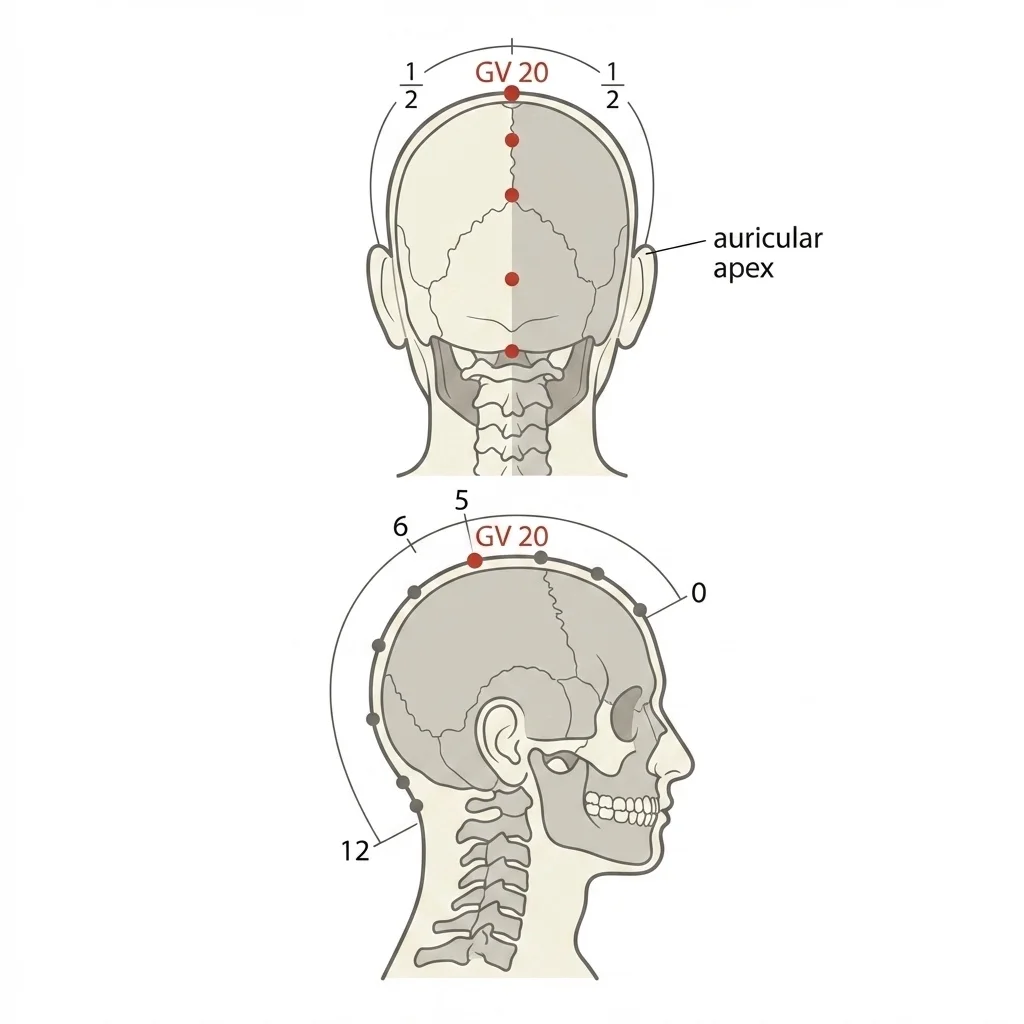
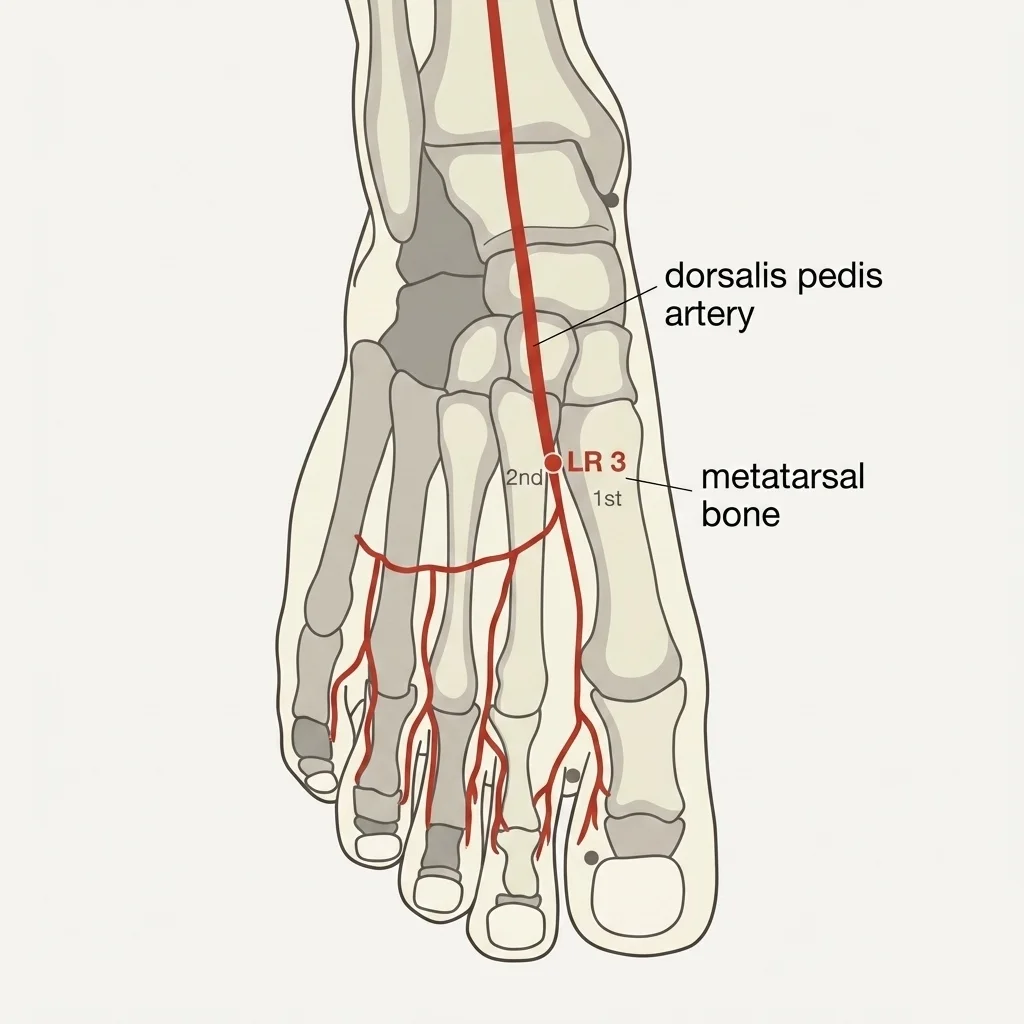
Co-prescribed pairs
- EX-HN3 + HT72×
- EX-HN3 + LR32×
- EX-HN3 + PC62×
- GV20 + HT72×
Electroacupuncture (Hz)
Typical session window
11–24 sessions
Trial comparators
- vs Sham / Placebo
- 2 trials
- vs Medication
- 4 trials
Sample-size panorama of indexed trials — PTSD
Expanding evidence base in our Scientific Library (2 indexed condition-specific studies).
Head-to-head trial comparators tested against acupuncture
Select a comparator arm to highlight matching trials in the ledger below.Landmark clinical trials & meta-analyses
2/2- DOI01Randomized RCTJAMA Psychiatry · 2024N=93Acupuncture for Combat-Related Posttraumatic Stress Disorder: A Randomized Clinical Trial
- DOI02Meta-AnalysisFrontiers in Behavioral Neuroscience · 2023N=656Efficacy and underlying mechanisms of acupuncture therapy for PTSD: evidence from animal…
Acupoint co-prescription synergy across published protocols
Arc stroke thickness reflects how many clinical trials co-prescribed each acupoint pair; node radius encodes overall point frequency.
Linked clinical guides, HD rehab videos & trial analyses
Medical acupuncture protocol — PTSD
Comparative safety · Log₁₀ scale (serious adverse events / 10,000)
Real-world risk profile: 0.25 mm filiform needle vs. pharmacologic therapies
Because serious risk spans more than two orders of magnitude between medical acupuncture and chronic analgesics, this chart uses a true logarithmic ruler (0.1 → 1 → 10 → 100 → 1,000 per 10,000 treatments).
When NOT to start acupuncture and seek immediate medical care
Medical acupuncture should only follow an appropriate clinical diagnosis. Seek urgent or emergency medical evaluation if any of the following are present:
- Sudden clinical deterioration, persistent high fever, confusion, or active systemic infection.
- New neurological deficit (sudden weakness, sensory loss, or speech/visual changes).
- Unintentional weight loss, drenching night sweats, or undiagnosed progressive pain.
- Chest pain, acute dyspnea, or any sign of hemodynamic instability.
Prior medical clearance is mandatory for patients taking anticoagulants, during pregnancy, with immunosuppression, or with pacemakers/implanted devices (for electroacupuncture).