
What Is Binge Eating Disorder?
Binge Eating Disorder (BED) is a psychiatric condition characterized by recurrent episodes of intake of large amounts of food in a short period of time, accompanied by a sense of loss of control. Unlike bulimia nervosa, BED does not involve regular compensatory behaviors such as self-induced vomiting or laxative use.
BED is the most prevalent eating disorder, exceeding anorexia and bulimia combined. It affects people of all body weights, although it is more common in people with overweight or obesity. It is important to understand that this is not "lack of discipline" but a real neurobiological dysregulation that affects reward and impulse control systems.
Despite its high prevalence, BED was only added as a formal DSM diagnosis in 2013 (DSM-5), and it remains underdiagnosed and undertreated. Stigma around eating disorders and obesity makes seeking treatment even harder.
Neurobiological Dysregulation
BED involves dysfunction in the brain circuits of reward, impulse control, and emotional regulation — it is not choice or lack of will.
The Most Prevalent
It is the most common eating disorder in the world, affecting 2-3% of the general population and up to 30% of people in weight-loss programs.
Effective Treatment
Psychotherapy (especially CBT) and pharmacotherapy significantly reduce binge episodes in 50-70% of patients.
Pathophysiology
BED involves a complex interaction between dysfunction of the dopaminergic reward circuits, dysregulation of impulse-control systems in the prefrontal córtex, alterations in appetite-regulating hormones, and emotional factors that use food as an affective regulator.

Reward System
The dopaminergic reward system — centered in the nucleus accumbens and the ventral tegmental área — shows altered functioning in BED. Neuroimaging studies show that patients with BED have an exaggerated dopaminergic response to food cues (especially palatable foods rich in fat and sugar) combined with reduced post-consumption satisfaction, creating a cycle of compulsive food-seeking.
Impulse Control
The prefrontal córtex, responsible for inhibitory control and decision-making, shows hypoactivity during exposure to food cues. This impairs the ability to resist the urge to eat, especially in negative emotional states. This dysfunction is similar to that observed in addiction disorders.
Hormonal Regulation
Alterations in appetite-regulating hormones contribute to BED. Ghrelin (the hunger hormone) may be dysregulated, and sensitivity to leptin (the satiety hormone) is reduced. Cortisol elevated by chronic stress stimulates intake of palatable foods as a mechanism of emotional self-regulation.
Central sensitization, autonomic arousal, and fragmented sleep: breaking the loop in 3 stages
In persistent systemic syndromes, sympathetic hyperarousal, non-restorative sleep, and central sensory amplification reinforce one another unless addressed together.
1. Quiet sympathetic hyperarousal
Medical acupuncture shifts autonomic balance toward vagal regulation and dampens central sensory gain.
2. Restore continuous deep sleep
Consolidating nocturnal sleep recovers endogenous descending pain and symptom filtering the following day.
3. Rebuild graded physical reserve
Paced movement matched to daily tolerance restores cardiovascular and muscular capacity without boom-bust flares.
Symptoms
BED manifests as recurrent binge eating episodes accompanied by significant distress. Episodes generally occur in secret and are followed by shame, guilt, and self-condemnation. Unlike occasional overeating, BED involves loss of control and a repetitive pattern.
Features of Binge Eating Disorder
Episodes of excessive intake
Eating clearly more food than most people would eat in a similar period and circumstances, typically within 2 hours.
Sense of loss of control
Inability to stop eating or to control the amount. A feeling of being "on autopilot" during the episode.
Eating much faster than normal
Eating speeds up during episodes, sometimes with little or no chewing.
Eating until feeling uncomfortably full
Eating continues well past fullness, causing abdominal discomfort, distension, and sometimes pain.
Eating large amounts without physical hunger
Episodes are triggered by emotional cues (stress, boredom, sadness) and not by true hunger.
Eating alone out of shame
Episodes occur in secret. Patients often hide food and evidence of consumption.
Feeling guilty, disgusted, or depressed afterward
Intense self-condemnation after the episode. Shame can fuel the cycle — negative emotions trigger new episodes.
Absence of compensatory behaviors
Unlike bulimia, there is no induced vomiting, laxative use, or excessive regular exercise after episodes.
Diagnosis
The diagnosis of BED is clinical, based on DSM-5 criteria. The Binge Eating Scale (BES) and the Eating Disorder Examination Questionnaire (EDE-Q) are validated screening instruments. It is essential to differentiate BED from occasional emotional eating and from other eating disorders.
DSM-5 Criteria for Binge Eating Disorder
Source: American Psychiatric Association — DSM-5
Criterion A: Recurrent binge eating episodes
Both criteria must be present- Eating a large amount of food in a defined period (< 2 hours)
- Sense of loss of control over eating during the episode
Criterion B: At least 3 of the following features
At least 3 must be present- Eating much more rapidly than normal
- Eating until feeling uncomfortably full
- Eating large amounts without feeling hungry
- Eating alone out of shame about the amount
- Feeling guilty, disgusted, or depressed after eating
Additional criteria
- Marked distress regarding binge eating
- Episodes occur at least once/week for 3 months
- Not associated with recurrent compensatory behavior (difference from bulimia)
Differential Diagnosis
| Condition | Distinguishing Feature | Key Feature |
|---|---|---|
| Bulimia nervosa | Includes regular compensatory behaviors | Vomiting, laxatives, excessive exercise after episodes |
| Emotional eating | No loss of control or marked distress | Eating in response to emotions, but in moderate amounts |
| Night eating syndrome | Excessive intake in the nighttime period | Evening/nighttime hyperphagia with insomnia |
| Medication-induced hyperphagia | Secondary to antipsychotics, corticosteroids | Temporal relationship with medication start |
| Hypothyroidism | Organic cause of increased appetite | Elevated TSH, low free T4 |
| Prader-Willi syndrome | Genetic cause of hyperphagia | Onset in childhood, intellectual disability |
Descending inhibitory pathway: from midbrain (PAG/RVM) to the dorsal horn
Medical acupuncture activates brainstem pain-control nuclei that project serotonin and noradrenaline back down to the spinal cord.
1. Periaqueductal gray (PAG)
Midbrain opioid-sensitive hub that initiates supraspinal analgesic braking.
2. Ventromedial medulla (RVM)
Brainstem relay sending descending serotonergic (5-HT) and noradrenergic (NA) tracts.
3. Dorsal horn gain filter
Suppresses incoming nociceptive amplification before signals ascend to the thalamus.
Differential Diagnosis
Bulimia Nervosa
- Binges followed by purging (vomiting, laxatives)
- Compensatory behaviors
- Weight may be normal
Anorexia Nervosa (Binge-Purge Type)
- Very low BMI
- Severe body image distortion
- Intense dietary restriction
- BMI below 16 = psychiatric admission
Depression with Hyperphagia
Read more- Emotional eating in response to depressed mood
- Anhedonia
- No discrete binge episodes
Binge Eating Disorder (BED)
- BED is the formal diagnosis: binge without compensation
- Distress after episodes
- Minimum frequency per week
Borderline Personality Disorder
- Impulsivity in multiple áreas
- Intense emotional instability
- Chaotic relationships
BED, Bulimia Nervosa, and Anorexia
Binge Eating Disorder (BED) and bulimia nervosa share episodes of uncontrolled excessive eating but differ crucially: in bulimia, the patient uses compensatory behaviors (self-induced vomiting, laxatives, diuretics, excessive exercise, or fasting) to "undo" the binge. BED has no compensation — hence its frequent association with overweight and obesity. Bulimia mainly affects people of normal or slightly elevated weight.
The binge-purge subtype of anorexia nervosa also presents with binges followed by purging, but very low BMI and severe body image distortion (perceiving oneself as fat when extremely thin) are defining features. BMI below 16 kg/m² is life-threatening and may require admission. Weight and BMI assessment is mandatory when evaluating any eating disorder.
Emotional Eating vs. Binge Eating Disorder
Emotional eating — eating in response to emotions such as sadness, stress, anxiety, or boredom — is extremely prevalent and does not necessarily indicate BED. The distinction lies in the nature of the episode: in BED, there is intake of an objectively large amount of food in a delimited period (generally 2 hours), with a sense of loss of control that goes beyond eating in response to emotions. Distress after the episode and minimum frequency (at least once/week for 3 months) are additional criteria.
In depression with hyperphagia, excessive eating is more continuous and diffuse — there are no well-defined discrete binge episodes. Generalized depressed mood is prominent. The PHQ-9 helps with screening. Both conditions (BED and depression) can coexist and feed each other: depression triggers binge episodes, and post-binge guilt and shame deepen depression. Treatment must address both conditions.
Emotional eating
- It is extremely prevalent.
- It is eating in response to emotions such as sadness, stress, anxiety, or boredom.
- It does not necessarily indicate BED.
Binge eating disorder (BED)
- There is intake of an objectively large amount of food in a delimited period (generally 2 hours).
- There is a sense of loss of control that goes beyond eating in response to emotions.
- Distress after the episode and minimum frequency (at least once/week for 3 months) are additional criteria.
Borderline Personality Disorder
Borderline Personality Disorder (BPD) is associated with impulsivity across multiple domains — including compulsive eating. What distinguishes it from isolated BED is the presence of other BPD patterns: intense, reactive emotional instability, chaotic relationships (alternately idealizing and devaluing), self-injurious behaviors, intense fear of abandonment, and an unstable sense of identity. In BPD, compulsive eating is usually one of several impulsive behaviors, not the predominant pattern.
Treating BPD with comorbid BED requires an integrated approach. Dialectical Behavior Therapy (DBT) — developed specifically for BPD — simultaneously addresses emotional regulation, distress tolerance, and impulsive behaviors, including eating. Specialized psychiatric evaluation is necessary for diagnosis and management.
Treatment
Treatment of BED prioritizes reduction of binge episodes and normalization of the relationship with food, not weight loss as the primary goal. Restrictive diets are not recommended as treatment and may worsen bingeing. The approach is multidisciplinary, involving psychiatry, psychology, and nutrition.
Psychotherapy
Enhanced Cognitive Behavioral Therapy (CBT-E) — the version refined for eating disorders — is the first-line treatment. It addresses dysfunctional thought patterns about food, weight, and body image, teaches alternative emotional regulation, and reestablishes regular eating patterns.
Interpersonal therapy (IPT) shows efficacy comparable to CBT in the long term, focusing on interpersonal conflicts and social skills deficits that contribute to emotional eating. Dialectical behavior therapy (DBT) is particularly useful when there is severe difficulty with emotional regulation.
Pharmacotherapy for BED
| Medication | Mechanism | Efficacy | Considerations |
|---|---|---|---|
| Lisdexamfetamine (Vyvanse) | Prodrug of d-amphetamine; reuptake inhibitor and promoter of dopamine and norepinephrine release (NDRI/releaser) — modulates impulsivity and binge eating | Reduces episode frequency in clinical trials | Only one approved by the FDA for BED. Risk of abuse in patients with a history of dependence. |
| SSRIs (Fluoxetine, Sertraline) | Serotonergic modulation | Moderate benefit described in studies | Especially useful with comorbid depression. Dose is usually higher than for depression alone. |
| Topiramate | Anticonvulsant — reduces impulsivity | Reduces episodes and weight in trials | Cognitive side effects limit use. |
| Bupropion | Dopaminergic and noradrenergic action | Limited | Limited evidence in binge eating disorder; contraindicated with bulimia or anorexia nervosa (seizure risk); may support smoking cessation if comorbid. |
Weeks 1-4
Comprehensive multidisciplinary evaluation. Psychoeducation. Start dietary self-monitoring. Establish a regular eating pattern (3 meals + 2 snacks).
Months 1-3
CBT focused on binge triggers and beliefs about food and body image. Start pharmacotherapy if indicated. Nutritional follow-up.
Months 3-6
Episodes drop progressively in many responding patients. Work on emotional regulation and interpersonal skills. Manage comorbidities.
Months 6-12
Consolidate gains. Relapse prevention. Weight management if appropriate (only after episodes stabilize).
12+ months
Long-term maintenance. Periodic booster sessions. Monitor for relapse.
Do
- Follow a multidisciplinary approach, involving psychiatry, psychology, and nutrition.
- Aim for a regular eating pattern without extreme restriction.
- Consider dialectical behavior therapy (DBT) when there is severe difficulty with emotional regulation.
Avoid
- Use restrictive diets as treatment — they may worsen bingeing.
- Manage weight before episodes stabilize.
Acupuncture as Treatment
Acupuncture has been investigated as a complementary therapy for BED. The proposed mechanisms include modulation of the dopaminergic reward system, regulation of appetite hormones (ghrelin and leptin), reduction of cortisol, and modulation of the vagus nerve — influencing the gut-brain axis.
Preliminary studies suggest auricular acupuncture (auriculotherapy) may reduce binge eating by modulating vagus nerve activity and influencing hypothalamic satiety centers. Reducing anxiety and stress also helps weaken the emotional triggers of binge episodes.
Acupuncture complements psychotherapy and, when indicated, pharmacologic treatment. It does not replace the multidisciplinary approach but can be an additional tool, especially for patients seeking help with anxiety and emotional regulation.
Prognosis
With appropriate treatment, the prognosis of BED is favorable. 50-70% of patients achieve remission of binge episodes with CBT, and improvement rates increase with combined treatment. BED has a better prognosis than anorexia and bulimia nervosa.
Good prognostic factors include: more recent onset, lower frequency of episodes, absence of severe psychiatric comorbidities, and active engagement in treatment. Worse prognostic factors include: severe obesity, a history of multiple restrictive diets, and comorbid depression or personality disorder.
Relapse is possible, especially during stressful periods. Relapse prevention is an essential part of treatment, including early identification of warning signs and access to therapeutic support when needed.
Myths and Facts
Myth vs. Fact
Binge eating is a lack of willpower or discipline.
BED is a psychiatric disorder with a documented neurobiological basis. It involves dysfunction in the dopaminergic reward circuits, hormonal dysregulation, and a déficit in impulse control. It is as involuntary as compulsion in OCD — it does not resolve with 'willpower'.
Myth vs. Fact
Only people with obesity have binge eating.
Although BED is more common in people who are overweight, it can affect people at any body weight. About 30% of BED patients have normal weight. Focusing only on weight prevents diagnosis in many patients.
Myth vs. Fact
Following a restrictive diet is the best treatment.
Restrictive diets often make binge eating worse. Severe caloric restriction triggers biological compensatory mechanisms (increased ghrelin, decreased leptin) that intensify hunger and bingeing. Effective treatment focuses on a regular eating pattern without extreme restriction.
When to Seek Help
If you identify with the patterns described — recurrent episodes of overeating with loss of control, followed by shame and guilt — seek professional help. BED is treatable and recovery is possible.
Frequently Asked Questions about Binge Eating
BED is the most prevalent eating disorder, defined by recurrent binge episodes: eating an objectively large amount of food in a discrete period (up to 2 hours), with a sense of loss of control during the episode. Unlike bulimia, there are no compensatory behaviors (vomiting, laxatives). Episodes cause significant distress and occur at least once a week for 3 months. It is associated with overweight or obesity in most cases but can occur in people of normal weight.
Typical features: eating much faster than normal; eating until feeling uncomfortably full; eating large amounts even without physical hunger; eating alone out of shame about the amount; feeling disgusted with oneself, depressed, or with intense guilt after the episode. The fundamental element is the sense of loss of control — "once I start, I can't stop". Unlike occasional overeating (e.g., at parties), bingeing is recurrent, distressing, and involuntary.
The differentiating factor is the presence of compensatory behaviors. In bulimia nervosa, after the binge episode, there is purging (self-induced vomiting, laxative or diuretic use) or other compensatory behaviors (prolonged fasting, excessive compulsive exercise) to "undo" the intake. In BED, there is no compensation — the patient feels guilt and shame but does not compensate. This explains why BED is more associated with overweight and obesity. Both conditions cause intense distress and require specialized treatment.
No — and they often make it worse. Dietary restriction paradoxically increases the likelihood of binge episodes: deprivation creates urgency for forbidden food, leading to the pattern "perfect diet → failure → binge → guilt → new diet". BED treatment does not prioritize weight loss — it prioritizes normalization of the relationship with food, regular eating, and reduction of binge episodes. Improvement in eating pattern often results in gradual weight loss as a consequence, not as a goal.
Eating-disorder-focused CBT has the strongest evidence for BED — it reduces binge episodes in 50-60% of patients. CBT addresses dysfunctional beliefs about food and body, normalizes eating patterns, and builds strategies to manage emotional triggers. Mindfulness-based CBT (Mindfulness-Based Eating Awareness Training) is also effective. Pharmacologically, lisdexamfetamine is the only drug specifically approved for moderate-to-severe BED. SSRIs may reduce episodes and treat comorbid depression/anxiety.
There is little research on acupuncture specifically in binge eating disorder; the data are preliminary and do not show that it reduces the frequency of episodes. The proposed mechanism involves neurotransmitter regulation (dopamine and serotonin in reward circuits), reduced stress and anxiety that trigger episodes, and appetite modulation via specific points linked to the digestive and limbic systems. Auriculotherapy (auricular acupuncture) has a long tradition in managing dependencies and compulsions.
Yes — the relationship is central and bidirectional. Most binge episodes are triggered by negative emotional states: anxiety, sadness, anger, boredom, loneliness, or stress. Food acts as a short-term emotional regulator, activating the reward system (dopamine) and temporarily relieving emotional discomfort. The problem is that this relief is followed by guilt and shame that perpetuate the cycle. CBT and DBT teach alternative emotional regulation strategies that do not rely on compulsive eating.
The correlation is significant: an estimated 20-40% of patients with obesity in bariatric treatment or weight-loss programs have comorbid BED. However, not every patient with BED has obesity (30% have normal weight), and not every case of obesity is caused by BED. When BED is comorbid with obesity, treating BED comes first — without treating the bingeing, weight-loss interventions tend to fail or trigger relapses. Bariatric surgery in patients with untreated BED has worse outcomes.
Shame is one of the biggest obstacles to seeking treatment for BED. Some points that may help: the physician is prepared to listen without judgment; BED is a mental health disorder with neurobiological bases — it is not lack of willpower or weakness of character; the earlier the treatment, the better the results; you are not alone — it is the most prevalent eating disorder. You can say directly: "I have episodes where I eat far more than I want and can't stop, and it leaves me with a lot of guilt".
Seek evaluation if: you have recurrent episodes of excessive eating with a sense of loss of control; episodes cause significant emotional distress (guilt, shame, depression); bingeing is affecting your weight, health, relationships, or work; you are purging (vomiting, laxatives) after episodes — this indicates bulimia and requires urgent attention; or if attempts to control it on your own have failed. A physician or psychiatrist can begin the workup and refer you to a multidisciplinary team specialized in eating disorders.
Related Reading
Deepen your knowledge with related articles
What clinical trials tested for this condition — Smoking & Substance Cessation
Share among studies for this condition that reported specific acupoints.
- studies analyzed
- 28 studies analyzed
- RCTs
- 4 RCTs
- sham-controlled
- 16 sham-controlled
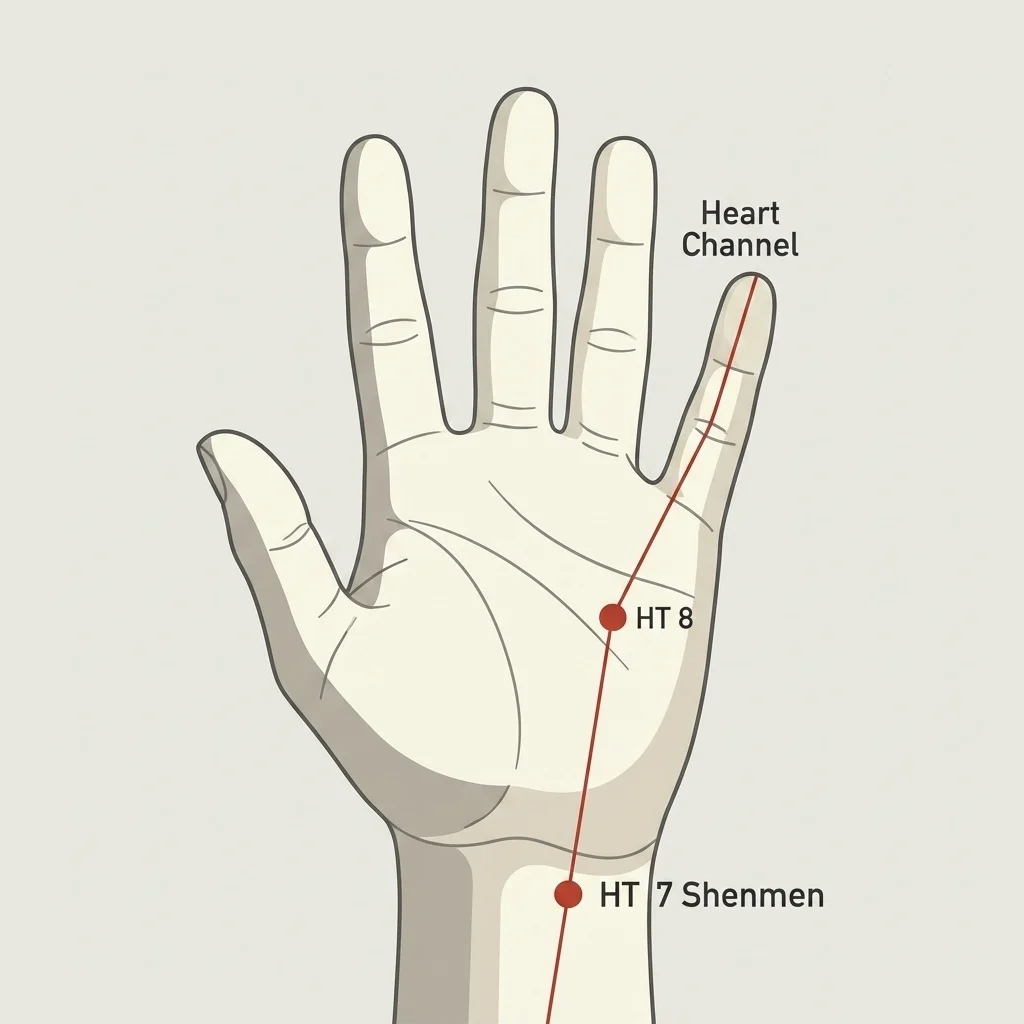
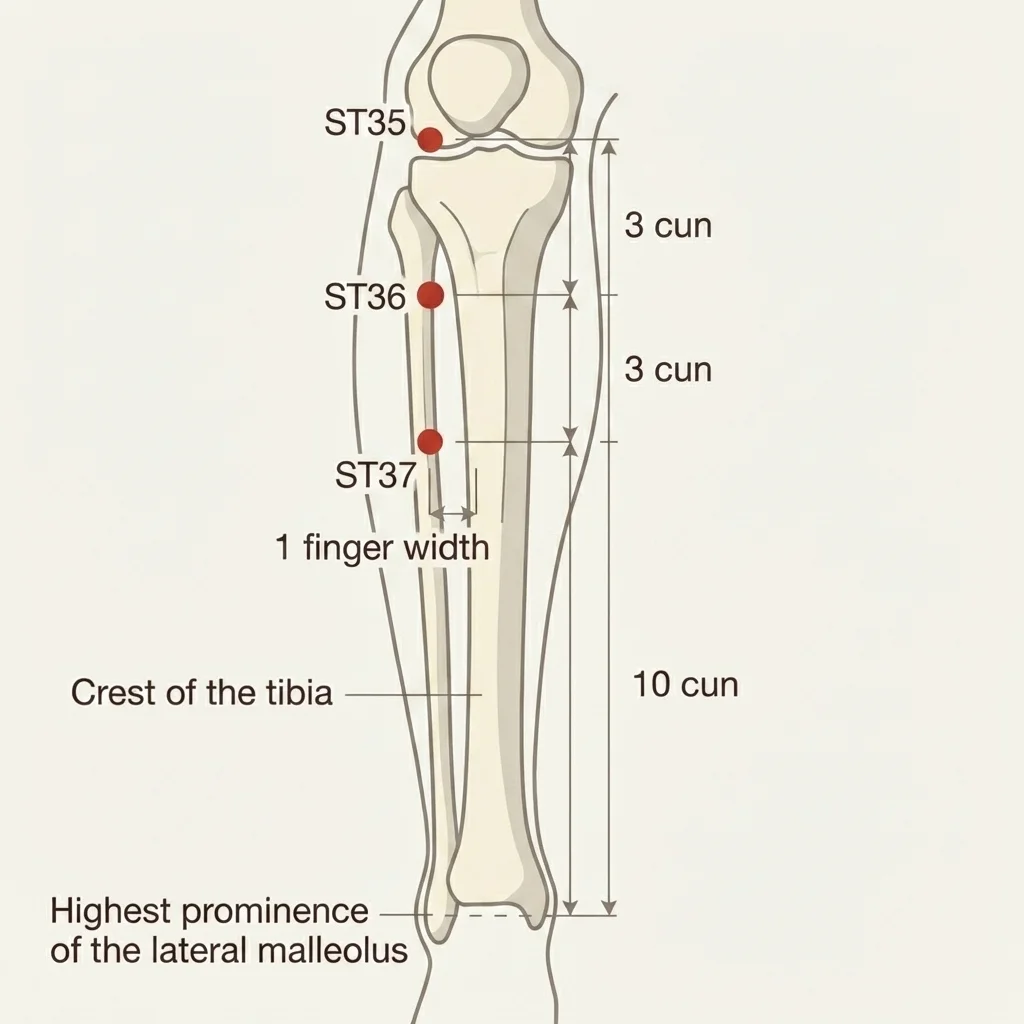
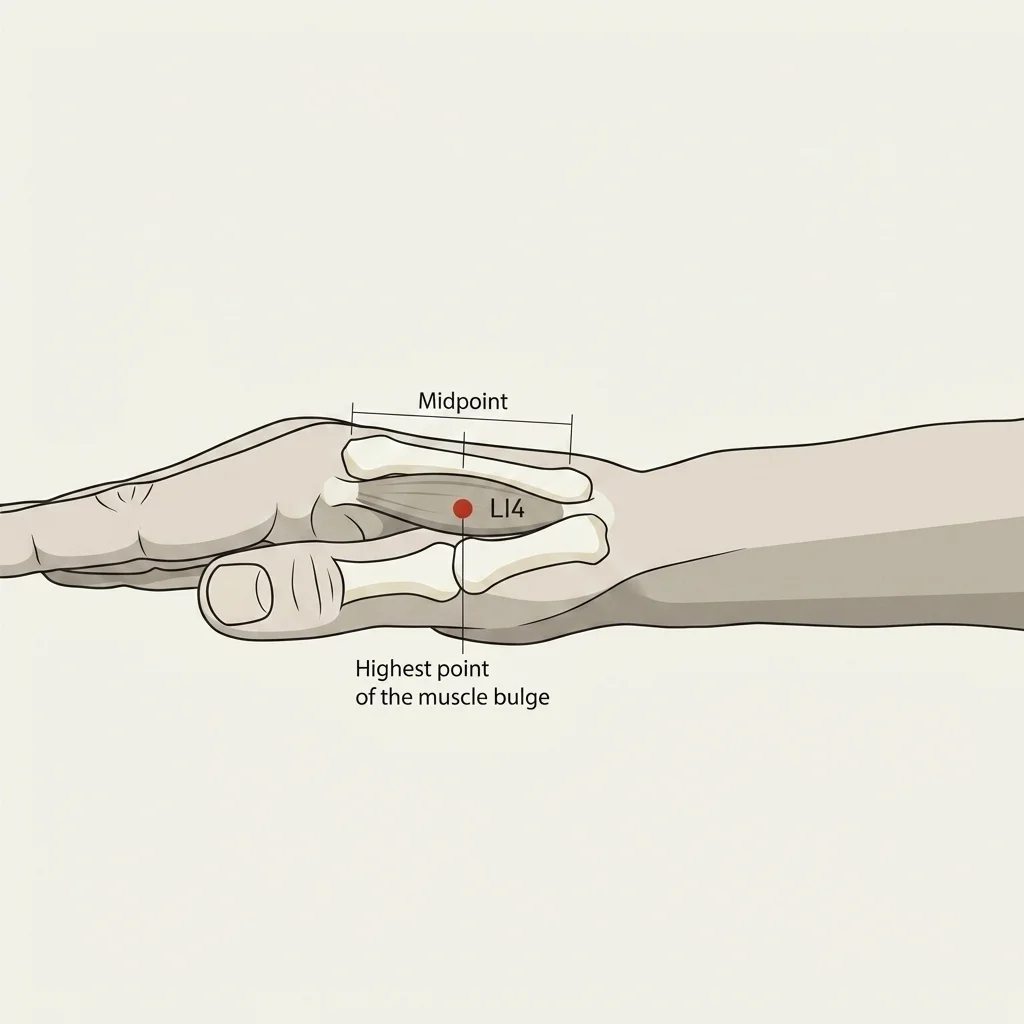
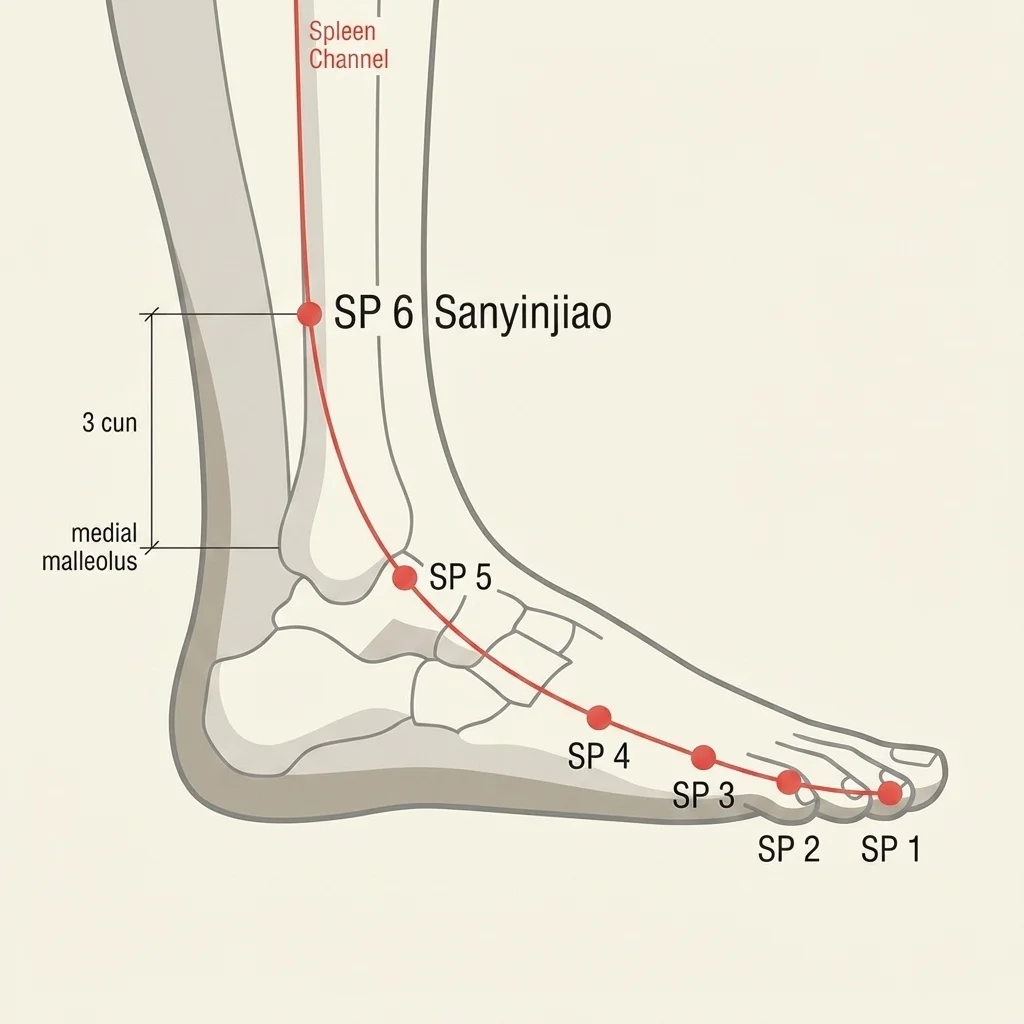
Co-prescribed pairs
- HT7 + ST367×
- HT7 + SP66×
- LI4 + ST366×
- SP6 + ST366×
Electroacupuncture (Hz)
Typical session window
9–34 sessions
Trial comparators
- vs Sham / Placebo
- 16 trials
- vs Medication
- 16 trials
- vs Rehab / Exercise
- 2 trials
- vs Usual Care
- 4 trials
Sample-size panorama for clinical domain — Smoking & Substance Cessation
Quantitative synthesis of indexed clinical trials across the Smoking & Substance Cessation domain (7 studies in our Scientific Library).
Head-to-head trial comparators tested against acupuncture
Select a comparator arm to highlight matching trials in the ledger below.Landmark clinical trials & meta-analyses
7/7- DOI01Systematic ReviewCochrane Database of Systematic Reviews · 2014N=38Acupuncture and related interventions for smoking cessation
- DOI02Randomized RCTAmerican Journal of Public Health · 2002N=141Auricular Acupuncture, Education, and Smoking Cessation: A Randomized, Sham-Controlled Trial
- DOI03Meta-AnalysisChinese Medicine · 2016N=1,378Acupuncture as an intervention to reduce alcohol dependency: a systematic review and…
- DOI04Randomized RCTMedicine · 2018N=64Electro-acupuncture improves psychiatric symptoms, anxiety and depression in…
- DOI05Randomized RCTBehavioral Sciences · 2017N=100NADA Ear Acupuncture: An Adjunctive Therapy to Improve and Maintain Positive Outcomes in…
- 06Randomized RCTSubstance Abuse Treatment, Prevention, and Pol · 2012N=89Auricular acupuncture for chemically dependent pregnant women: a randomized controlled…
- DOI
Acupoint co-prescription synergy across published protocols
Arc stroke thickness reflects how many clinical trials co-prescribed each acupoint pair; node radius encodes overall point frequency.