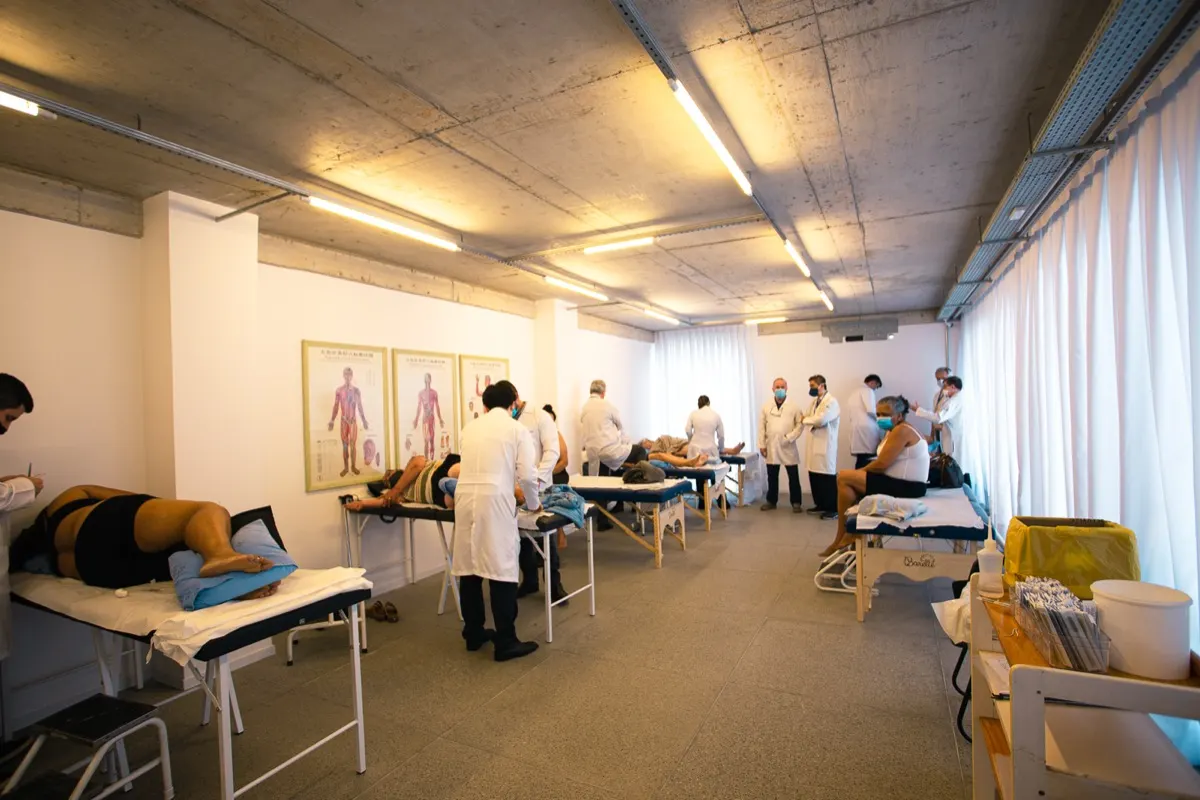

- Moderate
- Weak
See the numbers: What this page rests on
| Year | Study type | Verdict | Study |
|---|---|---|---|
| 2020 | Case Series | Weak | Acupuncture in Temporomandibular Disorders Painful Symptomatology: An Evidence-Based Case Report |
| 2024 | Meta-analysis | Moderate | Efficacy of acupuncture and laser acupuncture in temporomandibular disorders: a systematic review and meta-analysis of randomized controlled trials |
Evidence behind this recommendation.
Selected studies from our library that inform the recommendations on this page. Evidence grade shown when available.
Efficacy of acupuncture and laser acupuncture in temporomandibular disorders: a systematic review and meta-analysis of randomized controlled trials
“This systematic review analyzed 11 trials to assess whether traditional acupuncture and laser acupuncture reduce pain in the temporomandibular joint (TMJ).”
Acupuncture in Temporomandibular Disorders Painful Symptomatology: An Evidence-Based Case Report
“This case report suggests acupuncture may be a promising option for relieving facial pain associated with temporomandibular dysfunction (TMD).”
What Is Bruxism?
Bruxism is a repetitive jaw-muscle activity characterized by clenching or grinding of the teeth. It can occur during sleep (sleep bruxism) or during wakefulness (awake bruxism), and both forms frequently coexist in the same patient.
Bruxism affects 8 %–31 % of the adult population and is closely linked to emotional stress, anxiety, and central nervous system hyperactivity. Sleep bruxism is classified as a sleep-related movement disorder; its pathophysiology involves altered excitability of the trigeminal motor nucleus and dysregulation of the hypothalamic-pituitary-adrenal (HPA) axis.
When occlusal splints and conventional medications fail to adequately control symptoms — or when a patient wants an approach that targets the central drivers of bruxism — medical acupuncture offers a therapeutic option backed by growing scientific evidence and well-documented neurophysiological mechanisms.
Nocturnal and Diurnal
Sleep bruxism involves rhythmic episodes of masseter contraction; awake bruxism presents as sustained tooth clenching.
Central Origin
The primary driver lies in the central nervous system — hyperexcitability of the trigeminal motor nucleus and dysregulation of the stress axis.
Treatable with Acupuncture
Medical acupuncture acts directly on the masticatory muscles and on the central mechanisms that perpetuate bruxism.
Limitations of Conventional Treatments
Conventional bruxism treatment centers on three main strategies: occlusal splints (muscle-relaxing), medications, and botulinum toxin injection. Each has its place, but all carry significant limitations that many patients are unaware of.
The occlusal splint protects teeth from wear but does not reduce muscle activity itself. Muscle relaxants and benzodiazepines cause drowsiness and carry dependence risk. Botulinum toxin, while effective short-term, can cause masseter atrophy with repeated use and requires reinjection every 3–4 months.
Myth vs. Fact
The occlusal splint cures bruxism
The splint protects teeth from wear but does not reduce nocturnal muscle activity or address the central cause of bruxism. It is a physical barrier, not a treatment.
Botulinum toxin is the best long-term solution
Botulinum toxin temporarily weakens the masseter but does not modify central hyperexcitability. Repeated injections can cause muscle atrophy and loss of masticatory force.
Bruxism is purely a dental problem
Bruxism is a neuromuscular disorder with a central origin. Research suggests that acupuncture may act on trigger points in the masticatory muscles and on centrally mediated stress-modulation pathways — mechanisms that remain under active investigation.
TMJ, masseter, and upper neck: why bruxism and headaches reinforce each other
Masticatory afferents and C1–C2 cervical roots converge in the trigeminocervical nucleus, linking jaw clenching to temple and neck pain.
1. Nocturnal jaw load
Clenching creates masseter and temporalis trigger points referring into the ear and temple.
2. C1–C2 convergence
Trigeminal (CN V) inputs merge with upper cervical signals inside the brainstem relay.
3. Combined protocol
Pairing facial and suboccipital needling with sleep and dental care yields durable control.
How Does Medical Acupuncture Work in Bruxism?
Medical acupuncture acts on bruxism through neurophysiological mechanisms at both the peripheral level (masticatory muscles) and the central nervous system. Deep needling of the masseter and the medial pterygoid resets the myotatic reflex — the reflex arc that keeps the musculature in sustained contraction.
Beyond local effects, acupuncture modulates the excitability of the trigeminal motor nucleus (which provides motor innervation to the masseter and temporalis) and dampens activity of the hypothalamic-pituitary-adrenal (HPA) axis, lowering cortisol and the central drive that sustains tooth clenching under chronic stress.
Mechanism of Action of Acupuncture in Bruxism
Deep needling of the masseter and medial pterygoid
Precise insertion into taut bands and active trigger points in the masticatory musculature, producing a local twitch response that resets the myotatic reflex.
Deactivation of myofascial trigger points
Release of contraction knots in the masseter, temporalis, and medial pterygoid, reducing baseline tension and referred pain in the craniofacial region.
Reduction of nocturnal EMG activity
Peripheral deactivation of trigger points and segmental modulation reduce the amplitude and frequency of rhythmic masseter contractions during sleep.
Modulation of the trigeminal motor nucleus
Afferents stimulated by acupuncture converge in the brainstem, reducing the excitability of the trigeminal motoneurons that command clenching and grinding.
Regulation of the HPA axis and stress reduction
Acupuncture decreases cortisol and ACTH secretion, reducing sympathetic hyperactivation and the central drive that triggers bruxism in response to chronic stress.
What Does the Research Show?
The evidence base for acupuncture in bruxism has been growing steadily. Controlled clinical trials have demonstrated significant reductions in masseter electromyographic activity, relief of myofascial pain, and improved sleep quality. The volume of studies is smaller than for conditions such as low back pain or osteoarthritis, but the findings are consistent and clinically meaningful.
Myofascial trigger point: from sarcomere energy crisis to twitch decompression
Targeted needling of the palpable taut band evokes a brief spinal twitch reflex that resets the knot and restores capillary flow.
1. Sarcomere energy crisis
Locked sarcomeres compress local capillaries, causing ischemia, acidic pH, and referred ache.
2. Local twitch response
Needle contact with the hyperactive motor zone triggers a brief reflex that breaks the contracture.
3. Reperfusion & range
Muscle fibers return to uniform resting length with restored oxygenation and flexibility.
A Modern, Integrative Approach
Contemporary medical acupuncture for bruxism combines needling of the masticatory muscles with electroacupuncture at low frequency (2 Hz), which enhances endorphin release and deactivation of deep trigger points. The medical acupuncturist may also use palpation-guided dry needling to access the medial pterygoid safely.
Because bruxism frequently coexists with temporomandibular dysfunction (TMD), the current therapeutic approach treats both conditions together. The protocol extends beyond the masticatory muscles to include cervical and cranial points that modulate trigeminal nociception and autonomic tone.
When Should You See a Physician?
If you wake up with jaw pain or morning temporal headaches, or your partner reports that you grind your teeth at night, seek medical evaluation. Untreated chronic bruxism can lead to irreversible tooth wear, dental fractures, and temporomandibular joint dysfunction.
Frequently Asked Questions
The initial protocol involves 8 to 10 sessions, one to two times per week. Most patients notice a reduction in clenching and pain by the third or fourth session. After the initial protocol, biweekly or monthly maintenance sessions help sustain the results.
Needling in the masseter can produce a sensation of pressure or an involuntary muscle contraction (twitch response), which is expected and indicates trigger-point deactivation. The sensation lasts only a few seconds. A full session runs 25 to 35 minutes, and most patients report deep relaxation throughout.
Yes — the occlusal splint and acupuncture are complementary. Acupuncture works by reducing muscle activity and addressing the central drivers of bruxism; the splint protects the teeth from mechanical wear. Many patients notice that the splint feels looser as treatment progresses — a sign that clenching force is decreasing.
Not necessarily — they are different approaches with different indications. Acupuncture targets the masticatory muscles and the central components of bruxism; botulinum toxin reduces masseter force through neuromuscular blockade. In some patients, acupuncture may serve as an alternative when botulinum toxin is contraindicated or when a non-pharmacological approach is preferred; in others, the two may be combined. The decision to substitute or combine them rests with the attending physician and is made on a case-by-case basis.
Bruxism is a chronic condition with periods of exacerbation tied to stress. Acupuncture can produce complete symptom remission, but episodes may return during periods of heightened emotional tension. Periodic maintenance sessions and stress management help maintain long-term control.
Childhood bruxism is common and often self-limiting. In younger children, non-invasive techniques such as low-level laser therapy and auriculotherapy with microspheres are well tolerated and represent appropriate first-line options. Needle-based treatment may be appropriate for adolescents with adequate tolerance, always under individualized medical evaluation.
What clinical trials tested for this condition — TMJ / Temporomandibular Disorder
Share among studies for this condition that reported specific acupoints.
- studies analyzed
- 16 studies analyzed
- RCTs
- 6 RCTs
- sham-controlled
- 10 sham-controlled
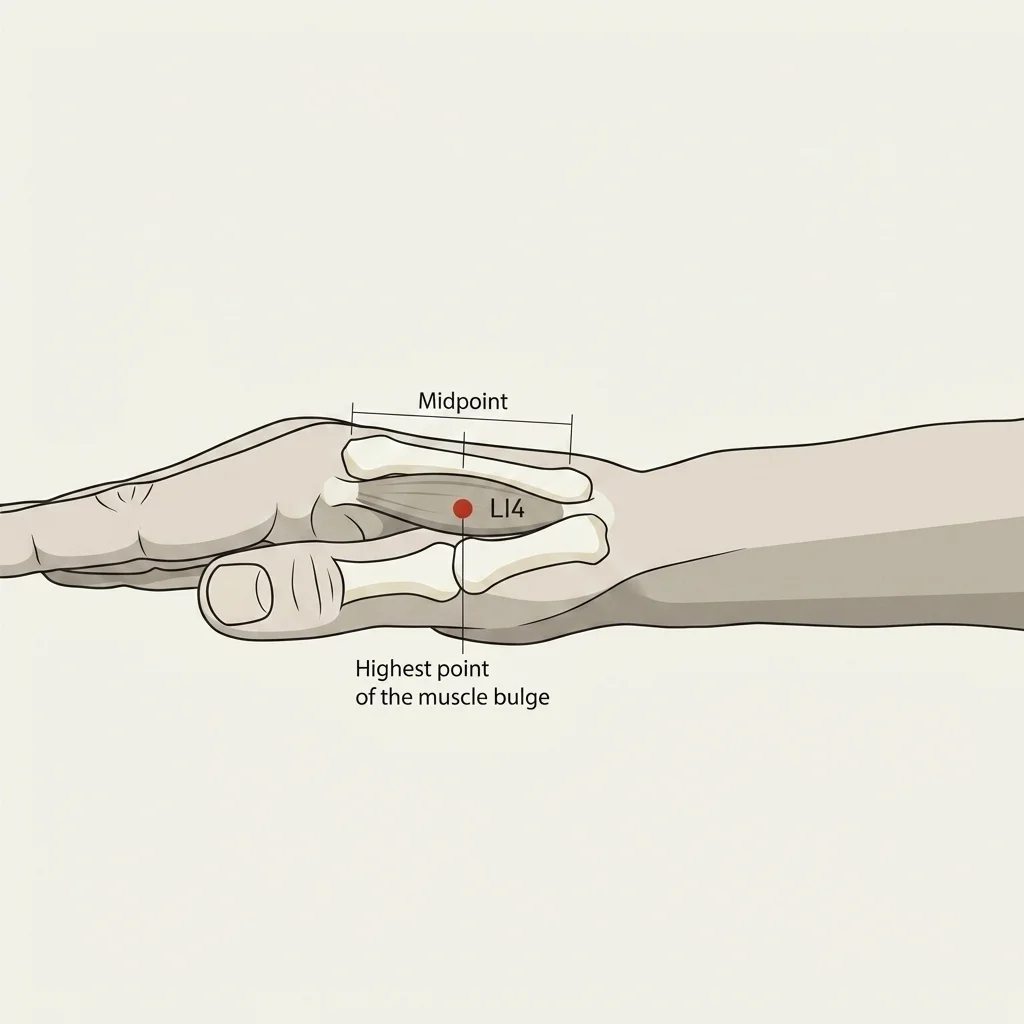
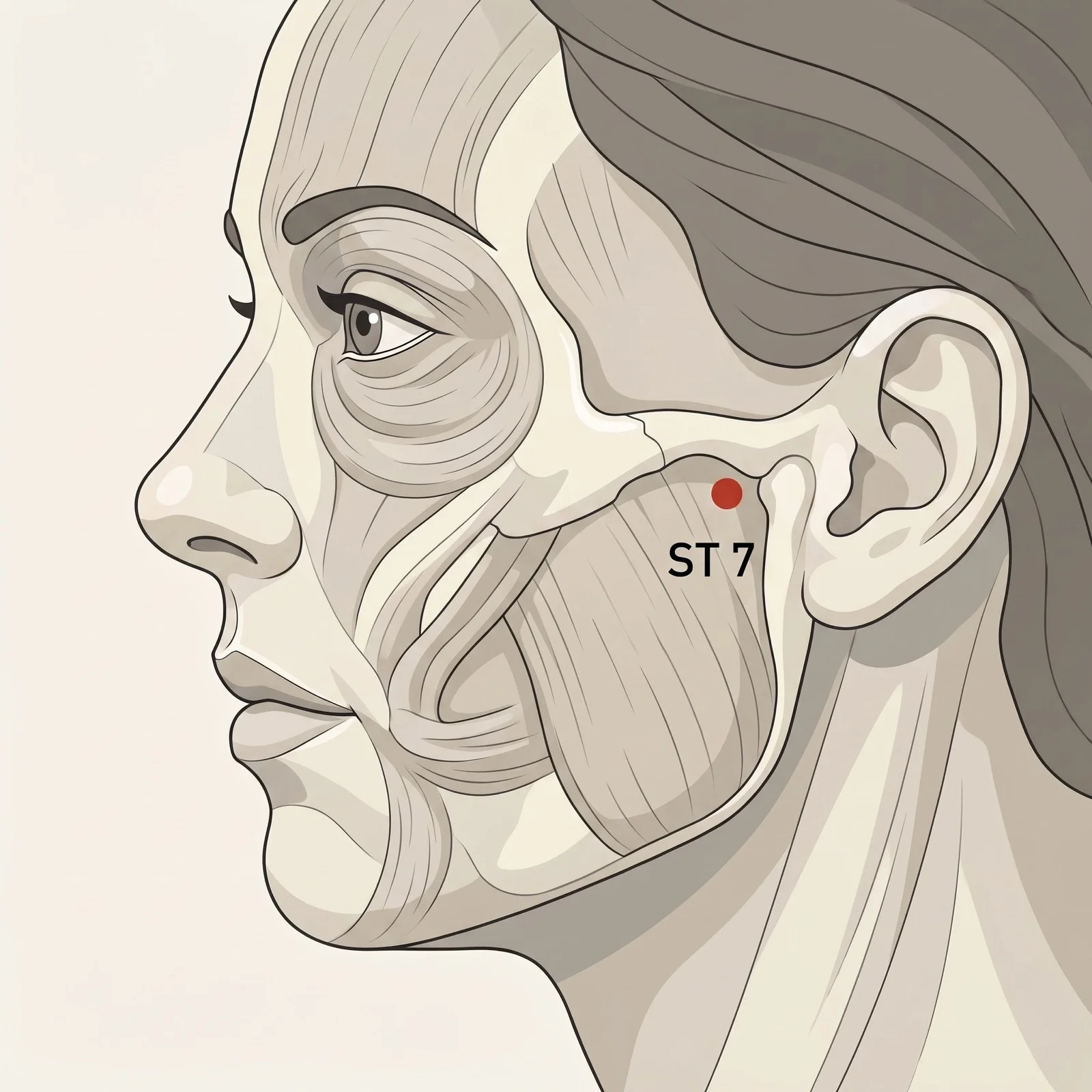
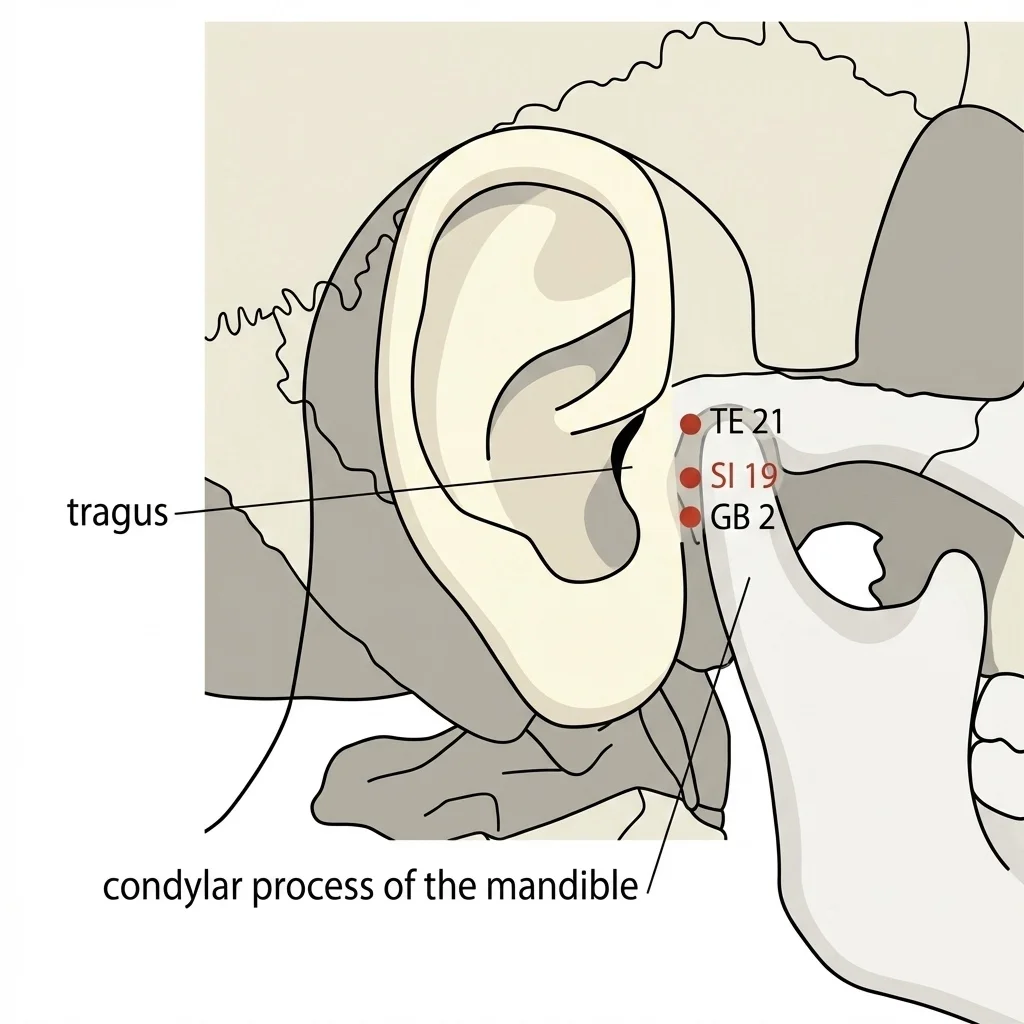
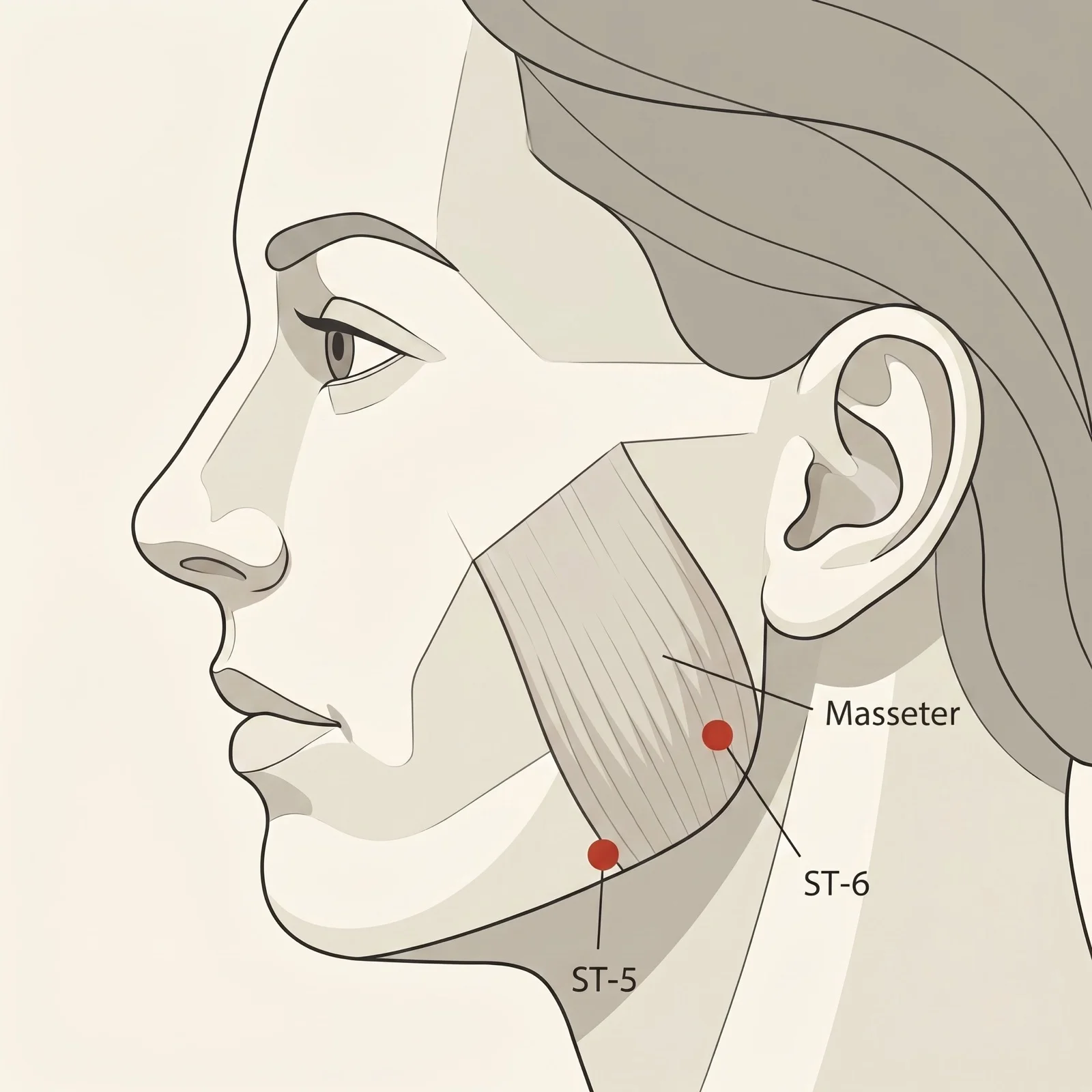
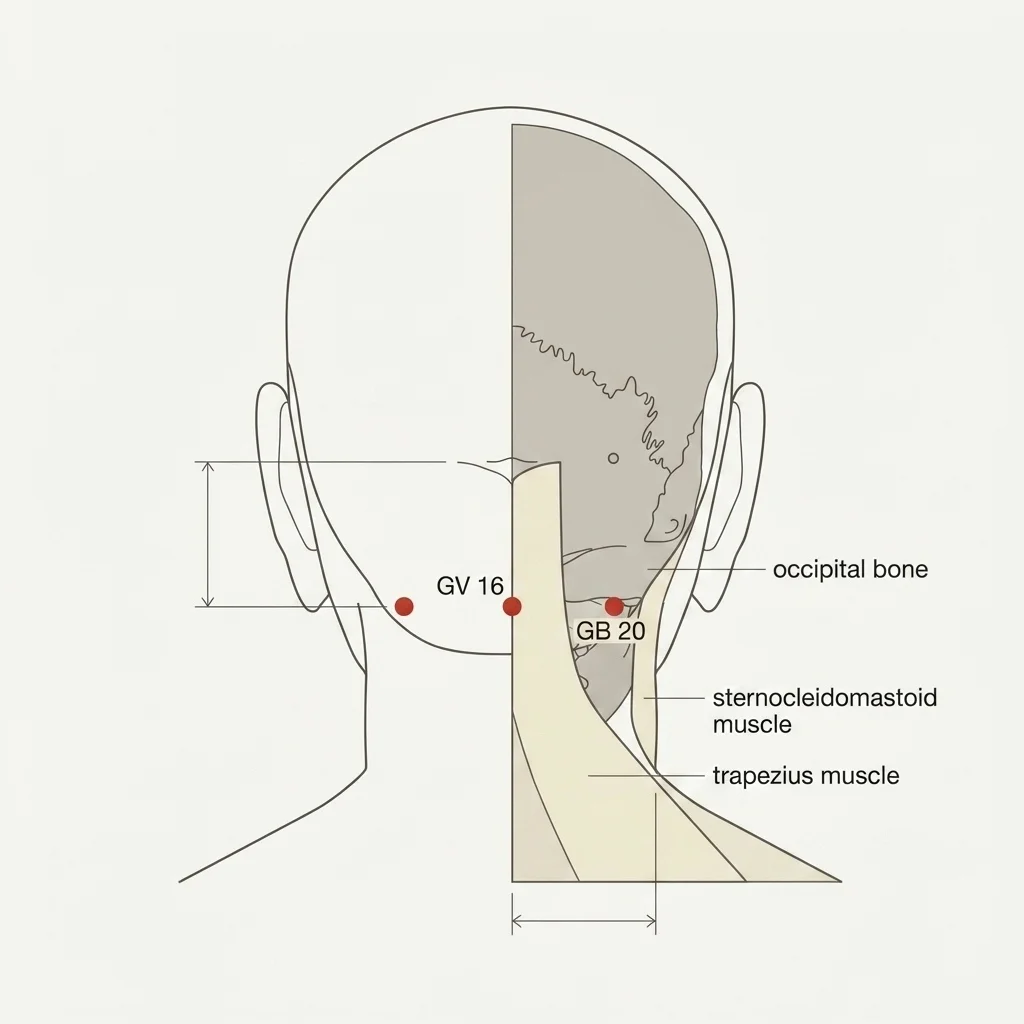
Co-prescribed pairs
- LI4 + SI195×
- LI4 + ST65×
- LI4 + ST75×
- ST6 + ST75×
Typical session window
5–12 sessions
Trial comparators
- vs Sham / Placebo
- 10 trials
- vs Medication
- 12 trials
- vs Rehab / Exercise
- 4 trials
- vs Usual Care
- 2 trials