

- Strong
See the numbers: What this page rests on
| Year | Study type | Verdict | Study |
|---|---|---|---|
| 2022 | Narrative Review | Strong | Potential mechanisms of acupuncture for neuropathic pain based on somatosensory system |
| 2023 | Narrative Review | Strong | The mechanistic basis for the effects of electroacupuncture on neuropathic pain within the central nervous system |
Evidence behind this recommendation.
Selected studies from our library that inform the recommendations on this page. Evidence grade shown when available.
The mechanistic basis for the effects of electroacupuncture on neuropathic pain within the central nervous system
“Mechanistic review suggests central modulation by electroacupuncture in neuropathic pain — a potentially relevant pathway for allodynia and burning pain in post-herpetic neuralgia. In practice, gabapentin/pregabalin, tricyclic antidepressants, and topical lidocaine remain first-line; acupuncture is considered adjunctive in selected cases, under medical coordination.”
Potential mechanisms of acupuncture for neuropathic pain based on somatosensory system
“Review of the potential mechanisms of acupuncture for neuropathic pain with a focus on the somatosensory system, including modulation of afferent fibers and central sensitization pathways.”
What Post-Herpetic Neuralgia Is
Post-herpetic neuralgia (PHN) is the most feared complication of herpes zoster — the reactivation of the latent varicella-zoster virus (VZV) in the dorsal root and cranial nerve ganglia. Clinically, it presents with neuropathic pain that persists for more than 90 days after the resolution of the cutaneous lesions, distributed in the dermatome affected by the original infection.
PHN affects approximately 30–50% of patients with herpes zoster over 60 years of age. The pain is described as constant burning, electric shocks, hypersensitivity to touch (mechanical allodynia), and pain on contact with clothing — one of the neuropathic pain syndromes with the greatest impact on quality of life and with frequently partial response to the available pharmacological treatments.
Limitations of Pharmacological Treatments
PHN is treated with anticonvulsants (gabapentin, pregabalin), tricyclic antidepressants (amitriptyline), topical analgesics (lidocaine, capsaicin 8%) and, in severe cases, opioids. Despite this arsenal, only 30–40% of patients obtain satisfactory relief (> 50% pain reduction) with monotherapy.
Conventional Pharmacotherapy vs. Medical Acupuncture
| Pharmacotherapy | Medical Acupuncture |
|---|---|
| Gabapentin/pregabalin: drowsiness, dizziness, weight gain | No systemic effects; can be combined with pharmacotherapy |
| Amitriptyline: anticholinergic effects, cardiotoxic in the elderly | Safe in the elderly without dose adjustment or cardiac monitoring |
| Opioids: risk of dependence, constipation, falls in the elderly | Releases endogenous opioids without chemical dependence |
| Only central or peripheral action in isolation | Acts simultaneously on peripheral and central sensitization |
| Capsaicin 8%: painful procedure, temporary effects | Dermatome needling: more sustained neuromodulation |
Craniofacial trigeminal divisions (V1, V2, V3) and facial sensory neuromodulation
The trigeminal ganglion maps facial sensation into three anatomical territories essential to distinguish paroxysmal neuralgia from TMJ, dental, or sinus pain.
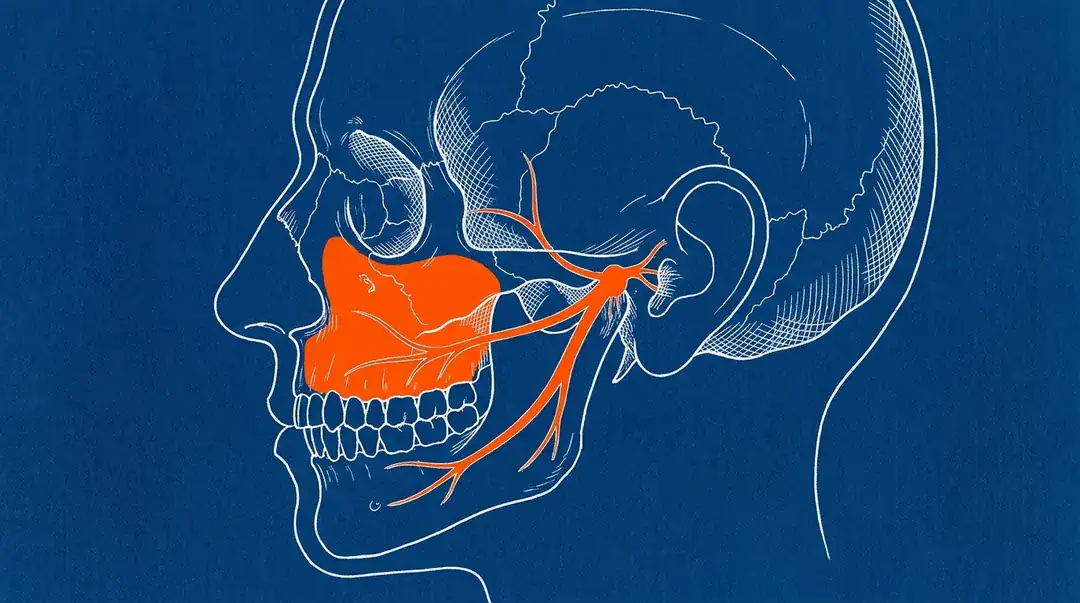
1. Maxillary territory (V2)
Supplies the cheek and upper dental arch, where light touch or breeze can trigger brief electric paroxysms.
2. Trigeminocervical convergence
Facial and upper cervical afferents meet in the spinal trigeminal nucleus, a key target for adjunctive modulation.
3. Mandibular branch (V3) & TMJ
Separates second-long neuropathic shocks along the jaw from continuous myofascial masseter and TMJ ache.
How Acupuncture Works in Post-Herpetic Neuralgia
The medical acupuncturist simultaneously addresses peripheral sensitization (affected dermatome) and central sensitization (dorsal horn of the spinal cord), combining local needling techniques with systemic neuromodulation.
Mechanisms of Action in PHN
Segmental Neuromodulation of the Dermatome
Needling along the affected dermatome (e.g., intercostal T3-T6 in thoracic zoster) activates Aβ and Aδ fibers that inhibit transmission of the C fibers chronically activated by VZV — the "gate" mechanism of Melzack and Wall
Reduction of Central Sensitization
Electroacupuncture at 2Hz reduces spinal BDNF, IL-6, and TNF-α in the dorsal horn — cytokines that maintain the state of central hyperexcitability characteristic of long-standing PHN
Release of Endogenous Opioids
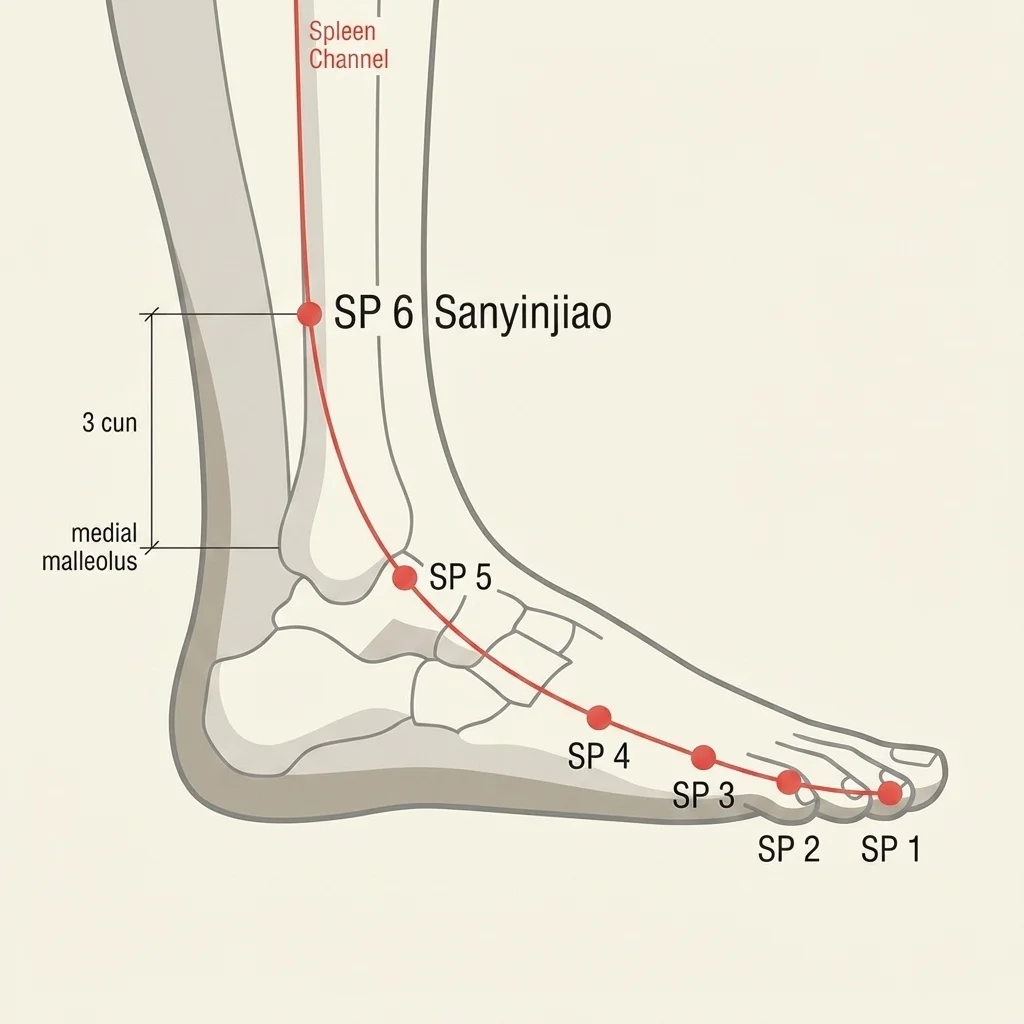
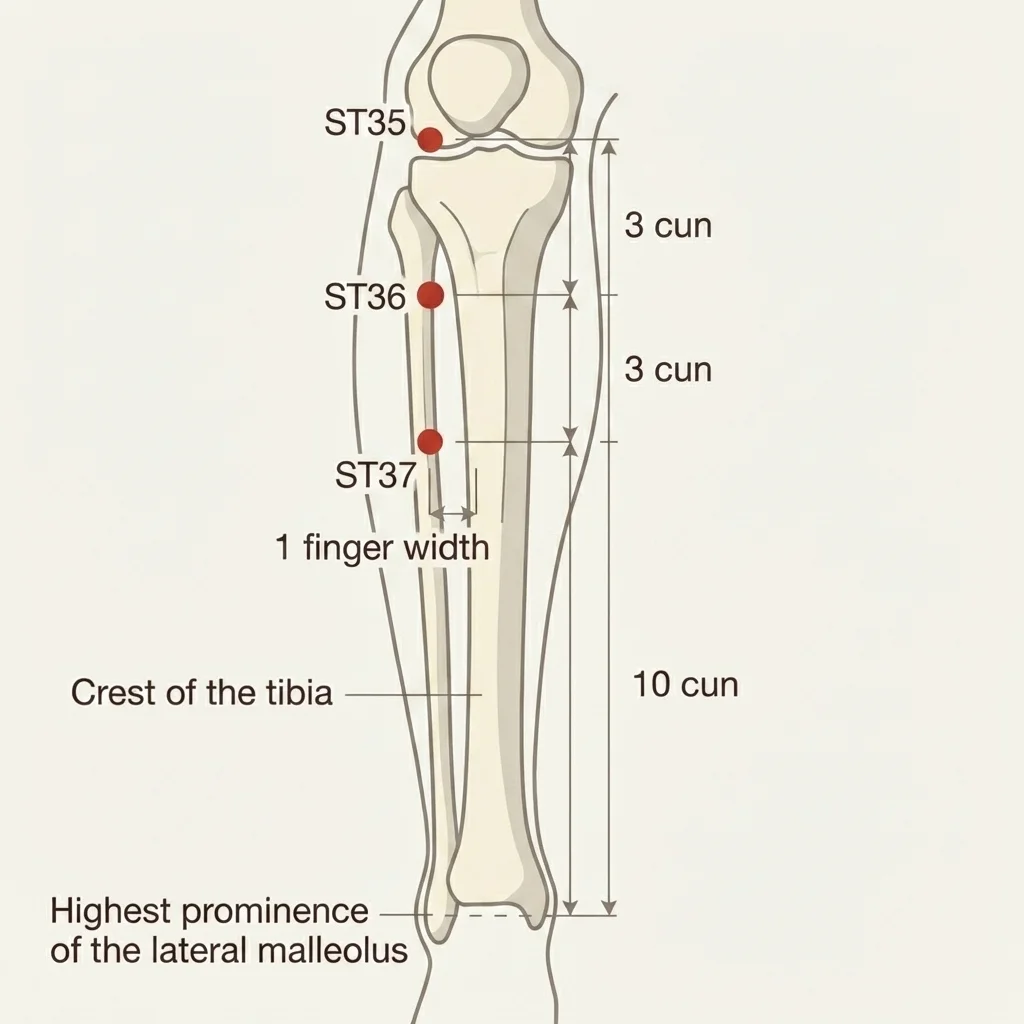
Distal points (ST36, SP6, LR3) activate the PAG-RVM-dorsal horn pathway, releasing β-endorphins and enkephalins that inhibit nociceptive transmission at the spinal and supraspinal level
Reduction of Mechanical Allodynia
Segmental neuromodulation reduces the increased sensitivity of Aβ fibers to light touch — responsible for the allodynia on clothing contact that makes PHN só disabling
Autonomic and Anti-inflammatory Modulation
Stimulation of ST36 and LI4 activates the cholinergic anti-inflammatory reflex via the vagus nerve, reducing pro-inflammatory cytokines in the still-active sensory ganglia
Local Points (Dermatome)
- Needling along the zoster scars in the dermatome
- Paravertebral points of the affected segment (Jiaji)
- Exit point of the intercostal or trigeminal nerve (if facial)
- Superficial technique (2–3mm) to avoid worsening allodynia
Scientific Evidence
Acupuncture for PHN has a solid and growing evidence base, with multiple RCTs and meta-analyses published in the last 5 years, especially in Asian populations where herpes zoster has high prevalence.
Pain Control
- 52% pain reduction at 8 weeks (Pain Medicine 2022 meta-analysis)
- VAS reduced from 7.2 to 3.4 on average in the cited studies
- In some RCTs, the combination of acupuncture + pregabalin outperformed pregabalin alone
Quality of Life
- 61% reduction in mechanical allodynia
- 47% improvement in sleep quality
- Reduction in associated anxiety and depression by 38%
Safety in the Elderly
- Low rate of serious adverse events in elderly > 70 years in the studies
- No known pharmacological interactions with gabapentin or amitriptyline
- May assist in pharmacological adjustment strategies conducted by the attending physician
TMJ, masseter, and upper neck: why bruxism and headaches reinforce each other
Masticatory afferents and C1–C2 cervical roots converge in the trigeminocervical nucleus, linking jaw clenching to temple and neck pain.
1. Nocturnal jaw load
Clenching creates masseter and temporalis trigger points referring into the ear and temple.
2. C1–C2 convergence
Trigeminal (CN V) inputs merge with upper cervical signals inside the brainstem relay.
3. Combined protocol
Pairing facial and suboccipital needling with sleep and dental care yields durable control.
Modern Approach: Protocol for PHN
The medical acupuncture protocol for PHN adapts to the intensity of allodynia, the location of the affected dermatome, and the time of evolution — with progressively more intense techniques as tolerance increases.
Progressive Protocol for PHN
Initial phase (weeks 1–4): gentle peripheral approach
Superficial needling at the borders of the dermatome (avoiding the epicenter of intense allodynia); distal points ST36, SP6 with electroacupuncture at 2Hz. 2 sessions/week.
Intermediate phase (weeks 4–8): segmental neuromodulation
Introduction of paravertebral Jiaji points of the affected segment; needling progressively more central in the dermatome as allodynia recedes. Intercostal electroacupuncture at 2Hz.
Advanced phase (weeks 8–16): central desensitization
Complete needling of the dermatome; alternating 2/100Hz electroacupuncture; emotional modulation points (HT7, LR3, PC6) to treat the anxious and depressive component.
Maintenance (after week 16)
Monthly or bimonthly maintenance sessions; progressive reduction of pharmacotherapy in collaboration with the responsible neurologist; prevention of recurrences.
When to See a Medical Acupuncturist
Medical acupuncture is indicated both for the prevention of PHN (in acute zoster) and for the treatment of established PHN — with greater efficacy the earlier it is started.
Frequently Asked Questions
Frequently Asked Questions
At the start of treatment, needling is performed at the margins of the affected dermatome, where allodynia is lower, with very fine needles (0.20mm) and superficial technique. As desensitization progresses over the sessions, the physician advances progressively toward the epicenter. Most patients tolerate this gradual protocol well.
Recent PHN (< 6 months): 8–12 sessions over 8 weeks. Chronic PHN (> 1 year): 16–24 sessions over 4–6 months. The effect is cumulative — each session produces more neuromodulation than the previous one. Monthly maintenance after the main cycle sustains the results.
Yes — and this combination is the strategy with the strongest evidence support. Acupuncture acts on mechanisms complementary to anticonvulsants, with studies suggesting better outcomes compared to pharmacological monotherapy. In some cases with good clinical response, the attending physician may evaluate the possibility of adjusting the anticonvulsant dose — the decision rests with the prescriber, never with the acupuncturist alone.
It works, but the response is slower and incomplete in cases of PHN with more than 3–5 years. Long-term established central sensitization is partially irreversible. Even só, reductions of 30–40% in pain intensity are clinically significant and frequently obtained even in chronic cases.
There is no evidence that acupuncture reactivates latent VZV. The virus reactivates mainly in contexts of systemic immunosuppression (corticosteroid therapy, chemotherapy, HIV), not by local stimulation with a needle. Needling on scars from active zoster (unhealed lesions) is avoided, but old scars are safe.
What clinical trials tested for this condition — Postherpetic Neuralgia
Share among studies for this condition that reported specific acupoints.
- studies analyzed
- 13 studies analyzed
- RCTs
- 3 RCTs
- sham-controlled
- 5 sham-controlled
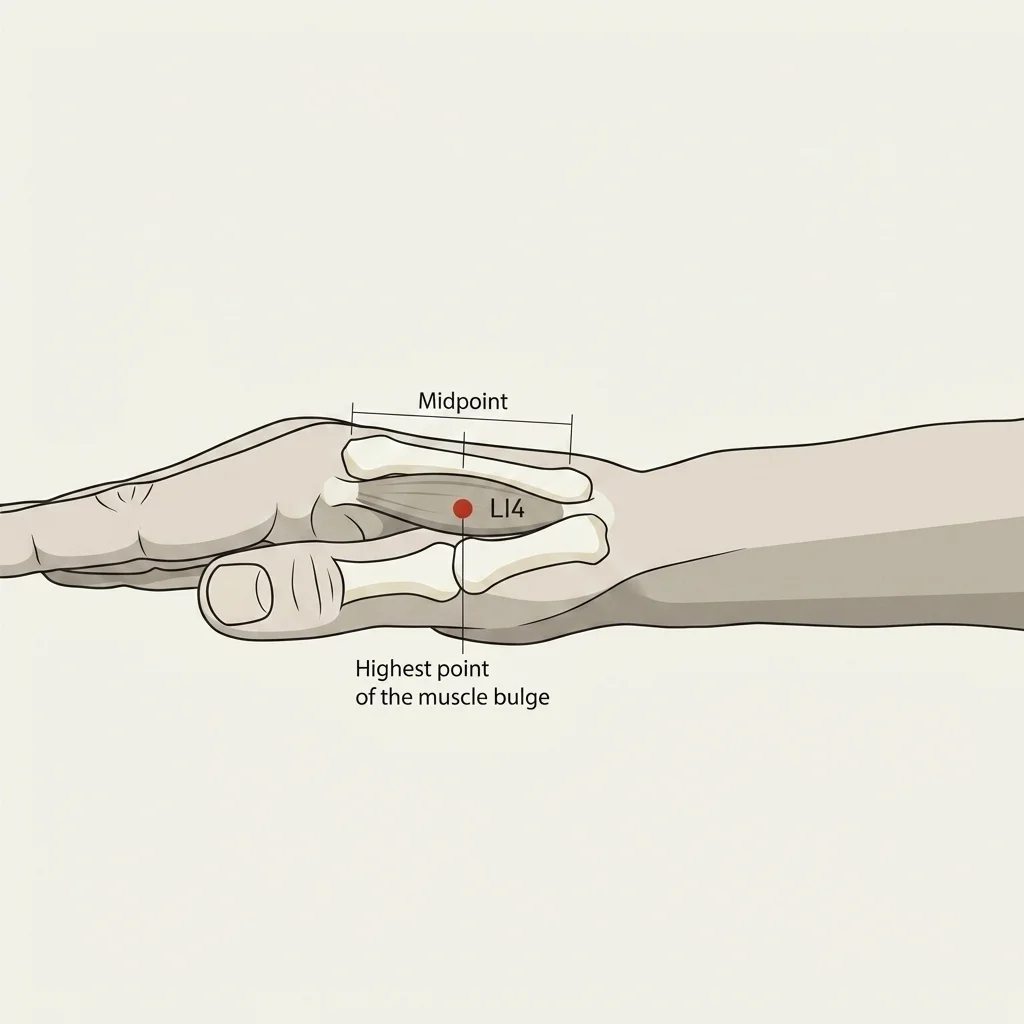
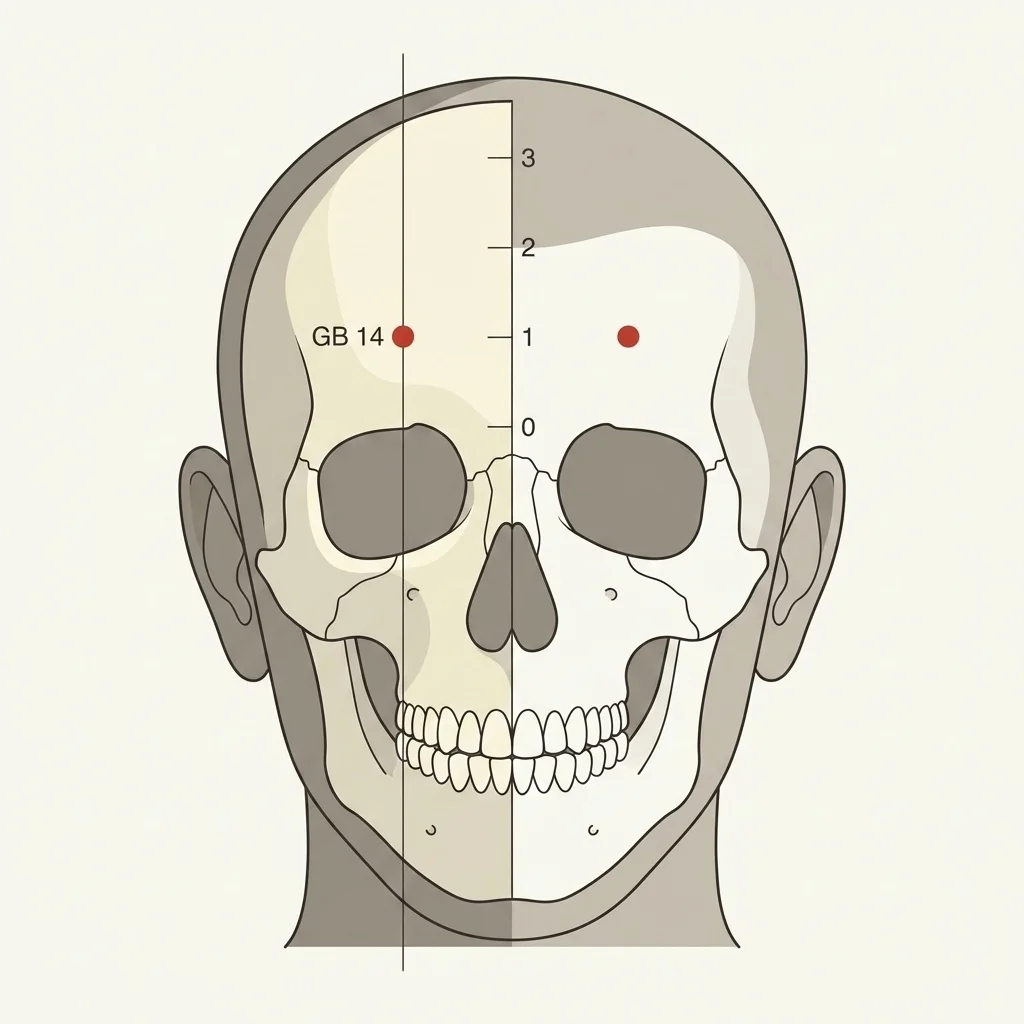
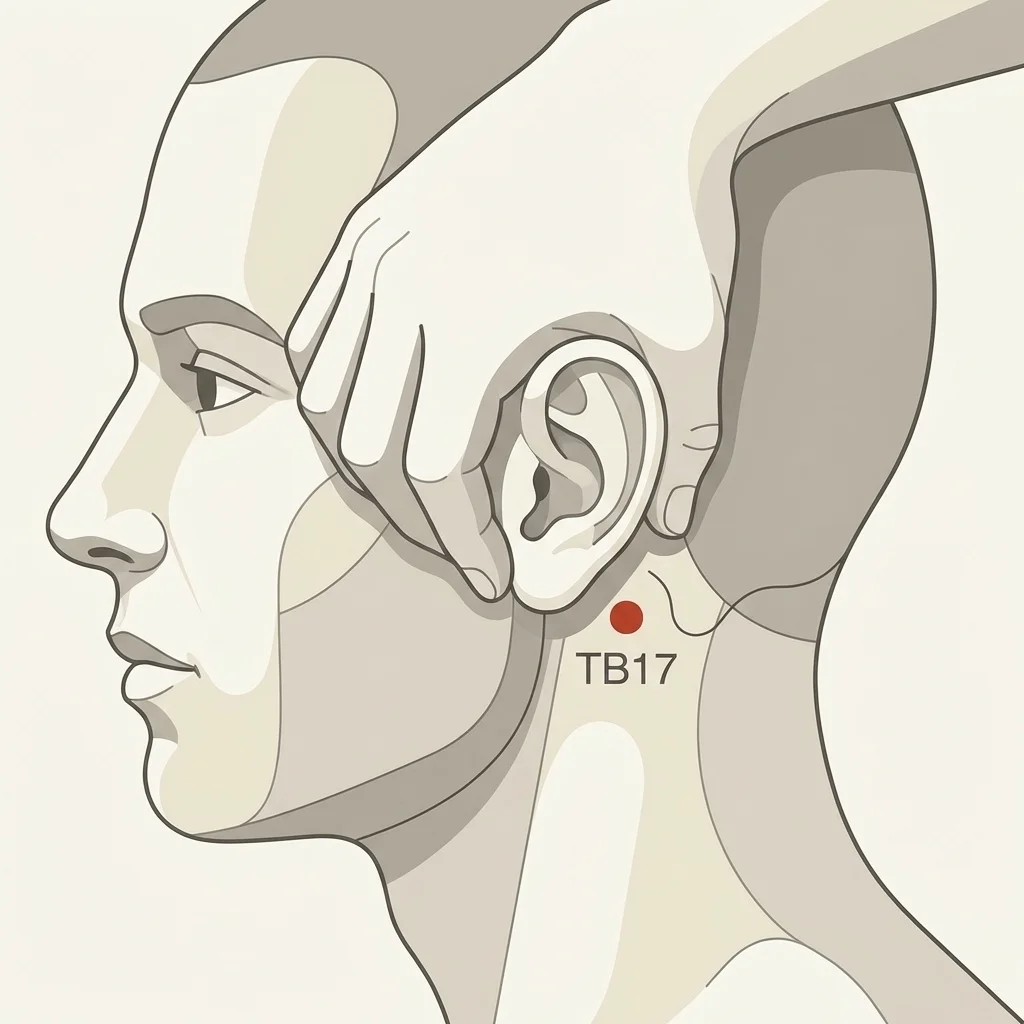
Co-prescribed pairs
- GB14 + LI42×
- GB14 + TE172×
- LI4 + TE172×
Electroacupuncture (Hz)
Typical session window
2–20 sessions
Trial comparators
- vs Sham / Placebo
- 5 trials
- vs Medication
- 8 trials
- vs Usual Care
- 3 trials