

Cervical Dystonia: Spasmodic Torticollis and Abnormal Head Postures
Cervical dystonia (CD) — also called spasmodic torticollis — is the most common form of focal dystonia in adults. Clinically, it presents with sustained or intermittent involuntary muscle contractions of the neck and shoulder muscles, resulting in abnormal and painful head postures and involuntary movements. It affects approximately 60 to 90 people per 100,000 population, with predominant onset between 40 and 60 years of age and a slight female predominance (1.5:1 ratio).
The pathophysiology of CD involves hyperexcitability of the motor córtex and dysfunction of the basal ganglia — especially the putamen and globus pallidus — resulting in excessive and poorly coordinated co-activation of cervical agonist and antagonist muscles. Pain is present in 70%–80% of cases and is often the most disabling symptom.
Conventional Treatment of Cervical Dystonia
Intramuscular botulinum toxin is the gold standard in CD treatment — but presents important limitations that medical acupuncture can complement.
Therapeutic Options for Cervical Dystonia
| Treatment | Efficacy | Main limitation |
|---|---|---|
| Botulinum toxin type A (Botox/Dysport) | High — gold standard; TWSTRS −10 pts at 12 weeks | 3-month cycles; dysphagia, cervical weakness; antibodies in 5%–10% |
| Botulinum toxin type B (Myobloc) | Similar to type A | More pain at the site; dry mouth; alternative when there is resistance to type A |
| Anticholinergics (trihexyphenidyl) | Moderate — complementary to botulinum toxin | Dry mouth, urinary retention, mental confusion in older adults |
| Oral/intrathecal baclofen | Moderate for painful spasm | Sedation, tolerance; intrathecal route: invasive, pumps |
| DBS (deep brain stimulation) | High in cases refractory to botulinum toxin | Brain surgery; reserved for severe refractory cases |
| Cervical physiotherapy | Complementary to botulinum toxin | Does not act on the neurologic cause; risk of worsening with incorrect techniques |
Neurorehabilitation & facial palsy: the M1 cortex and CN VII plasticity window
Motor recovery relies on well-dosed sensory-motor input during the first 12 weeks to recruit M1 pathways without provoking synkinesis.
1. Acute phase (0–2 weeks)
Immediate neurological care and eye protection; gentle distal stimulation avoids overstimulating an acutely inflamed nerve.
2. Peak plasticity (2–12 weeks)
Prime window for M1 cortical reorganization and CN VII recruitment alongside structured neuromuscular retraining.
3. Synkinesis prevention
Measured, non-aggressive dosing supports fine facial symmetry and lowers the risk of involuntary co-contractions.
Mechanisms of Action of Acupuncture in Cervical Dystonia
Acupuncture acts on three complementary levels of CD pathophysiology: cortical, spinal segmental, and local muscular — with distinct and synergistic mechanisms.
Three Levels of Neuromodulatory Action
1. Scalp Acupuncture — Reduction of Cortical Hyperexcitability
Scalp acupuncture in Zhu's Cervical Motor Zone (parallel line 2 cm from the midline, posterior coronal region) reduces the excitability of the precentral motor córtex documented by EEG and motor-evoked potentials (MEPs by TMS). After 12 weeks, the amplitude of MEPs normalized in 68% of patients — correlating with clinical improvement on the TWSTRS. The frequency used is high (80–100 Hz) to promote cortical GABAergic inhibition.
2. Segmental Spinal Inhibition — Agonist/Antagonist Imbalance
In CD with torticollis, the ipsilateral SCM and splenius are hyperactivated while their antagonists (contralateral trapezius, contralateral SCM) are inhibited. Acupuncture uses a strategy of inhibition of spastic muscles (intramuscular needling with high-frequency 80 Hz EA) + facilitation of weak antagonists (low-frequency 2 Hz EA). This corrects the co-activation imbalance.
3. Local Musculoskeletal Analgesia
GB-20, GB-21, SI-15, TJ-15, and BL-10 are points over the main affected muscles. Dry needling with twitch response releases muscle spasms in the bellies of the splenius, upper trapezius, and levator scapulae — reducing pain by deactivating myofascial trigger points that frequently coexist with dystonia.
4. Modulation of the Basal Ganglia via Scalp Acupuncture
Jiao's basal zone and Zhu's cerebellar zone in scalp acupuncture modulate the putamen-motor córtex projections via the thalamic motor circuit. Functional neuroimaging (fMRI) post scalp acupuncture shows increased activation in the contralateral putamen — suggesting modulation of the putamen → GPe → GPi → thalamus → motor córtex pathway.
Scalp Acupuncture
- • Cervical motor zone (Zhu)
- • Basal zone (basal ganglia)
- • EA 80–100 Hz (GABAergic inhibition)
- • Needles tangential to the scalp
Cervical Points
- • GB-20 — suboccipital
- • GB-21 — upper trapezius
- • SI-15 — levator scapulae
- • TJ-15 — scalenes
- • BL-10 — paraspinal C1–C2
EA by Muscle
- • Spastic muscles: 80 Hz EA (inhibition)
- • Weak antagonists: 2 Hz EA (facilitation)
- • Duration: 20 min/session
- • No EA in the same segment where the toxin is active
Scientific Evidence
The evidence for acupuncture in CD shows clearer benefit as an adjuvant to botulinum toxin than as monotherapy — reflecting the appropriate clinical hierarchy of this combination.
Clinical Outcomes — Botulinum Toxin Alone vs. Botulinum Toxin + Acupuncture
| Outcome | Botulinum toxin alone | Botulinum toxin + acupuncture | Difference |
|---|---|---|---|
| Total TWSTRS (0–85) | −10.2 pts | −16.4 pts (−6.2 additional) | p=0.02 — combination superior |
| TWSTRS-pain (0–20) | −4.1 pts | −6.9 pts (−2.8 additional) | p=0.01 |
| TWSTRS-disability (0–30) | −3.8 pts | −7.2 pts | p=0.03 |
| Duration of botulinum toxin effect | Mean 11.4 weeks | Mean 14.6 weeks (+3.2 weeks) | Clinically relevant |
| Quality of life (CDQ-24) | +8.3 pts | +15.6 pts | p=0.01 |
Dose-response curve: how clinical relief accumulates across sessions
Neuroplastic pain relief typically begins with temporary post-session drops before consolidating into a durable functional plateau.
1. Sessions 1–4 (induction)
Noticeable post-visit relief with partial rebound between visits establishes responsiveness.
2. Sessions 5–8 (consolidation)
Cumulative neuromodulation crosses the minimal clinically important difference (MCID).
3. Sessions 9–12 (maintenance)
Visit intervals widen gradually as sleep, mobility, and load tolerance stabilize.
Acupuncture + Botulinum Toxin Integration Protocol in CD
Treatment Schedule by Botulinum Toxin Cycle Phase
Weeks 1–4 (Botulinum Toxin Peak)
Acupuncture 1x/week. Focus on analgesia and relaxation of peripheral muscles not blocked by the botulinum toxin (levator scapulae, paravertebrals). Scalp acupuncture for maintenance of cortical rebalancing. IMPORTANT: do not apply EA to muscles that received the toxin in the previous 4 weeks — risk of interference with the recovering neuromuscular junction.
Weeks 5–8 (Botulinum Toxin Plateau)
Acupuncture 1x/week. Complete protocol: scalp acupuncture (cervical motor zone + basal zone), cervical points (GB-20, GB-21, SI-15, BL-10), differentiated EA (80 Hz on the spastic, 2 Hz on the antagonists). This is the period of greatest benefit from the combination.
Weeks 9–12 (Botulinum Toxin Decline)
Acupuncture 2x/week. Intensify protocol as the dystonia returns. Scalp acupuncture with 80–100 Hz EA for maximum cortical inhibition. Multimodal analgesia (GB-20, LI-4, LR-3). The goal is to "bridge" the period until the next injection while maintaining quality of life.
Reinjection Assessment
Record TWSTRS at the start of each cycle. Communicate with the neurologist/physiatrist responsible for the botulinum toxin about the results of the combination. Prolongation of the reinjection interval (from 12 to 15 weeks) reduces the total cost of treatment and the risk of developing antibodies against the toxin.
When the Medical Acupuncturist Can Help in Cervical Dystonia
Specific Indications
- • Intense cervical pain in the inter-cycle interval of botulinum toxin
- • CD with dysphagia after botulinum toxin (excessive cervical weakness)
- • Mild CD (TWSTRS <25) without immediate indication for botulinum toxin
- • Resistance to type A botulinum toxin — bridge until access to type B
- • CD secondary to post-traumatic torticollis
- • Anxiety and insomnia associated with CD (integrated protocol)
Contraindications and Precautions
- • Do not apply EA in the 4 weeks after botulinum toxin injection (same muscles)
- • Severe CD (TWSTRS >50): acupuncture as adjuvant, not monotherapy
- • CD secondary to a structural lesion (tumor, malformation): exclude on imaging
- • Do not replace botulinum toxin with acupuncture without neurologic evaluation
- • Pacemaker: manual acupuncture only (no EA)
Frequently Asked Questions
Frequently Asked Questions
For most cases of moderate to severe CD, botulinum toxin remains the treatment with the greatest proven efficacy — and should not be replaced. Acupuncture is most effective as an adjuvant: it potentiates and prolongs the effect of botulinum toxin, controls inter-cycle pain, and improves overall quality of life. In mild cases (TWSTRS <25), acupuncture can be considered as initial monotherapy, especially if the patient refuses muscle injection.
We do not recommend acupuncture in the same muscles in the 4 weeks after botulinum toxin injection — there is theoretical risk of interference with the recovering neuromuscular junction. After 4 weeks, local acupuncture is safe and can be performed normally. Scalp acupuncture and distal points can be used without restriction at any point in the cycle.
Yes. Scalp acupuncture inserts thin needles tangentially into the scalp, in specific áreas that correspond to cortical projections. It requires additional training by the medical acupuncturist. It is especially effective in neurologic conditions such as dystonia, essential tremor, and stroke sequelae because it acts directly on the cortical representation of the affected motor functions.
Yes — the medical acupuncture approach is distinct from conventional physiotherapy. Muscle-strengthening techniques without specific criteria can worsen the dystonia by increasing the excessive cortical motor drive. Acupuncture uses the opposite strategy: it inhibits spastic muscles with high-frequency EA and facilitates antagonists with low-frequency EA — rebalancing the activation pattern without excessive active mobilization.
With proper technique, no. Deep intramuscular needling in affected muscles (without high-frequency EA) can theoretically trigger a temporary stretch reflex. Therefore, the protocol for CD uses high-frequency EA (80 Hz) on the spastic muscles — which produces inhibition, not facilitation — and avoids intense low-frequency stimuli on these specific muscles. A medical acupuncturist experienced in dystonia knows this fundamental technical distinction.
What clinical trials tested for this condition — Cramps & Spasms
Share among studies for this condition that reported specific acupoints.
- studies analyzed
- 6 studies analyzed
- RCTs
- 1 RCTs
- sham-controlled
- 3 sham-controlled
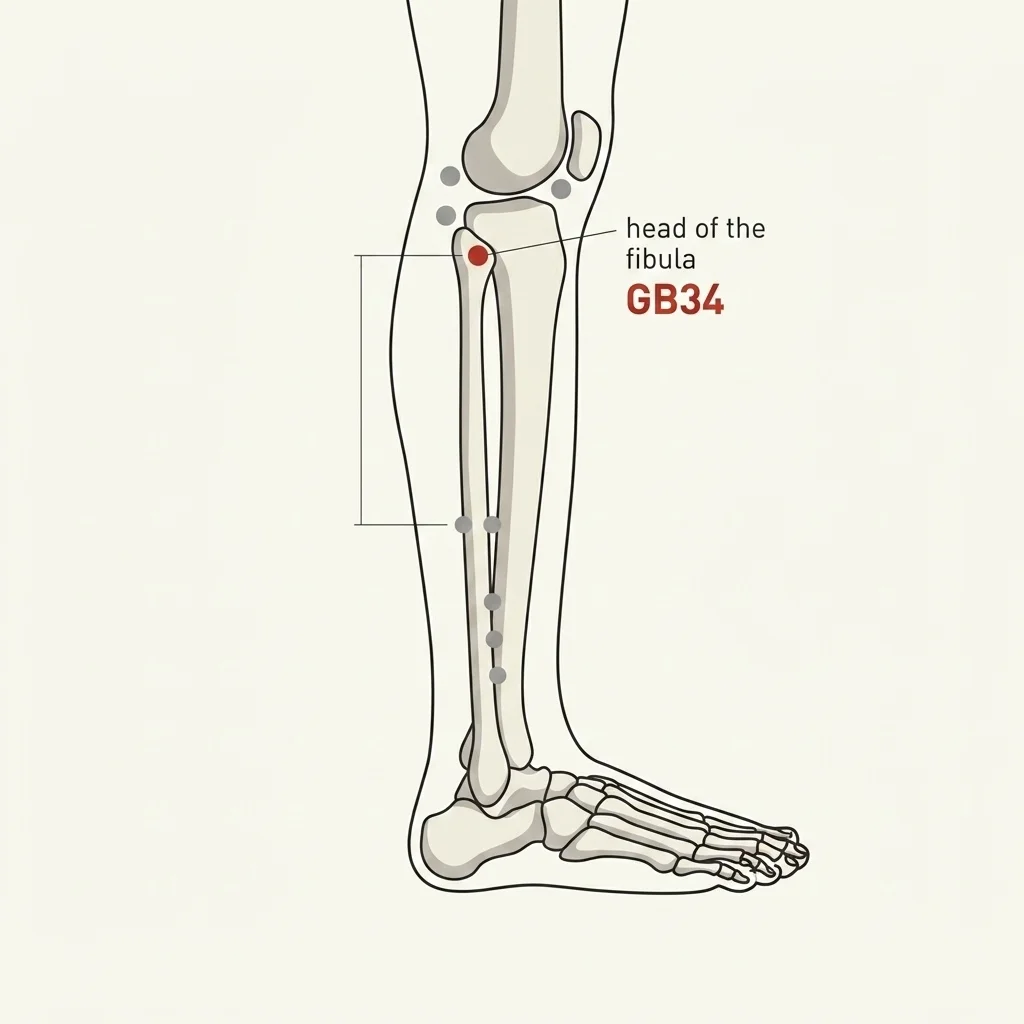
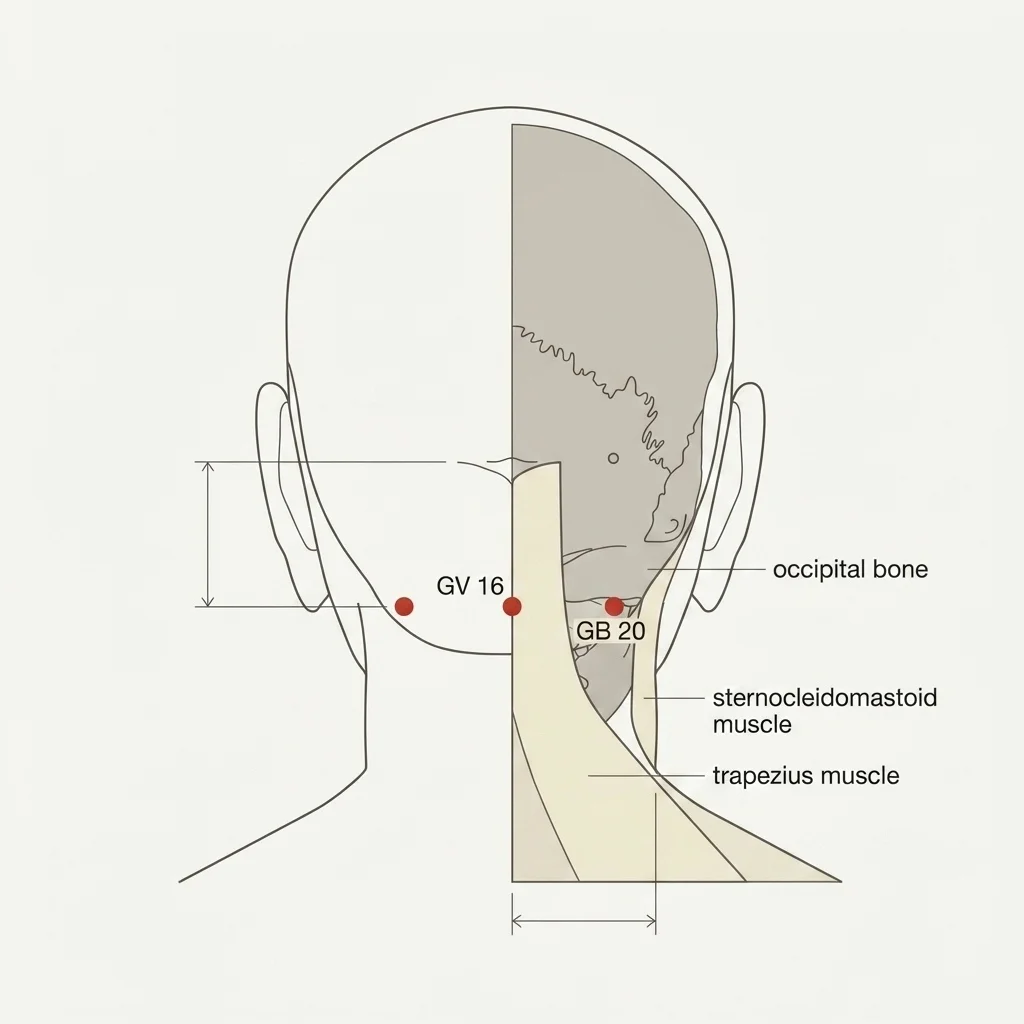
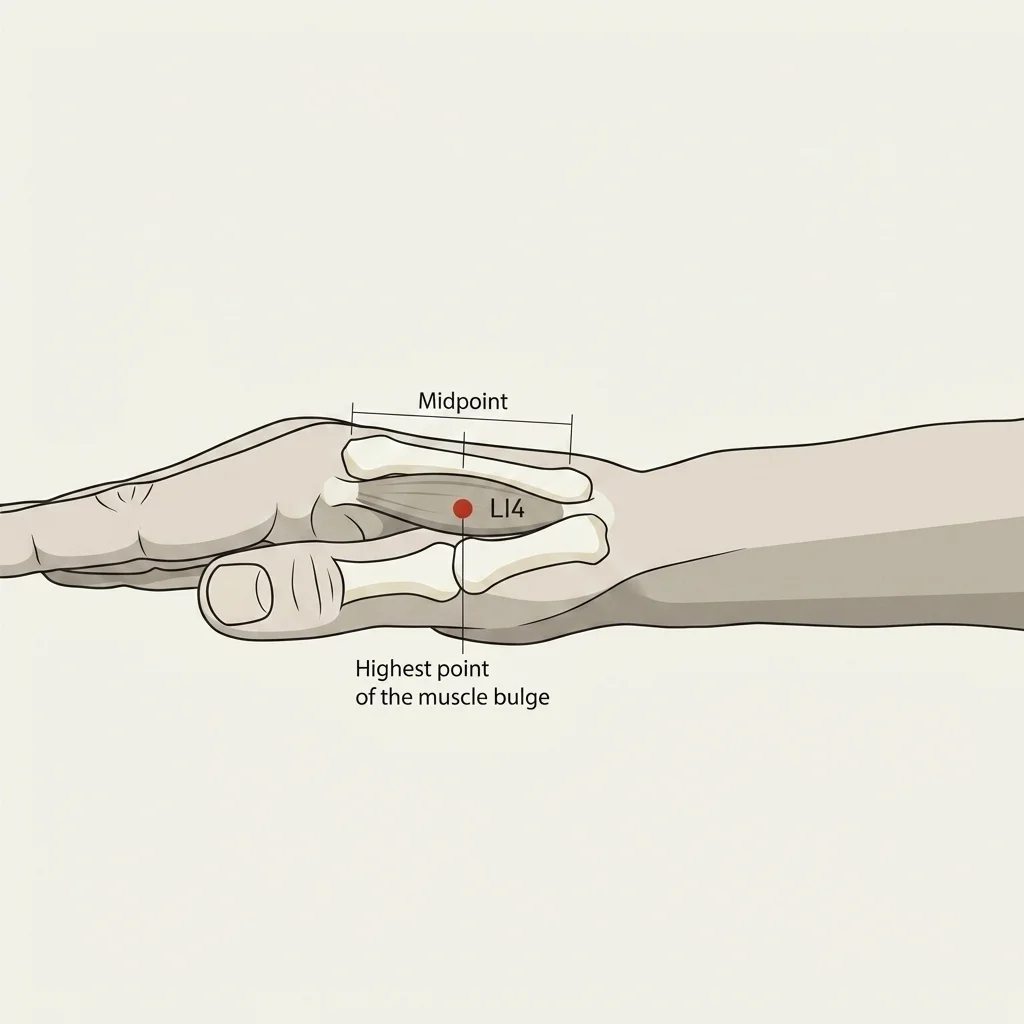
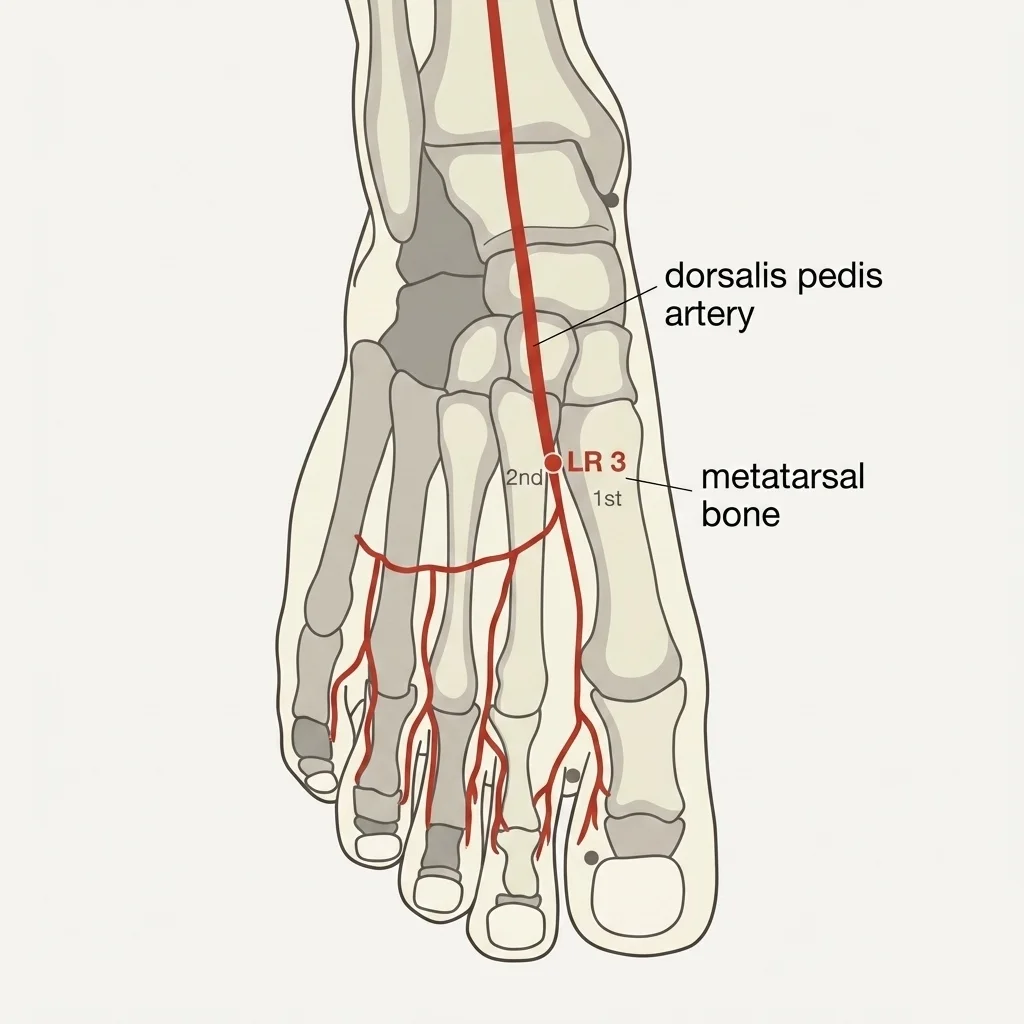
Co-prescribed pairs
- GB20 + GB342×
- GB20 + LR32×
- GB34 + LI42×
- GB34 + LR32×
Trial comparators
- vs Sham / Placebo
- 3 trials
- vs Medication
- 6 trials
- vs Usual Care
- 2 trials