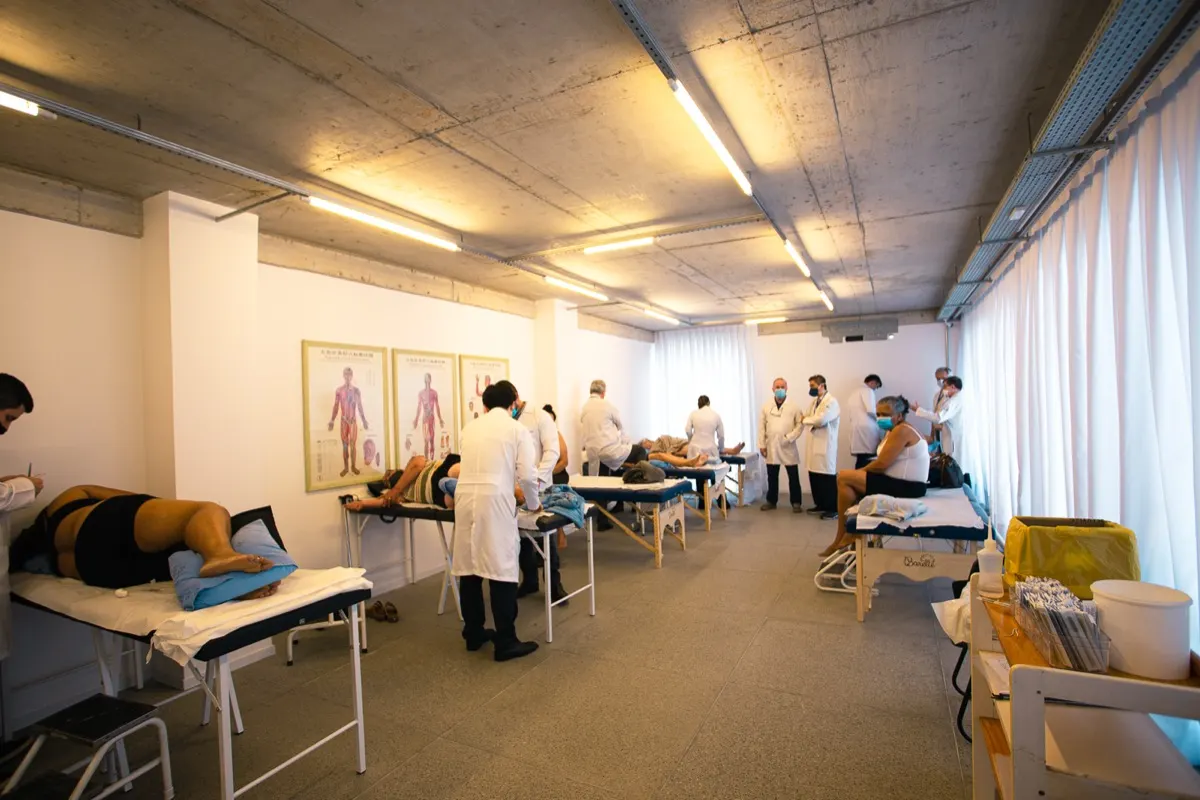

- Strong
See the numbers: What this page rests on
| Year | Study type | Verdict | Study |
|---|---|---|---|
| 2017 | RCT | Strong | Effect of Acupuncture and Clomiphene in Chinese Women With Polycystic Ovary Syndrome |
| 2017 | Other | Strong | Acupuncture and the Complex Connections Between the Mind and the Body |
Evidence behind this recommendation.
Selected studies from our library that inform the recommendations on this page. Evidence grade shown when available.
Effect of Acupuncture and Clomiphene in Chinese Women With Polycystic Ovary Syndrome
“The largest randomized clinical trial ever conducted on acupuncture in PCOS — 1000 participants across 21 centers in China — compared active acupuncture, clomiphene, and combinations. Clomiphene was superior to acupuncture alone in live birth rate, reinforcing that acupuncture does not replace pharmacological ovulation inducers, although it may have an adjuvant role.”
Acupuncture and the Complex Connections Between the Mind and the Body
“This editorial in JAMA, written by experts from the U.S.”
PCOS: Hyperandrogenism, Anovulation, and Insulin Resistance
Polycystic ovary syndrome (PCOS) is the most common endocrinopathy in women of reproductive age, affecting 10–13% of this population — about 116 million women worldwide. Diagnosis (Rotterdam criteria) requires 2 of 3: oligo/anovulation, hyperandrogenism (clinical or laboratory), and polycystic ovaries on ultrasound. It is a heterogeneous syndrome with multiple clinical phenotypes, but the unifying pathophysiological substrate is dysfunction of the hypothalamic-pituitary-ovarian axis with androgen excess and, frequently, insulin resistance.
Conventional Treatments: Metformin, Oral Contraceptives, and Ovulation Inducers
Treatment of PCOS is guided by the patient's goal and by the predominant clinical phenotypes. There is no single treatment that addresses every aspect of the syndrome, which creates an opportunity for complementary approaches that target multiple endpoints simultaneously.
Conventional Treatments for PCOS
| Goal | Treatment | Limitations |
|---|---|---|
| Menstrual regularization / contraception | Combined hormonal contraceptive (pill) | Not available when pregnancy is desired; hormonal side effects; does not improve insulin resistance |
| Insulin resistance / metabolism | Metformin 1,500–2,000 mg/day | GI effects (nausea, diarrhea) in 30–40%; modest efficacy in regularizing the cycle alone; does not treat hyperandrogenism |
| Ovulation induction | Letrozole 2.5–7.5 mg (first line) / Clomiphene | Multiple pregnancy (rare with letrozole); does not address the underlying endocrine defect; failure in 30–40% |
| Hyperandrogenism | Spironolactone 100–200 mg/day + pill | Teratogenic (contraception mandatory); hyperkalemia; hypotension |
| Weight loss (PCOS with overweight) | Lifestyle change; GLP-1 (semaglutide) | Difficult adherence; semaglutide: cost and access in Brazil; teratogenic (discontinue before pregnancy) |
| Acupuncture (complementary) | EA 2 Hz at SP-6, ST-29, ST-36; LR-3, KI-3 | Does not replace letrozole, metformin, or oral contraceptives; adjuvant role; moderate evidence |
Dysmenorrhea & pelvic pain: T10–L1 and S2–S4 segmental neuromodulation
Uterine autonomic pathways share spinal segments with tibial and sacral points, helping lower prostaglandin spasm across cycles.
1. Uterine autonomic balance
Quiets thoracolumbar sympathetic (T10–L1) overdrive linked to myometrial vasoconstriction and cramping.
2. SP6, BL32 & CV4 convergence
Sacral (S2–S4) inputs lower local PGF2α and ease deep pelvic pain in dysmenorrhea and endometriosis.
3. Cumulative 3-cycle gain
Timed sessions across consecutive menstrual cycles lower pain scores and rescue NSAID consumption.
How Acupuncture Works in PCOS
Acupuncture — especially low-frequency electroacupuncture (2 Hz) — has effects described in experimental studies on the hypothalamic-pituitary-ovarian neuroendocrine axis and on parameters of insulin sensitivity. The research group of Elisabet Stener-Victorin (Karolinska Institutet) is one of the main references in this line of investigation, with preclinical and clinical trials that support mechanistic hypotheses still being consolidated.
Mechanisms of Acupuncture in PCOS
Possible Modulation of GnRH/LH Pulse
In PCOS, the GnRH pulse tends to be accelerated, favoring secretion of LH over FSH — which can stimulate ovarian androgen production. Mechanistic hypothesis: EA at 2 Hz on SP-6, ST-29, and ST-36 could modulate hypothalamic interneurons that influence the GnRH pulse generator; evidence still preliminary, mostly preclinical.
Possible Improvement of Insulin Sensitivity
Preclinical studies suggest that EA at 2 Hz on ST-36 and SP-6 may influence GLUT-4 translocation in skeletal muscle. Clinical trials show modest improvement in HOMA-IR, but the mechanism in humans is not yet fully elucidated.
Modulation of Ovarian Sympathetic Innervation
Animal models suggest that ovaries with PCOS show sympathetic hyperinnervation. Stener-Victorin studies in rats demonstrated that EA can reduce this ovarian sympathetic hyperactivity — an experimental effect whose direct clinical translation in humans is still under investigation.
Effect on Uterine and Ovarian Blood Flow
Doppler studies suggest that EA at ST-29 and SP-6 may improve parameters of uterine and ovarian blood flow — a hypothesis associated with a better follicular environment. A finding not yet consolidated as a primary clinical outcome in large trials.
Main Points in the Treatment of PCOS
ST29 — Guilai (Pelvic Region)
Located 2 cun lateral to CV4, below the umbilicus. Provides somatic access to the segmental pelvic innervation (L2–L3). Experimental studies suggest that EA at 2 Hz may influence regional flow and local sympathetic modulation. A point classically used in gynecological protocols.
SP6 — Pelvic Neuromodulation
A classic point in gynecological protocols. From a neuroanatomical perspective, EA at 2 Hz on SP6 activates tibial afferents (L4–S3) that converge at the spinal level with pelvic visceral afferents — a plausible neurophysiological basis for its effect on the neuroendocrine axis.
LR3 — Complementary Regulation Point
A point traditionally associated with menstrual protocols. Mechanistic research suggests possible modulation of endogenous opioid pathways (β-endorphin) that influence the GnRH pulse generator — a hypothesis still under investigation. It complements SP6 in clinical protocols.
ST36 — Zu San Li (Metabolism and Insulin)
ST36 activates muscle fibers of the tibialis anterior and stimulates the deep peroneal nerve (L4–L5). Experimental studies suggest effects on muscle expression of GLUT-4 and glucose uptake; in T2DM, some trials describe a reduction in fasting glycemia. The clinical relevance of this mechanism in PCOS with insulin resistance is plausible, though not fully consolidated.
Scientific Evidence
Research on acupuncture for PCOS remains active. Recent systematic reviews (including the Cochrane review by Lim et al., updated in 2019) point to evidence of low to moderate quality, with modest effects on menstrual regularity and androgenic parameters — and emphasize that the largest RCT conducted to date (JAMA 2017, Wu et al., n=1000) did not show superiority of acupuncture over clomiphene in reproductive outcomes. Heterogeneity across studies remains a challenge.
Three-level medical prescription: local, segmental, and distal points
Rather than relying on isolated points, physicians combine three complementary tiers to address local tissue, spinal gating, and central tone.
1. Local tier (Ashi / trigger)
Addresses the taut band, fascia, or painful joint directly via adenosine and perfusion.
2. Segmental tier (spinal)
Targets the matching dermatome and myotome to engage dorsal-horn synaptic gating.
3. Distal tier (supraspinal)
Extremity points recruit PAG/RVM descending analgesia, vagal tone, and sleep depth.
Modern Approach: The Role of Acupuncture in PCOS Management
Acupuncture does not replace conventional treatments for PCOS, but it complements them in a unique way: it acts simultaneously on the neuroendocrine axis and on insulin metabolism, without hormonal effects or teratogenicity — a profile especially suited to women planning pregnancy.
PCOS + Pregnancy Planning
For women who wish to conceive: acupuncture can be combined with letrozole as support during the induced cycle, improving uterine flow and the endometrial environment. Without teratogenicity, it can be continued during the induction cycle and in the first weeks of pregnancy.
Adolescent PCOS or Without Need for Contraception
The contraceptive pill is effective but not appropriate for everyone. For adolescents, women with hormonal contraindications, or those who do not want contraception, acupuncture offers cycle regulation and control of hyperandrogenism without systemic hormonal effects.
When to See a Medical Acupuncturist
Priority Indications
PCOS with oligo/amenorrhea in pregnancy planning; PCOS with insulin resistance as a complement to metformin; PCOS in an adolescent or a woman who declines hormonal contraception; control of acne and hirsutism as a complement to spironolactone.
Frequently Asked Questions
Frequently Asked Questions
Some clinical studies of low-frequency electroacupuncture suggest a modest increase in ovulation rates compared with controls, but acupuncture is far from being an ovulation inducer equivalent to letrozole — considered first line by current guidelines. The largest randomized trial (JAMA 2017, n=1000) did not show superiority over clomiphene in live births. Acupuncture may have an adjuvant role, but pharmacological induction remains under the decision of the gynecologist.
No. Metformin has well-established efficacy in reducing insulin resistance and the risk of T2DM in PCOS and is recommended by guidelines. Acupuncture may, in some studies, produce modest improvement in HOMA-IR, but there is no evidence that authorizes replacing metformin. The decision regarding medication always rests with the treating physician (gynecologist or endocrinologist).
Low-frequency electroacupuncture (2 Hz) has a specific activation profile: it releases β-endorphin and met-enkephalin in the CNS, while high frequency (80–100 Hz) releases dynorphin. Mechanistic studies in PCOS predominantly use 2 Hz — it is the frequency that modulates the GnRH pulse and ovarian sympathetic hyperinnervation. Manual acupuncture has a smaller effect than electroacupuncture for PCOS.
In general, the treatments are compatible and there is no evidence of a relevant pharmacokinetic interaction. A common protocol involves weekly acupuncture during the "baseline" weeks of the cycle, with additional sessions in the ovulatory window. Letrozole is prescribed by the gynecologist and its therapeutic schedule must always be defined by them. The combination should be decided jointly with the treating team.
What clinical trials tested for this condition — Polycystic Ovary Syndrome
Share among studies for this condition that reported specific acupoints.
- studies analyzed
- 8 studies analyzed
- RCTs
- 3 RCTs
- sham-controlled
- 4 sham-controlled
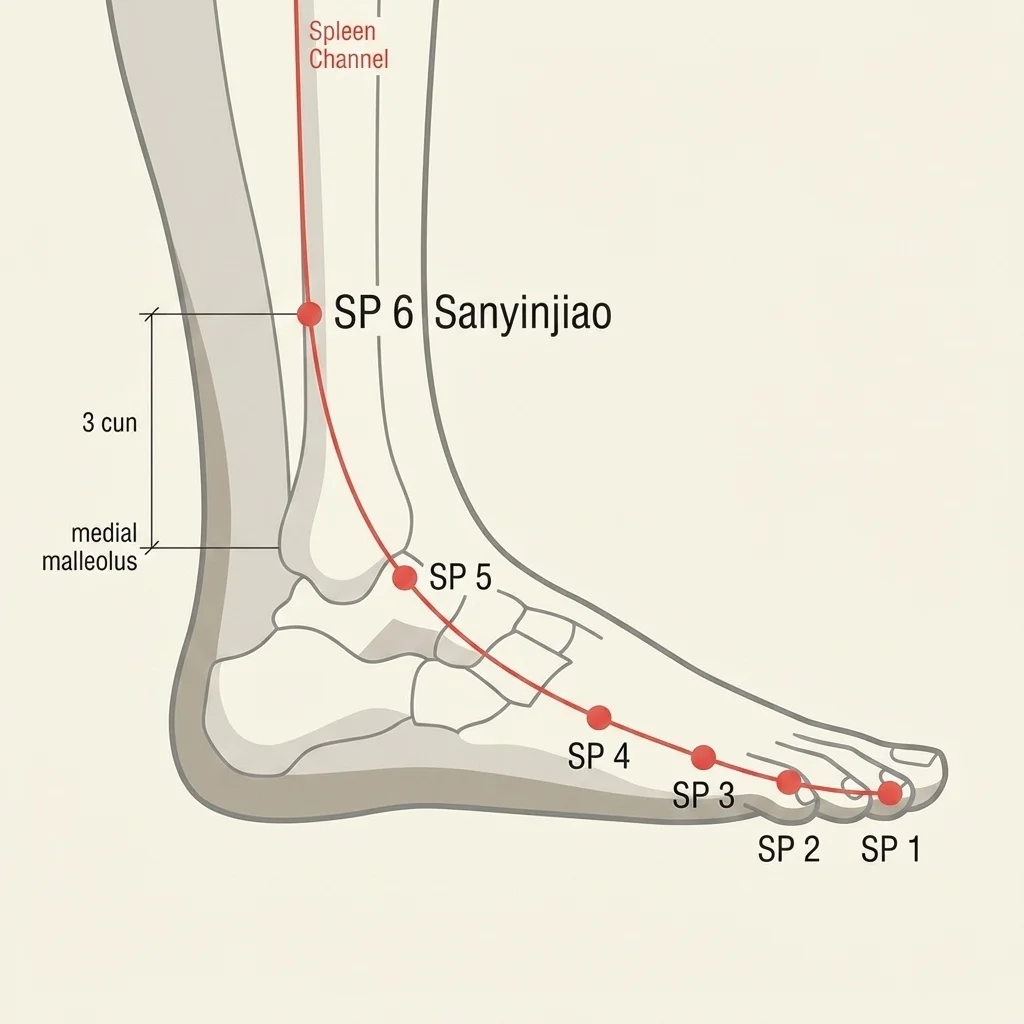
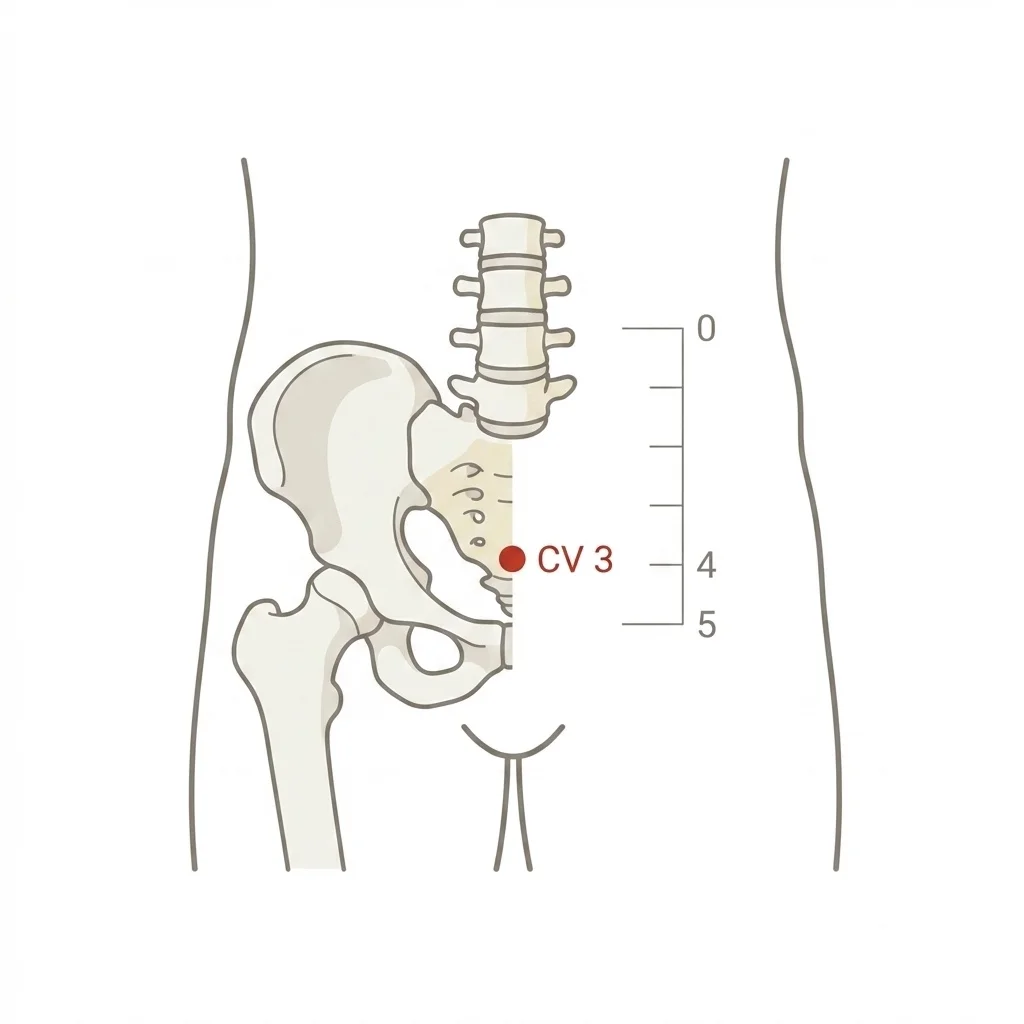
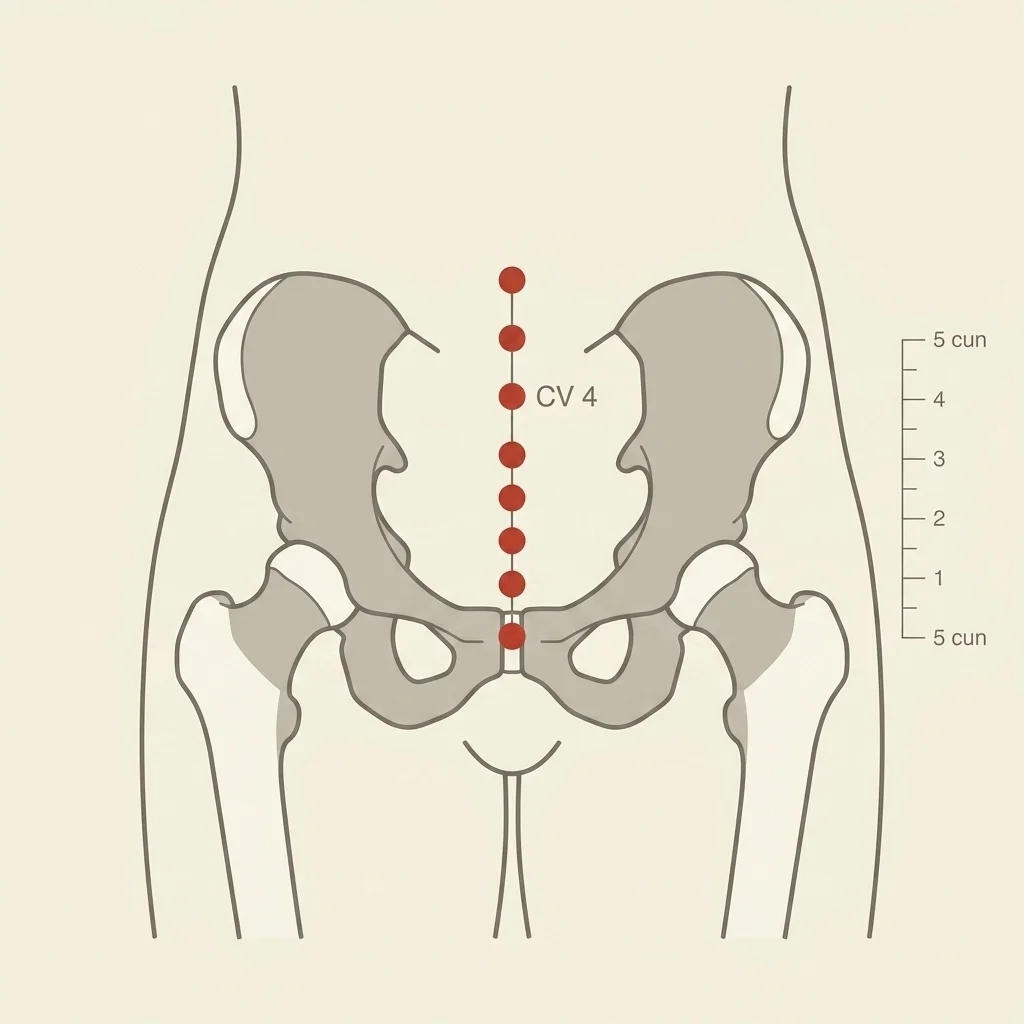
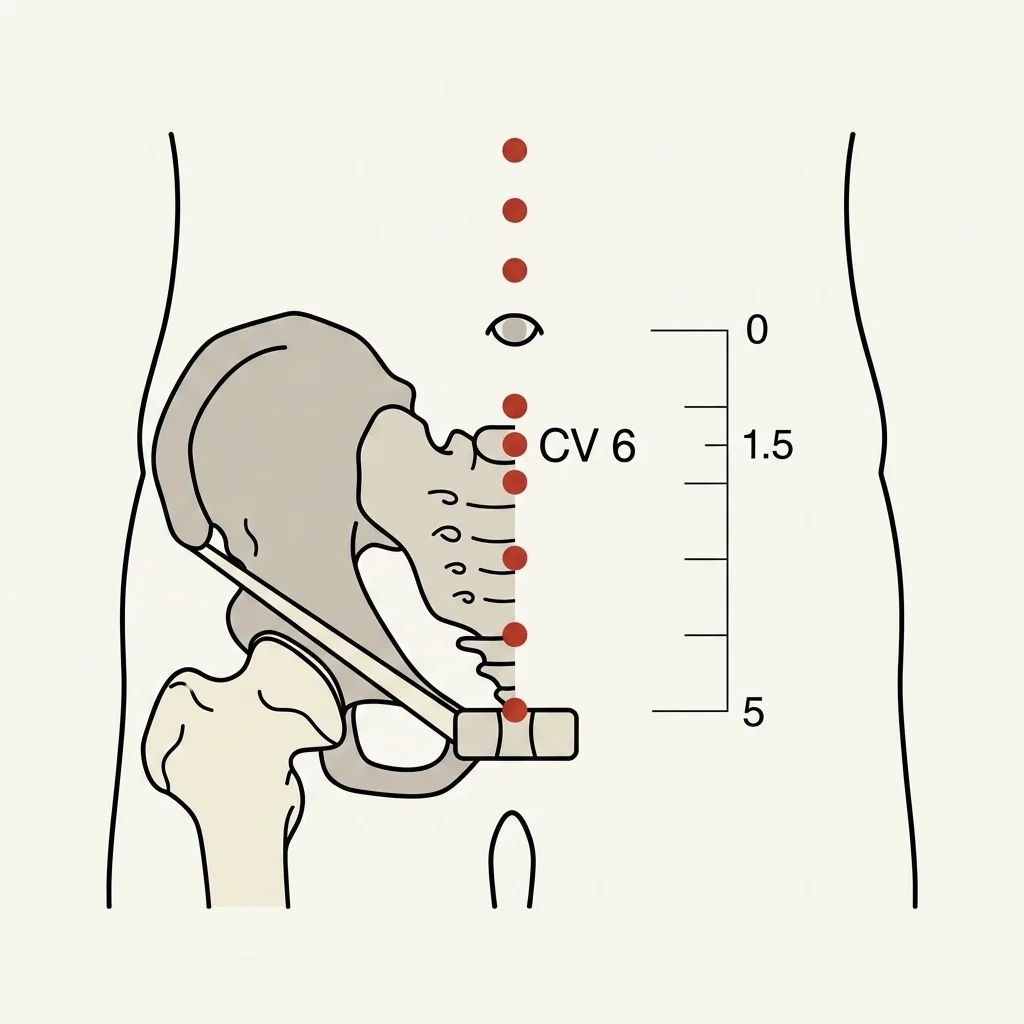
Co-prescribed pairs
- CV3 + SP63×
- CV3 + CV42×
- CV3 + CV62×
- CV3 + EX-CA12×
Electroacupuncture (Hz)
Trial comparators
- vs Sham / Placebo
- 4 trials
- vs Medication
- 5 trials
- vs Rehab / Exercise
- 1 trial
- vs Usual Care
- 2 trials