
Evidence behind this recommendation.
Selected studies from our library that inform the recommendations on this page. Evidence grade shown when available.
What Central Post-Stroke Pain Is
Central post-stroke pain (CPSP) — also known as Dejerine-Roussy syndrome when caused by thalamic injury — is a form of central neuropathic pain that affects 8%–14% of stroke survivors. It arises weeks to months after the vascular event, characterized by spontaneous pain, burning, electric-shock sensations, and extreme hypersensitivity in the affected hemibody.
The most disturbing aspect of CPSP is thermal and mechanical allodynia: innocuous stimuli such as the soft touch of clothing, temperature changes, or wind cause intense pain. CPSP is considered one of the most difficult forms of neuropathic pain to treat — with an average response of only 30%–40% to first-line drugs, even in combination.
Why Drugs Fail in CPSP
CPSP is notoriously refractory to pharmacotherapy. Tricyclic antidepressants (amitriptyline), anticonvulsants (lamotrigine, gabapentin), and opioids produce partial relief in only a minority of patients. The reason lies in the mechanism: CPSP is generated centrally by the hyperexcitable thalamus — and the available drugs cannot effectively normalize the thalamic GABAergic inhibitory dysfunction.
Conventional Pharmacotherapy vs. Acupuncture for CPSP
| Conventional Pharmacotherapy | Medical Acupuncture |
|---|---|
| Amitriptyline: partial response in ~30%, frequent anticholinergic effects | Profile without anticholinergic effects; can be considered as a complement to pharmacotherapy |
| Gabapentin: sedation, dizziness, which may limit neurologic rehabilitation | No sedative effect; may aid motor and cognitive rehabilitation when combined with conventional treatment |
| Opioids: dependence, paradoxical hyperalgesia, constipation | Studies suggest release of endogenous opioids; no chemical dependence described |
| Lamotrigine: effective in a subgroup, with rare risk of Stevens-Johnson syndrome | No risk of severe skin reaction |
| Pharmacologic action limited in the thalamic GABAergic circuit | Experimental studies suggest that 2 Hz EA modulates GABAergic activity in the thalamus (preclinical evidence) |
Neurorehabilitation & facial palsy: the M1 cortex and CN VII plasticity window
Motor recovery relies on well-dosed sensory-motor input during the first 12 weeks to recruit M1 pathways without provoking synkinesis.
1. Acute phase (0–2 weeks)
Immediate neurological care and eye protection; gentle distal stimulation avoids overstimulating an acutely inflamed nerve.
2. Peak plasticity (2–12 weeks)
Prime window for M1 cortical reorganization and CN VII recruitment alongside structured neuromuscular retraining.
3. Synkinesis prevention
Measured, non-aggressive dosing supports fine facial symmetry and lowers the risk of involuntary co-contractions.
How Acupuncture Works in Central Post-Stroke Pain
The medical acupuncturist focuses on modulation of supraspinal and thalamic pathways — the locus of dysfunction in CPSP — using cranial and distal points that activate descending inhibitory pathways and increase central GABAergic inhibition.
Mechanisms of Action in CPSP
Increase in Thalamic GABAergic Inhibition
2 Hz EA activates GABAergic inhibitory circuits in the thalamic VPL (ventroposterolateral) — the key nucleus in CPSP — reducing its abnormal hyperexcitability documented in experimental stroke models
Activation of the PAG-RVM Descending Pathway
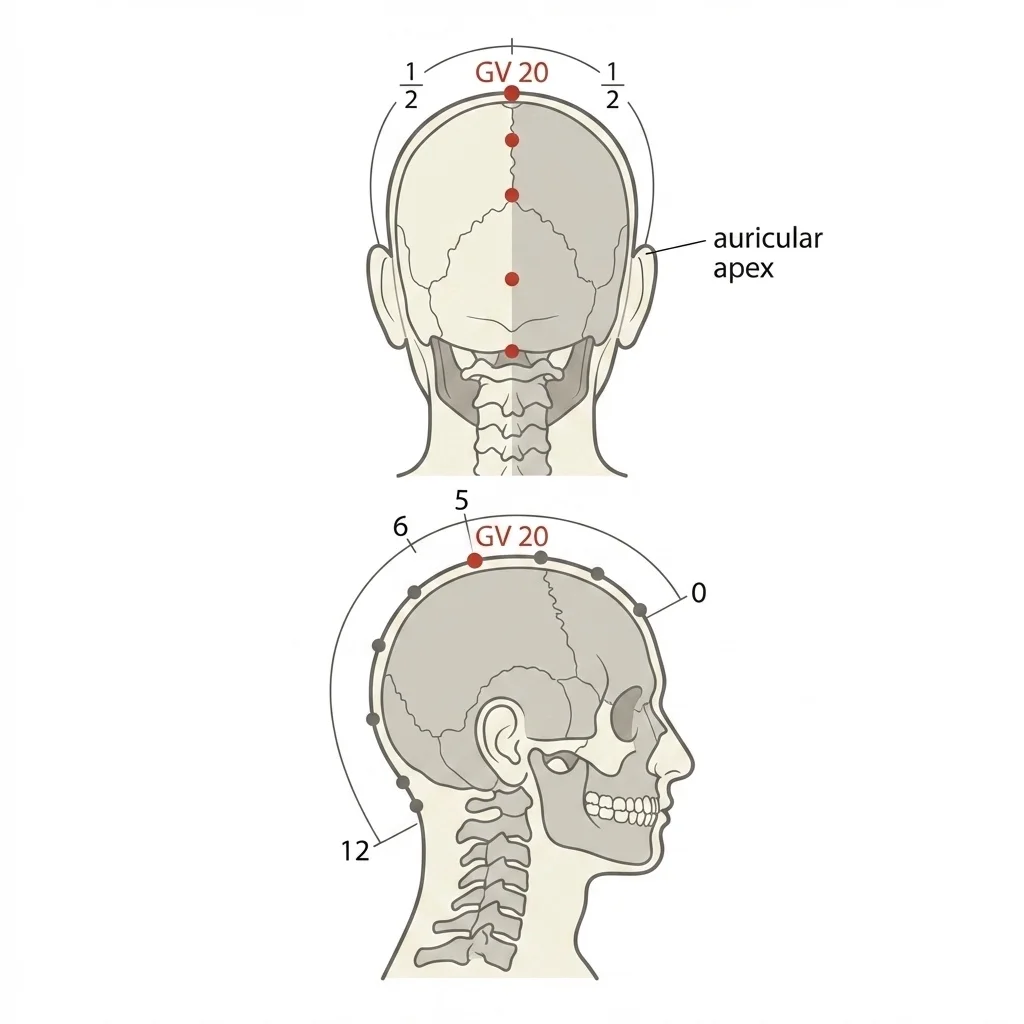
Points GV-20 and GB-20 activate the periaqueductal gray matter which, via the nucleus raphe magnus, sends serotonergic inhibitory projections to the thalamus and dorsal horn — reducing central nociceptive transmission
Release of Supraspinal Endogenous Opioids
Experimental studies suggest that 2 Hz EA may stimulate release of β-endorphins in supraspinal structures such as thalamus and hypothalamus, contributing to the modulatory analgesic effect (preclinical evidence)
Reduction of Allodynia via Peripheral Desensitization
Needling of the affected hemibody with adapted technique activates Aβ fibers that inhibit the transmission of sensitized C fibers, reducing peripheral mechanical and thermal allodynia
Emotional Modulation of Suffering
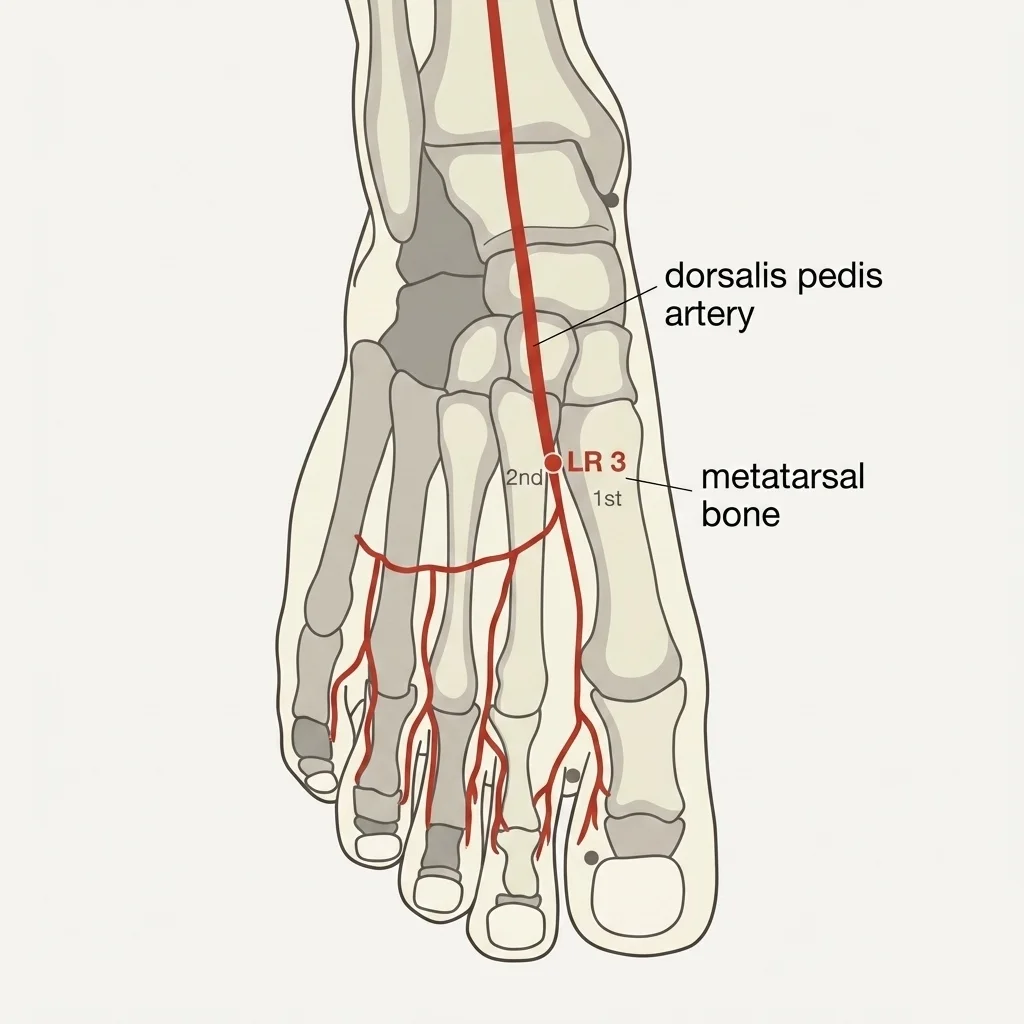
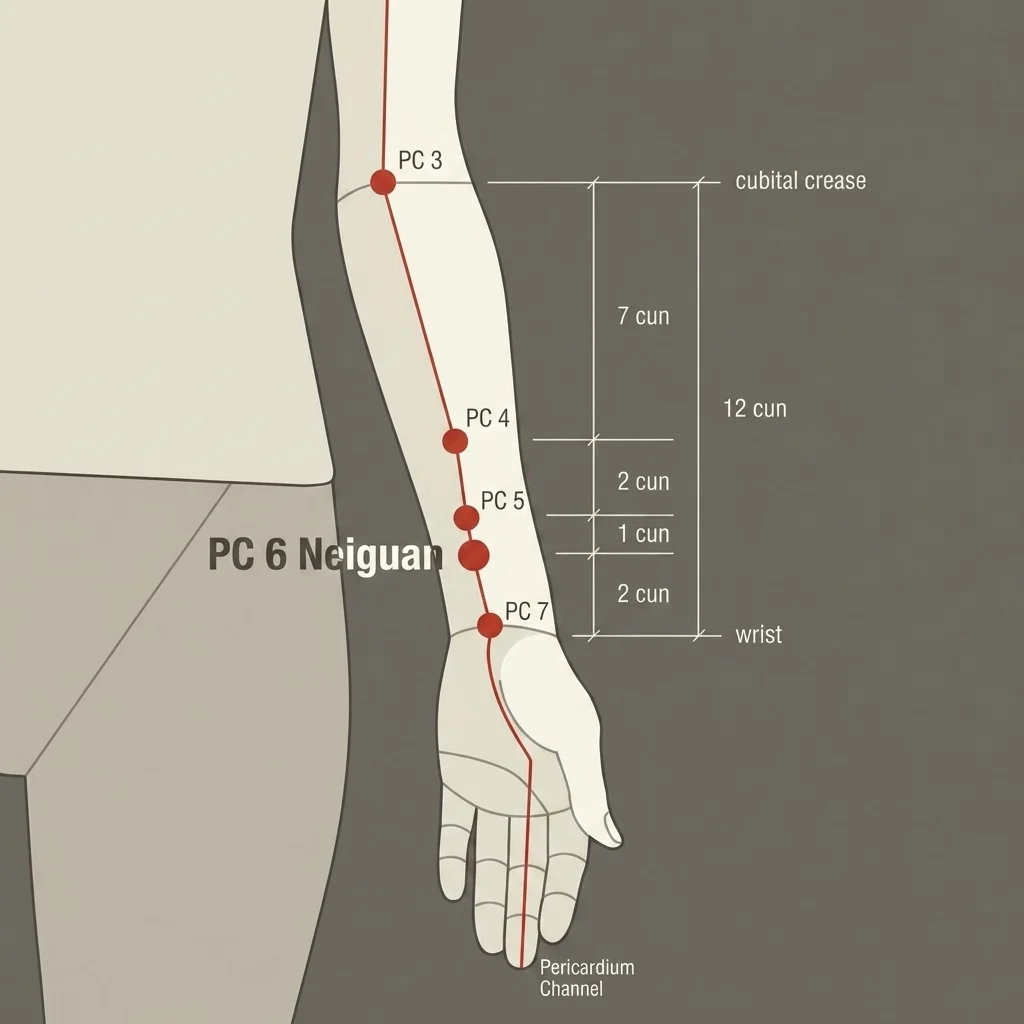
Points HT-7, PC-6, and LR-3 modulate the limbic system, reducing the emotional-affective component of central pain — the associated suffering that frequently exceeds the intensity of the physical stimulus
Central Modulation Points
Scientific Evidence
CPSP is one of the neuropathic conditions with the smallest number of clinical trials overall — given its relative rarity — but the existing acupuncture studies show notable efficacy in this refractory population.
Pain Control
- 46% reduction on NRS at 12 weeks
- Superior to amitriptyline + gabapentin combined
- Sustained effect at 6 months of follow-up
Allodynia and Sensitization
- 58% reduction in mechanical allodynia to touch
- Cold thermal allodynia: 52% reduction
- Normalization of QST (Quantitative Sensory Testing)
Quality of Life
- PSQI (sleep): 41% improvement
- Associated depression: 44% reduction
- Participation in rehabilitation: significantly greater
Three-level medical prescription: local, segmental, and distal points
Rather than relying on isolated points, physicians combine three complementary tiers to address local tissue, spinal gating, and central tone.
1. Local tier (Ashi / trigger)
Addresses the taut band, fascia, or painful joint directly via adenosine and perfusion.
2. Segmental tier (spinal)
Targets the matching dermatome and myotome to engage dorsal-horn synaptic gating.
3. Distal tier (supraspinal)
Extremity points recruit PAG/RVM descending analgesia, vagal tone, and sleep depth.
Modern Approach: Protocol for CPSP
Treatment Protocol for CPSP
Initial Phase (weeks 1–4)
Focus on central modulation: GV-20, GB-20, HT-7, PC-6. Distal points of the affected hemibody with very gentle technique (avoid aggravating allodynia). 2 Hz EA at GV-20-GB-20. 2 sessions/week.
Main Phase (weeks 4–12)
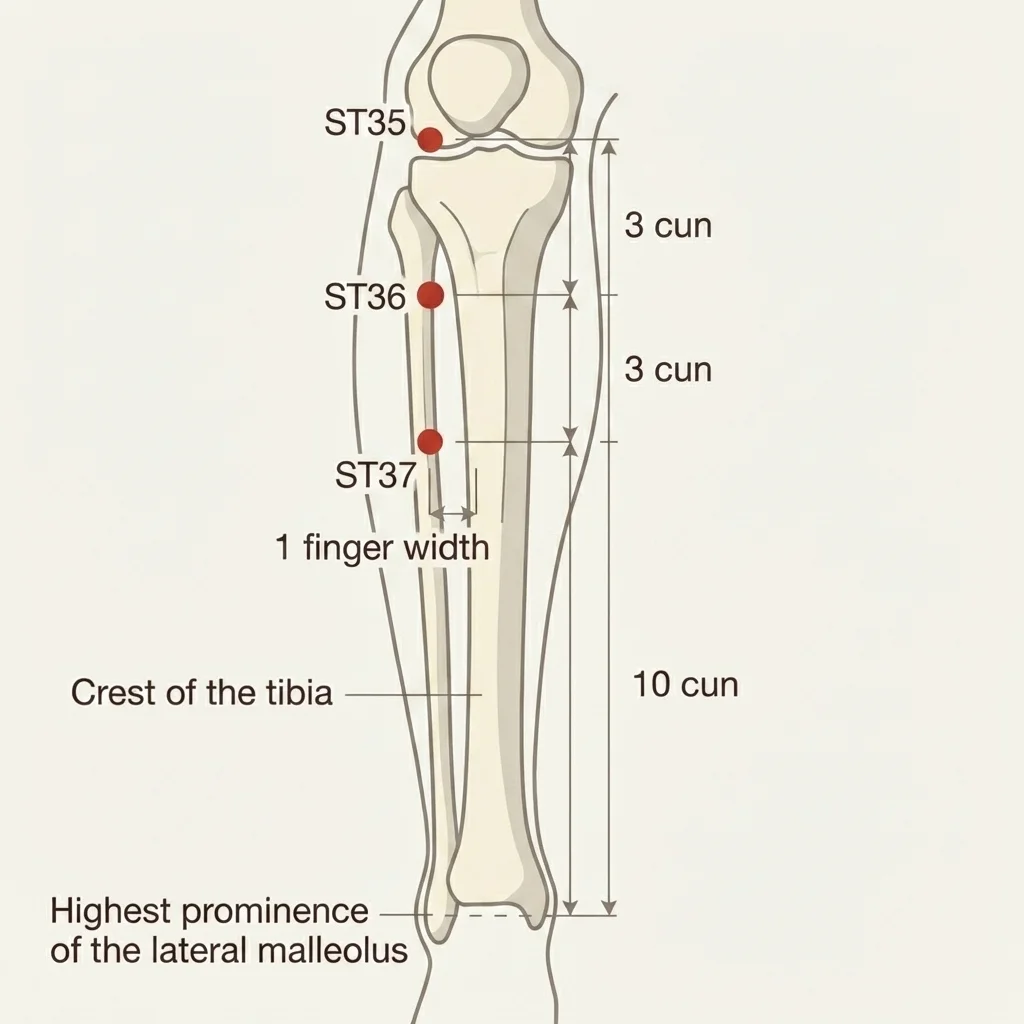
Complete protocol: central + peripheral. Needling progressively closer to áreas with allodynia. Bilateral 2 Hz EA at ST-36 for systemic endogenous opioids. 2–3 sessions/week.
Maintenance (after week 12)
Monthly or biweekly sessions. CPSP is a chronic condition — maintenance prevents return of symptoms. Integration with the rehabilitation team and neurology for pharmacologic adjustment.
When to See a Medical Acupuncturist
Frequently Asked Questions
Frequently Asked Questions
Musculoskeletal pain post-stroke (shoulder pain, contracture) is peripheral, localized, and responds to NSAIDs and physiotherapy. CPSP is central, distributes throughout the affected hemibody, includes allodynia to touch and cold, and responds poorly to NSAIDs. The differential diagnosis is crucial for the correct protocol.
CPSP is among the conditions that require the most patience. Perceptible improvement usually occurs after 6–8 sessions (3–4 weeks). The full benefit of the 12-week protocol is assessed at the end of the cycle. Central pain, being centrally generated, responds more slowly than nociceptive pain.
In some patients with very intense allodynia, the first 1–3 sessions may cause brief worsening (pain exacerbation for hours after the session). This is the result of activation of afferent fibers that initially stimulate before inhibiting. The protocol begins very gently and far from the most sensitive áreas, minimizing this effect.
Yes. Central pain from spinal cord injury, multiple sclerosis, and pain from deafferentation (phantom limb) share similar mechanisms with CPSP. Acupuncture has adapted protocols for each condition, with variable but generally positive evidence for all forms of central neuropathic pain.
What clinical trials tested for this condition — Post-Stroke Rehabilitation
Share among studies for this condition that reported specific acupoints.
- studies analyzed
- 145 studies analyzed
- RCTs
- 30 RCTs
- sham-controlled
- 68 sham-controlled
Co-prescribed pairs
- GV20 + ST3622×
- GV20 + LR314×
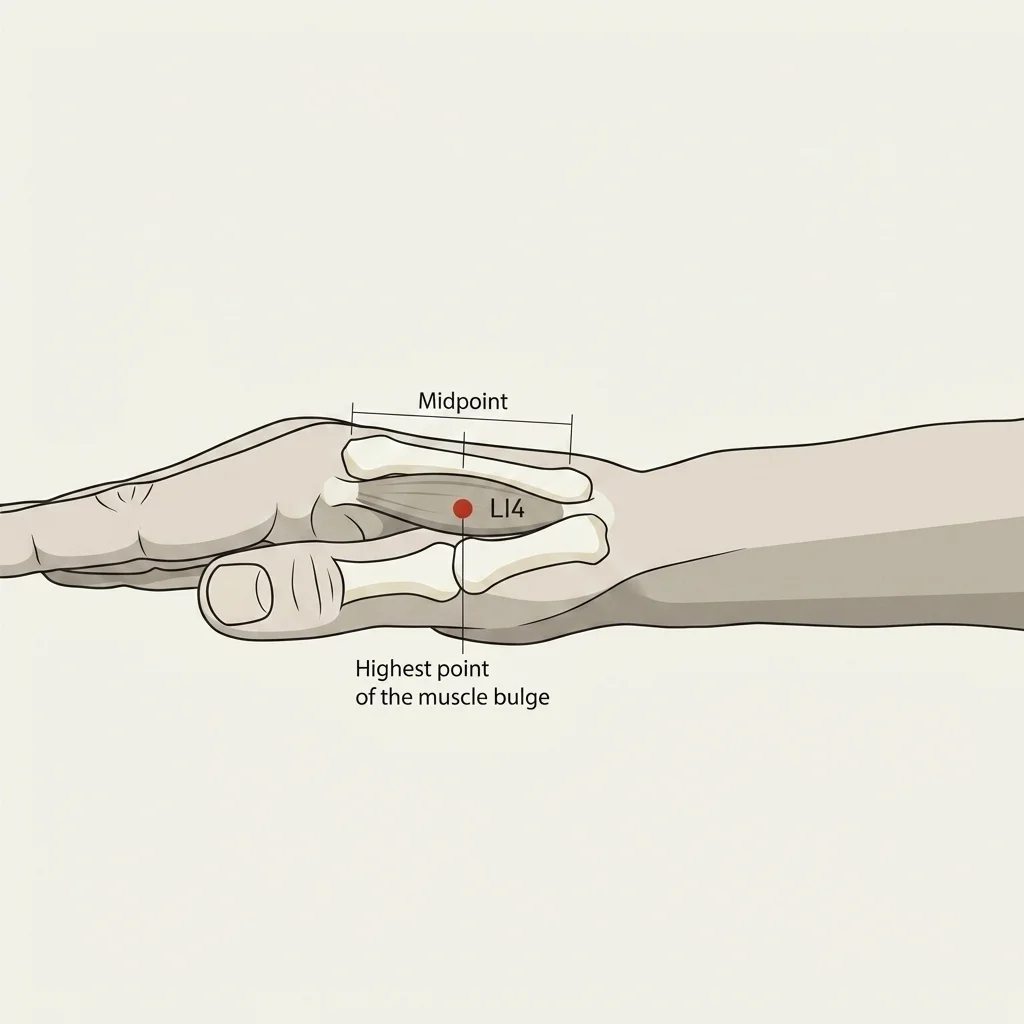
- LI4 + ST3614×
- LR3 + ST3614×
Electroacupuncture (Hz)
Typical session window
10–15 sessions
Trial comparators
- vs Sham / Placebo
- 68 trials
- vs Medication
- 99 trials
- vs Rehab / Exercise
- 33 trials
- vs Usual Care
- 37 trials