
What Is Dysautonomia?
Dysautonomia is a broad term for conditions involving dysfunction of the autonomic nervous system (ANS) — the division of the nervous system that controls involuntary functions such as heart rate, blood pressure, digestion, sweating, body temperature, and bladder function.
The ANS has two main branches: the sympathetic ("fight-or-flight" response — increases heart rate, blood pressure, and adrenaline release) and the parasympathetic ("rest-and-digest" response — slows the heart, stimulates digestion). Dysautonomia can affect one or both branches.
Dysautonomias range from benign and functional forms (such as postural orthostatic tachycardia syndrome — POTS) to serious and potentially fatal forms associated with neurodegenerative diseases (such as multiple system atrophy). Increasing recognition of these conditions has led to more frequent diagnoses and more appropriate treatment.
Autonomic Nervous System
Controls vital involuntary functions: blood pressure, heart rate, digestion, sweating, and temperature.
Diverse Manifestations
Dysautonomia can present as dizziness on standing, tachycardia, digestive changes, heat intolerance, and fatigue.
Multiple Causes
It can be primary (idiopathic or genetic), secondary to diseases such as diabetes, Parkinson disease, and autoimmune diseases, or post-infectious.
Types of Dysautonomia
Dysautonomias encompass a heterogeneous group of conditions. The most useful classification in clinical practice distinguishes primary forms (the ANS is the main target) from secondary forms (autonomic dysfunction as a manifestation of another disease).
Main Types of Dysautonomia
| Type | Features | Typical Age Range |
|---|---|---|
| POTS (Postural Orthostatic Tachycardia Syndrome) | Excessive tachycardia on standing (>30 bpm or >120 bpm) without significant hypotension | Young adults, 15-50 years, female predominance (5:1) |
| Neurogenic Orthostatic Hypotension | Drop in systolic BP ≥20 mmHg or diastolic ≥10 mmHg within 3 minutes of standing | Older adults; associated with Parkinson disease, MSA, neuropathy |
| Neurocardiogenic (Vasovagal) Syncope | Fainting from excessive vagal reflex — bradycardia and/or hypotension | Any age; peak in adolescence/young adults |
| Pure Autonomic Failure | Severe autonomic dysfunction without other neurologic signs | Middle-aged/older adults |
| Multiple System Atrophy | Dysautonomia + parkinsonism and/or cerebellar ataxia | Over 50 years |
| Post-infectious/Post-COVID Dysautonomia | Autonomic dysfunction after viral infection; frequently POTS | Any age |
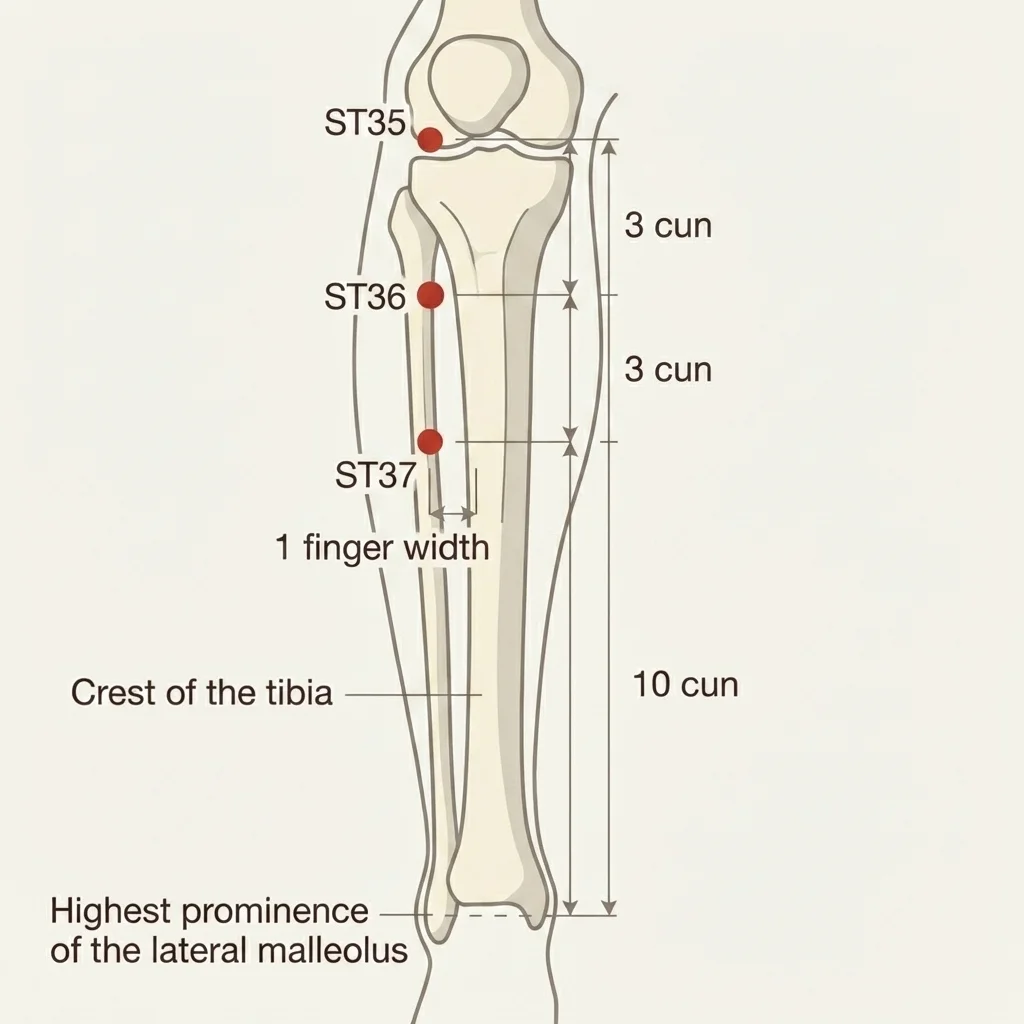
The vagal gut–brain axis: how PC6 and ST36 regulate nausea and motility
Somatic afferents from the median and deep peroneal nerves reach brainstem nuclei and rebalance parasympathetic gastrointestinal pacing.

1. Somatic afferents (PC6 & ST36)
Needling PC6 (median nerve) and ST36 (deep peroneal nerve) projects directly to the nucleus tractus solitarius.
2. Vagal efferent pacing (CN X)
Parasympathetic vagal fibers steady 3 cpm gastric slow waves and trigger enteric cholinergic anti-inflammation.
3. Digestive indications
Supports medical care for nausea, functional dyspepsia, reflux sensitivity, and IBS visceral pain.
Pathophysiology
Pathophysiology varies by dysautonomia type. In POTS, the proposed mechanisms include hypovolemia (reduced blood volume), partial autonomic neuropathy (peripheral sympathetic denervation), central sympathetic hyperactivity, and autoimmunity against adrenergic or muscarinic receptors.
In neurogenic orthostatic hypotension, there is failure of reflex vasoconstriction on assuming the upright position. Normally, on standing, gravitational pooling of blood in the lower limbs (500-700 mL) triggers sympathetic activation with vasoconstriction and increased heart rate. In dysautonomia, this response is inadequate, causing a drop in cerebral blood pressure and symptoms of hypoperfusion.

Post-infectious POTS gained prominence with the COVID-19 pandemic. The proposed mechanism involves small-fiber autonomic neuropathy induced by inflammation, production of autoantibodies against components of the ANS, and microcirculatory dysfunction. Studies demonstrate reduced density of intraepidermal nerve fibers in skin biopsies of patients with POTS.
Symptoms
Dysautonomia symptoms reflect dysfunction of the functions controlled by the ANS. Presentation varies greatly by type, but orthostatic intolerance — symptoms that arise or worsen in the upright position and improve when lying down — is the most unifying finding.
Symptoms of Dysautonomia
Dizziness and presyncope on standing
Sensation of "blacking out", darkening or blurred vision when standing up. May progress to syncope (fainting) without adequate compensation.
Inappropriate tachycardia
Excessive heart rate increase on standing (>30 bpm or >120 bpm in POTS). May be accompanied by palpitations and chest discomfort.
Severe fatigue
Profound tiredness disproportionate to activity level. One of the most disabling symptoms, especially in POTS.
Exercise intolerance
Disproportionate tachycardia, dyspnea, and fatigue with minimal exertion. Paradoxically, supervised exercise is part of treatment.
Gastrointestinal symptoms
Nausea, abdominal distension, early satiety, constipation, or diarrhea. Gastroparesis in severe cases.
Sweating changes
Hyperhidrosis (excess sweating) or anhidrosis (absence of sweating). May be regional or generalized.
Heat intolerance
Symptoms worsen significantly in hot environments, since heat causes vasodilation that aggravates hypotension.
Cognitive dysfunction ("brain fog")
Difficulty concentrating, slowed thinking, memory lapses. Probably related to cerebral hypoperfusion.
Three-level medical prescription: local, segmental, and distal points
Rather than relying on isolated points, physicians combine three complementary tiers to address local tissue, spinal gating, and central tone.
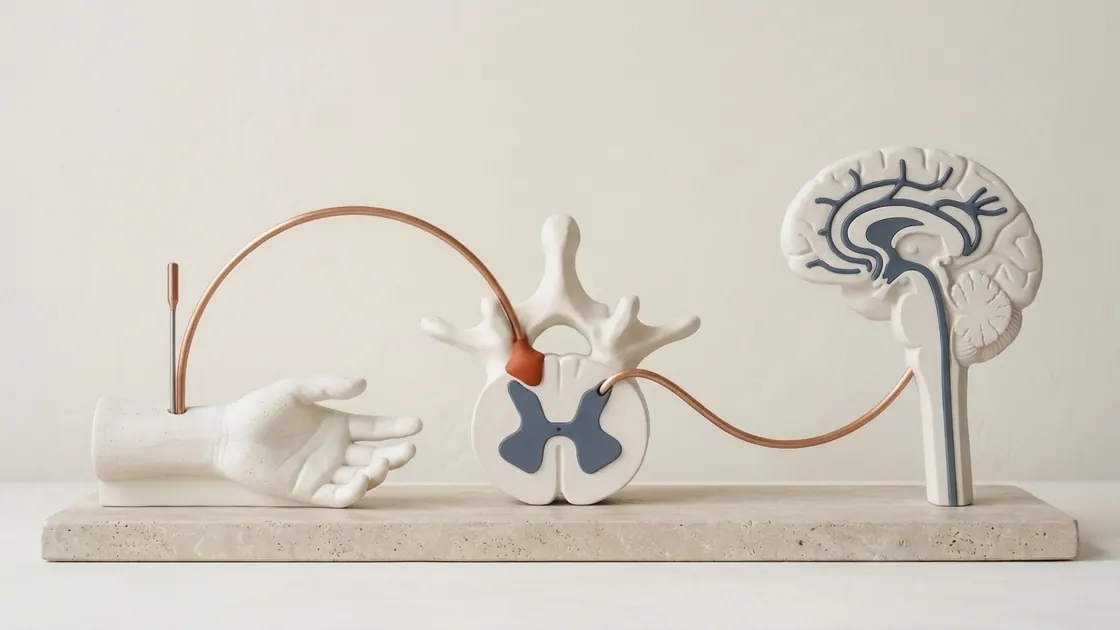
1. Local tier (Ashi / trigger)
Addresses the taut band, fascia, or painful joint directly via adenosine and perfusion.
2. Segmental tier (spinal)
Targets the matching dermatome and myotome to engage dorsal-horn synaptic gating.
3. Distal tier (supraspinal)
Extremity points recruit PAG/RVM descending analgesia, vagal tone, and sleep depth.
Diagnosis
Diagnosing dysautonomia requires careful clinical assessment and specific autonomic tests. The most accessible test is the active orthostatic test (measurement of BP and HR in supine position and at 1, 3, 5, and 10 minutes of standing). The tilt-table test is the most formal examination for orthostatic intolerance.
Diagnostic Criteria
Source: American Autonomic Society Consensus
POTS
Hemodynamic criteria + clinical symptoms- Sustained HR increase ≥30 bpm (≥40 bpm in 12-19 years) within the first 10 minutes of standing
- OR sustained HR ≥120 bpm
- Without significant orthostatic hypotension (systolic BP does not drop >20 mmHg)
- Symptoms of orthostatic intolerance present for ≥6 months
- Exclusion of other causes: dehydration, medications, hyperthyroidism
Orthostatic Hypotension
- Drop in systolic BP ≥20 mmHg OR diastolic ≥10 mmHg
- Within 3 minutes of standing
- Neurogenic: without adequate compensatory tachycardia
- Non-neurogenic: compensatory tachycardia present (dehydration, medications)
Complementary Tests
- Tilt-table test: formal assessment of the standing response (70° for 45 min)
- Quantitative sudomotor axon reflex test (QSART): sudomotor function
- Heart rate variability (HRV): sympathetic-vagal balance
- Plasma catecholamines in supine and standing
- Skin biopsy for intraepidermal nerve fibers
Workup for Secondary Causes
| Test | Condition Investigated |
|---|---|
| HbA1c, fasting glucose | Diabetes mellitus (diabetic autonomic neuropathy) |
| TSH | Thyroid disorders |
| Vitamin B12 | B12 deficiency |
| Autonomic antibodies (ganglionic AChR) | Autoimmune autonomic ganglionopathy |
| Protein electrophoresis, free light chains | Amyloidosis |
| Brain MRI | Multiple system atrophy, central lesions |
Differential Diagnosis
Dysautonomia presents with nonspecific symptoms such as dizziness, palpitations, and orthostatic intolerance, which also occur in several other conditions. Precise differentiation is essential for correct treatment, especially when there are treatable secondary causes or conditions with different prognoses.
Differential Diagnosis
Drug-Induced Orthostatic Hypotension
Drop in BP on standing with a clear temporal relationship to starting or increasing the dose of antihypertensives, antidepressants, antipsychotics, or diuretics. Resolves with dose adjustment or discontinuation.
Parkinson Disease
Read moreAutonomic dysfunction (orthostatic hypotension, constipation, erectile dysfunction) present in early stages before classic motor signs. Resting tremor, rigidity, and bradykinesia complete the picture.
Multiple System Atrophy (MSA)
Severe autonomic dysfunction combined with parkinsonian and/or cerebellar and/or pyramidal signs. Severe orthostatic hypotension, early and pronounced bladder and erectile dysfunction. Faster and more severe course than Parkinson disease.
- MSA has a worse prognosis — differentiation is important
Diabetes Mellitus with Autonomic Neuropathy
Cardiovascular autonomic dysfunction (orthostatic hypotension, resting tachycardia, fixed HR), gastrointestinal (gastroparesis, nocturnal diarrhea), and urogenital dysfunction in a patient with long-standing diabetes or inadequate glycemic control.
POTS (Postural Orthostatic Tachycardia Syndrome)
Specific subtype of dysautonomia with excessive tachycardia on standing without a significant drop in BP. Predominantly affects young women; symptoms include palpitations, dizziness, "brain fog", fatigue, and syncope on standing.
Secondary Causes That Must Not Be Missed
Before diagnosing primary dysautonomia, it is essential to exclude treatable secondary causes. Amyloidosis, Lyme disease, autoimmune autonomic ganglionopathy, paraneoplastic syndrome, and vitamin B12 deficiency can cause reversible autonomic dysfunction if identified early.
Laboratory screening includes HbA1c, TSH, vitamin B12, protein electrophoresis, and autonomic antibodies (anti-ganglionic AChR). When a paraneoplastic process is suspected — especially in adults with known or suspected malignancy — oncologic workup is mandatory.
Vasovagal Syncope vs. Dysautonomia
Vasovagal syncope is the most common cause of transient loss of consciousness and should be distinguished from structural dysautonomia. In vasovagal syncope, the episode is set off by specific triggers (pain, heat, emotional stress), preceded by a vegetative prodrome (nausea, pallor, diaphoresis), and rarely associated with chronic symptoms between episodes.
Dysautonomia, on the other hand, tends to cause persistent or recurrent symptoms in response to standing, regardless of emotional triggers. The tilt-table test with provocation testing (isoproterenol or nitroglycerin) can aid differentiation when the clinical picture is ambiguous.
Anxiety and Panic Disorder
Palpitations, dizziness, dyspnea, and a sensation of fainting are symptoms shared between dysautonomia and anxiety disorders. The overlap is real: some patients with POTS develop anxiety secondary to physical discomfort, while in others anxiety can exacerbate autonomic instability.
Differentiation rests on objective hemodynamic findings: in dysautonomia, symptoms correlate with measurable changes in HR and BP on standing. Holter monitoring and the tilt-table test are valuable tools to document abnormal autonomic responses and separate organic from functional components.
Treatment
Treatment of dysautonomia is multimodal and individualized. The basis of treatment includes non-pharmacologic measures (volume expansion, graded exercise, counterpressure) and, when necessary, medications to stabilize the cardiovascular response.
Non-pharmacologic Measures
Increased fluid intake (2-3 L/day), salt (6-10 g/day if BP allows), waist-high compression stockings (30-40 mmHg), counterpressure maneuvers (crossing legs, squatting), trigger avoidance (heat, alcohol, heavy meals), standing up slowly.
Graded Exercise
Start with reclined exercises (recumbent bike, swimming, rowing) and progress gradually to upright exercises. Specific protocols for POTS (such as the Levine/CHOP protocol) show consistent results in studies and are a central part of management alongside other measures.
Pharmacologic Treatment
POTS: fludrocortisone (volume expander), midodrine (alpha-1 vasoconstrictor), low-dose beta-blocker, ivabradine (tachycardia control). Orthostatic hypotension: fludrocortisone, midodrine, droxidopa.
Treatment of the Cause
Strict glycemic control (diabetic neuropathy), immunotherapy (autoimmune ganglionopathy), treating the underlying disease (Parkinson disease, amyloidosis, Sjögren syndrome).
Do
- Increase fluid intake, 2-3 L/day
- Wear waist-high compression stockings (30-40 mmHg)
- Use counterpressure maneuvers, such as crossing legs or squatting
Avoid
- Expose yourself to triggers such as heat, alcohol, and heavy meals
- Rely on hydration alone, which is rarely sufficient
- Start exercise directly in the upright position, which may be poorly tolerated at first
Acupuncture as Treatment
Acupuncture has been investigated in dysautonomia for its potential effect on autonomic nervous system modulation. Heart rate variability (HRV) studies suggest that acupuncture can influence the sympathetic-vagal balance, with a tendency toward increased vagal tone and reduction of sympathetic hyperactivity in some populations, although findings vary across studies.
Proposed mechanisms — still under investigation — include stimulation of vagal afferents (particularly the Neiguan point — PC-6), modulation of cardiovascular reflexes through the nuclei of the solitary tract, influence on catecholamine release, and possible improvement of baroreflex function. Electroacupuncture can modulate renal sympathetic activity in experimental models, although clinical translation still requires further studies.
In clinical practice, acupuncture can help control symptoms such as tachycardia, anxiety, digestive disturbances, fatigue, and sleep disorders in patients with dysautonomia. It is a complementary option especially considered in patients with medication intolerance or who seek integrative approaches.
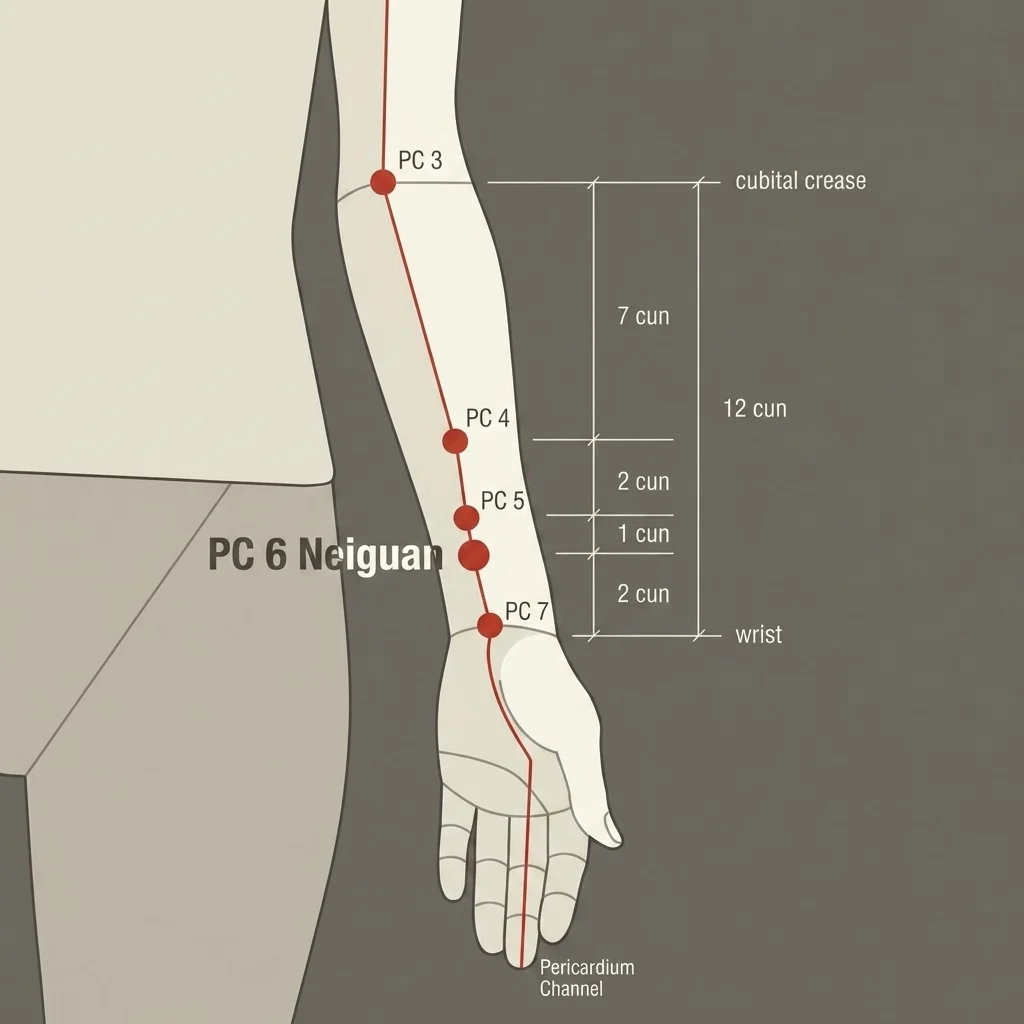
Proposed mechanism, still under investigation: stimulation of vagal afferents (particularly the Neiguan point — PC-6).
Prognosis
Prognosis varies significantly by dysautonomia type. POTS, especially in young patients, has a generally favorable prognosis: follow-up studies suggest that a good proportion of patients improve within 2-5 years, and some achieve remission with exercise and adequate treatment.
Neurogenic orthostatic hypotension associated with neurodegenerative diseases (Parkinson disease, multiple system atrophy) tends to progress alongside the underlying disease, requiring continuous treatment adjustments. Diabetic dysautonomia can stabilize or improve with strict glycemic control.
Myths and Facts
Myth vs. Fact
POTS is anxiety — it is 'all psychological'.
POTS is a physiologic condition with documentable autonomic dysfunction on objective tests. The tachycardia is real and measurable, and studies demonstrate neuropathic, autoimmune, and circulating-volume bases. Anxiety can coexist and worsen symptoms, but it is not the cause.
Myth vs. Fact
Patients with dysautonomia should avoid exercise.
Graded exercise is one of the best-evidenced interventions for POTS. Although starting can be difficult (due to exercise intolerance), programs that begin in the reclined position and progress gradually show consistent results in the literature and form the basis of non-pharmacologic management, alongside hydration, salt, and counterpressure.
Myth vs. Fact
Fainting once means having dysautonomia.
Isolated vasovagal syncope is extremely common (30% of the population) and does not mean chronic dysautonomia. Dysautonomia is diagnosed when there are recurrent and persistent symptoms of autonomic dysfunction, confirmed by specific tests.
Myth vs. Fact
Drinking a lot of water is enough to treat dysautonomia.
Hydration is an important measure, but dysautonomia treatment is multimodal. It includes salt, elastic compression, graded exercise, counterpressure maneuvers, and frequently medications. Hydration alone is rarely sufficient.
When to Seek Help
Frequently Asked Questions
Frequently Asked Questions
Dysautonomia is autonomic nervous system dysfunction — the part of the nervous system that controls involuntary functions such as blood pressure, heart rate, digestion, and temperature. It is challenging to diagnose because its symptoms (dizziness, fatigue, palpitations, mental fog) are nonspecific and common to many other conditions. Standard tests are frequently normal, leading patients to consult multiple specialists before receiving the correct diagnosis.
It depends on the cause. Dysautonomias secondary to treatable causes (medications, nutritional deficiencies, autoimmune diseases) can resolve completely once the underlying cause is treated. Primary forms, such as POTS, frequently improve significantly — especially in young women — with lifestyle measures, graded exercise, and medications. Progressive forms such as multiple system atrophy have a more reserved prognosis.
POTS (postural orthostatic tachycardia syndrome) is a subtype of dysautonomia characterized by an excessive heart rate increase (≥30 bpm) within the first 10 minutes of standing, without a significant drop in blood pressure. It predominantly affects young women and frequently appears after viral infections (including COVID-19), surgeries, or pregnancy. It differs from orthostatic hypotension, which involves a drop in pressure without necessarily prominent tachycardia.
Yes, physical exercise is one of the pillars of non-pharmacologic dysautonomia treatment, especially for POTS. However, it should be started gradually and supervised, since upright exercises may be poorly tolerated at first. The most studied protocol begins with horizontal exercises (swimming, rowing, recumbent cycling) and progresses gradually to the upright position. A physician should guide individualized progression.
For most patients with dysautonomia without hypertension or heart disease, increased sodium intake (2-4 g/day of sodium, equivalent to 5-10 g of salt) and fluids (2-3 liters/day) is recommended. This helps expand plasma volume and reduce postural tachycardia and orthostatic hypotension. The exact dose should be individualized by the attending physician, considering comorbidities.
Yes, graduated compression stockings (preferably waist-high, up to 30-40 mmHg) reduce blood pooling in the lower extremities on standing, decreasing the compensatory cardiovascular effort. They are especially useful for patients with orthostatic intolerance and POTS. Abdominal (waist-high) compression garments offer additional benefit compared with conventional knee-high stockings.
Preliminary evidence suggests that medical acupuncture can help modulate autonomic tone — increasing parasympathetic activity and reducing sympathetic imbalance. Studies using heart rate variability as a biomarker suggest a modulating effect in some populations, with heterogeneous results. A medical acupuncturist can assess whether acupuncture is appropriate as complementary therapy alongside conventional dysautonomia treatment.
Yes. The development of POTS and other forms of post-infectious dysautonomia is recognized after various viral infections — and gained renewed attention with the COVID-19 pandemic. Só-called "long COVID" includes dysautonomia as one of its most prevalent manifestations. Proposed mechanisms include direct autonomic injury, post-infectious autoimmune response, and endothelial dysfunction.
Pharmacologic treatment varies by dysautonomia type. For POTS and orthostatic hypotension, the most used include: fludrocortisone (retains sodium and water), midodrine (vasoconstrictor), low-dose beta-blockers (for POTS tachycardia), and ivabradine (reduces HR without affecting blood pressure). The physician should make the choice, considering hemodynamic profile, comorbidities, and individual contraindications.
Seek medical evaluation if you have: frequent dizziness on standing with palpitations, recurrent fainting or presyncope, fatigue disproportionate to exertion, heat intolerance, persistent mental fog, or symptoms that worsened after a viral infection. A neurologist or cardiologist can order an orthostatic test and tilt-table test to confirm the diagnosis. Early diagnosis allows treatment to begin sooner and reduces the functional impact of the condition.
Related Reading
Deepen your knowledge with related articles
What clinical trials tested for this condition — Hypertension & Autonomic
Share among studies for this condition that reported specific acupoints.
- studies analyzed
- 65 studies analyzed
- RCTs
- 9 RCTs
- sham-controlled
- 30 sham-controlled
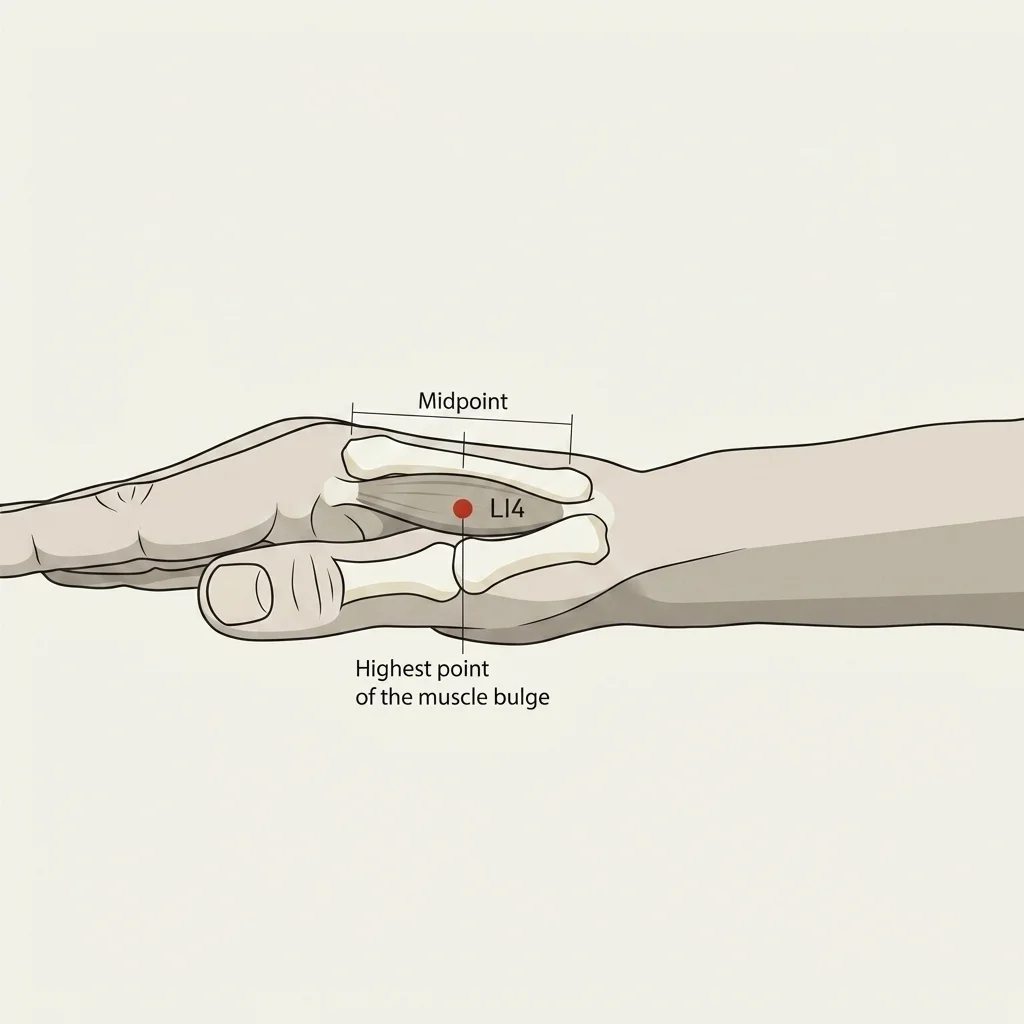
Co-prescribed pairs
- LI4 + ST3614×
- PC6 + ST3612×
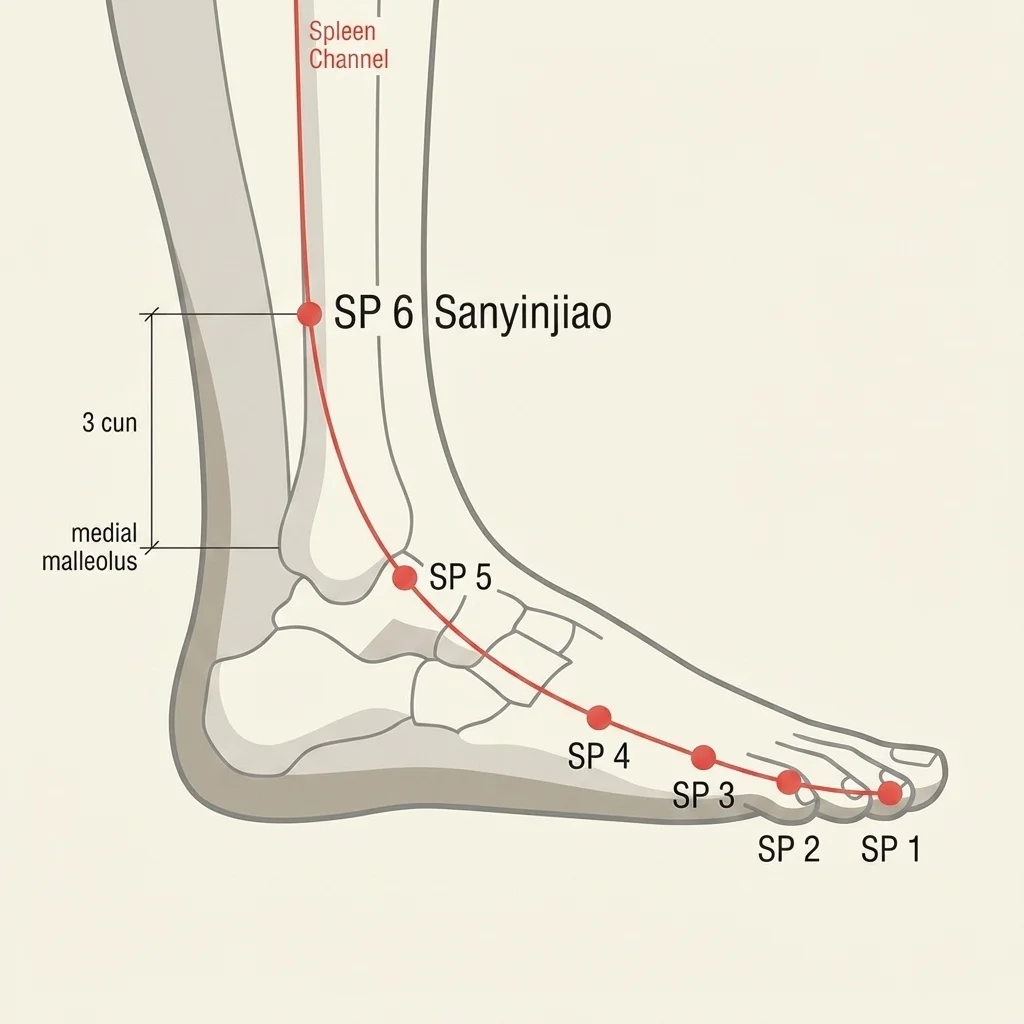
- SP6 + ST3611×
- LR3 + ST368×
Electroacupuncture (Hz)
Typical session window
10–17 sessions
Trial comparators
- vs Sham / Placebo
- 30 trials
- vs Medication
- 43 trials
- vs Rehab / Exercise
- 10 trials
- vs Usual Care
- 5 trials
Sample-size panorama for clinical domain — Hypertension & Autonomic
Quantitative synthesis of indexed clinical trials across the Hypertension & Autonomic domain (13 studies in our Scientific Library).
Head-to-head trial comparators tested against acupuncture
Select a comparator arm to highlight matching trials in the ledger below.Landmark clinical trials & meta-analyses
8/8- DOI01Meta-AnalysisFrontiers in Cardiovascular Medicine · 2023N=1,466Efficacy of acupuncture for hypertension in the elderly: a systematic review and…
- DOI02Systematic ReviewCochrane Database of Systematic Reviews · 2018N=1,744Acupuncture for hypertension
- DOI03Meta-AnalysisMedical Science Monitor · 2018N=2,107Efficacy and Safety of Acupuncture for Essential Hypertension: A Meta-Analysis
- DOI04Meta-AnalysisPLOS ONE · 2015N=1,788Is Acupuncture Effective for Hypertension? A Systematic Review and Meta-Analysis
- DOI05Meta-AnalysisInternational Journal of Cardiology · 2013N=2,539Acupuncture for essential hypertension
- DOI06Randomized RCTNeurological Research · 2007N=30Acupuncture, a promising adjunctive therapy for essential hypertension: a double-blind…
- DOI07Clinical ReviewScientific Reports · 2016N=54Repetitive Electroacupuncture Attenuates Cold-Induced Hypertension through Enkephalin in…
- DOI08Systematic ReviewComplementary Therapies in Medicine · 2014N=357Moxibustion for essential hypertension
Acupoint co-prescription synergy across published protocols
Arc stroke thickness reflects how many clinical trials co-prescribed each acupoint pair; node radius encodes overall point frequency.