SP-18 Tianxi (天谿) — Heavenly Stream

Anatomical location
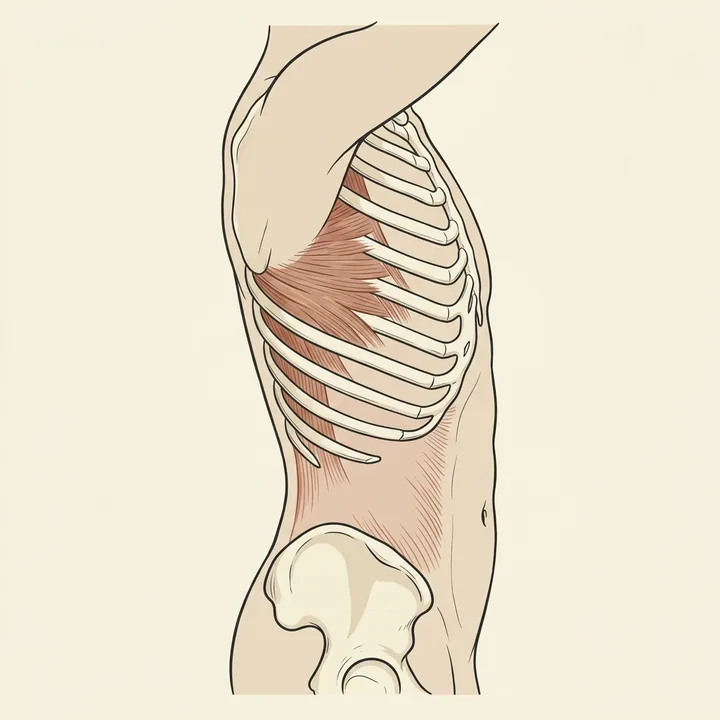
On the lateral aspect of the chest, in the fourth intercostal space, 6 cun lateral to the anterior midline.
Practical palpation guide
Supine, locate the point in the fourth intercostal space, 6 cun lateral to the anterior midline, 2 cun lateral to Ru Zhong (ST-17).
Anatomical plane & innervation
Pectoralis major and serratus anterior muscles. Innervated by the 4th intercostal nerve.
Needling technique
0.3–0.5 cun obliquely or transversely (subcutaneously), parallel to the intercostal space.
Medical application & myofascial correlation
Clinical synthesis
Owing to its location, this point is used principally to treat pulmonary and breast disorders.
Clinical practice indications
- 01Mastitis
- 02Insufficient lactation
- 03Intercostal neuralgia
Presenting symptoms & complaints
Classical tradition, channel actions & source
Classical therapeutic actions
- Regulates and descends Qi
- Benefits the breasts
- Opens the chest
- Descends Qi and benefits the breasts.
Traditional indications (TCM)
Character etymology
Tian (天), heaven, upper, divine; Xi (溪), stream. Tian Xi refers to lactation.
Layered tissue anatomy & needle biomechanics at SP 18
Cross-sectional technical schematic of transverse insertion (~15°) (0.3–0.5 cun): superficial connective collagen coupling, intramuscular myofascial transduction, and deep neurovascular protection.
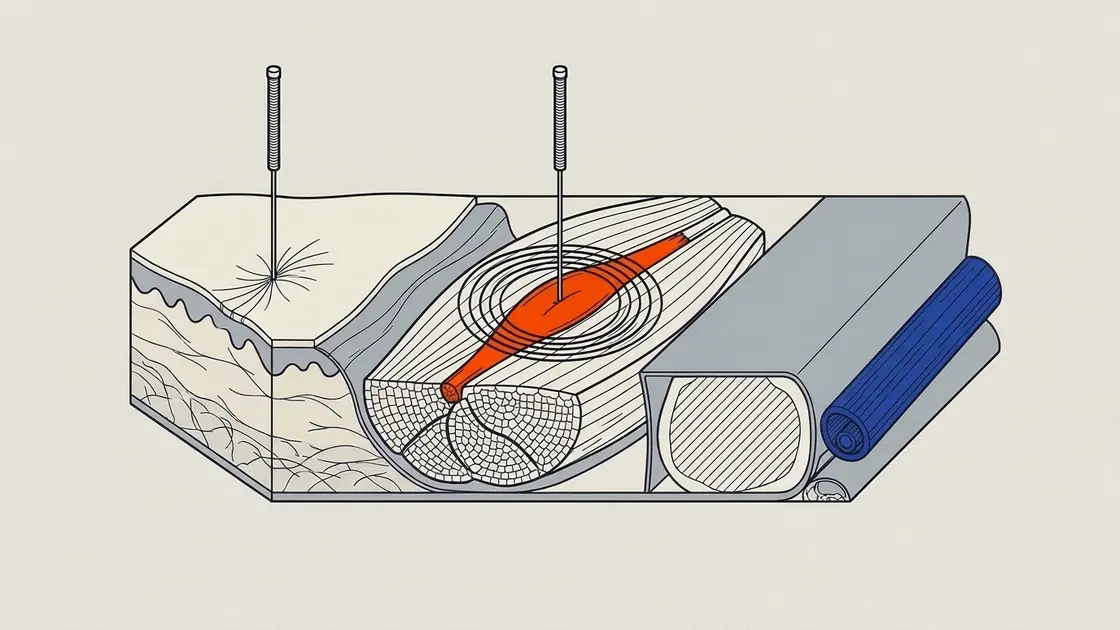
Dermal & fascial collagen coupling
A solid non-cutting filiform needle (0.25 mm rounded tip) enters via transverse insertion (~15°), gently tenting loose areolar collagen fibers without slicing dermal vessels.
Myofascial spindle & Aδ / C transduction
Within the 0.3–0.5 cun target window at SP 18, mechanical coupling recruits intramuscular mechanoreceptors, increasing local micro-perfusion and releasing taut bands.
Strict anatomical safety floor
The deep fascial septum, bone cortex, and underlying neurovascular bundle or cavity define the strict anatomical boundary observed during physician needling at SP 18.
Clinical relations & channel protocols
Immediate neighbors on the meridian

Related clinical reading
2Understand inflammation of the costochondral joints — the most common musculoskeletal cause of chest pain.
Understand chronic cough — a symptom that persists for more than 8 weeks, its most frequent causes, systematic diagnostic approach, and evidence-based treatments.