
What Is Xerostomia?
Xerostomia is the subjective sensation of dry mouth. Although frequently used as a synonym for "insufficient saliva production," xerostomia refers specifically to the patient's complaint — the perception that the mouth is dry or uncomfortable.
It is essential to distinguish xerostomia from salivary gland hypofunction (hyposalivation), which is the objectively measurable reduction in salivary flow. Not all patients with xerostomia have a real reduction in saliva production, and not all hyposalivation causes perceptible symptoms.
Saliva performs essential functions: lubricating oral tissues, protecting against caries through enamel remineralization, antimicrobial action (lysozyme, lactoferrin, immunoglobulin A), supporting chewing, swallowing, and speech, and beginning starch digestion via salivary amylase.
Subjective Complaint
Xerostomia is the sensation of dry mouth, which can occur with or without an actual reduction in salivary flow.
High Prevalence
Affects about 20% of the general population, reaching 30-40% in older adults and more than 70% in patients irradiated for head and neck cancer.
Broad Impact
Compromises eating, speech, dental health, and quality of life, and can lead to recurrent oral infections.
Pathophysiology
Normal salivary production is 0.5 to 1.5 liters per day, generated by three pairs of major salivary glands — parotid, submandibular, and sublingual — in addition to hundreds of minor salivary glands distributed throughout the oral mucosa. Salivary secretion is controlled by the autonomic nervous system, with parasympathetic predominance.
Parasympathetic stimulation (via the facial nerve — cranial nerve VII — and the glossopharyngeal nerve — cranial nerve IX) releases acetylcholine, which activates M3 muscarinic receptors on acinar cells, promoting abundant aqueous secretion. Sympathetic stimulation (via norepinephrine on beta-adrenergic receptors) produces more viscous, protein-rich saliva.

Main Causes of Xerostomia
Medications are the most common cause. More than 500 drugs list xerostomia as an adverse effect. The main ones are anticholinergics, tricyclic antidepressants, selective serotonin reuptake inhibitors (SSRIs), antihistamines, antihypertensives (diuretics, beta-blockers), opioids, and benzodiazepines. The predominant mechanism is blockade of M3 muscarinic receptors.
Radiation therapy to the head and neck region is the most devastating cause. Doses above 30 Gy to the salivary glands cause irreversible destruction of the acinar parenchyma, with fibrosis and permanent loss of function. The parotid gland is particularly radiosensitive.
Sjögren syndrome is the most important autoimmune cause. Lymphocytic infiltration progressively destroys the salivary and lacrimal glands, resulting in xerostomia and xerophthalmia (dry eye). Diabetes mellitus, dehydration, and aging (a 25-30% reduction in secretory capacity after age 65) are additional relevant causes.
Craniofacial trigeminal divisions (V1, V2, V3) and facial sensory neuromodulation
The trigeminal ganglion maps facial sensation into three anatomical territories essential to distinguish paroxysmal neuralgia from TMJ, dental, or sinus pain.
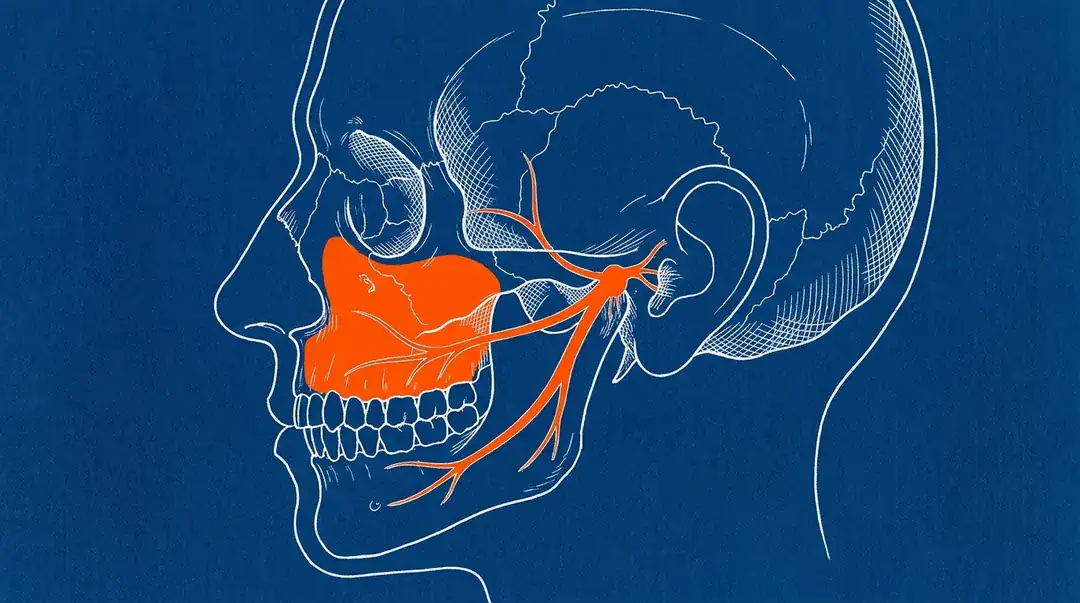
1. Maxillary territory (V2)
Supplies the cheek and upper dental arch, where light touch or breeze can trigger brief electric paroxysms.
2. Trigeminocervical convergence
Facial and upper cervical afferents meet in the spinal trigeminal nucleus, a key target for adjunctive modulation.
3. Mandibular branch (V3) & TMJ
Separates second-long neuropathic shocks along the jaw from continuous myofascial masseter and TMJ ache.
Symptoms
Xerostomia symptoms affect multiple oral functions and range from mild discomfort to severe impairment of quality of life. Intensity depends on the degree of salivary reduction and the underlying cause.
Symptoms of Xerostomia
Persistent sensation of dry mouth
Sensation of "cotton mouth," especially upon waking or when speaking for prolonged periods.
Difficulty chewing and swallowing dry foods
Foods like bread, crackers, and dry meats stick to the mucosa and are hard to swallow without liquids.
Taste alterations (dysgeusia)
Reduced or distorted food flavors, particularly salty and bitter tastes.
Burning or scalding sensation in the mouth
Burning sensation on the tongue, palate, and buccal mucosa, which may mimic burning mouth syndrome.
Halitosis (bad breath)
Reduced saliva allows anaerobic bacteria to proliferate, producing volatile sulfur compounds.
Fissures on the lips and corners of the mouth
Angular cheilitis (fissures at the labial commissures) is common and can facilitate Candida infection.
Increase in dental caries
Without saliva's protection, caries appear in atypical locations: smooth surfaces, gingival margins, and incisal edges.
Difficulty speaking
The tongue sticks to the palate and speech becomes pasty, especially during long stretches.
Diagnosis
Xerostomia diagnosis is clinical, based on the patient's complaint and physical examination findings. To quantify hyposalivation, sialometry is used — measurement of salivary flow at rest and stimulated.
Normal resting salivary flow is 0.3 to 0.4 mL/min. Values below 0.1 mL/min characterize significant hyposalivation. Normal stimulated flow (paraffin chewing or citric acid) is greater than 0.7 mL/min.
Xerostomia
- It is the subjective sensation of dry mouth.
- It refers to the perception that the mouth is dry or uncomfortable.
- It can occur without a real reduction in saliva production.
Hyposalivation
- It is the objectively measurable reduction in salivary flow.
- It is quantified by sialometry.
- Not all hyposalivation causes perceptible symptoms.
Diagnostic Workup for Xerostomia
Source: American Dental Association and EULAR criteria
Clinical Evaluation
- Xerostomia questionnaire (Xerostomia Inventory — XI): 11 standardized questions
- Oral mucosa examination: dryness, erythema, papillary atrophy, fissured tongue
- Tongue depressor test: the depressor sticking to the buccal mucosa indicates dryness
- Evaluation of cervical caries and oral candidiasis
Complementary Tests
- Sialometry: measurement of resting and stimulated salivary flow
- Sialography: contrast radiography of the salivary ducts (stenosis, sialolithiasis)
- Salivary gland ultrasonography: structure, echogenicity, nodules
- Minor salivary gland biopsy (lip): diagnosis of Sjögren (Chisholm-Mason score)
- Anti-SSA/Ro and anti-SSB/La antibodies: serology for Sjögren syndrome
Xerostomia Severity Classification (RTOG/EORTC Scale)
| Grade | Salivary Flow | Symptoms | Functional Impact |
|---|---|---|---|
| Grade 1 (Mild) | > 0.2 mL/min | Slightly dry mouth | Minimal — no dietary changes |
| Grade 2 (Moderate) | 0.1–0.2 mL/min | Moderately dry mouth, thick saliva | Need for liquids to swallow dry foods |
| Grade 3 (Severe) | < 0.1 mL/min | Severely dry mouth, no visible saliva | Diet restricted to liquid or soft foods, impaired speech |
TMJ, masseter, and upper neck: why bruxism and headaches reinforce each other
Masticatory afferents and C1–C2 cervical roots converge in the trigeminocervical nucleus, linking jaw clenching to temple and neck pain.

1. Nocturnal jaw load
Clenching creates masseter and temporalis trigger points referring into the ear and temple.
2. C1–C2 convergence
Trigeminal (CN V) inputs merge with upper cervical signals inside the brainstem relay.
3. Combined protocol
Pairing facial and suboccipital needling with sleep and dental care yields durable control.
Differential Diagnosis
Xerostomia can be a symptom of several systemic conditions. Differential diagnosis is essential to identify treatable causes and conditions that require specific follow-up.
Differential Diagnosis
Drug-Induced Xerostomia
- Temporal link to starting or adjusting a medication
- Improvement with discontinuation or change of the drug
- Polypharmacy as a risk factor
Sjögren Syndrome
- Xerostomia + xerophthalmia (dry eye)
- Arthralgia or arthritis
- Recurrent parotitis
Post-Radiation Xerostomia
- History of head and neck radiation therapy
- Onset during or shortly after treatment
- Frequently irreversible character
Uncontrolled Diabetes Mellitus
- Polyuria and polydipsia
- Associated dehydration
- Autonomic neuropathy
Dehydration
- Reduced skin turgor
- Generalized dry mucous membranes
- Postural hypotension
Conventional Treatment
Xerostomia treatment depends on the underlying cause and the degree of glandular impairment. The approach combines local palliative measures, sialagogue agents (salivary stimulants), and, when possible, treatment of the underlying cause.
In patients with preserved glandular parenchyma (drug-induced xerostomia, early Sjögren), sialagogues can partially restore salivary flow. In cases with advanced glandular destruction (post-radiation with high doses), treatment is predominantly palliative with salivary substitutes.
Conventional Treatments for Xerostomia
| Treatment | Mechanism | Indication | Considerations |
|---|---|---|---|
| Pilocarpine (Salagen) | M3 muscarinic agonist — stimulates salivary secretion | Sjögren, post-radiation | Sweating, nausea, blurred vision as adverse effects |
| Cevimeline (Evoxac) | M1/M3 muscarinic agonist — more selective | Sjögren with residual function | Fewer adverse effects than pilocarpine |
| Salivary substitutes | Artificial replacement — carboxymethylcellulose, mucin | All causes | Temporary relief, requires frequent reapplication |
| Sugar-free chewing gum | Mechanical stimulation of reflex secretion | Residual glandular function | Simple option, aids remineralization with xylitol |
| Topical fluoride | Protection against caries | Dental prevention | Essential in all patients with hyposalivation |
| Medication adjustment | Removal or substitution of the causative drug | Drug-induced xerostomia | First measure when feasible |
Stepwise Therapeutic Approach
General Measures and Hygiene
Adequate hydration, rigorous oral hygiene, topical fluoride, avoiding irritants (alcohol, tobacco, excess coffee). Chewing gum with xylitol.
Salivary Substitutes
Gels and sprays with carboxymethylcellulose or mucin to coat and lubricate the oral mucosa.
Pharmacologic Sialagogues
Pilocarpine (5-10 mg, 3x/day) or cevimeline (30 mg, 3x/day) when residual glandular function is present.
Medical Acupuncture
Indicated as adjuvant therapy or when sialagogues are poorly tolerated. Favorable, still-developing evidence for post-radiation xerostomia.
Acupuncture as Treatment
Acupuncture has favorable, still-developing evidence for radiation-induced xerostomia. Randomized clinical trials published in JAMA Network Open have shown reduced dry mouth symptoms with acupuncture.
The Garcia et al. (2019) study, published in JAMA Network Open, showed that true acupuncture given during radiation therapy for head and neck cancer led to fewer xerostomia symptoms at 1 year than standard care; the advantage over sham acupuncture appeared at only one of the two centers. The Cohen et al. (2024) multicenter trial, also published in JAMA Network Open, reported benefit of true acupuncture over sham and standard oral hygiene for chronic post-radiation xerostomia, assessed at 12 weeks.
These are randomized trials with a sham acupuncture arm and more than one center, a good-quality design; even so, the advantage over sham was not consistent across centers, and further studies are needed.
Garcia et al.
True acupuncture during radiation therapy for head and neck cancer reduced xerostomia symptoms at 1 year versus standard care; versus sham, only at one of the two centers.
Cohen et al.
Reported acupuncture benefit for chronic post-radiation xerostomia, assessed at 12 weeks.
Neurophysiologic Mechanisms
The most widely accepted mechanistic hypothesis is that acupuncture stimulates salivary flow through convergent neurologic pathways. Needle insertion at points on the face and neck would activate afferent fibers of the trigeminal nerve (cranial nerve V) and the facial nerve (cranial nerve VII), which project to the superior salivatory nucleus in the brainstem.
This reflex would theoretically increase parasympathetic discharge via the chorda tympani nerve (branch of cranial nerve VII) and the glossopharyngeal nerve (cranial nerve IX), stimulating M3 muscarinic receptors on acinar cells and favoring aqueous salivary secretion. This is the proposed pathophysiologic model — still under clinical investigation.
Other suggested mechanisms, still partially characterized, include possible increased local blood flow in the salivary glands, release of vasoactive neuropeptides (CGRP, substance P), and modulation of the neuroendocrine axis. These findings are based on experimental and preclinical studies and require further confirmation in humans.
Treatment Protocol
The typical clinical protocol for xerostomia includes local points in the facial and submandibular region — close to the salivary glands — combined with distal points on the limbs for autonomic modulation and central analgesia.
The recommended initial cycle is 8 to 12 sessions, 2 to 3 times per week during the first 4 weeks, then tapering. Therapeutic response is evaluated by sialometry before and after treatment, along with standardized symptom questionnaires.
Prognosis
Xerostomia prognosis varies by etiology. In drug-induced xerostomia, the condition is often reversible with adjustment, switch, or discontinuation of the causative drug.
In post-radiation xerostomia, spontaneous recovery is limited and depends on the total dose the glands received. With doses below 25-30 Gy, partial recovery may occur within 12-18 months. Above 40 Gy, glandular destruction is generally permanent. Acupuncture can significantly improve residual function even in chronic cases.
In Sjögren syndrome, the course is chronic and progressive, requiring multidisciplinary follow-up coordinated by the physician. Acupuncture can serve as continuous supportive therapy, with periodic maintenance sessions to preserve residual salivary function.
Prognosis by Etiology
| Cause | Reversibility | Response to Acupuncture | Observations |
|---|---|---|---|
| Drug-induced | High — with pharmacologic adjustment | Possible adjuvant during the transition; no specific studies | Most common cause and most responsive to intervention |
| Post-radiation (< 30 Gy) | Partial (12-18 months) | Favorable — evidence still developing | Starting acupuncture early improves results |
| Post-radiation (> 40 Gy) | Low — permanent glandular damage | Moderate — symptomatic improvement | Focus on quality of life and prevention of complications |
| Sjögren Syndrome | Low — chronic progressive course | Moderate to good | Continuous supportive treatment recommended |
| Diabetes | High — with glycemic control | No specific studies | Metabolic control is the priority |
| Dehydration | High — with fluid replacement | Unnecessary as isolated treatment | Correcting the cause resolves the symptom |
Myths and Facts
Myth vs. Fact
Dry mouth is just a minor annoyance.
Chronic xerostomia drastically increases the risk of rampant caries, oral candidiasis, periodontal disease, and nutritional problems. It's a medical condition that requires appropriate treatment.
Drinking more water resolves dry mouth.
Adequate hydration matters, but it doesn't replace saliva. Water lacks the enzymes, mucins, and immunoglobulins found in natural saliva. Patients with severe hyposalivation need specific treatment.
There's no effective treatment for post-radiation xerostomia.
Randomized clinical trials published in JAMA show that acupuncture significantly increases salivary flow and improves quality of life in patients with post-radiation xerostomia, with benefits sustained for months.
Xerostomia is an inevitable consequence of aging.
Although secretory capacity decreases with age, most older adults with xerostomia have treatable causes — primarily medications. Aging alone rarely causes clinically significant dry mouth.
When to Seek Medical Help
Frequently Asked Questions about Xerostomia
Xerostomia is the subjective sensation of dry mouth — the complaint the patient reports. Hyposalivation (or salivary gland hypofunction) is the objective, measurable reduction in salivary flow, diagnosed by sialometry. Xerostomia can occur without hyposalivation (saliva production is normal, but the patient feels dry mouth) and hyposalivation without xerostomia (production is reduced, but the patient doesn't notice). In most cases, however, the two coexist.
More than 500 medications list xerostomia as an adverse effect. The most common are tricyclic antidepressants (amitriptyline, nortriptyline), selective serotonin reuptake inhibitors (fluoxetine, sertraline), antihistamines (loratadine, diphenhydramine), antihypertensives (diuretics, beta-blockers, ACE inhibitors), anticholinergics (oxybutynin, tolterodine), opioids, and benzodiazepines. Risk rises with polypharmacy — patients taking 4 or more medications face significantly higher risk.
The most widely accepted mechanistic model proposes that acupuncture stimulates afferent fibers of the trigeminal (cranial nerve V), facial (cranial nerve VII), and glossopharyngeal (cranial nerve IX) nerves, which project to the superior salivatory nucleus in the brainstem. This would activate a parasympathetic reflex that drives salivary secretion by acinar cells via M3 muscarinic receptors. Experimental studies also suggest possible increased local blood flow and release of vasoactive neuropeptides (CGRP, substance P). This neurophysiologic hypothesis still needs further confirmation in human studies.
The evidence is favorable but still developing. The Garcia et al. (2019) study, published in JAMA Network Open, showed fewer xerostomia symptoms at 1 year with true acupuncture during radiation therapy than with standard care; the advantage over sham acupuncture appeared at only one of the two centers. The Cohen et al. (2024) trial, also published in JAMA Network Open, reported benefit for chronic post-radiation xerostomia, assessed at 12 weeks. These are randomized, sham-controlled trials, but further studies are needed to confirm the size and duration of the effect.
The recommended initial cycle is 8 to 12 sessions, 2 to 3 times per week during the first 4 weeks, then tapering based on response. Symptom improvement usually begins between the third and fifth sessions. After the initial cycle, biweekly or monthly maintenance sessions may be indicated to sustain benefit, especially in post-radiation xerostomia and Sjögren syndrome.
It may be considered as an adjuvant. The first step is pharmacologic adjustment (substitution, dose reduction, or discontinuation of the causative medication), but acupuncture can serve as adjuvant therapy during that adjustment or when a medication change isn't feasible. There are no trials specific to drug-induced xerostomia: the available studies were done in irradiated patients, so its use in this setting lacks direct evidence.
It depends on the radiation dose the salivary glands received. With doses below 25-30 Gy, partial spontaneous recovery may occur within 12-18 months. Above 40 Gy, destruction of the acinar parenchyma is generally irreversible. Randomized clinical trials suggest acupuncture can help improve residual salivary function and symptoms in some patients, including chronic cases — although response magnitude varies individually.
Diagnosis starts with the patient's clinical complaint and oral cavity examination (dry mucosa, fissured tongue, cervical caries, candidiasis). Sialometry quantifies salivary flow: normal resting flow is 0.3-0.4 mL/min, and values below 0.1 mL/min indicate significant hyposalivation. To investigate causes, anti-SSA/Ro and anti-SSB/La antibodies (Sjögren), salivary gland ultrasonography, fasting glucose, and detailed pharmacologic review may be ordered.
Yes. The Garcia et al. (2019) study showed that acupuncture given concurrently with radiation therapy led to fewer xerostomia symptoms at 1 year than standard care; no studies directly compare early with late initiation. The rationale: preserve residual glandular function before radiation completes its damage. The acupuncturist physician coordinates with the oncology team to set the ideal session schedule.
Seek medical evaluation if dry mouth lasts more than 2 weeks, if you have difficulty swallowing or speaking, if caries are rapidly progressing, if you notice persistent oral burning, or if dry mouth comes with dry eye and joint pain (may indicate Sjögren syndrome). Patients on multiple medications and patients undergoing radiation therapy should be evaluated proactively. An acupuncturist physician can assess whether acupuncture is indicated as part of treatment.
Related Reading
Deepen your knowledge with related articles
Joint SIO–ASCO clinical practice guidelines in integrative oncology
SIO–ASCO GUIDELINE · J CLIN ONCOL 2022–2024
Aromatase Inhibitor-Related Joint Pain
Reduces AI arthralgia and supports endocrine therapy adherence.
What clinical trials tested for this condition — Xerostomia (Dry Mouth)
Share among studies for this condition that reported specific acupoints.
- studies analyzed
- 26 studies analyzed
- RCTs
- 4 RCTs
- sham-controlled
- 14 sham-controlled
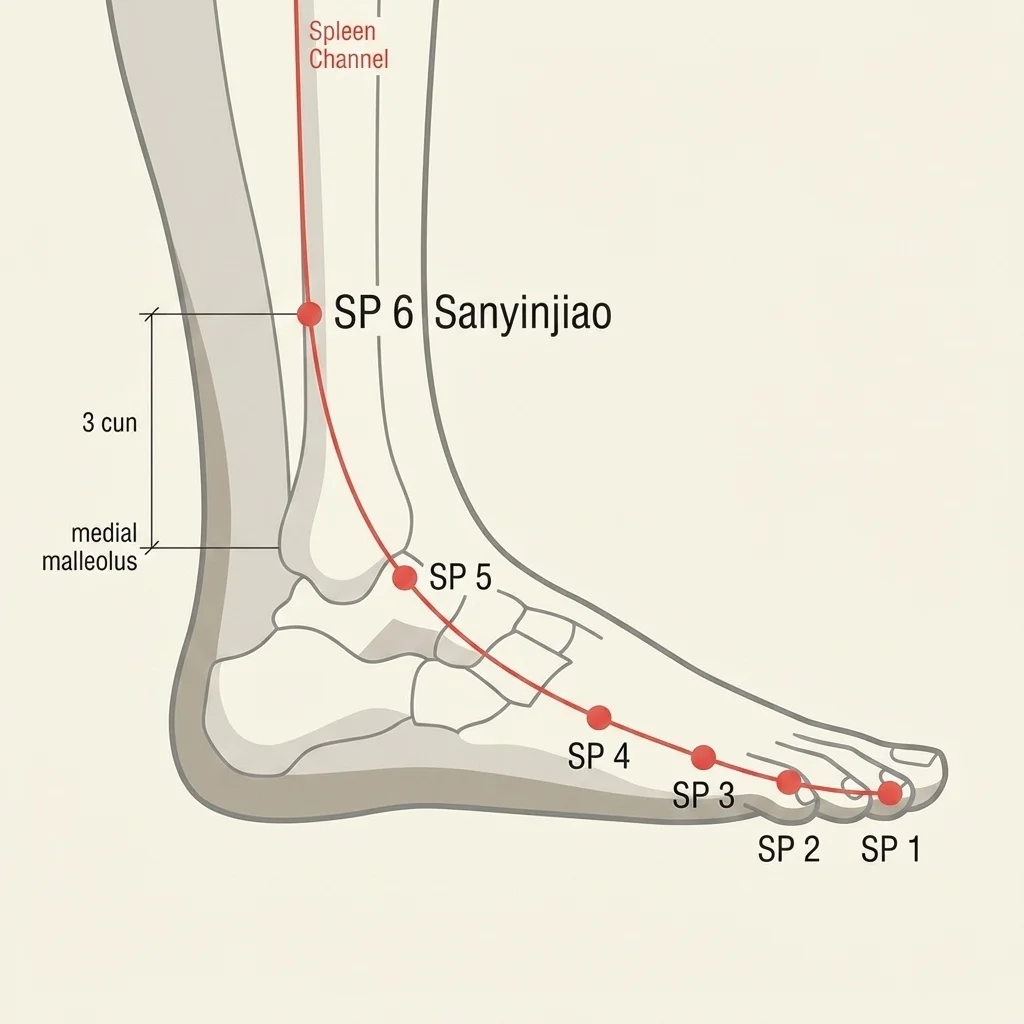
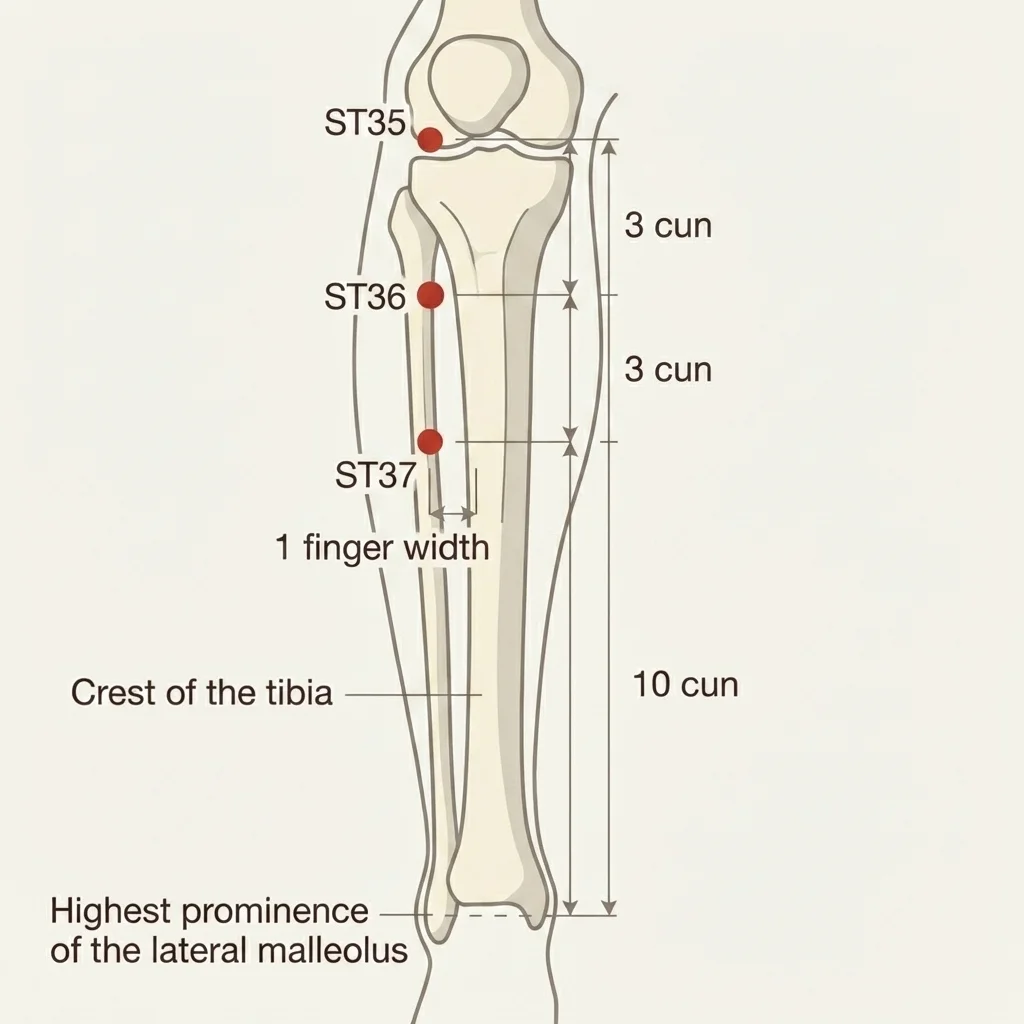
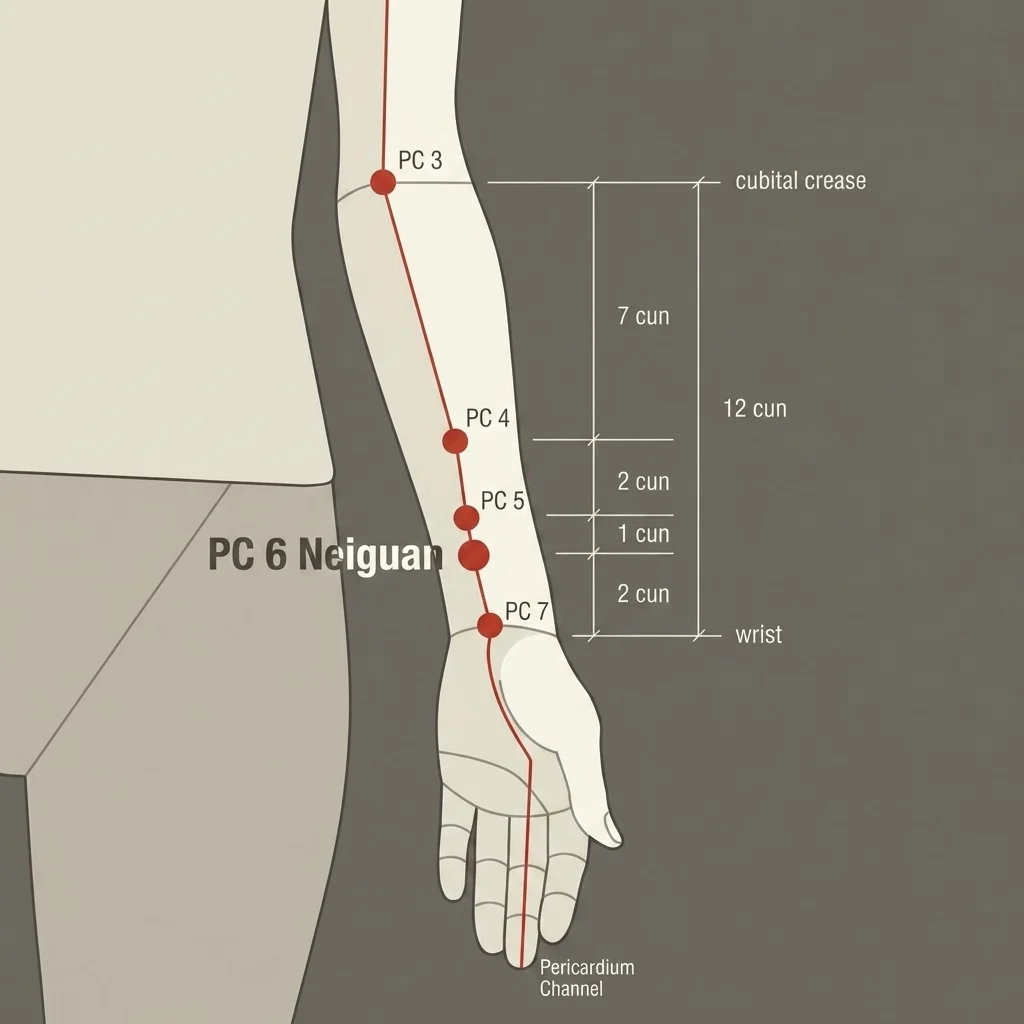
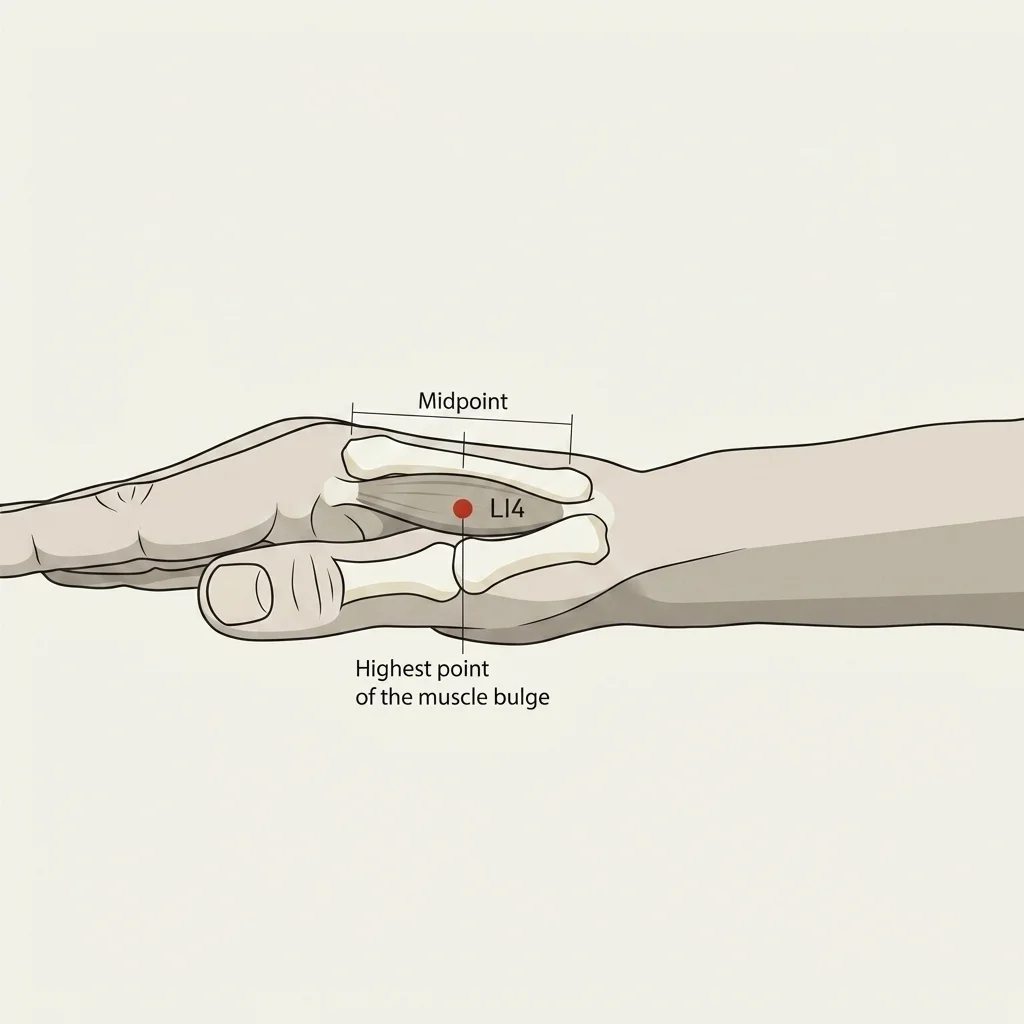
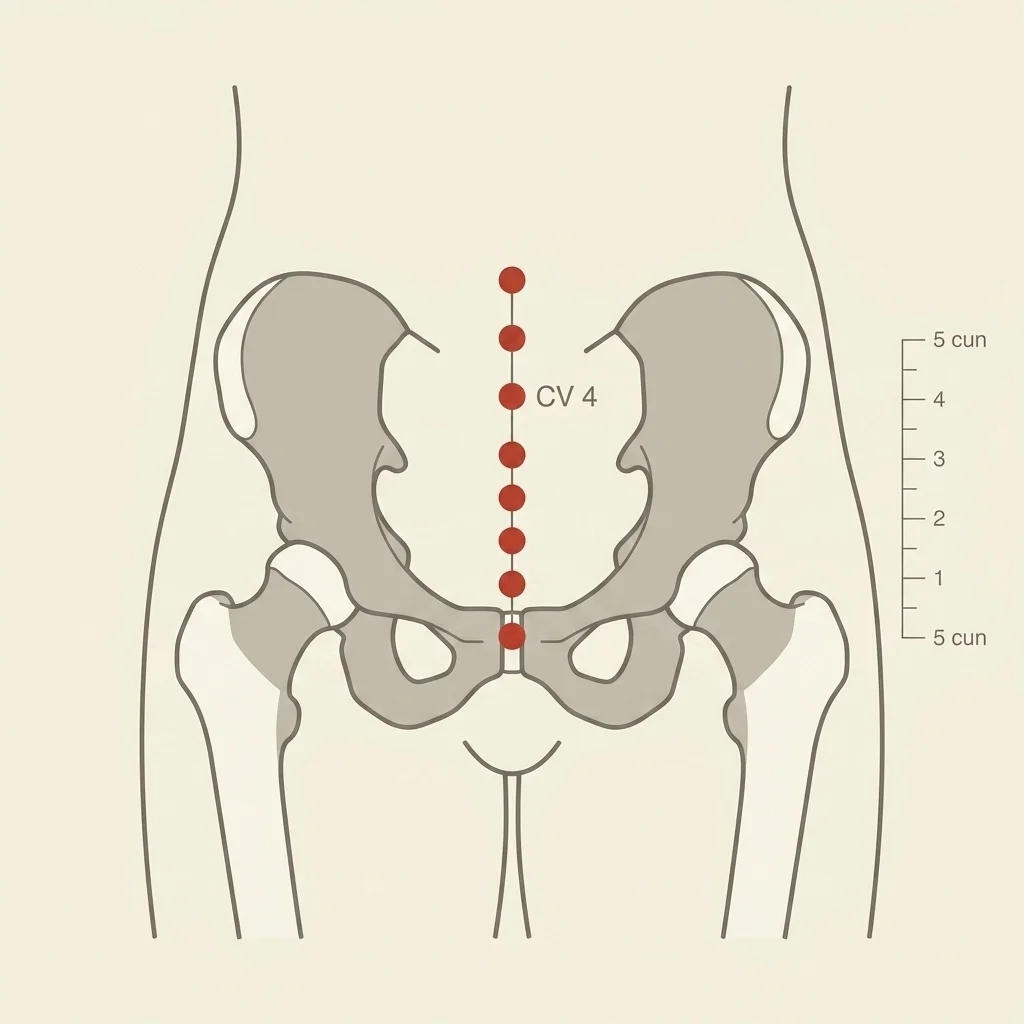
Co-prescribed pairs
- PC6 + SP65×
- PC6 + ST365×
- SP6 + ST365×
- CV4 + SP64×
Typical session window
8–10 sessions
Trial comparators
- vs Sham / Placebo
- 14 trials
- vs Medication
- 20 trials
- vs Rehab / Exercise
- 4 trials
- vs Usual Care
- 9 trials
Sample-size panorama for clinical domain — Xerostomia (Dry Mouth)
Quantitative synthesis of indexed clinical trials across the Xerostomia (Dry Mouth) domain (5 studies in our Scientific Library).
Head-to-head trial comparators tested against acupuncture
Select a comparator arm to highlight matching trials in the ledger below.Landmark clinical trials & meta-analyses
5/5- DOI01Randomized RCTJAMA Network Open · 2024N=258Acupuncture for Chronic Radiation-Induced Xerostomia in Head and Neck Cancer: A…
- DOI02Randomized RCTJAMA Network Open · 2019N=339Effect of True and Sham Acupuncture on Radiation-Induced Xerostomia Among Patients With…
- DOI03Meta-AnalysisMedicina · 2025N=2,036Effectiveness and Safety of Acupuncture for Nausea and Vomiting in Cancer Patients: A…
- DOI04Systematic ReviewBMC Complementary and Alternative Medicine · 2018N=503A systematic review of the effects of acupuncture on xerostomia and hyposalivation
- DOI05Clinical ReviewJournal of Cancer · 2021The Therapeutic Effects of Acupuncture and Electro-acupuncture on Cancer-related Symptoms…
Acupoint co-prescription synergy across published protocols
Arc stroke thickness reflects how many clinical trials co-prescribed each acupoint pair; node radius encodes overall point frequency.