The night pain no one explains
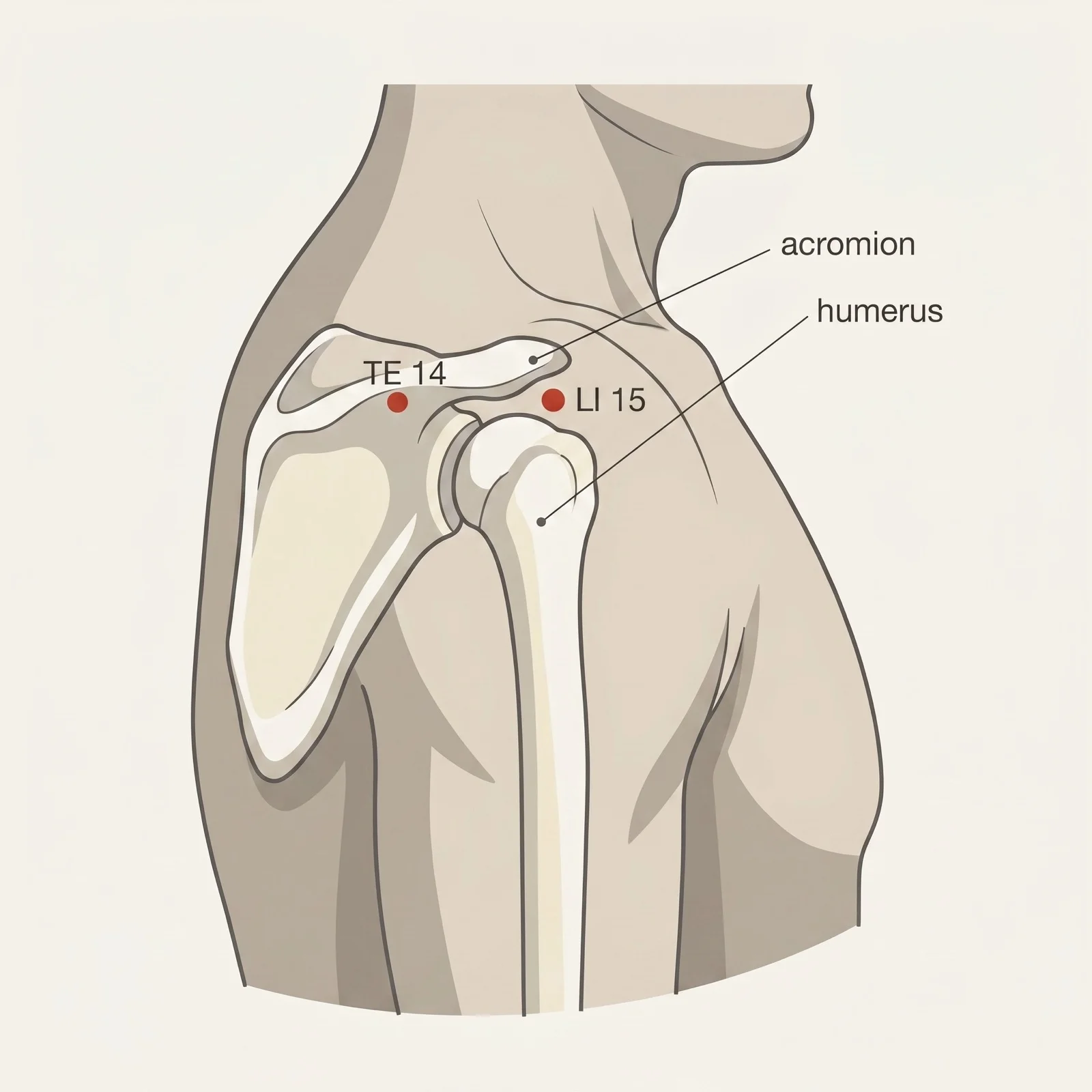
You lie down on your side and, within a few minutes, deep shoulder pain forces you to change position. You turn to the other side — and sleep poorly because the position is not comfortable. You lie on your back — and cannot fall asleep. This complaint is one of the most frequent in orthopedics and pain medicine offices, and the most common diagnosis is "subacromial bursitis". But there is a frequently neglected cause: trigger points in the infraspinatus and teres minor — muscles of the posterior part of the rotator cuff.
These trigger points generate deep referred pain in the shoulder that worsens with side-lying compression, perfectly mimicking bursitis. The clinical difference is that "false bursitis" improves dramatically with dry needling of these muscles — something that corticosteroid injections in the subacromial bursa cannot resolve when the real cause is in the muscle.
How trigger points in the posterior cuff generate night pain
Infraspinatus overload
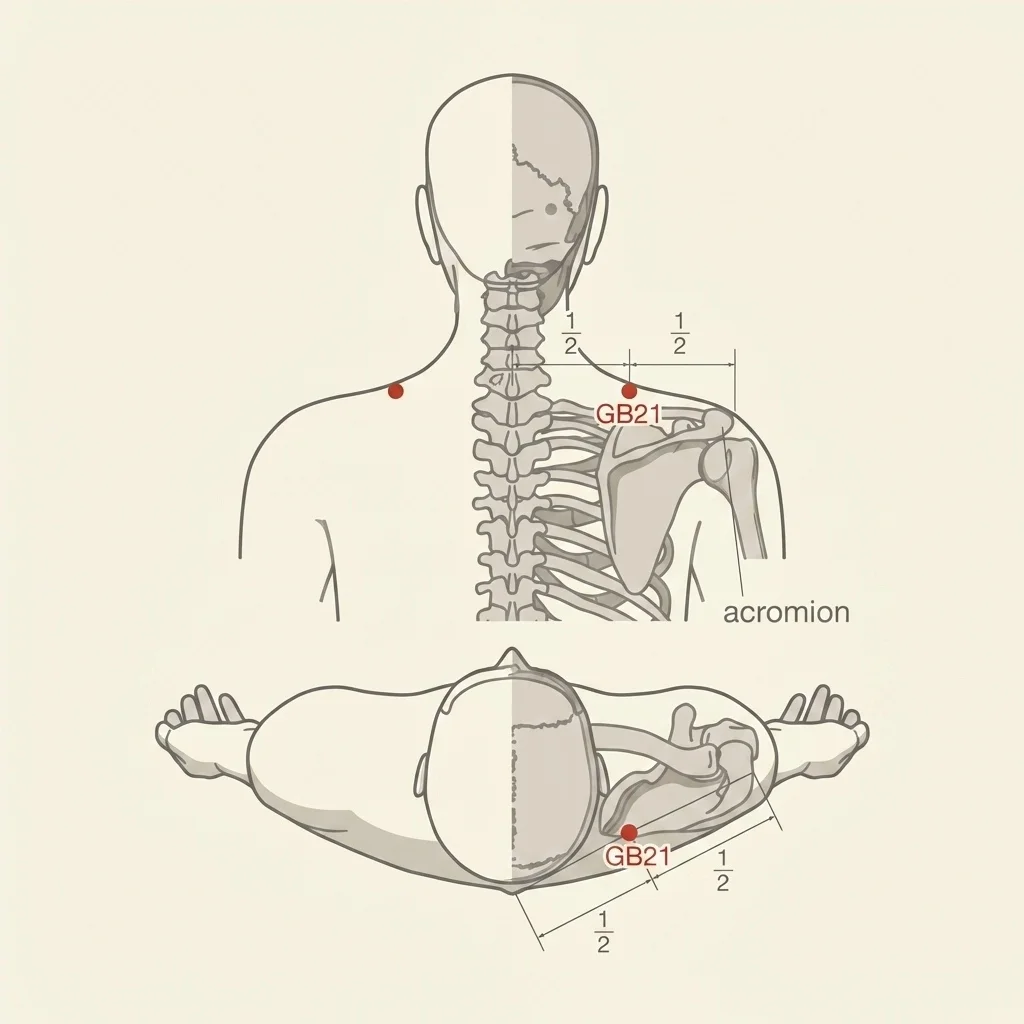
The infraspinatus is the main external rotator of the shoulder. Work with elevated arms, prolonged mouse use, and posture with protracted shoulders chronically overload this muscle. Trigger points develop in the middle and lower fibers of the infraspinatus.
Deep referred pain in the shoulder
Trigger points in the infraspinatus refer pain to the anterolateral region of the shoulder — exactly where subacromial bursitis hurts. This overlap of referred pain pattern is the reason the diagnosis of "bursitis" is made erroneously.
Compression in side-lying position
When lying on the affected shoulder, body weight directly compresses the infraspinatus against the scapula. Latent trigger points become active with this sustained compression, generating pain that wakes the patient in 20–40 minutes.
Teres minor as a contributor
The teres minor, the inferior neighbor of the infraspinatus, frequently develops satellite trigger points. Its referred pain reaches the posterior shoulder region, completing the pattern of "pain all around the shoulder" that patients describe.
Sleep deprivation cycle
Sleep fragmentation from pain generates increased central sensitivity to pain, which in turn activates more trigger points. This perpetuating cycle explains why patients with night shoulder pain progressively worsen without adequate treatment.
Clinical data on night shoulder pain
Recognizing false bursitis
Typical pattern of night pain from trigger points in the posterior cuff
Shoulder pain that prevents sleeping on the affected side
Deep pain in the anterolateral shoulder region, not pinpoint
Normal shoulder ultrasound or with minimal changes in the bursa
Pain that worsens 20–40 minutes after lying on the side
Temporary improvement when changing position or placing a pillow under the arm
Painful palpation in the infraspinous fossa that reproduces the night pain
Previous bursa injections with partial or no relief
Pain that increases after prolonged computer use or driving
Myths and facts about night shoulder pain
Myth vs. Fact
Night shoulder pain always indicates bursitis
Subacromial bursitis is a real cause of night pain, but trigger points in the infraspinatus and teres minor produce an identical pattern. The distinction requires myofascial examination — palpation of the posterior rotator cuff muscles. When compression of the infraspinatus reproduces the night complaint, the myofascial diagnosis is highly likely.
If the MRI showed tendinopathy, the cause of pain is defined
Rotator cuff alterations are extremely common on MRI, especially after age 40, and frequently asymptomatic. The presence of tendinopathy on imaging does not exclude that the night pain is caused by trigger points. Clinical myofascial examination is essential to define the real origin of symptoms.
If the pain doesn't go away with anti-inflammatories, surgery is needed
Shoulder surgery is indicated for significant structural injuries — complete rotator cuff tears, glenohumeral instability. Night pain from trigger points frequently responds little to anti-inflammatories, since the inflammatory component is limited; it can be relieved with dry needling. Addressing the muscular cause before considering surgery usually reduces the need for unnecessary procedures.
The importance of myofascial examination of the shoulder
Treatment protocol
Assessment and differential diagnosis
Shoulder examination: range of motion, rotator cuff tests (Jobe, resisted external rotation). Myofascial examination: palpation of the infraspinatus and teres minor with reproduction of night pain. Review of previous imaging. If warning signs, complementary investigation.
Dry needling of the posterior cuff
Needling of the infraspinatus in side-lying: perpendicular insertion in the infraspinous fossa, seeking twitch response. Treatment of the teres minor at the lateral border of the scapula. 2 Hz electroacupuncture for analgesic effect and prolonged muscle relaxation.
Accessory muscles and stabilization
Treatment of the posterior deltoid and upper trapezius when they contribute to pain. External rotation exercises with light resistance to activate the infraspinatus without overloading it. Postural guidance for work position.
Maintenance and prevention
Spacing of sessions to biweekly. Self-stretching of the posterior cuff. Sleep position guidance: pillow between arms, avoiding direct shoulder compression. Eccentric strengthening exercises for the rotator cuff.
Clinical pearl: the side-lying test
Frequently asked questions
Frequently Asked Questions
If you already have a previous MRI showing mild changes or partial tendinopathy, the myofascial examination can be performed at the same visit. If there is suspicion of a complete cuff tear (significant weakness, trauma), MRI is important before defining the therapeutic plan. In most cases of chronic night pain without trauma, clinical and myofascial examination is sufficient to start treatment.
The infraspinatus is a relatively thick and accessible muscle. Insertion of the needle generates a sensation of deep pressure and, when it reaches the trigger point, produces the twitch response — a brief involuntary contraction. Most patients describe the procedure as tolerable and associate the twitch with the sensation of "finding the right point". The discomfort is transient and generally less than the night pain that motivated the visit.
Most patients with myofascial false bursitis report partial sleep improvement after the first or second session. Complete recovery — sleeping on the shoulder without waking with pain — typically occurs between the third and fifth session. More chronic cases, with months or years of night pain, may require more sessions and complementary work on accessory muscles.
Yes. Dry needling treats a different structure (muscle) than the corticosteroid injection (bursa). The approaches are complementary. If the bursa injection brought partial relief, this may indicate that part of the pain was actually bursal and part was myofascial. The medical acupuncturist evaluates the contribution of each component to define the best treatment plan.