
Evidence behind this recommendation.
Selected studies from our library that inform the recommendations on this page. Evidence grade shown when available.
Sjögren's Syndrome: Autoimmune Disease of the Exocrine Glands
Sjögren's syndrome (SS) is a chronic autoimmune disease characterized by lymphocytic infiltration of the exocrine glands — primarily salivary and lacrimal — resulting in progressive destruction of the glandular parenchyma and in sicca syndrome: xerostomia (dry mouth) and xerophthalmia (dry eye). It is the second most common autoimmune rheumatic disease, affecting 0.1–0.6% of the population, with a marked female predominance (9:1) and a peak between 40 and 60 years of age.
Diagnosis is made by the 2016 ACR/EULAR criteria — combining anti-SS-A/Ro positivity, minor salivary gland biopsy (focus score ≥1), salivary flow, and Schirmer test results. Sicca syndrome profoundly impairs quality of life: severe xerostomia causes devastating caries, difficulty swallowing, and difficulty speaking; xerophthalmia can lead to keratitis and visual impairment.
Conventional Treatment of Sjögren's Syndrome
Treatment of SS is symptomatic for sicca syndrome and immunosuppressive for severe systemic manifestations — with major therapeutic gaps especially for xerostomia and xerophthalmia.
Therapeutic Options in Sjögren's Syndrome
| Manifestation | Treatment | Limitation |
|---|---|---|
| Xerostomia | Artificial saliva, pilocarpine 5 mg 4×/day, cevimeline | Pilocarpine: sweating, GI effects, contraindicated in glaucoma; temporary |
| Xerophthalmia | Preservative-free artificial tears, cyclosporine 0.05% | Multiple applications; cyclosporine: initial burning; cost |
| Arthralgia | HCQ 400 mg/day ± NSAID, methotrexate | HCQ: retinal risk; NSAIDs: worsen xerostomia; MTX: hepatotoxicity |
| Fatigue | HCQ, support with physical exercise | No effective specific pharmacological treatment for fatigue in SS |
| Severe systemic (vasculitis, neurop.) | Rituximab (anti-CD20), cyclophosphamide | High cost; immunosuppression; no approval for mild-to-moderate SS |
The tendinopathy continuum: tailoring care from reactive to degenerative
Tendon pain is not one uniform lesion; matching load management, needling, and shockwave to biological stage drives recovery.
1. Reactive tendinopathy
Acute response to a sudden load spike; settles best with load moderation and analgesic isometric holds.
2. Tendon disrepair
Ongoing overload separates collagen bundles; responds to medical needling paired with structured eccentric loading.
3. Degenerative tendinopathy
Chronic acellular zones benefit from ESWT and heavy slow resistance to build capacity in surrounding healthy matrix.
Mechanisms of Action in Sjögren's Syndrome
Acupuncture has specific and documented mechanisms of action for the central manifestations of SS — especially for xerostomia and xerophthalmia.
Mechanisms of Action by Manifestation
1. Stimulation of the Salivary Glands via Parasympathetic Reflex
ST5 (Daying) is located over the facial artery, at the insertion of the masseter — a region innervated by the lingual nerve (a branch of V3). CV23 (Lianquan) lies over the hyoid, along the path of the hypoglossal nerve and close to the sublingual glands. Needling these points activates the parasympathetic salivary reflex via the facial nerve (chorda tympani → lingual nerve → submandibular gland) and the glossopharyngeal nerve (→ parotid). Result: an objective increase in salivary flow documented by sialometry (+52%).
2. Stimulation of Lacrimal Secretion via GB1 and BL2
GB1 (Tongziliao), at the lateral canthus of the eye, and BL2 (Zanzhu), at the medial eyebrow, reflexively stimulate the lacrimal glands via the lacrimal branch of the trigeminal nerve (V1). Studies using the Schirmer test document an increase of 3–5 mm in 5 minutes of lacrimal secretion after needling these points, with a proven safety profile — periorbital needling with appropriate technique presents no ocular risk.
3. Possible Immunomodulation — Preliminary Data
In experimental and preliminary studies, LI11 + SP6 + ST36 have been associated with modulation of pro-inflammatory cytokines such as IL-17 and IFN-γ, implicated in glandular damage. Few studies with post-acupuncture biopsies suggest possible changes in the lymphocytic infiltrate, but this structural benefit remains hypothetical and does not replace the immunomodulatory treatment indicated by the rheumatologist.
4. Fatigue and Arthralgia — Complementary Pathways
ST36 + GV20 + HT7 for fatigue (HPA axis, β-endorphins). SP10 + LI4 + LV3 for migratory arthralgia. The benefit on fatigue in SS (FACIT −3.2 pts) is comparable to that observed in SLE and RA — suggesting a common mechanism of modulation of the neuroendocrine-immune axis.
For Xerostomia
- • ST5 — submandibular gland reflex
- • ST4 — labial commissure, parasympathetic
- • CV23 — sublingual, hypoglossal
- • KD6 — Yin fluids (deficiency)
- • SP6 — systemic Yin, hydration
For Xerophthalmia
- • GB1 — lateral canthus of the eye
- • BL2 — medial eyebrow, V1
- • ST1 — infraorbital (with care)
- • LV3 — Liver opens at the eyes (TCM)
- • KD3 — Yin/ocular fluids
Systemic
- • LI11 — anti-inflammatory
- • ST36 — immunity, fatigue
- • SP10 — blood, arthralgia
- • HT7 — fatigue, anxiety
- • GV20 — clarity, energy
Scientific Evidence
The Clinical Oral Investigations (2022) meta-analysis is the most complete synthesis available on acupuncture in SS — covering xerostomia, xerophthalmia, arthralgia, and fatigue.
Results by Manifestation — Meta-analysis Clin Oral Invest 2022 (8 RCTs)
| Manifestation | Measure | Result | Quality |
|---|---|---|---|
| Xerostomia | VAS oral dryness (0–10) | −3.2 pts | Moderate |
| Salivary flow | Sialometry (mL/5 min) | +1.8 mL/5min (+52%) | Moderate |
| Xerophthalmia | OSDI (0–100) | −8.4 pts | Moderate |
| Arthralgia | VAS (0–10) | −2.6 pts | Low-Moderate |
| Fatigue | FACIT-F (0–52) | −3.2 pts (improvement) | Low-Moderate |
| Quality of life | SF-36 global | +7.8 pts | Moderate |
Local adenosine and A1 receptors: the biochemical cascade at the needle tip
Gentle winding of fascial collagen fibers triggers ATP release and local adenosine accumulation, quieting nearby pain receptors.
1. Collagen fiber winding
The solid filiform needle applies mild mechanical shear to surrounding connective-tissue fibroblasts.
2. ATP to adenosine shift
Membrane enzymes convert released ATP into a 24-fold local rise in extracellular adenosine.
3. A1 receptor & perfusion
Quiets peripheral nociceptor firing while supporting local microvascular vasodilation.
Clinical Protocol in Sjögren's Syndrome
Treatment Stages
Initial Assessment
Baseline sialometry (unstimulated salivary flow over 5 min), baseline OSDI, anti-SS-A/B antibodies, renal/hepatic function, current medications (HCQ, pilocarpine — may be maintained and gradually withdrawn if flow improves). Cutaneous photosensitivity: no restriction for acupuncture.
Treatment Protocol
Two sessions/week for 6 weeks. Xerostomia protocol: bilateral ST5 (15 mm, directed toward the mandibular angle), CV23 (20 mm, in a cranial direction), ST4, KD6. Xerophthalmia protocol: GB1, BL2 (safe periorbital technique, 5–8 mm, 0.20×13mm needle). Systemic protocol: LI11, SP6, ST36, HT7, SP10.
Follow-up Sialometry
Repeat sialometry after 6 sessions to document objective response. This is clinically useful and motivating for the patient. Responders (>0.5 mL/5 min increase): continue protocol. Non-responders after 8 sessions: review diagnosis (advanced irreversible glandular destruction — terminal stage may not respond).
Maintenance
One session/week for 4 weeks; then biweekly. Long-term monthly maintenance for moderate-to-severe xerostomia. Reinforced oral hygiene (fluoride, alcohol-free chlorhexidine mouthwash, oral hyaluronic acid spray) as adjuvant measures.
When to Seek Medical Acupuncture in Sjögren's Syndrome
Priority Indications
- • Moderate-to-severe xerostomia with intolerance to pilocarpine
- • Xerophthalmia refractory to conventional lubricant eye drops
- • SS with severe fatigue not responding to HCQ
- • Residual arthralgia in stable SS
- • SS + burning mouth syndrome (specific combined protocol)
- • Peripheral neuropathy due to SS — complementary
Expectations and Limits
- • Glands with total destruction (advanced fibrosis) may not respond
- • Acupuncture does not alter anti-SS-A/Ro titers
- • Does not replace rituximab in severe systemic manifestations
- • Continuous maintenance required — benefit tends to diminish without treatment
- • Caries: parallel dental treatment is indispensable
Frequently Asked Questions
Frequently Asked Questions
When performed by a medical acupuncturist with training in periorbital technique, the procedure has a favorable safety profile. The points GB1 and BL2 are needled with very fine (0.20mm), short (13–25mm) needles, in a tangential direction to the bone — without penetrating the orbit. Ocular complications related to periorbital acupuncture are considered rare in the literature, but the indication and technique must always be evaluated individually.
Sialometry studies show measurable increase in salivary flow as early as after 3–4 sessions. Subjective improvement of xerostomia (sensation of less dryness, better swallowing, greater ease of speech) generally occurs between the 4th and 6th session. The maximum effect is reached after 8–10 sessions. Monthly maintenance is important — without maintenance treatment, salivary flow tends to return to baseline within 3–4 months.
No — acupuncture has no anticholinergic effects that could worsen xeroderma (as systemic pilocarpine does at high doses). On the contrary, ST36 and SP6 improve cutaneous perfusion and may have an indirect benefit on xeroderma. There are no reports of worsening of xeroderma with acupuncture in clinical studies in SS.
Yes — and the combination is recommended. Artificial saliva offers immediate symptomatic relief, while acupuncture stimulates the production of real saliva over time. They are complementary approaches: use artificial saliva for short-term relief and acupuncture sessions for progressive increase in endogenous salivary flow. In the medium term, patients with a good response to acupuncture often reduce their dependence on saliva substitutes.
What clinical trials tested for this condition — Rheumatoid Arthritis
Share among studies for this condition that reported specific acupoints.
- studies analyzed
- 23 studies analyzed
- RCTs
- 1 RCTs
- sham-controlled
- 7 sham-controlled
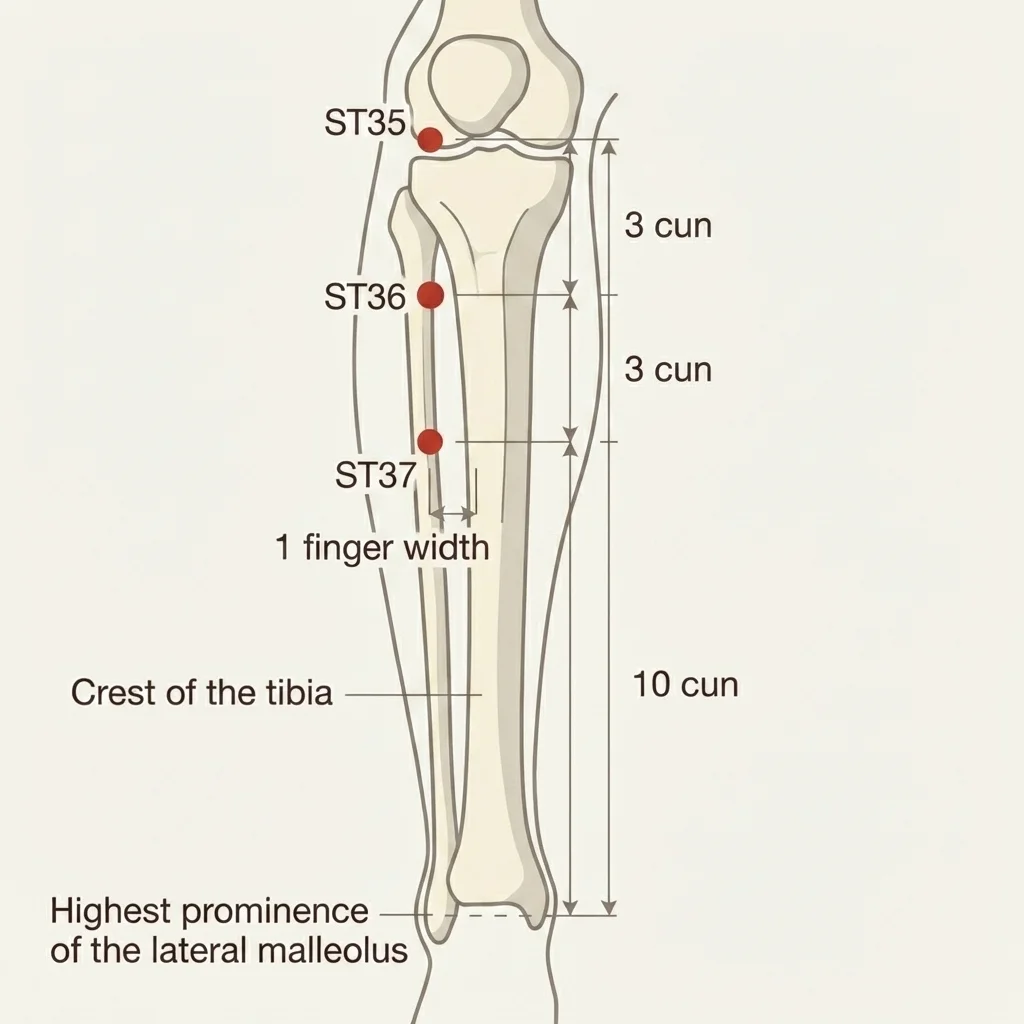
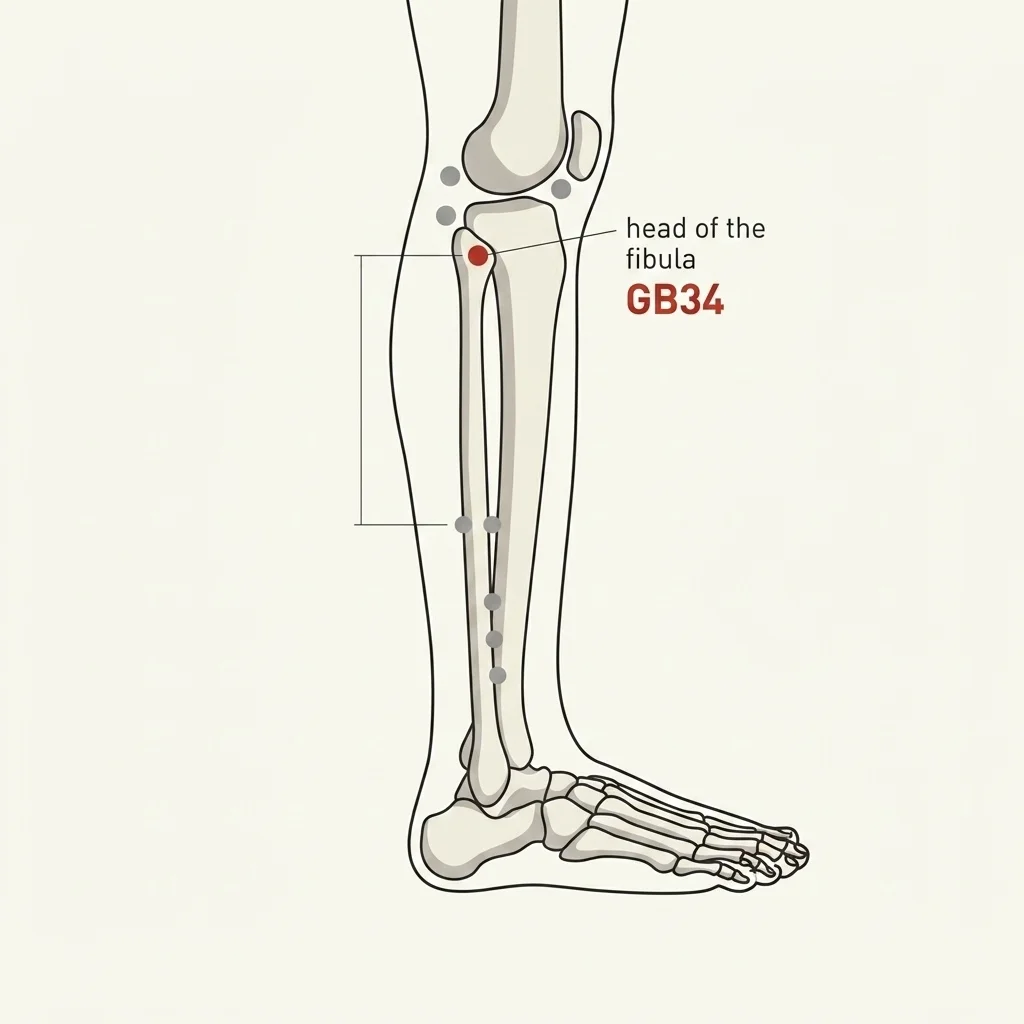
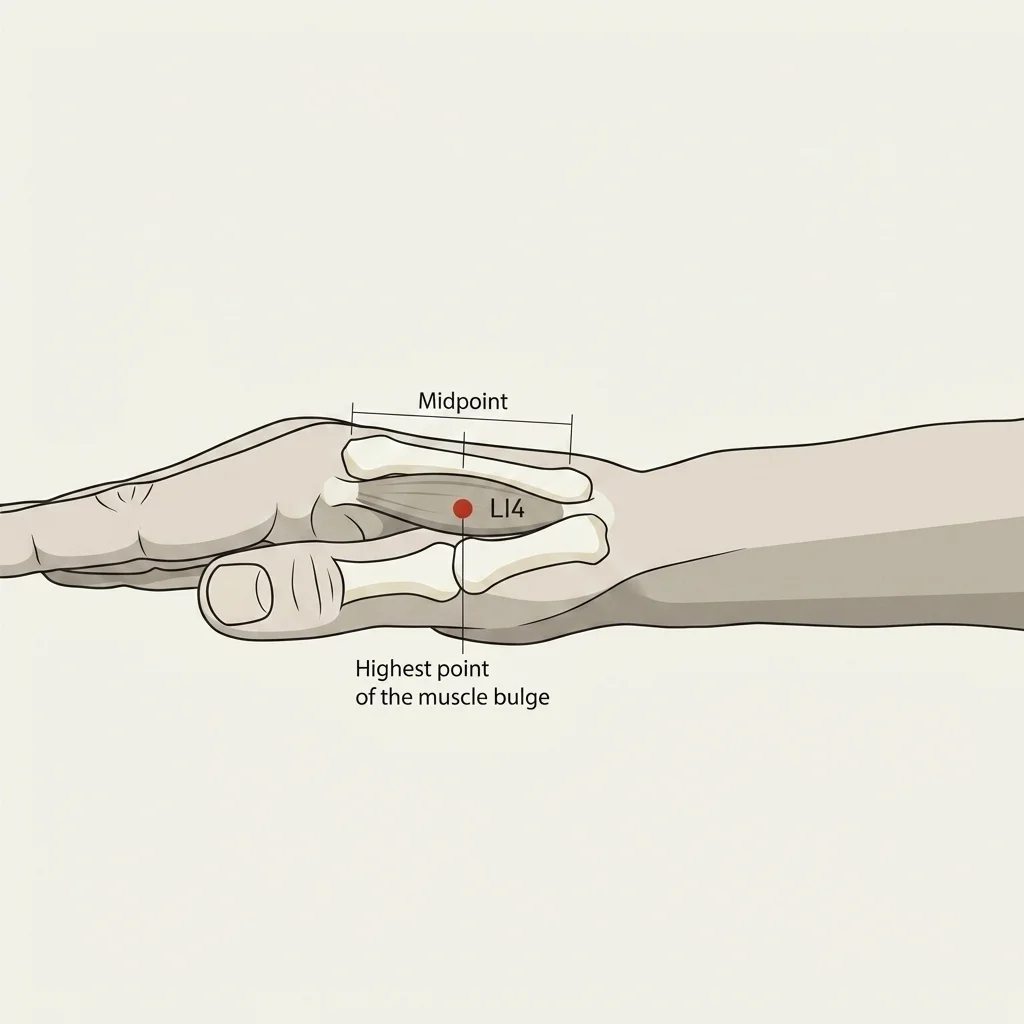
Co-prescribed pairs
- GB34 + ST365×
- LI4 + ST364×
- GB34 + LI43×
- PC6 + ST363×
Electroacupuncture (Hz)
Typical session window
3–15 sessions
Trial comparators
- vs Sham / Placebo
- 7 trials
- vs Medication
- 18 trials
- vs Rehab / Exercise
- 4 trials
- vs Usual Care
- 3 trials