

- Moderate
- Weak
See the numbers: What this page rests on
| Year | Study type | Verdict | Study |
|---|---|---|---|
| 2023 | Narrative Review | Moderate | Acupuncture for gastrointestinal diseases |
| 2024 | Systematic Review | Weak | Effects of acupuncture and moxibustion on ulcerative colitis: An overview of systematic reviews |
Evidence behind this recommendation.
Selected studies from our library that inform the recommendations on this page. Evidence grade shown when available.
Effects of acupuncture and moxibustion on ulcerative colitis: An overview of systematic reviews
“This study analyzed the quality of existing research on acupuncture and moxibustion for ulcerative colitis.”
Acupuncture for gastrointestinal diseases
“This review shows that acupuncture can be a safe and effective option for various diseases of the digestive system, including irritable bowel syndrome, constipation, reflux, and inflammatory bowel disease.”
What Ulcerative Colitis Is
Ulcerative colitis (UC) is a chronic inflammatory bowel disease (IBD) that affects the mucosa of the large intestine in a continuous fashion, always starting in the rectum and potentially extending proximally to involve the entire colon. Unlike Crohn's disease, the inflammation in UC is superficial — restricted to the mucosa and submucosa — and never affects the small intestine in isolation.
In Brazil, the estimated prevalence is 50 to 200 cases per 100,000 inhabitants, with two peaks of incidence: between 15 and 35 years of age (main peak) and between 55 and 65 years. UC affects men and women similarly and is associated with genetic factors (NOD2, IL-23R), environmental factors (microbiome, Westernized diet), and immunological factors (Th1/Th17 dysfunction).
The classic clinical picture includes diarrhea with blood and mucus, fecal urgency, tenesmus, abdominal cramping and, in severe cases, fever, weight loss, and anemia. UC follows a course of flares of activity interspersed with periods of remission. In pancolitis with more than 10 years of evolution, the risk of colorectal carcinoma is elevated, requiring regular endoscopic surveillance.
Psychosocial Impact
Conventional Treatments
UC treatment is escalated according to extent, severity, and response to prior treatment. The goal is to induce and maintain mucosal remission (endoscopic healing), associated with a lower risk of colectomy and colorectal carcinoma.
Therapeutic Options in UC
| Medication / Intervention | Indication | Considerations |
|---|---|---|
| Mesalazine (5-ASA) | Mild to moderate; maintenance | Gold standard; combined oral + topical |
| Systemic corticosteroids | Induction of remission in flares | Not indicated for maintenance (toxicity) |
| Azathioprine / 6-MP | Maintenance; corticosteroid dependence | 3–6 month latency; monitor blood count |
| Infliximab / Adalimumab | Moderate to severe; 5-ASA failure | Anti-TNF; increased infectious risk |
| Vedolizumab | Moderate to severe; alternative | Anti-integrin; gut-selective action |
| Tofacitinib / Upadacitinib | Moderate to severe; biologic-refractory | Oral JAK inhibitors; monitor thromboembolism |
| Colectomy | Refractory, dysplasia, or megacolon | Curative; total proctocolectomy with ileal pouch |
The vagal gut–brain axis: how PC6 and ST36 regulate nausea and motility
Somatic afferents from the median and deep peroneal nerves reach brainstem nuclei and rebalance parasympathetic gastrointestinal pacing.

1. Somatic afferents (PC6 & ST36)
Needling PC6 (median nerve) and ST36 (deep peroneal nerve) projects directly to the nucleus tractus solitarius.
2. Vagal efferent pacing (CN X)
Parasympathetic vagal fibers steady 3 cpm gastric slow waves and trigger enteric cholinergic anti-inflammation.
3. Digestive indications
Supports medical care for nausea, functional dyspepsia, reflux sensitivity, and IBS visceral pain.
How Acupuncture Works in Ulcerative Colitis
The action of medical acupuncture in UC involves two main mechanisms: neuroimmune modulation via the cholinergic anti-inflammatory vagal reflex and regulation of the gut-brain axis with direct impact on the inflammatory cytokine profile of the colonic mucosa.
Mechanism of Action in UC
ST36 (Zusanli) Stimulation
Activation of somatic afferents of the lower limb — deep peroneal nerve — with ascending signaling via Th10–L2 and activation of the vagus nerve.
Cholinergic Anti-Inflammatory Reflex
Acetylcholine released by enteric neurons activates α7-nicotinic receptors (α7nAChR) on macrophages of the colonic submucosa, suppressing the pro-inflammatory response.
Inhibition of the NF-κB Pathway
Silencing of the nuclear factor NF-κB → reduction of TNF-α, IL-6, IL-17, and IL-1β in epithelial and immune cells of the colonic mucosa.
Expansion of Treg Cells
Increase in CD4+CD25+FoxP3+ (regulatory T cells) in the lamina propria → local immunological tolerance and prevention of relapses.
Restoration of the Mucosal Barrier
Increased expression of occludin and claudin-1 (tight junction proteins) → reduction of intestinal permeability and inflammatory recruitment.
Scientific Evidence
Acupuncture in UC has been studied in randomized clinical trials conducted in China and Europe, focusing on objective clinical outcomes (Mayo Score, mucosal remission) and inflammatory biomarkers in colonic biopsy tissue.
Gut 2020 Study — Multicenter RCT (n=149)
World J Gastroenterol 2018 Study — Colonic Biopsy (n=93)
Three-level medical prescription: local, segmental, and distal points
Rather than relying on isolated points, physicians combine three complementary tiers to address local tissue, spinal gating, and central tone.
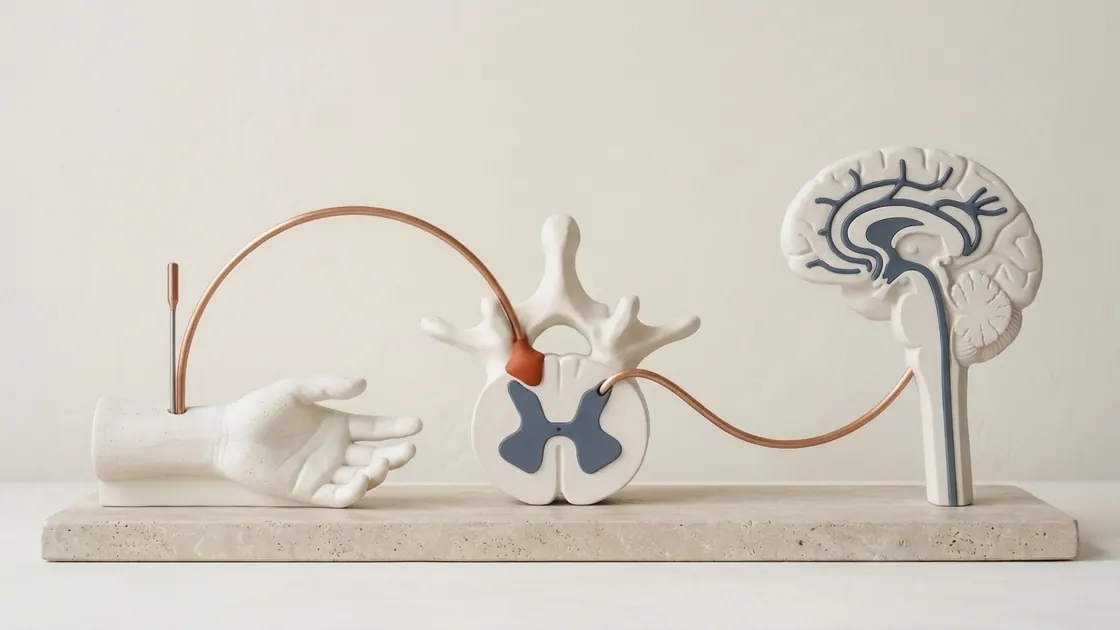
1. Local tier (Ashi / trigger)
Addresses the taut band, fascia, or painful joint directly via adenosine and perfusion.
2. Segmental tier (spinal)
Targets the matching dermatome and myotome to engage dorsal-horn synaptic gating.
3. Distal tier (supraspinal)
Extremity points recruit PAG/RVM descending analgesia, vagal tone, and sleep depth.
Modern Approach: Integrative Medical Acupuncture
The integration of acupuncture into UC management follows an evidence-based protocol, with precise indications of points, frequency, and joint clinical monitoring with gastroenterology. The goal is to broaden the response to conventional treatment — not to replace it.
Electroacupuncture Protocol in UC
| Parameter | Standard Protocol | Note |
|---|---|---|
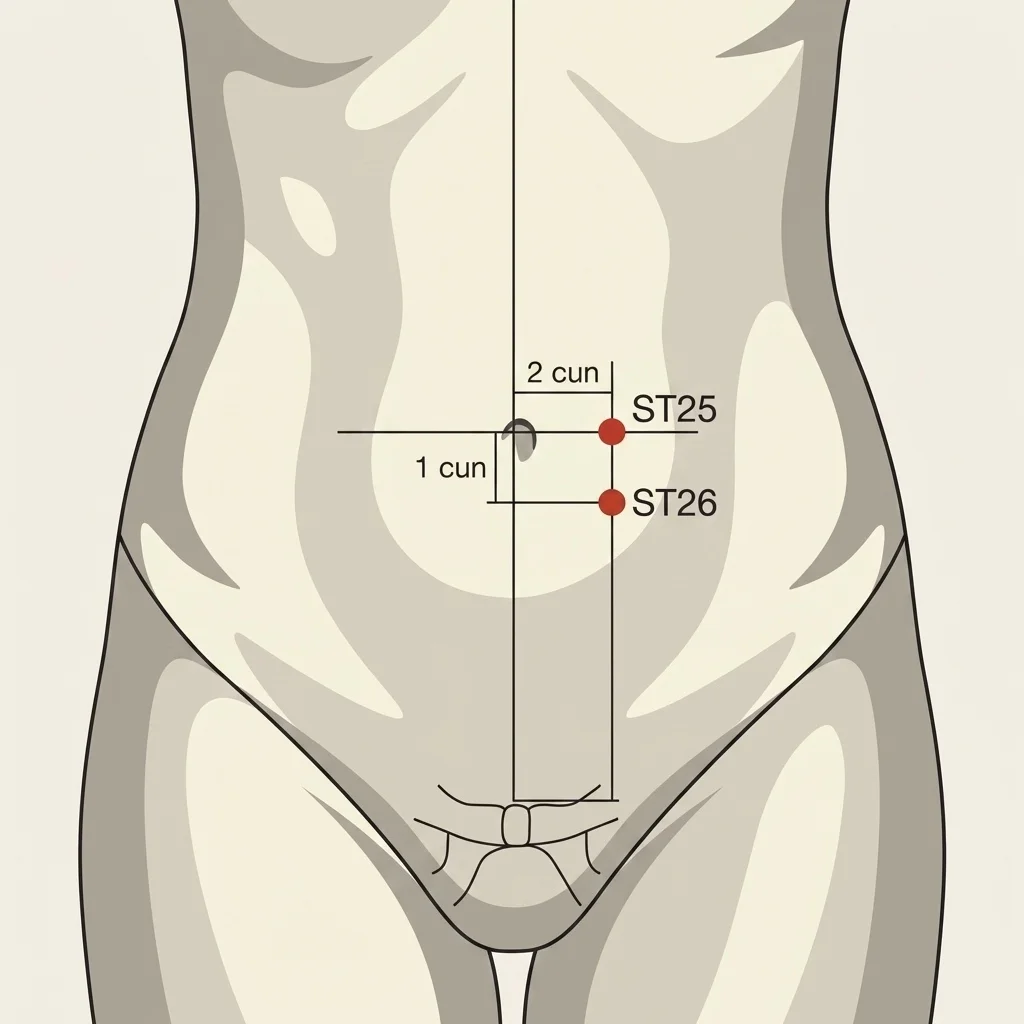
| Main points | Bilateral ST25 + bilateral ST36 | Core of the protocol (based on RCTs) |
| Auxiliary points | LI11 + BL25 | Additional immunological modulation |
| EA frequency | 25 Hz (dense-disperse) | Anti-inflammatory and pro-motility |
| Session duration | 30 minutes | Standard in published RCTs |
| Weekly frequency | 3 sessions / week | Active phase / induction |
| Initial cycle | 10–12 weeks | Assessment with Mayo Score at the end |
| Maintenance | 1–2 sessions / month | In stable clinical remission |
When to See a Medical Acupuncturist
Main Indications
- UC in remission for relapse prevention
- Residual symptoms even in endoscopic remission
- Quality of life compromised by anxiety or pain
- Corticosteroid dependence — adjuvant in the tapering strategy conducted by the gastroenterologist
- Intolerance or adverse effects to medications
Situations Requiring Caution
- Acute flare: prioritize pharmacological treatment first
- High fever + abrupt worsening: rule out toxic megacolon
- Severe immunosuppression: rigorous asepsis required
- Anticoagulation: inform for technique adjustment
Frequently Asked Questions
Frequently Asked Questions
No. Acupuncture is an adjuvant treatment — it complements but does not replace mesalazine (5-ASA), azathioprine, anti-TNF agents (infliximab, adalimumab), vedolizumab, JAK inhibitors, or corticosteroids at prescribed doses. Never interrupt or reduce IBD medications without guidance from the gastroenterologist — inadvertent discontinuation can trigger a severe acute flare. The goal of acupuncture is to complement conventional treatment and contribute to quality of life.
Most studies observe clinical improvement starting at the 4th to 6th session. An initial cycle of 10 to 12 weeks (3 sessions/week) is recommended for response evaluation. In stable remission, monthly maintenance sessions are usually sufficient.
Yes. There are no known interactions between acupuncture and biologics. In immunosuppressed patients, the medical acupuncturist adopts reinforced asepsis precautions — sterile disposable needles and rigorous skin antisepsis — to minimize any infectious risk.
Yes. Adapted techniques with finer needles, shallower depth, and briefer stimulation are used in pediatric patients. Consent from the guardians, prior pediatric evaluation, and the physician's experience in pediatrics are essential.
The typical sensation (deqi) is one of pressure, heaviness, or mild tingling — rarely described as sharp pain. Electroacupuncture adds low-intensity current that causes painless rhythmic muscle contraction. Sessions last 30 minutes with the patient in comfortable rest.
Related Articles
Modulation of transmural inflammation in IBD
Acupuncture for Functional DyspepsiaNormalization of gastric emptying
Acupuncture for Intestinal ConstipationCONSTIPATE trial Lancet 2020: level 1 evidence
Acupuncture for Functional Abdominal PainVisceral hyperalgesia and the gut-brain axis
Autonomic architecture: auricular vagus (CN X), brainstem nucleus & gut–brain axis
PEUKER & FILLER 2002 · FINAN J PAIN 2013Somatovisceral vagal regulation of motility & visceral pain
Somatic afferents at ST36, PC6, and ST25 project to the dorsal motor nucleus of the vagus, normalizing enteric motility and visceral hypersensitivity in IBS, dyspepsia, and nausea.
What clinical trials tested for this condition — Inflammatory Bowel Disease
Share among studies for this condition that reported specific acupoints.
- studies analyzed
- 6 studies analyzed
- RCTs
- 2 RCTs
- sham-controlled
- 3 sham-controlled
Co-prescribed pairs
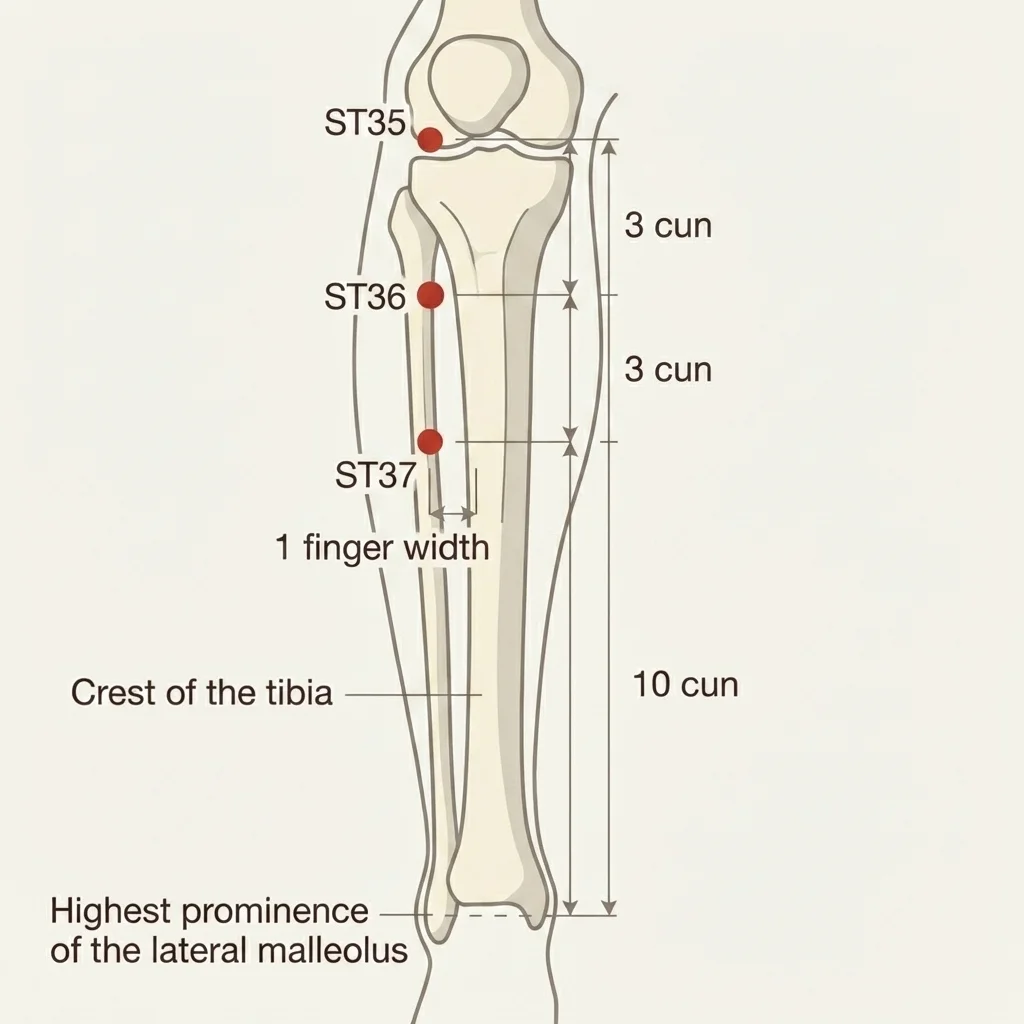
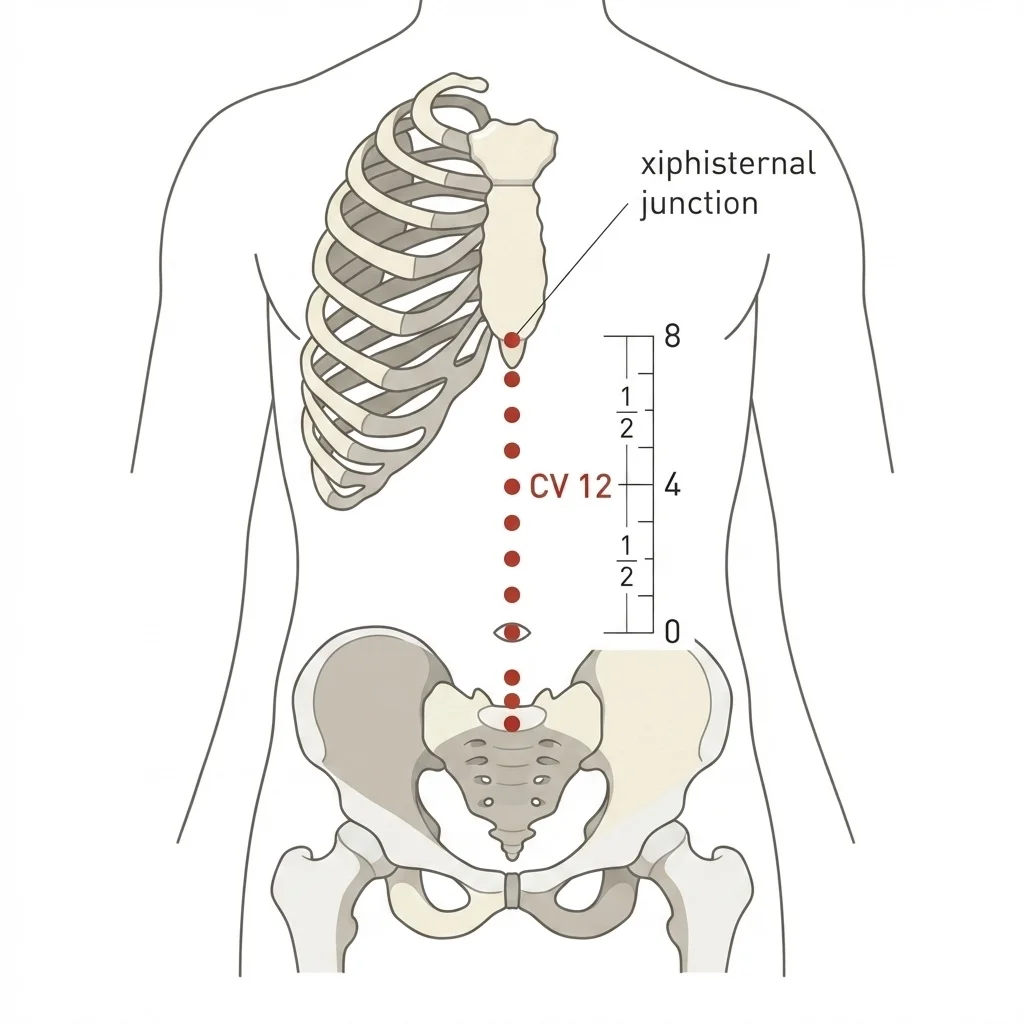
- CV12 + ST252×
- CV12 + ST362×
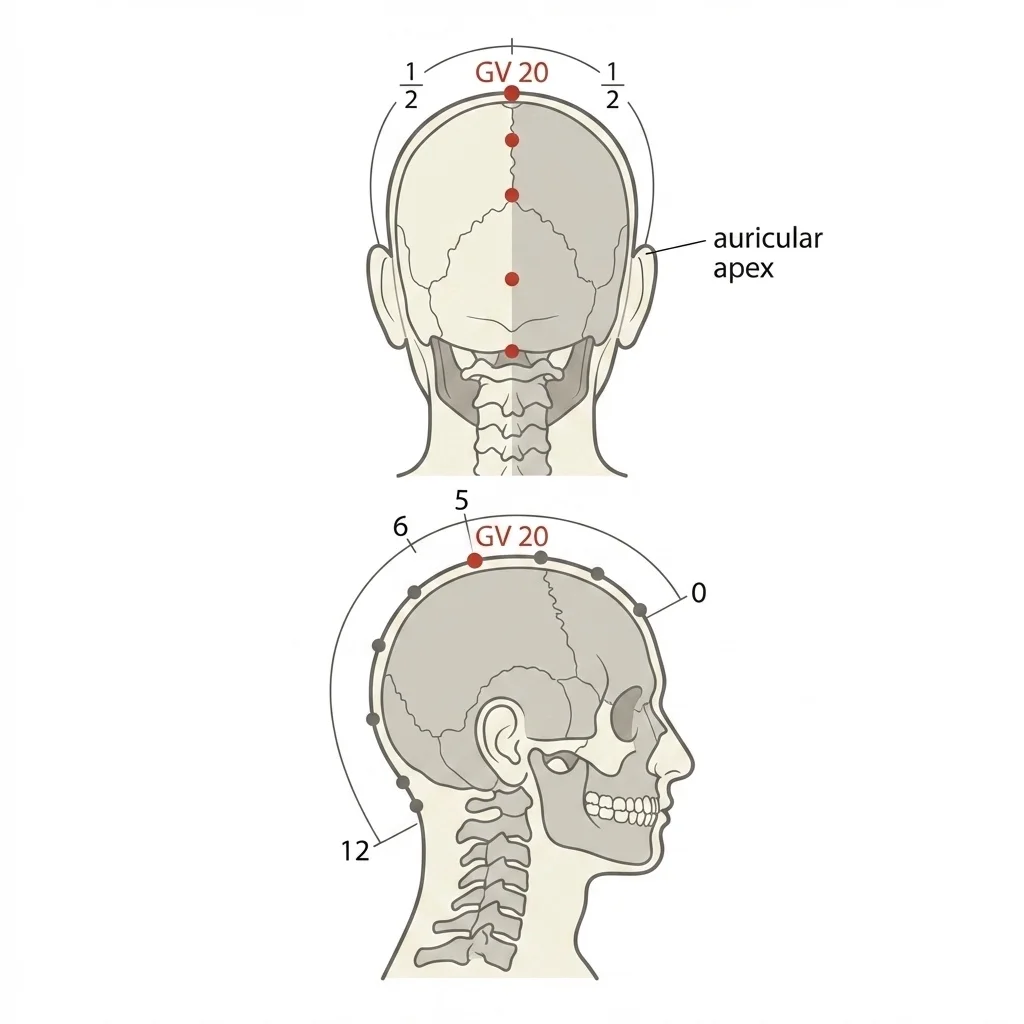
- GV20 + ST362×
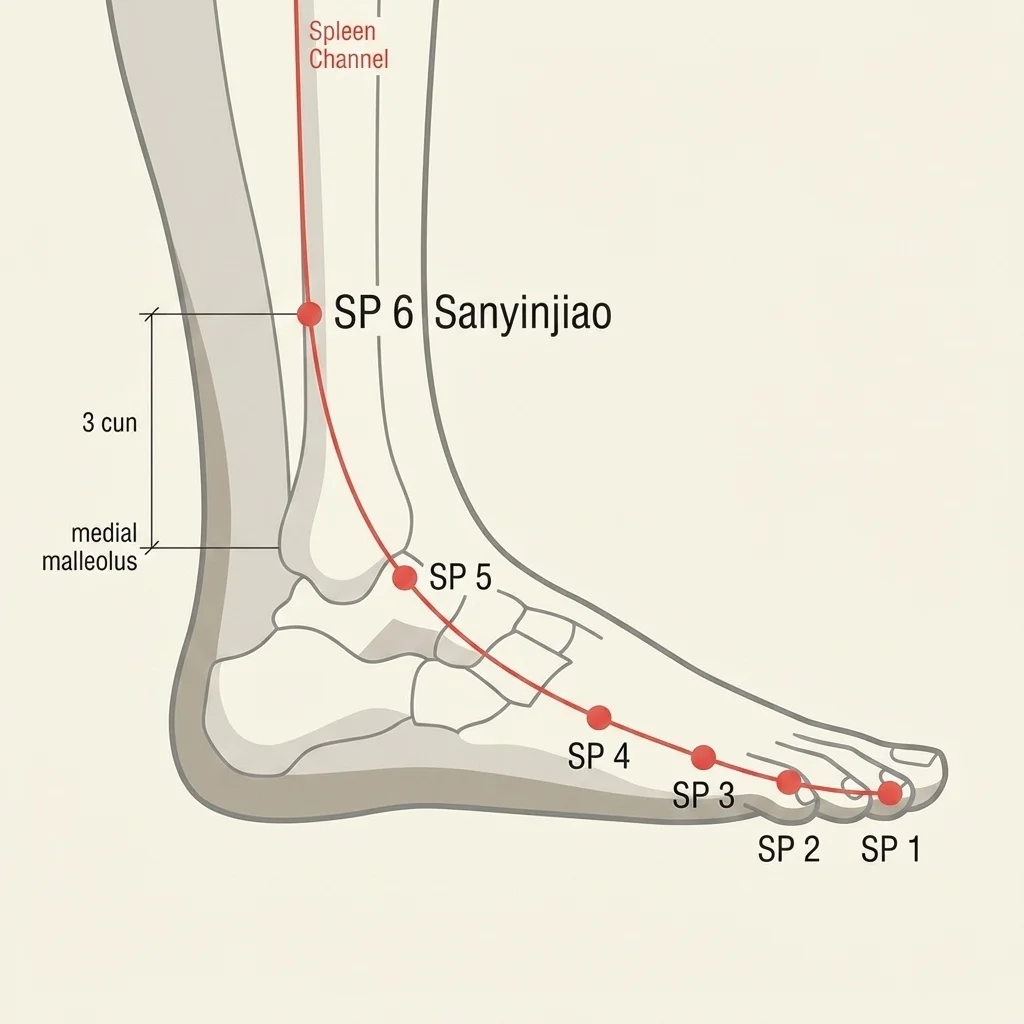
- SP6 + ST362×
Typical session window
10–36 sessions
Trial comparators
- vs Sham / Placebo
- 3 trials
- vs Medication
- 6 trials
Sample-size panorama for clinical domain — Inflammatory Bowel Disease
Quantitative synthesis of indexed clinical trials across the Inflammatory Bowel Disease domain (3 studies in our Scientific Library).
Head-to-head trial comparators tested against acupuncture
Select a comparator arm to highlight matching trials in the ledger below.Landmark clinical trials & meta-analyses
3/3- DOI01Randomized RCTWorld Journal of Gastroenterology · 2014N=92Randomized controlled trial: Moxibustion and acupuncture for the treatment of Crohn's…
- DOI02Systematic ReviewHeliyon · 2024N=8,556Effects of acupuncture and moxibustion on ulcerative colitis: An overview of systematic…
- DOI03Randomized RCTDigestion · 2004N=51Acupuncture and Moxibustion in the Treatment of Active Crohn's Disease: A Randomized…
Acupoint co-prescription synergy across published protocols
Arc stroke thickness reflects how many clinical trials co-prescribed each acupoint pair; node radius encodes overall point frequency.