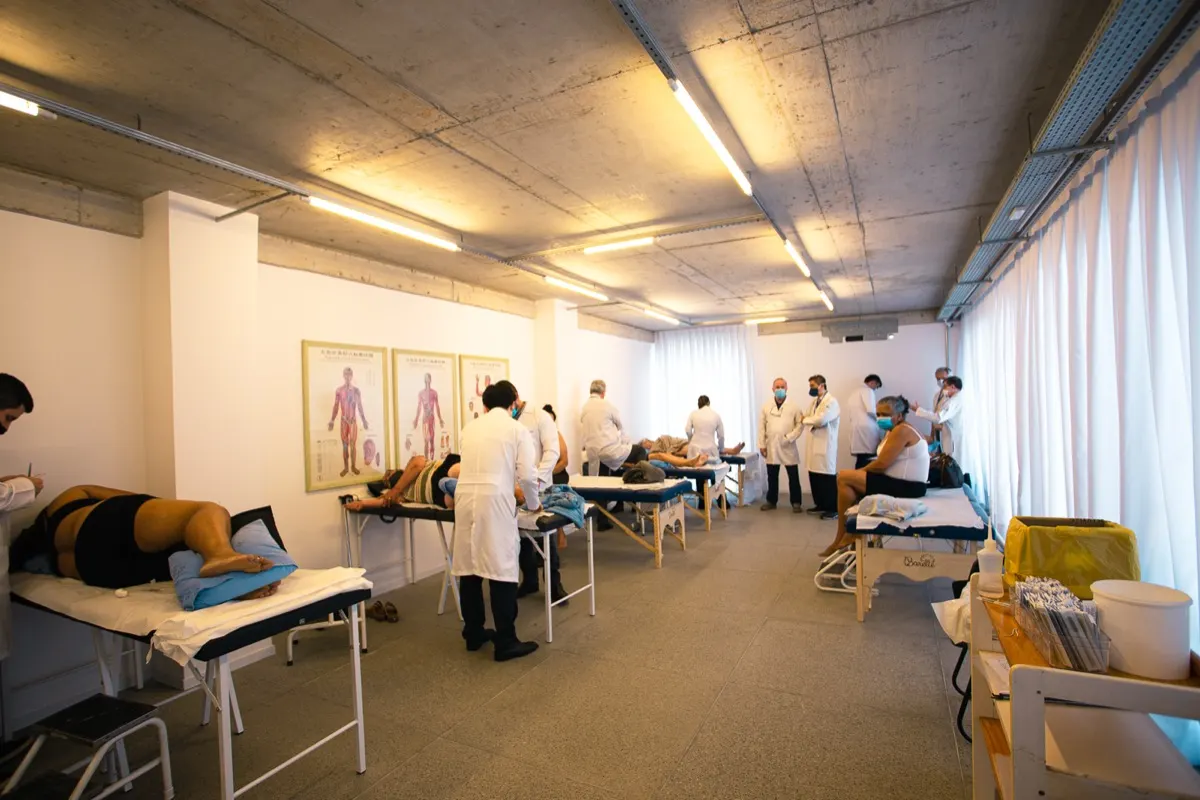

- Strong
See the numbers: What this page rests on
| Year | Study type | Verdict | Study |
|---|---|---|---|
| 2005 | RCT | Strong | Acupuncture in patients with osteoarthritis of the knee: a randomised trial |
| 2007 | RCT | Strong | Acupuncture as an adjunct to exercise based physiotherapy for osteoarthritis of the knee: randomised controlled trial |
Evidence behind this recommendation.
Selected studies from our library that inform the recommendations on this page. Evidence grade shown when available.
Acupuncture in patients with osteoarthritis of the knee: a randomised trial
“Acupuncture has been used for thousands of years for the treatment of pain, but its efficacy for knee osteoarthritis still raised doubts in the medical community.”
Acupuncture as an adjunct to exercise based physiotherapy for osteoarthritis of the knee: randomised controlled trial
“This randomized controlled trial, published in the prestigious British Medical Journal, investigated an important practical question for the treatment of knee osteoarthritis: whether the addition of acupuncture to an exercise-based physiotherapy.”
What Is Patellar Chondromalacia?
Patellar chondromalacia is the softening and degeneration of the cartilage that lines the posterior surface of the patella (kneecap). It occurs when there is malalignment of the patellar trajectory in the trochlear groove of the femur, generating excessive friction between these surfaces and progressive cartilaginous wear.
It is one of the most common causes of anterior knee pain in active young people and athletes, but it also affects sedentary individuals with weakness of the vastus medialis obliquus (VMO) and hypertonia of the vastus lateralis. The imbalance of forces between these portions of the quadriceps is the main biomechanical mechanism of the condition.
Pain typically worsens when going up and down stairs, squatting, sitting for prolonged periods with the knee flexed (moviegoer's sign), or after impact activities. Medical acupuncture addresses both the painful component and the underlying muscle imbalance.
Young People and Athletes
Predominantly affects young adults aged 15 to 35 years, especially runners, cyclists, and weight-training practitioners.
Muscle Imbalance
The hypertonic vastus lateralis pulls the patella laterally, while the weakened VMO cannot counterbalance.
Treatable with Needling
Dry needling of the vastus lateralis rebalances patellar forces with effects demonstrable on imaging.
Why Are Conventional Treatments Not Always Sufficient?
Conventional treatment of chondromalacia includes rest, ice, NSAIDs, and physiotherapy with VMO strengthening. Although physiotherapy is effective, it has an important limitation: it is difficult to strengthen the VMO when the hypertonic vastus lateralis continues to dominate patellar movement and generate pain that inhibits muscle contraction.
NSAIDs control inflammation in the short term but do not address the underlying muscle imbalance. Patellar alignment knee braces help, but do not definitively resolve the problem. The knee needs an intervention that breaks the pain-spasm-pain cycle and allows physiotherapy to be more effective.
Physiotherapy Alone vs. Acupuncture + Physiotherapy
| Aspect | Physiotherapy Alone | Acupuncture + Physiotherapy |
|---|---|---|
| Approach to hypertonic vastus lateralis | Stretching and massage | Direct dry needling at the trigger point |
| Speed of response | Slow progression (weeks) | Improvement in 2–4 sessions |
| VMO inhibition by pain | Hinders exercises | Acupuncture reduces pain, freeing the VMO |
| Cost-effectiveness | Many sessions required | Fewer sessions, faster result |
| Patellar alignment | Gradual improvement | Verifiable improvement on imaging |
Knee osteoarthritis: reversing quadriceps inhibition to unload the joint
Joint nociception reflexively suppresses quadriceps activation and spikes cartilage stress; pain modulation reopens strength gains.
1. Arthrogenic inhibition (AMI)
Synovial effusion and pain blunt α-motoneuron drive, shifting mechanical stress onto the medial compartment.
2. Periarticular needling
Medical stimulation at ST35, EX-LE4, ST36 and SP9 quiets joint nociception and restores voluntary muscle recruitment.
3. Active load sharing
Lower pain enables progressive quadriceps strengthening that absorbs impact and stabilizes daily walking.
How Does Medical Acupuncture Work in Chondromalacia?
The central mechanism of acupuncture in chondromalacia is dry needling of the vastus lateralis. Inserting a needle directly into the hypertonic taut band of the vastus lateralis provokes an involuntary contraction ("twitch response") followed by deep muscle relaxation, reducing the excessive lateral traction on the patella.
Simultaneously, segmental neuromodulation in the L3–L4 dermatomes reduces the nociceptive signal generated by patellofemoral friction, interrupting the pain-spasm cycle. With less pain, the vastus medialis obliquus can be activated more effectively during strengthening exercises.
Mechanism of Action in Patellar Chondromalacia
Needling of the hypertonic vastus lateralis
The needle is inserted into the taut band of the vastus lateralis, provoking a local twitch response and subsequent relaxation.
Reduction of lateral patellar traction
With the vastus lateralis relaxed, the patella returns to a more medial trajectory in the trochlear groove, reducing cartilaginous friction.
L3–L4 segmental neuromodulation
Acupuncture points in the L3–L4 segment inhibit the nociceptive signal from the patellofemoral joint in the spinal dorsal horn.
Release of beta-endorphins
Central analgesia mediated by endogenous opioids, reducing the central sensitization frequent in chronic cases.
Improvement in VMO activation
With less pain, the vastus medialis obliquus can be adequately recruited, correcting the imbalance of forces in a lasting way.
What Does the Research Show?
Studies on acupuncture and dry needling in patellofemoral pain syndrome (PFPS) show consistently positive results. PFPS encompasses chondromalacia and other causes of anterior knee pain, being one of the best-studied clinical contexts for dry needling in specific musculature.
Dose-response curve: how clinical relief accumulates across sessions
Neuroplastic pain relief typically begins with temporary post-session drops before consolidating into a durable functional plateau.
1. Sessions 1–4 (induction)
Noticeable post-visit relief with partial rebound between visits establishes responsiveness.
2. Sessions 5–8 (consolidation)
Cumulative neuromodulation crosses the minimal clinically important difference (MCID).
3. Sessions 9–12 (maintenance)
Visit intervals widen gradually as sleep, mobility, and load tolerance stabilize.
What Is Different About the Modern Approach?
The medical acupuncturist approaches chondromalacia with a multicomponent protocol: dry needling of the vastus lateralis (main culprit muscle), periarticular electroacupuncture for synovitis reduction, and segmental points for central analgesia. The clinical novelty is the diagnostic precision in locating trigger points by systematic palpation.
Association with guidance for specific VMO activation exercises (single-leg press in short range, controlled single-leg squat) produces lasting results. Acupuncture creates the "window of opportunity" só that corrective exercises can be performed without pain.
When to See a Physician?
If you feel pain in the front of the knee when climbing stairs, squatting, or sitting for too long, or notice grinding or crepitus in the patella, seek medical evaluation. Differential diagnosis with other causes of anterior knee pain (Osgood-Schlatter disease, patellar tendinopathy) is fundamental.
Frequently Asked Questions
Acupuncture does not regenerate already-damaged cartilage. The clinical benefit described comes from pain relief and addressing the muscle imbalance (hypertonic vastus lateralis vs. weakened VMO). By reducing pain and allowing adequate VMO strengthening, it can contribute to symptom control and stabilization of the condition in early grades — the result is individual and depends strongly on adherence to the exercise program and to correction of biomechanical factors.
Most patients notice significant pain improvement after 3 to 5 sessions. The complete protocol of 8 to 10 sessions, combined with VMO exercises, usually produces lasting results. More chronic cases or with grades III-IV chondromalacia may require more sessions.
It depends on the intensity of symptoms. In the acute phase, high-impact activities (running, jumping) should be reduced. Acupuncture allows the patient to maintain low-impact activities (cycling, swimming) with less pain. The physician will adjust recommendations according to evolution.
The insertion is practically painless. What the patient feels is the "twitch response" — a quick and involuntary muscle contraction when reaching the trigger point. This sensation can be surprising, but lasts only a fraction of a second and is followed by deep muscle relaxation. Many patients describe it as a "release".
It can, especially if the patient does not maintain VMO strengthening and returns to the factors that caused the problem (excessive running volume, squatting with knee valgus, etc.). Acupuncture treats the current problem; maintenance of results depends on correcting risk factors.
Osteoarthritis radiographic staging (Kellgren–Lawrence I–IV) & clinical expectations
KELLGREN & LAWRENCE · ANN RHEUM DIS 1957Moderate Osteoarthritis
Marked narrowing, subchondral sclerosis, and reactive synovitis.
What clinical trials tested for this condition — Patellofemoral Pain
Share among studies for this condition that reported specific acupoints.
- studies analyzed
- 10 studies analyzed
- RCTs
- 4 RCTs
- sham-controlled
- 7 sham-controlled
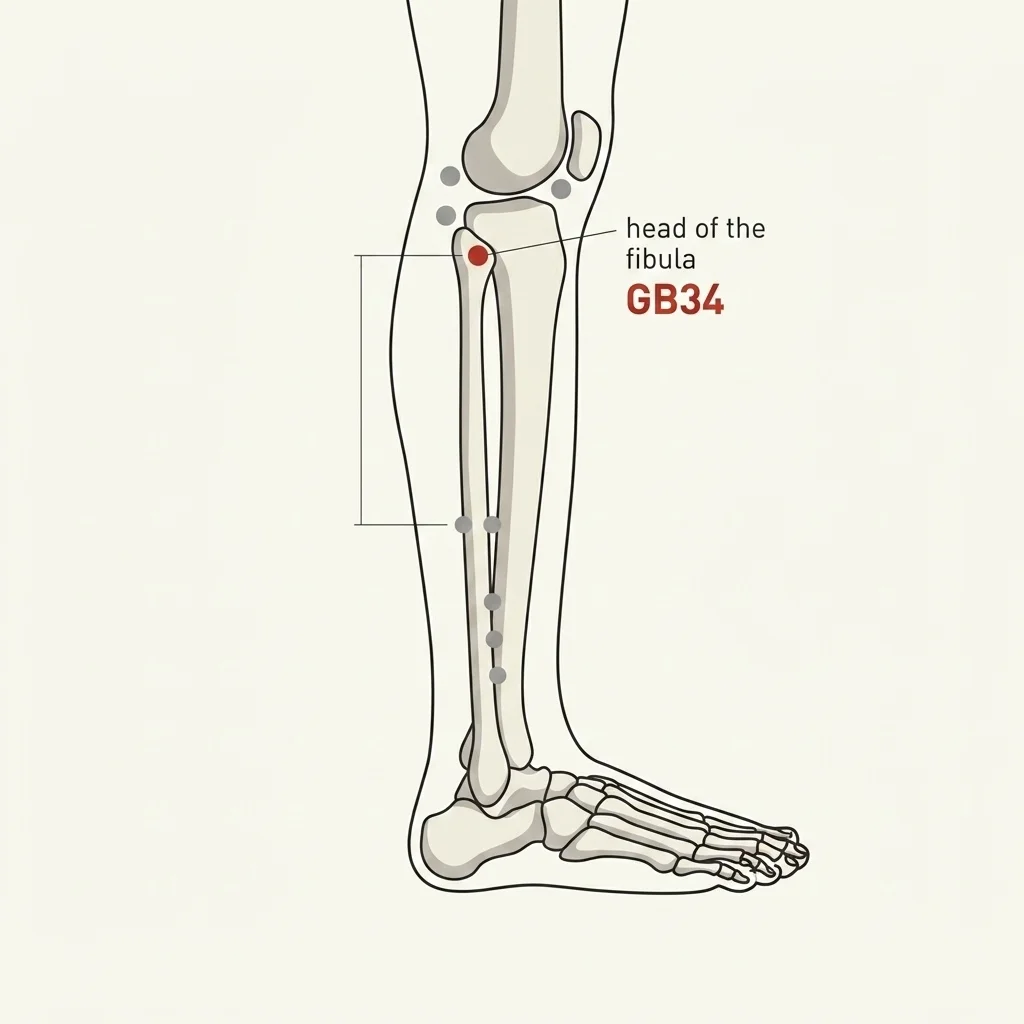
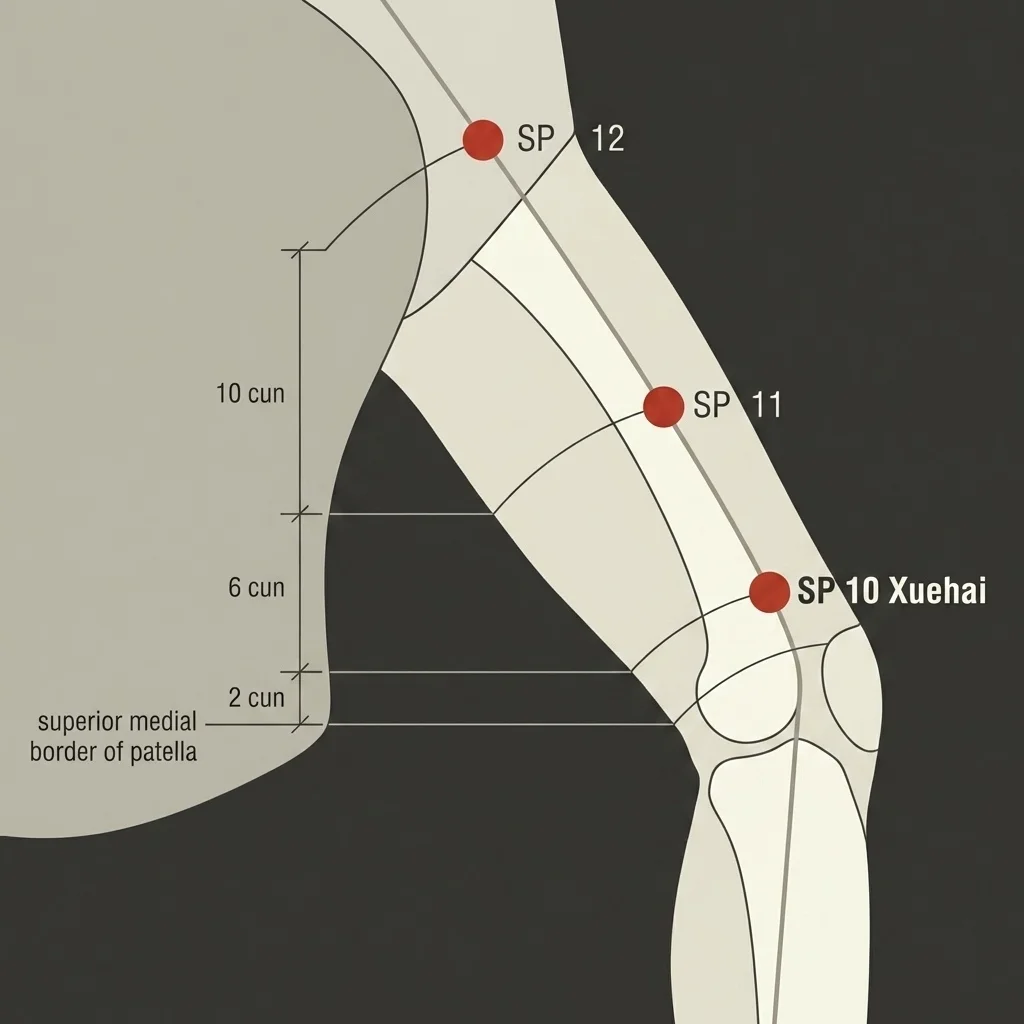
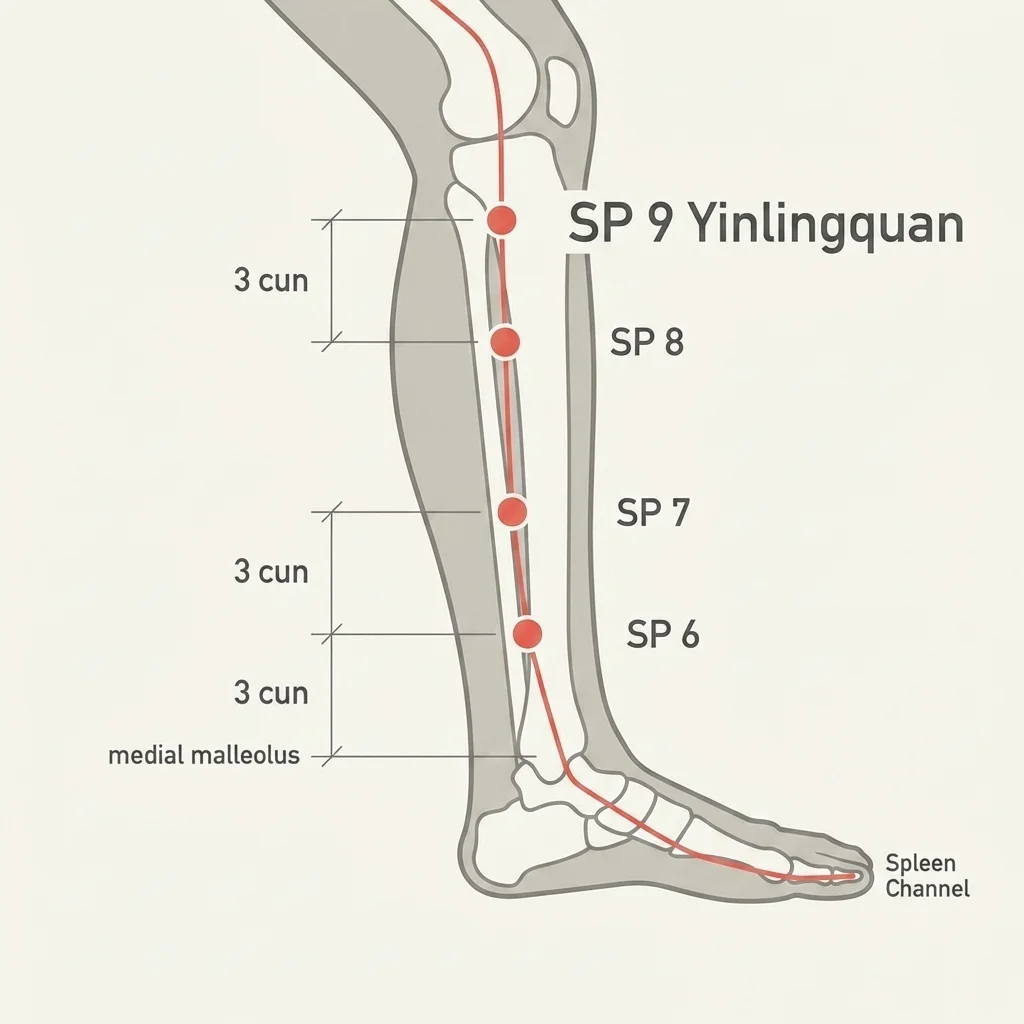
Co-prescribed pairs
- GB34 + SP102×
- GB34 + SP92×
- SP10 + SP92×
Typical session window
2–3 sessions
Trial comparators
- vs Sham / Placebo
- 7 trials
- vs Medication
- 6 trials
- vs Rehab / Exercise
- 9 trials
Sample-size panorama for clinical domain — Patellofemoral Pain
Quantitative synthesis of indexed clinical trials across the Patellofemoral Pain domain (8 studies in our Scientific Library).
Head-to-head trial comparators tested against acupuncture
Select a comparator arm to highlight matching trials in the ledger below.Landmark clinical trials & meta-analyses
8/8- DOI01Randomized RCTJournal of Pain Research · 2020N=50Effects of Trigger Point Dry Needling on Neuromuscular Performance and Pain of Individuals…
- DOI02Randomized RCTFrontiers in Medicine · 2025N=60Effect of laser acupuncture on pain, range of motion, and function in patellofemoral pain…
- DOI03Meta-AnalysisForschende Komplementärmedizin · 2016N=707Acupuncture Versus Non-Steroidal Anti-Inflammatory Drugs for Treatment of Chondromalacia…
- DOI04Systematic ReviewJournal of Korean Medicine Rehabilitation · 2023N=431A Systematic Review of Acupuncture Treatment Effect for Patellofemoral Pain Syndrome
- DOI05Randomized RCTAcupuncture in Medicine · 2020N=54Comparison of dry needling and ischaemic compression techniques on pain and function in…
- DOI06Meta-AnalysisPLoS One · 2026N=1,234The effectiveness of dry needling at myofascial trigger points for knee disorders: A…
- DOI07Randomized RCTInternational Journal of Sports Physical Thera · 2018N=60Short-Term Effects of Trigger Point Dry Needling on Pain and Disability in Subjects with…
- DOI08Clinical ReviewJournal of Pain Research · 2025N=19Acupuncture Therapy for Extremity Musculoskeletal Pain: A Clinically Focused Evidence…
Acupoint co-prescription synergy across published protocols
Arc stroke thickness reflects how many clinical trials co-prescribed each acupoint pair; node radius encodes overall point frequency.