
Pelvic pain with normal tests: a real and prevalent condition
Pain in the pelvis that persists for more than 6 months, without identifiable cause on gynecologic, urologic, or gastrointestinal exams, is diagnosed clinically by chronic pelvic pain (CPP). It is a condition that affects up to 15% of women of reproductive age and a significant share of men — with an impact on quality of life, sexual life, work, and mental health comparable to serious chronic diseases such as rheumatoid arthritis.
What exams frequently do not detect is the most prevalent cause of CPP without structural pathology: the myofascial pelvic pain syndrome. The pelvic floor muscles (levator ani, obturator internus, coccygeus), the rectus abdominis, the psoas, and the iliacus develop trigger points that refer pain precisely to the pelvic region — simulating endometriosis, interstitial cystitis, irritable bowel syndrome, and chronic prostatitis.
The muscles no one examines
Levator ani
The levator ani (pubococcygeus, iliococcygeus, and puborectalis) is the main muscle of the pelvic floor. Trigger points in it generate pain in the vagina, rectum, perineum, and sacral region — frequently described as "ball inside the vagina" or constant rectal pressure (levator ani syndrome).
Obturator internus
The obturator internus passes through the ischiorectal canal and has trigger points that refer pain to the vagina, rectum, and lateral pelvis. In men, it is a frequent cause of "abacterial" chronic prostatitis — perineal and scrotal pain without identified bacteria.
Lower rectus abdominis
Trigger points in the lower rectus abdominis (below the navel) refer visceral pain to the bladder, uterus, and inguinal region — simulating cystitis, dysmenorrhea, and inguinal pain. They are accessible to abdominal dry needling without the need for intracavitary access.
Psoas and iliacus
The psoas major, which inserts on the transverse processes of L1-L4, has trigger points that refer pain to the inguinal region, anterior aspect of the thigh, and lower abdomen. In women, this pain is frequently confused with ovarian pain or deep endometriosis.
Pelvic medical acupuncture
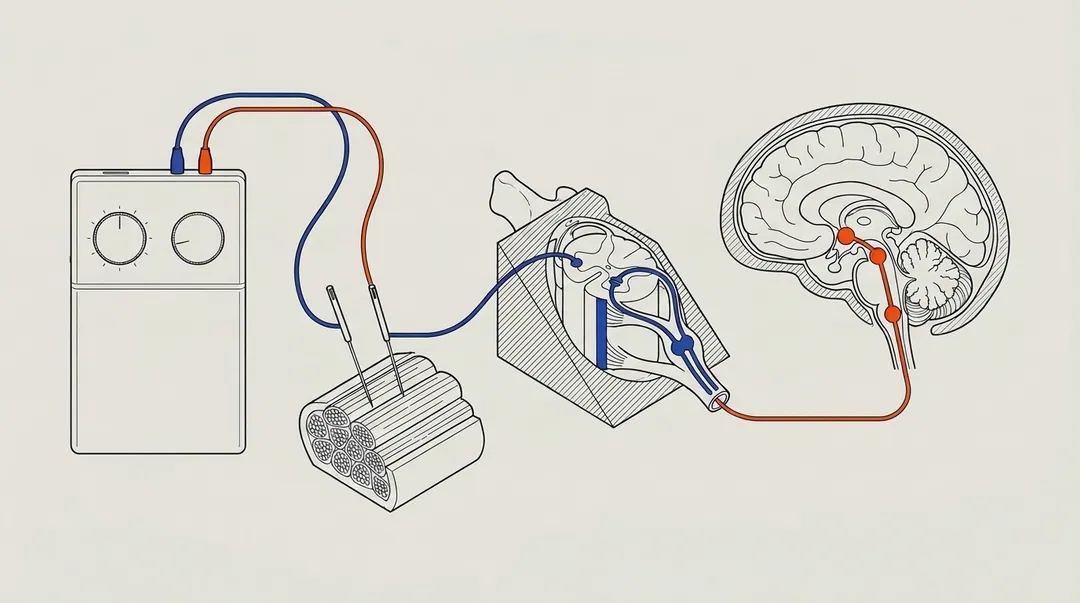
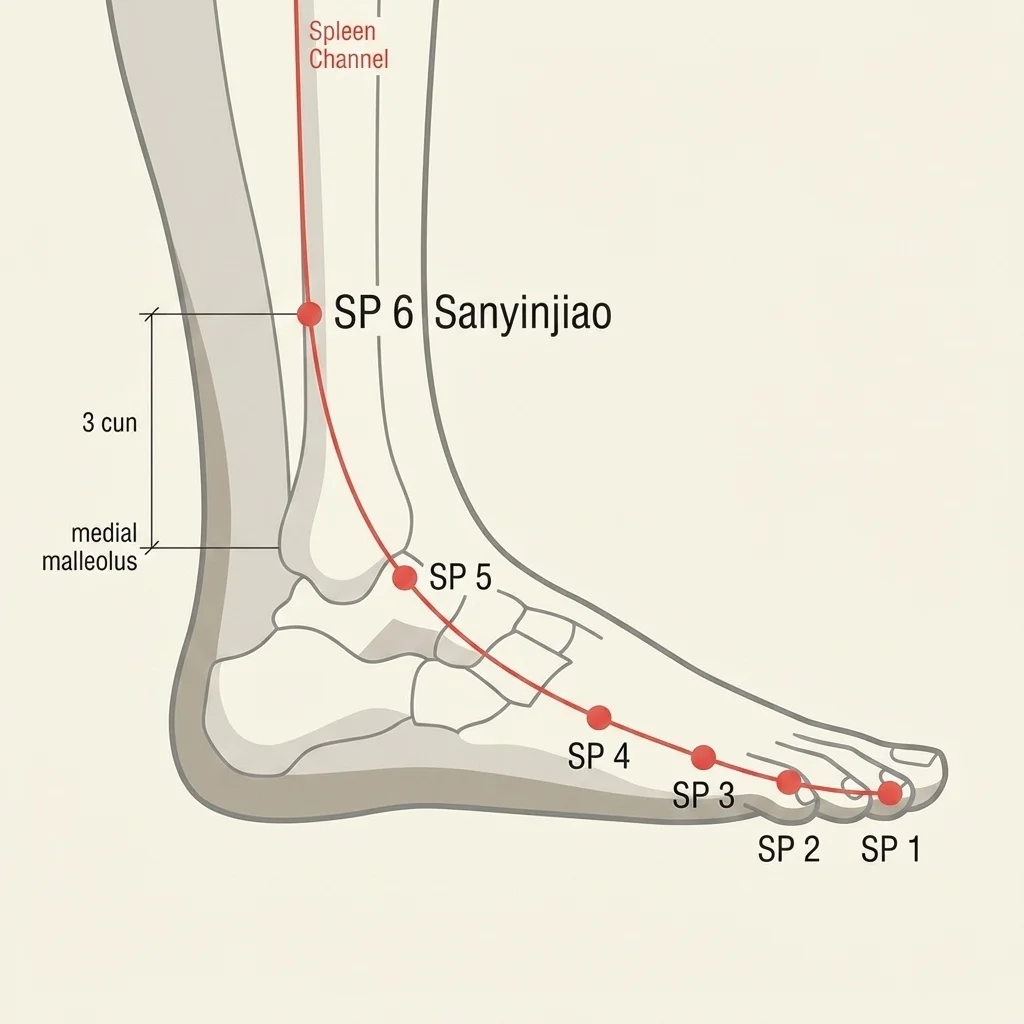
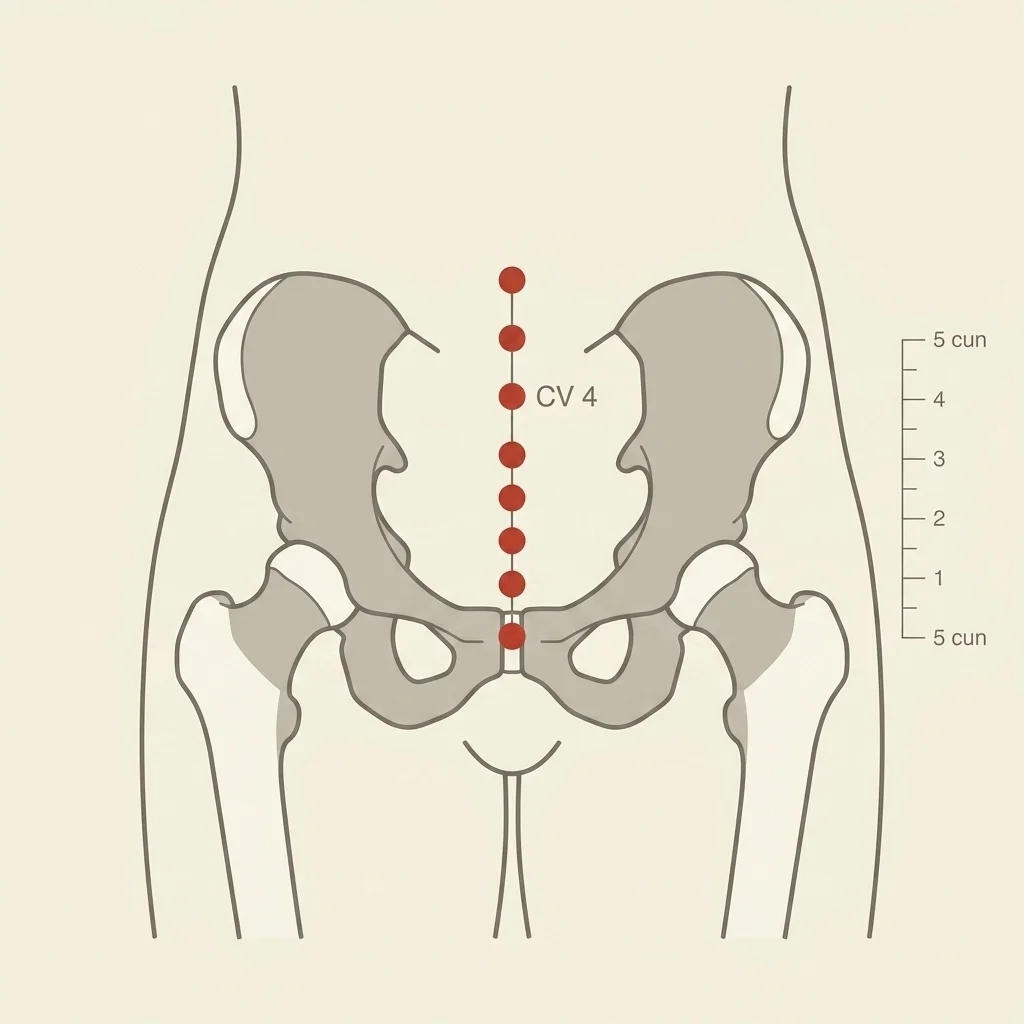
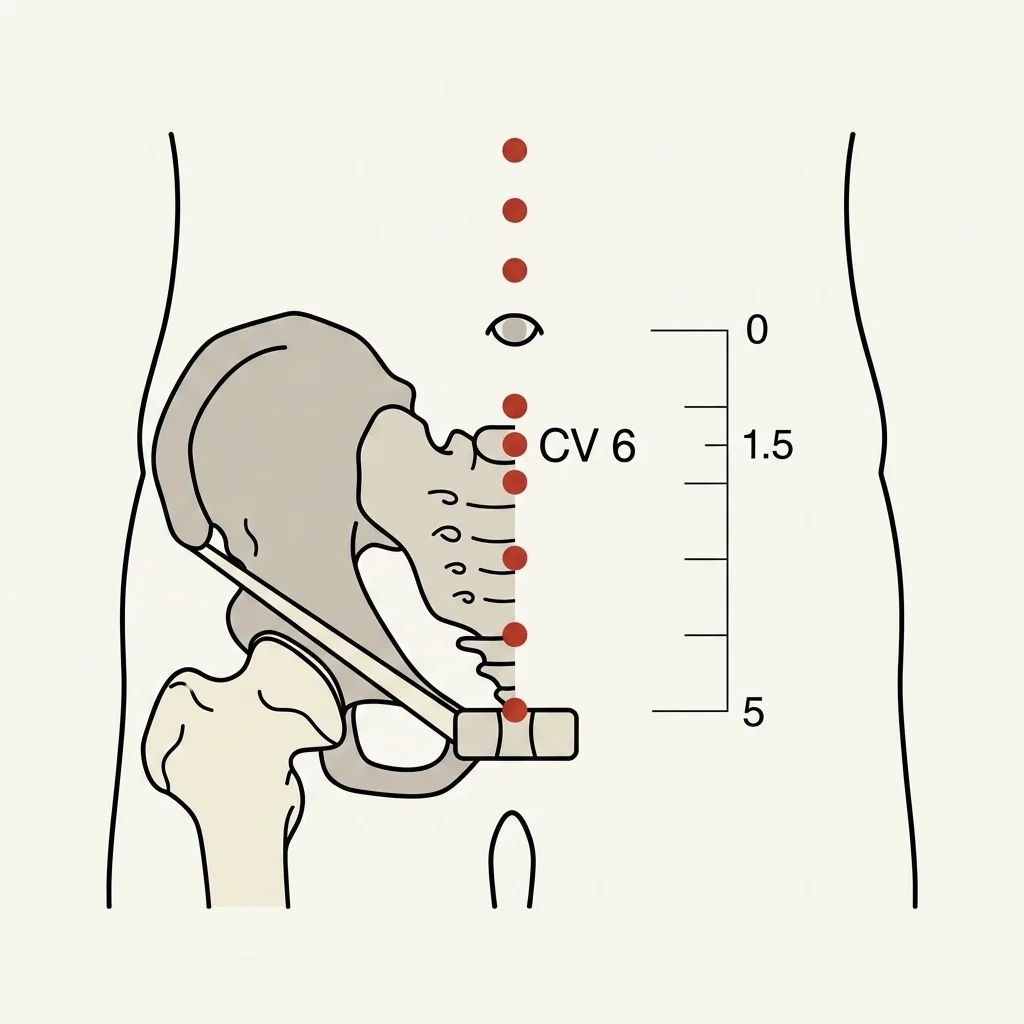
Dry needling of accessible trigger points (rectus abdominis, inner thighs, glutes, psoas) combined with electroacupuncture at local and distal points (CV-4, CV-6, SP-6, SP-10, BL-32) offers segmental and systemic neuromodulation for myofascial pelvic pain.
Epidemiologic data on chronic pelvic pain
Identifying myofascial pelvic pain
Myofascial pelvic pain — typical pattern
Persistent pelvic pain for more than 6 months, with normal gynecologic/urologic exams
Pain that worsens with prolonged seated posture (psoas and obturator tension)
Pain that worsens with emotional stress (reflex hypertonia of the pelvic floor)
Sensation of pressure, weight, or "ball" in the vagina or perineum
Dyspareunia (pain during intercourse) without identified gynecologic cause
Functional urinary urgency without infection or identified pathology
Pain on pressure on the inner thighs, inguinal region, or sacrum
Relief with local heat, hot bath, or perianal massage
Myths and facts about chronic pelvic pain
Myth vs. Fact
Pelvic pain without cause on tests is always psychosomatic
Myofascial pelvic pain has a real cause — trigger points in the pelvic floor and lower abdominal muscles, identifiable on specialized physical examination. The fact that it does not appear on ultrasound or laparoscopy does not mean it does not exist. Pelvic myofascial assessment requires a physician trained in trigger point palpation — it is not routine in conventional outpatient clinics.
Pelvic pain in men is always bacterial prostatitis
More than 90% of "prostatitis" in men is type III (chronic abacterial prostatitis/chronic pelvic pain syndrome) — without identified infection. Trigger points in the obturator internus, levator ani, psoas, and adductors are recognized causes of this syndrome, treatable with dry needling and medical acupuncture without the need for prolonged antibiotic therapy.
If laparoscopy found nothing, there is nothing to treat
Laparoscopy identifies visible lesions — endometriosis, adhesions, cysts. It does not identify myofascial dysfunction, central sensitization, or pelvic floor hypertonia. A negative laparoscopy in a patient with pelvic pain should direct the investigation to the myofascial and functional cause — not close the diagnosis.
An integrated medical approach
Treatment protocol
Exclusion of structural causes
Review of previous exams. If not performed: basic gynecologic/urologic assessment to exclude endometriosis, fibroids, interstitial cystitis. With structural pathology excluded, proceed to pelvic and abdominal myofascial assessment.
Pelvic-abdominal myofascial mapping
Palpation of the lower rectus abdominis, iliopsoas, adductors, and glutes searching for trigger points that reproduce the pelvic pain. Postural assessment (lumbar hyperlordosis — tenses the psoas). Assessment of pelvic hypertonia by history (dyspareunia, urinary dysfunction, inability to relax the perineum).
Dry needling and electroacupuncture
Dry needling of accessible trigger points: lower rectus abdominis, psoas (anterolateral access), adductors, gluteus medius, and quadratus lumborum. Electroacupuncture at points CV-4, CV-6, SP-6, SP-10, BL-32 (2 Hz) for segmental neuromodulation of the pelvis. Progressive reduction of pelvic pain.
Multimodal approach
For pelvic floor hypertonia: pelvic muscle relaxation guidance (contract-relax technique, diaphragmatic breathing). Coordination with gynecologist or urologist if indicated. Approach to perpetuating factors: constipation, chronic stress, prolonged seated posture.
Clinical pearl: the psoas as a generator of "ovarian pain"
Frequently asked questions
Frequently Asked Questions
Medical acupuncture does not treat the endometriosis lesion — ectopic endometrial tissue requires specialized assessment and treatment (hormonal or surgical) with a gynecologist. However, the pain associated with endometriosis has a myofascial and central sensitization component that may respond to acupuncture as part of the multidisciplinary plan. Many patients with surgically treated endometriosis continue with pain — frequently from central sensitization and residual pelvic hypertonia, conditions in which medical acupuncture can contribute, always in coordination with the gynecologic team.
Yes, as part of a multidisciplinary plan. Interstitial cystitis (painful bladder syndrome) has a strong central sensitization component and pelvic myofascial dysfunction. Initial studies suggest that medical acupuncture can contribute to reduction of urinary frequency, urgency, and pain in patients with refractory interstitial cystitis, with better response when there are trigger points in the rectus abdominis and psoas contributing to the bladder pain. Evidence is still limited and treatment should be coordinated with a urologist.
Yes. Chronic abacterial prostatitis (category III) is one of the pelvic conditions in which medical acupuncture shows consistent clinical evidence in randomized trials. Treatment focuses on the obturator internus, levator ani, adductors, and psoas, with electroacupuncture at points such as CV-4, BL-32, and SP-6. Many patients report improvement of perineal and scrotal pain in therapeutic series of a few weeks, always in coordination with a urologist.