EX-B4 Pi Gen () — Pi Gen — Root of the Mass
Lumbar region, 3.5 B-cun lateral to the lower border of the L1 spinous process
Anatomical illustration acupuntura.com · verified against Focks (2008), WHO/WPRO (2008), and Pontos e Meridianos
Anatomical location
At the level of the inferior margin of the spinous process of L1, 3.5 cun from the posterior midline.
Practical palpation guide
In the lumbar region, identify the spinous process of L1. At the level of the inferior margin, measure 3.5 cun laterally.
Needling technique
0.5 to 1 cun · perpendicular
Medical application & myofascial correlation
Clinical practice indications
- 01Symptoms due to abdominal "mass"
- 02Distending pain in the epigastrium
- 03Low back pain
- 04Nausea
- 05Stomach colic
- 06Dyspepsia
- 07Enteritis
- 08Enterocele
- 09Lumbar neuralgia
- 10In cases of chronic infantile malnutrition
- 11Combine with Tian Shu (ST-25)
Presenting symptoms & complaints
Classical tradition, channel actions & source
Traditional indications (TCM)
Functional classification
Layered tissue anatomy & needle biomechanics at EX-B4
Cross-sectional technical schematic of perpendicular insertion (90°) (0.5–1 cun): superficial connective collagen coupling, intramuscular myofascial transduction, and deep neurovascular protection.
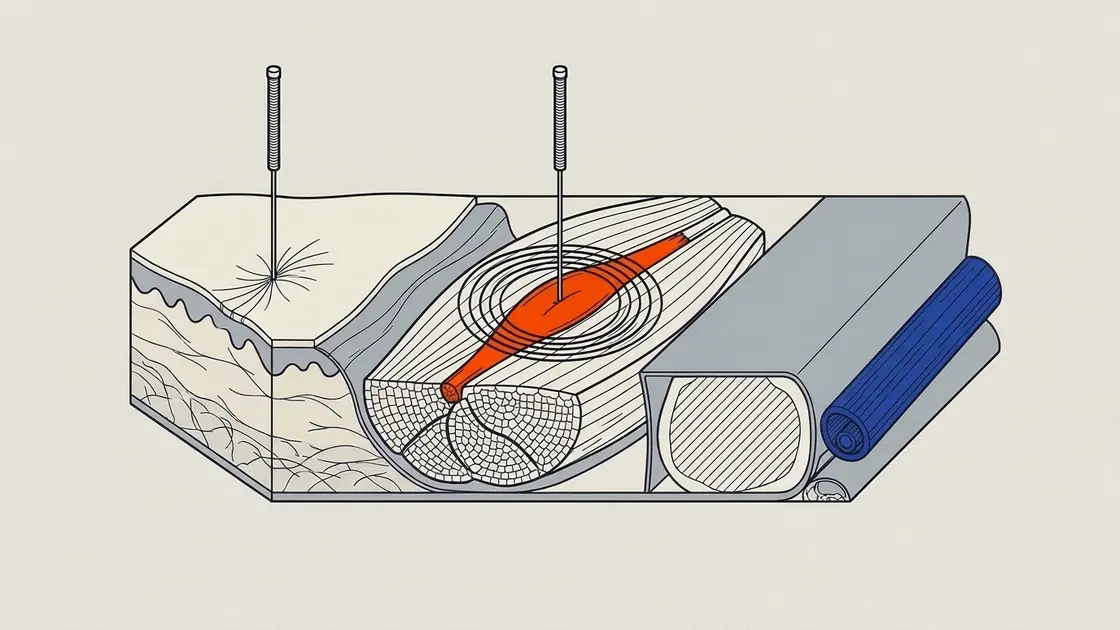
Dermal & fascial collagen coupling
A solid non-cutting filiform needle (0.25 mm rounded tip) enters via perpendicular insertion (90°), gently tenting loose areolar collagen fibers without slicing dermal vessels.
Myofascial spindle & Aδ / C transduction
Within the 0.5–1 cun target window at EX-B4, mechanical coupling recruits intramuscular mechanoreceptors, increasing local micro-perfusion and releasing taut bands.
Strict anatomical safety floor
The deep fascial septum, bone cortex, and underlying neurovascular bundle or cavity define the strict anatomical boundary observed during physician needling at EX-B4.