ST-12 Quepen (缺盆) — Empty Basin
Anatomical location
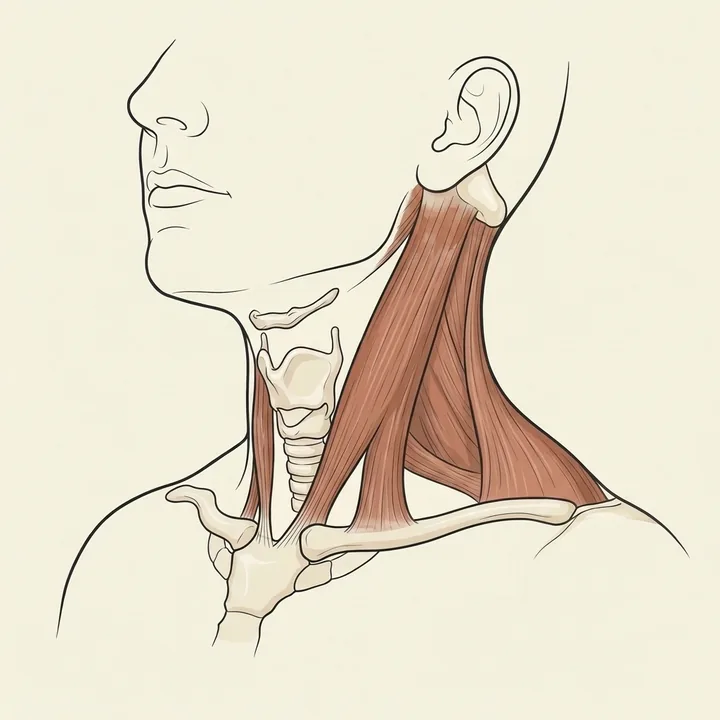
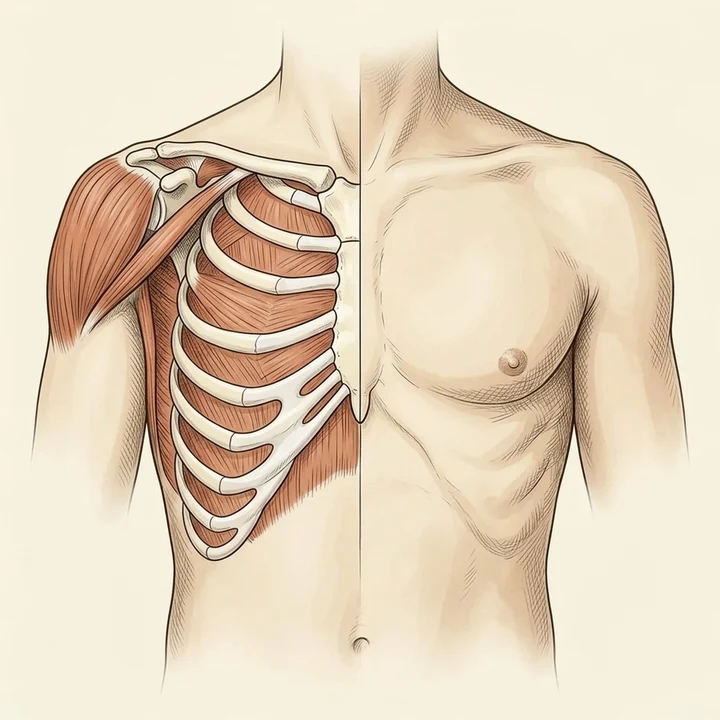
In the supraclavicular fossa, superior to the midpoint of the clavicle, 4 cun lateral to the anterior midline.
Practical palpation guide
Seated, with the head erect, locate the point in the middle of the supraclavicular fossa, on the superior aspect of the lateral depression of the clavicular insertion of the sternocleidomastoid muscle.
Anatomical plane & innervation
Platysma. Supraclavicular nerve, brachial plexus, subclavian artery and vein.
Needling technique
Perpendicular or oblique insertion 0.3–0.5 cun.
Medical application & myofascial correlation
Clinical synthesis
The indications follow the principle of treatment with the local point.
Clinical practice indications
- 01Asthma
- 02Pleurisy
- 03Thoracic outlet syndrome
- 04Radiation from cervical radiculopathy
Presenting symptoms & complaints
Classical tradition, channel actions & source
Classical therapeutic actions
- Descends Lung Qi
- Clears Heat from the chest
- Activates the channel
Traditional indications (TCM)
Character etymology
Que (缺), defective; Pen (盆), basin. Que Pen refers to the supraclavicular fossa, where the point is located.
Layered tissue anatomy & needle biomechanics at ST 12
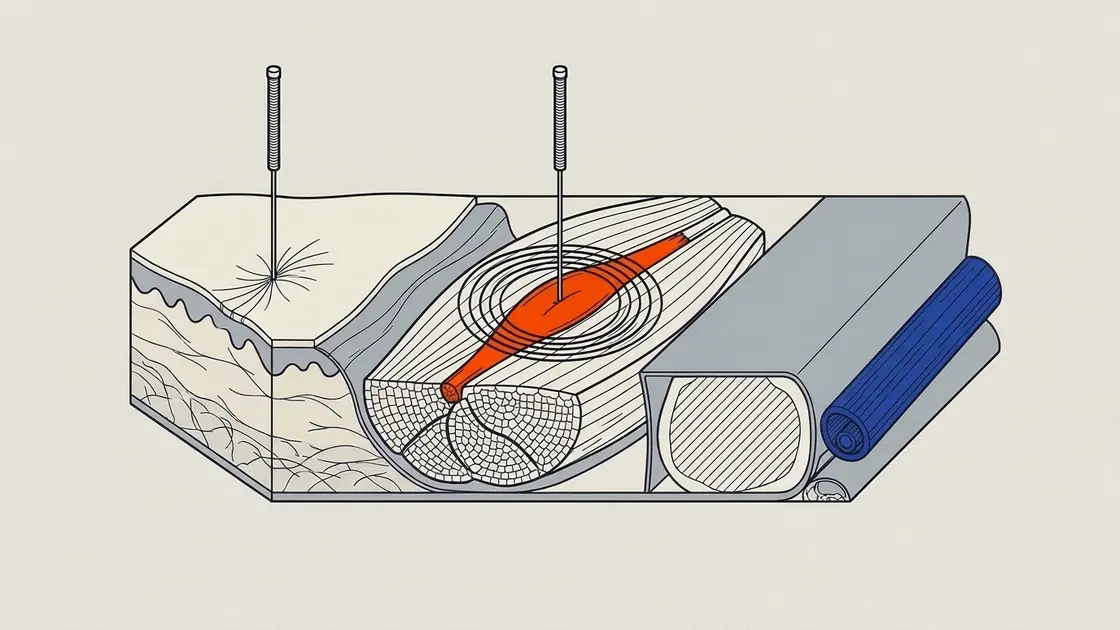
Cross-sectional technical schematic of oblique insertion (~45°) (0.3–0.5 cun): superficial connective collagen coupling, intramuscular myofascial transduction, and deep neurovascular protection.
Dermal & fascial collagen coupling
A solid non-cutting filiform needle (0.25 mm rounded tip) enters via oblique insertion (~45°), gently tenting loose areolar collagen fibers without slicing dermal vessels.
Myofascial spindle & Aδ / C transduction
Within the 0.3–0.5 cun target window at ST 12, mechanical coupling recruits intramuscular mechanoreceptors, increasing local micro-perfusion and releasing taut bands.
Strict anatomical safety floor
The deep fascial septum, bone cortex, and underlying neurovascular bundle or cavity define the strict anatomical boundary observed during physician needling at ST 12.
Clinical relations & channel protocols
Immediate neighbors on the meridian
Related clinical reading
4Understand bronchial asthma — a chronic inflammatory airway disease that affects more than 300 million people worldwide, its mechanisms, diagnosis, and evidence-based treatments.
Understand childhood asthma — the pathophysiology of bronchial inflammation, age-stratified diagnosis, stepwise treatment, and how pediatric acupuncture can support complementary control.
Understand cervical radiculopathy — compression or irritation of nerve roots in the neck causing pain, numbness, and weakness in the upper limb.
Understand chronic cough — a symptom that persists for more than 8 weeks, its most frequent causes, systematic diagnostic approach, and evidence-based treatments.